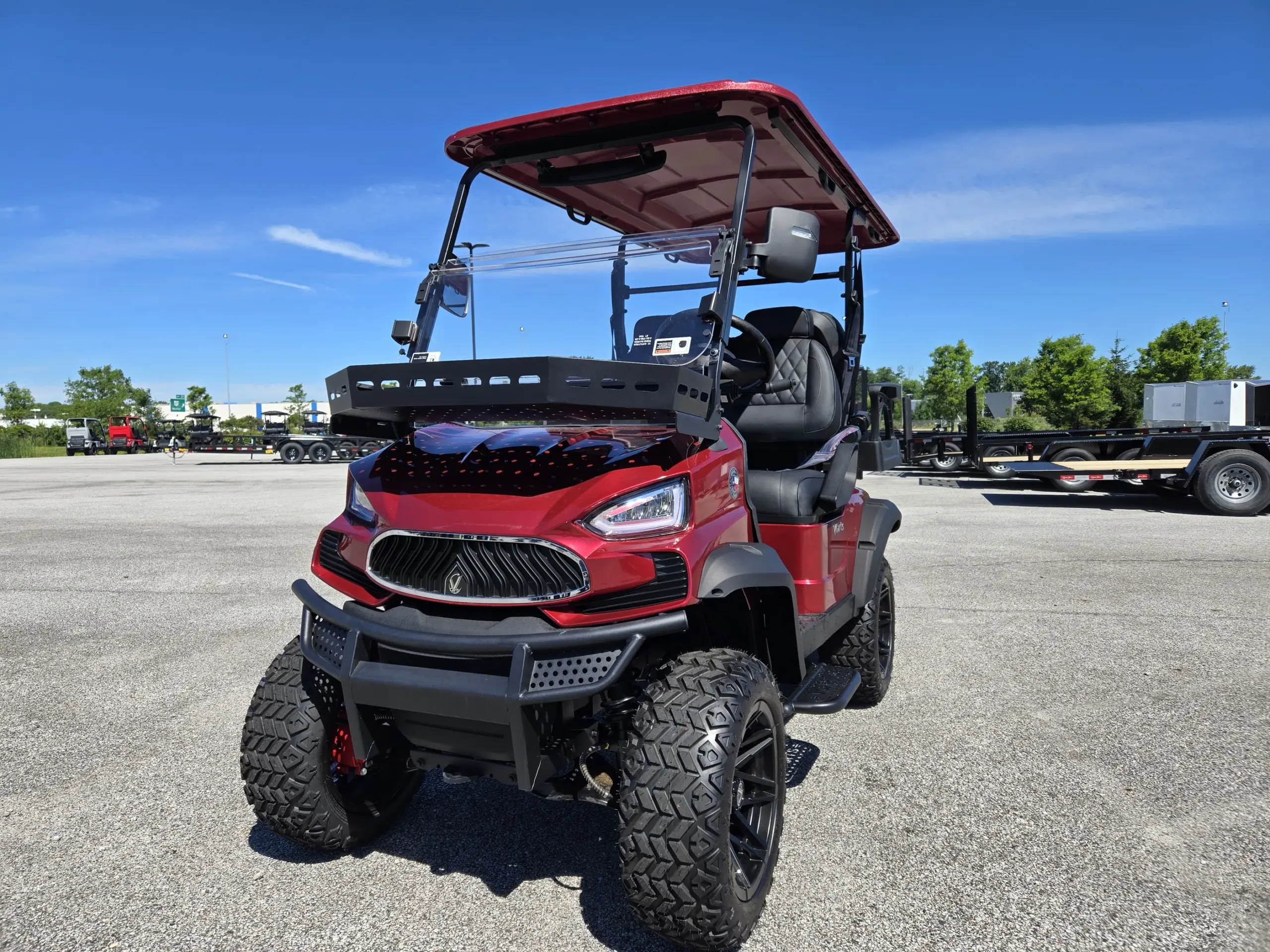
A golf cart that feels slow does not always need a complete motor replacement. Tire size, battery condition, controller settings, gearing, electrical resistance, and passenger load can all affect speed. Some changes improve acceleration, while others increase top speed, so the best upgrade depends on how the cart currently performs.
If you are asking how to make my golf cart faster, start by checking the cart’s current mechanical and electrical condition before buying performance parts. A weak battery pack, underinflated tires, dragging brakes, or corroded cables can make a healthy cart feel much slower than it should. Once basic problems are ruled out, upgrades such as a higher-performance controller, larger tires, different gearing, or a properly matched motor can increase speed. Any speed modification should also consider braking, steering, suspension, tire rating, and local road-use rules. Going faster is only useful when the cart remains stable, reliable, and safe.
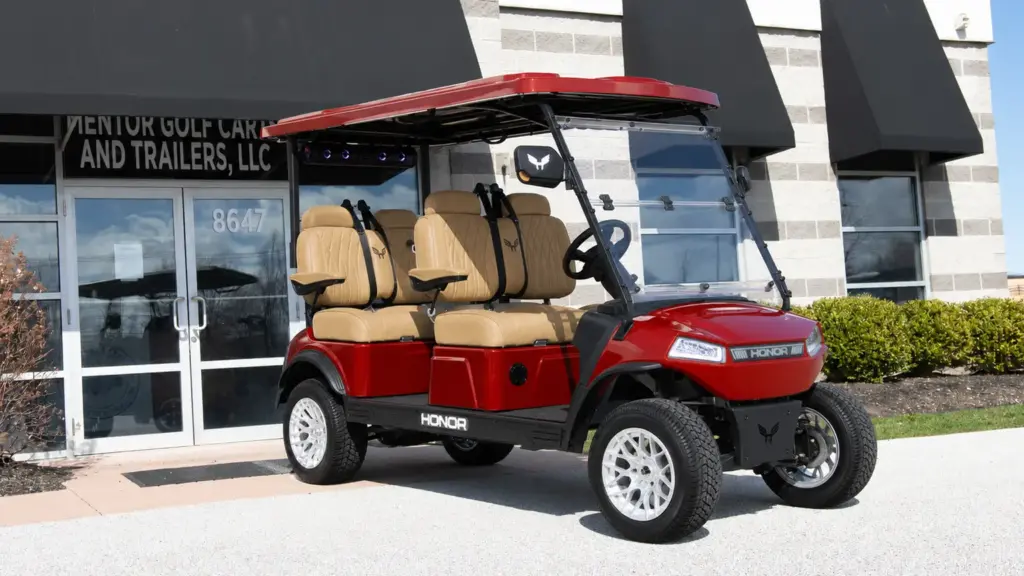
Check The Golf Cart Before Adding Performance Parts
Before deciding how to make my golf cart faster, establish whether the cart is actually underperforming. Start with tire pressure, brake drag, wheel bearings, battery connections, and general drivetrain condition. A cart with underinflated tires or partially engaged brakes wastes energy and may struggle to reach its normal factory speed. Electric carts should also be tested with a fully charged battery pack because low voltage can noticeably reduce acceleration and power.
Compare the cart’s actual speed with what the model should normally achieve. Our guide explaining how fast golf carts go can help establish a reasonable baseline before modifications begin. If the cart used to be faster but has gradually slowed down, maintenance is usually a better starting point than performance upgrades. Restoring lost factory performance can sometimes provide the improvement an owner was looking for without changing the original design.
Improve Battery Performance And Electrical Connections
Battery condition is especially important when learning how to make my golf cart faster with an electric model. The motor and controller can only deliver the power the battery system supplies. Aging batteries may show normal voltage while sitting still but experience a large voltage drop under acceleration. That can make the cart sluggish, particularly on hills or with several passengers.
Inspect battery terminals, cables, and connections for corrosion, heat damage, or loose hardware. Excessive resistance wastes energy and can limit the current available to the motor. Lead-acid batteries should also have proper electrolyte levels and a full charge. Lithium systems should be checked for battery-management warnings or charging issues. Upgrading batteries solely for more speed is not always necessary, but replacing a weak pack can restore lost performance. When choosing a different battery system, voltage, controller compatibility, charger requirements, and motor limits should all be considered together rather than changing one component in isolation.

Upgrade The Controller For Better Performance
The electronic controller regulates how much power reaches the motor, making it one of the most important components when considering how to make my golf cart faster. Some factory controllers are programmed conservatively to protect the drivetrain, limit current, or keep the cart within a specific speed range. Depending on the model, adjusting or replacing the controller may improve acceleration and allow the motor to operate closer to its performance potential.
A controller upgrade should be matched to the motor, battery voltage, wiring, solenoid, and overall electrical system. Installing a high-current controller without checking the rest of the system can create excessive heat and shorten component life. Some modern carts may also have programmable speed settings that should only be changed using the correct diagnostic equipment. Owners comparing newer, higher-performance carts can also review in-stock golf carts for sale rather than heavily modifying an older platform that was never designed for higher speeds.
Use Larger Tires Carefully To Increase Speed
Larger-diameter tires are one of the simpler ways people approach how to make my golf cart faster. A taller tire travels farther with each wheel revolution, which can increase top speed without changing motor RPM. The increase may be noticeable on carts that have enough torque to turn the larger tires effectively. Lifted carts often use larger wheels and tires for this reason.
However, bigger tires also change effective gearing. Acceleration may become slower, hill-climbing ability can decrease, and braking distance may increase. Oversized tires also add rotating weight and may create clearance problems if the cart does not have enough suspension space. Tire pressure and load rating remain important because poor tire selection can hurt handling at higher speeds. Owners should not choose tire size based only on appearance. The motor, controller, suspension, brakes, and intended terrain should all be considered before increasing overall tire diameter.
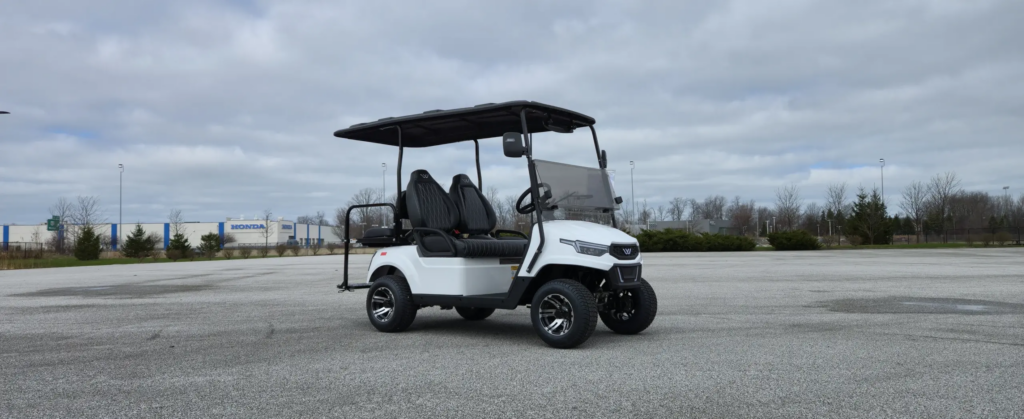
Change The Gearing Or Motor For More Top Speed
For owners still asking how to make my golf cart faster after basic upgrades, gearing and motor changes can produce larger results. High-speed gears allow the wheels to turn faster for a given motor speed, which can raise top speed. The tradeoff is usually reduced torque, so the cart may accelerate more slowly and struggle more on steep hills or under heavy loads.
Motor upgrades can address different goals depending on the design. Some motors are built for higher RPM and top speed, while others emphasize torque for hills and heavier passenger loads. Choosing the wrong type can make performance worse for the way the cart is actually used. A motor upgrade may also require a stronger controller, heavier cables, or changes to the battery system. Performance parts should therefore be selected as a matched combination. A cart designed around balanced components will usually be more reliable than one assembled from unrelated speed upgrades.
Reduce Unnecessary Weight And Rolling Resistance
Weight has a direct effect on acceleration, which is why reducing unnecessary load can help when considering how to make my golf cart faster. Extra tools, cargo boxes, coolers, heavy accessories, oversized wheels, and unused equipment all require the motor to move more mass. The effect becomes even greater when climbing hills or carrying several passengers.
Rolling resistance should also be checked. Properly inflated tires move more efficiently than soft tires, while poor wheel alignment can create drag. Worn wheel bearings or brakes that do not fully release can make the cart feel slower even when the motor and battery are healthy. These changes may not dramatically increase maximum speed, but they can make acceleration feel stronger and help the cart maintain speed more consistently. Reducing unnecessary strain can also improve driving range. Before spending money on major upgrades, eliminating simple sources of resistance is one of the easiest ways to improve performance without compromising reliability.

Make Sure Higher Speed Does Not Create A Safety Problem
Anyone researching how to make my golf cart faster should consider the effect on braking and stability before increasing top speed. Golf carts have a short wheelbase, narrow track, and high seating position compared with passenger cars. Lift kits, oversized tires, rear seats, and extra passengers can raise the center of gravity further, making sudden turns more demanding at higher speeds.
Federal guidance also distinguishes conventional golf carts from low-speed vehicles. NHTSA states that conventional carts with a maximum speed of 20 mph or less are generally treated differently from vehicles modified for public-road use. A golf cart modified into the 20 to 25 mph range can fall within low-speed vehicle considerations and may become subject to additional safety requirements. Before making substantial speed changes, owners should evaluate brakes, steering components, tires, suspension, and local road-use regulations. A faster cart should still remain predictable and controllable during emergency braking or quick steering corrections.
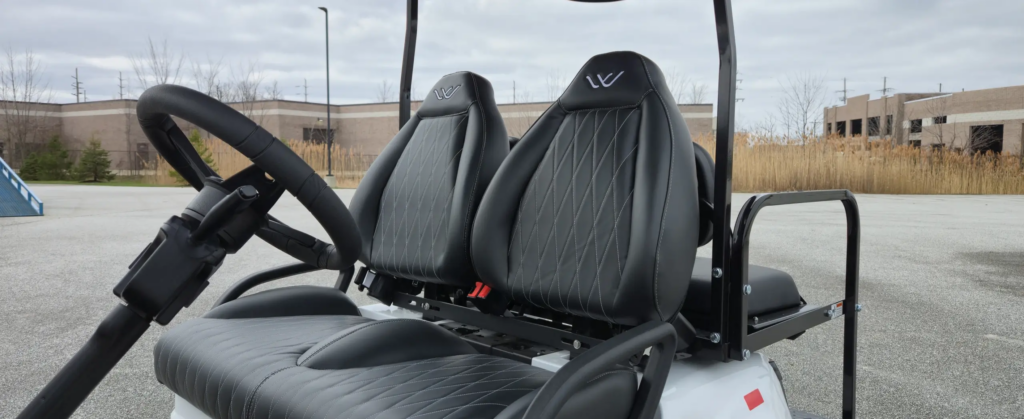
Choose Upgrades Based On How You Actually Use The Cart
The best answer to how to make my golf cart faster depends on where and how the cart is driven. A cart used mainly on flat private property may benefit from different upgrades than one carrying four passengers over hills. Someone seeking stronger acceleration may need better battery performance or controller output, while an owner focused only on top speed may consider gearing, tire diameter, or motor RPM.
Avoid changing several components at once without understanding what each modification does. Start with maintenance, measure current performance, and then choose upgrades based on a specific goal. If the cart needs professional diagnosis or you want to confirm whether the electrical and mechanical systems can support additional performance, the Mentor Golf Carts & Trailers Service Department can help inspect the cart before major modifications. A properly planned upgrade usually delivers better speed, reliability, and drivability than simply installing the most powerful parts available.