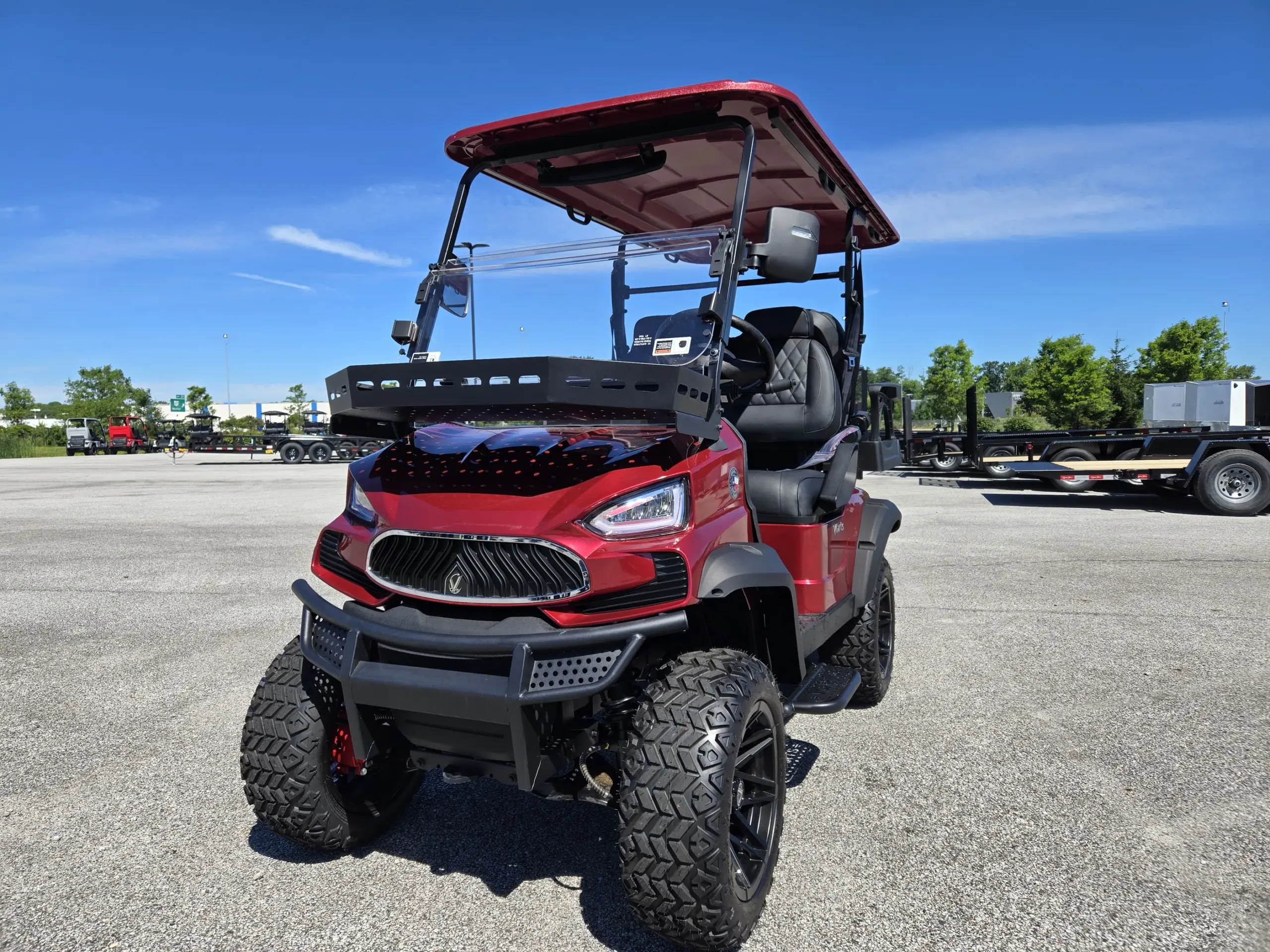
A golf cart can be a convenient way to travel through neighborhoods, private communities, resorts, and other low-speed areas, but road use requires more than adding a few lights. Vehicle classification, safety equipment, registration, insurance, and local traffic laws can all affect whether a cart can legally operate on public streets.
So, how to make golf cart street legal? In most cases, the cart must meet applicable low-speed vehicle requirements, including proper lighting, mirrors, seat belts, reflectors, braking equipment, and other safety features. Owners may also need a title, registration, license plate, insurance, and a valid driver’s license before driving on public roads. The exact process depends on the state and municipality. A cart that is legal in one area may not qualify in another, so owners should confirm both federal vehicle standards and local road-use laws before starting a conversion.
How To Make Golf Cart Street Legal With The Right Equipment
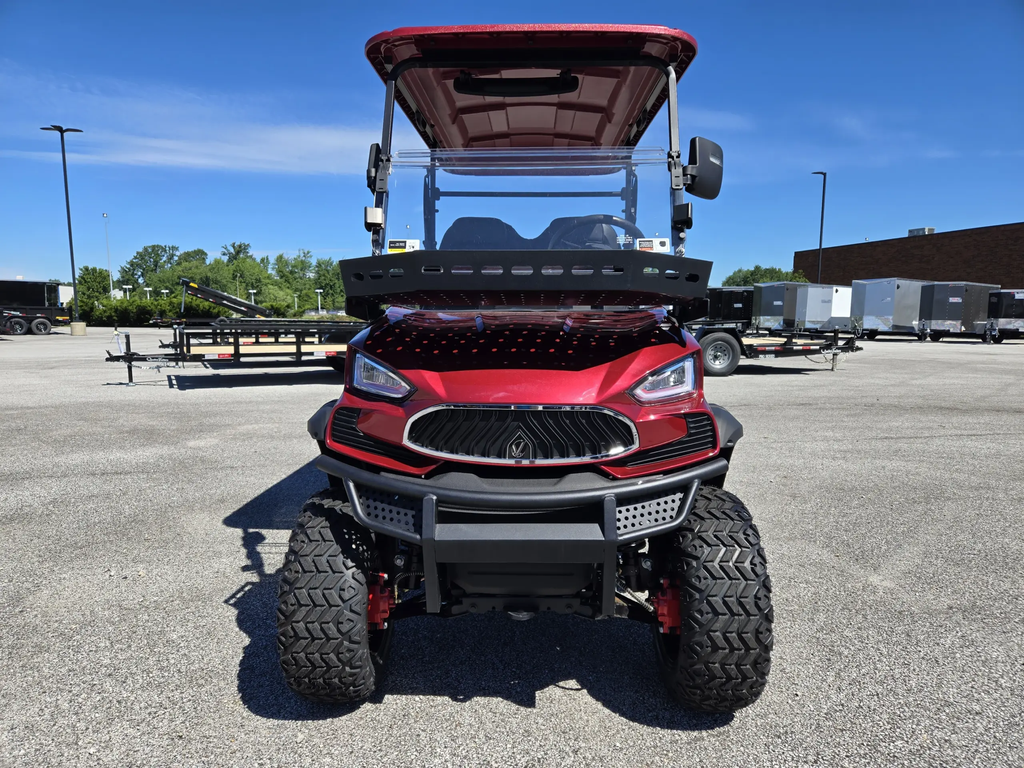
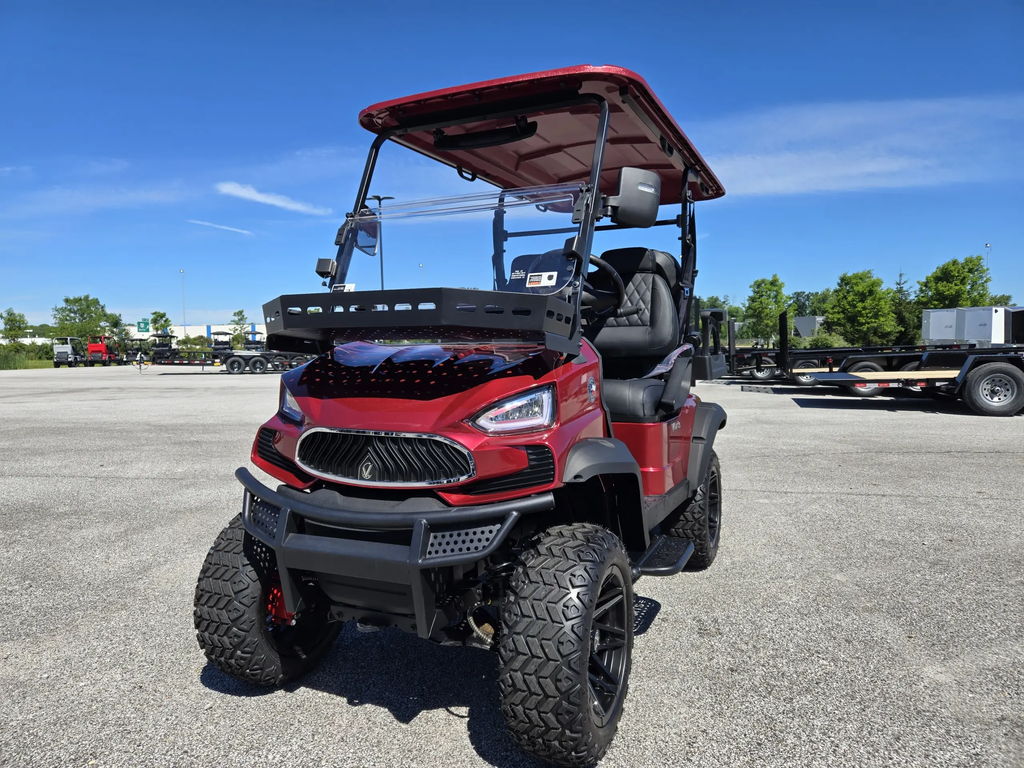
The first step in how to make golf cart street legal is making sure the vehicle has the required safety equipment. A standard course cart may have only basic headlights and a brake pedal, while a road-ready low-speed vehicle usually requires much more. Common equipment includes headlights, taillights, brake lights, turn signals, reflectors, mirrors, seat belts, a horn, and a windshield.
The National Highway Traffic Safety Administration explains that conventional golf carts with a maximum speed of 20 mph or less are generally not treated as motor vehicles under federal safety standards, while vehicles modified for public-road use can become subject to motor vehicle requirements. This distinction is important because simply adding accessories does not automatically make the cart legal. The complete vehicle must meet the requirements that apply to its classification and intended road use.
The Difference Between A Golf Cart And An LSV
Understanding vehicle classification is essential when learning how to make golf cart street legal. A conventional golf cart is usually intended for golf courses, private property, campgrounds, and controlled communities. A low-speed vehicle, or LSV, is designed for public-road operation within a limited speed range and must meet additional safety requirements.
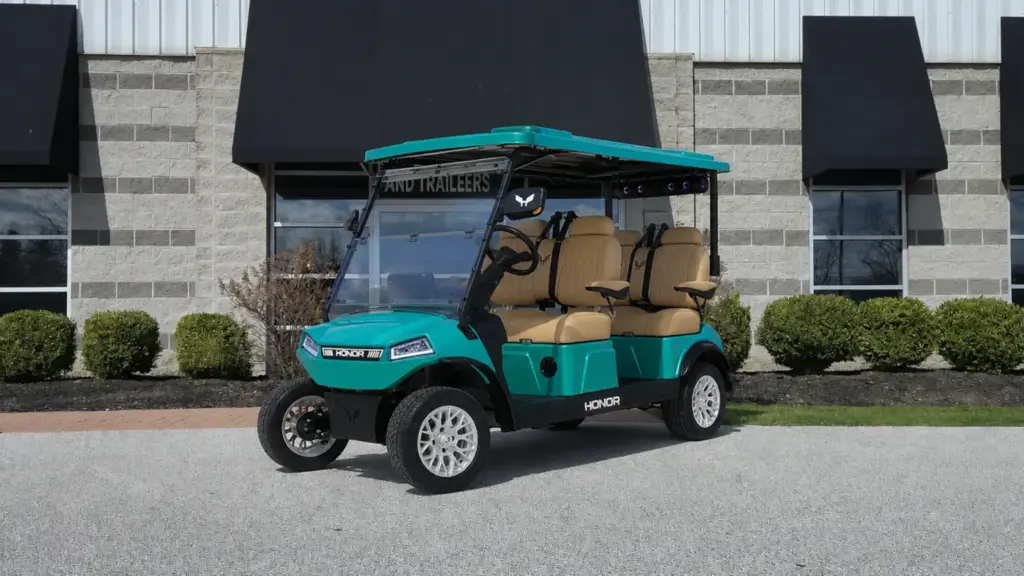
NHTSA has specifically distinguished traditional golf carts from motor vehicles intended for road use. Once a golf cart is modified for use on public roads, federal motor vehicle standards may become relevant. NHTSA Buyers who want a simpler route may prefer a factory-built street-oriented option such as the Honor LSV golf cart lineup, which is designed with road-use safety features already integrated. Starting with the correct vehicle classification can save time, money, and uncertainty compared with converting a basic course cart.
Add Required Lighting And Visibility Equipment
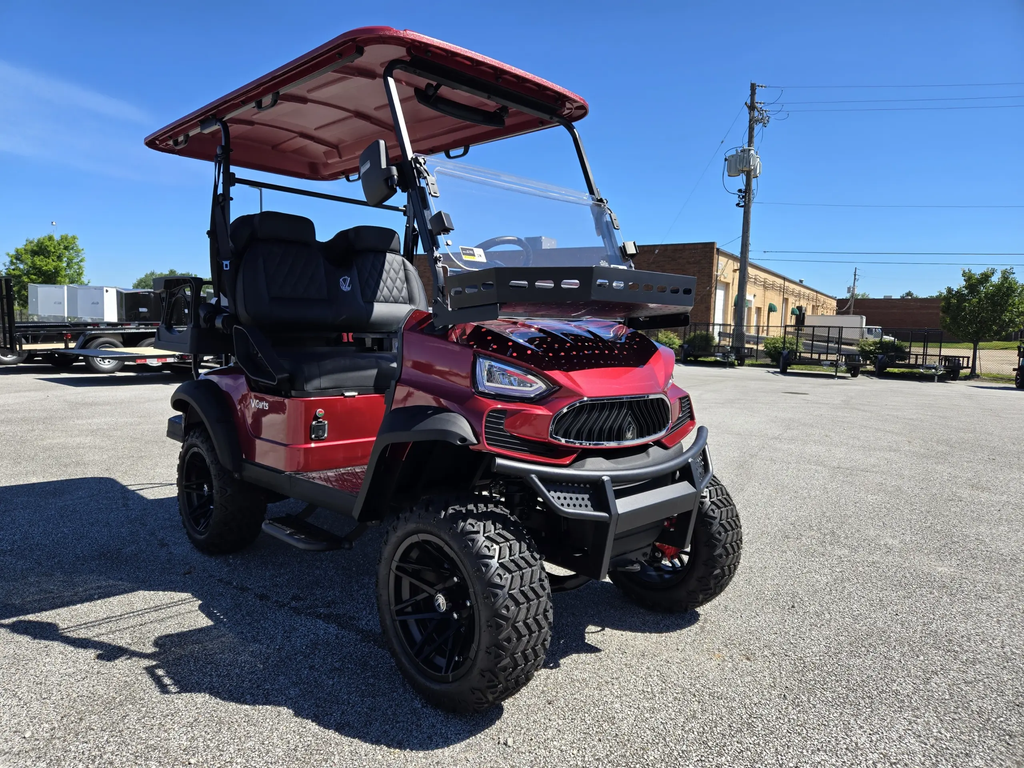
Lighting is one of the most important parts of how to make golf cart street legal because other drivers need to see the vehicle clearly in traffic. Headlights should provide enough forward visibility, while taillights and brake lights allow vehicles behind you to recognize your position and braking. Turn signals help communicate direction changes at intersections and during lane movements.
Reflectors and mirrors are also commonly required. Side mirrors and a rearview mirror improve awareness around the cart, while reflectors increase visibility in low-light conditions. A windshield may be required depending on local law and vehicle classification. However, owners should avoid installing random aftermarket parts without checking compatibility. Poorly wired lighting can create electrical problems, and components that do not meet required standards may still fail inspection. A properly installed system should work reliably without overloading the cart’s electrical system.
Install Seat Belts And Proper Passenger Protection
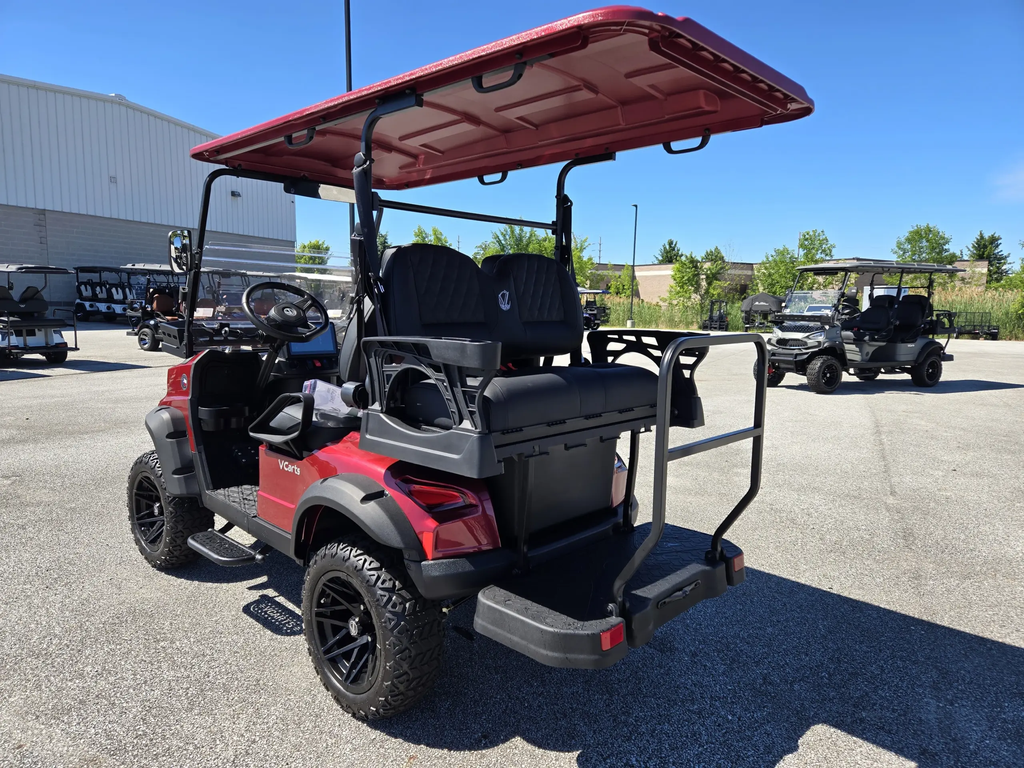
Seat belts are another major requirement when learning how to make golf cart street legal. Standard golf carts may not include belts from the factory because they were originally intended for controlled, low-speed environments. Public-road use changes the risk level because the cart may interact with cars, trucks, bicycles, and pedestrians at intersections and along neighborhood streets.
Seat belts should be installed using secure mounting points that can handle real restraint forces. Simply attaching belts to thin body panels is not enough. Passenger seating should also match the number of occupants the cart is designed to carry. Rear-facing seats, added benches, and aftermarket seating can affect vehicle balance and safety. Before using a modified cart on the road, verify that all passengers have appropriate seating and restraints. The goal is not only to pass a legal requirement but also to improve protection during sudden braking or a collision.
Check Title, Registration, Insurance, And License Requirements
Paperwork is just as important as equipment when considering how to make golf cart street legal. Depending on state and local rules, owners may need a title, registration, license plate, proof of insurance, and a valid driver’s license. Some golf carts do not originally come with traditional motor vehicle titles because they were never intended for public-road use.
Our guide on whether golf carts have a title explains how ownership documentation can differ between standard golf carts and street-oriented vehicles. Before investing in a conversion, check whether your existing cart can actually be registered in your area. A vehicle may have all the visible safety equipment but still fail to qualify if the required identification, ownership paperwork, or classification is missing. Confirming this first can prevent expensive upgrades that do not result in legal road use.
Make Sure The Cart Meets Speed Requirements
Speed is a major factor in how to make golf cart street legal because conventional golf carts and low-speed vehicles are treated differently. A standard golf cart may be limited to around 15 mph, while an LSV is typically built to operate within a higher but still restricted speed range. The vehicle must also remain suitable for the roads on which it will be driven.
Trying to increase speed without upgrading other systems can create safety problems. Brakes, steering, suspension, tires, and stability all need to work properly at the intended road speed. A cart that was designed for slow course use may not handle well after aggressive motor, controller, or tire modifications. Owners should also check the posted speed limits on local streets because some jurisdictions restrict LSVs and golf carts to roads below certain speed thresholds. More speed does not automatically mean more legal access.
Have The Golf Cart Inspected Before Road Use
A professional inspection can help identify problems that are easy to miss during a home conversion. When learning how to make golf cart street legal, owners often focus on visible parts such as lights and mirrors, but electrical condition, brakes, steering, tires, suspension, and wiring are just as important. A loose steering component or weak brake system can become a serious issue on public roads.
The Mentor Golf Carts & Trailers Service Department can help inspect golf carts, diagnose mechanical or electrical issues, and determine whether equipment needs attention before road-oriented use. An inspection does not replace state registration or legal approval, but it can help confirm that the cart itself is mechanically ready. This is especially useful for older carts or vehicles that have been heavily modified over time. Mechanical condition should always be addressed before focusing only on paperwork.
Confirm Local Road Rules Before You Drive
The final step in how to make golf cart street legal is checking the laws where you actually plan to drive. State law may establish the general vehicle classification, but cities, townships, counties, and private communities can impose additional restrictions. Some areas allow golf carts only on designated streets, while others require LSV registration or prohibit certain roads completely.
Local rules may also address operating hours, minimum driver age, passenger limits, insurance, inspection, and crossing higher-speed roads. Even a properly equipped and registered vehicle may not be allowed everywhere. Before driving, review current local ordinances and state motor vehicle requirements rather than relying on advice from another city or state. Laws can change, and enforcement can vary by location. Confirming the rules in advance is one of the most important parts of making a golf cart street legal and using it responsibly.