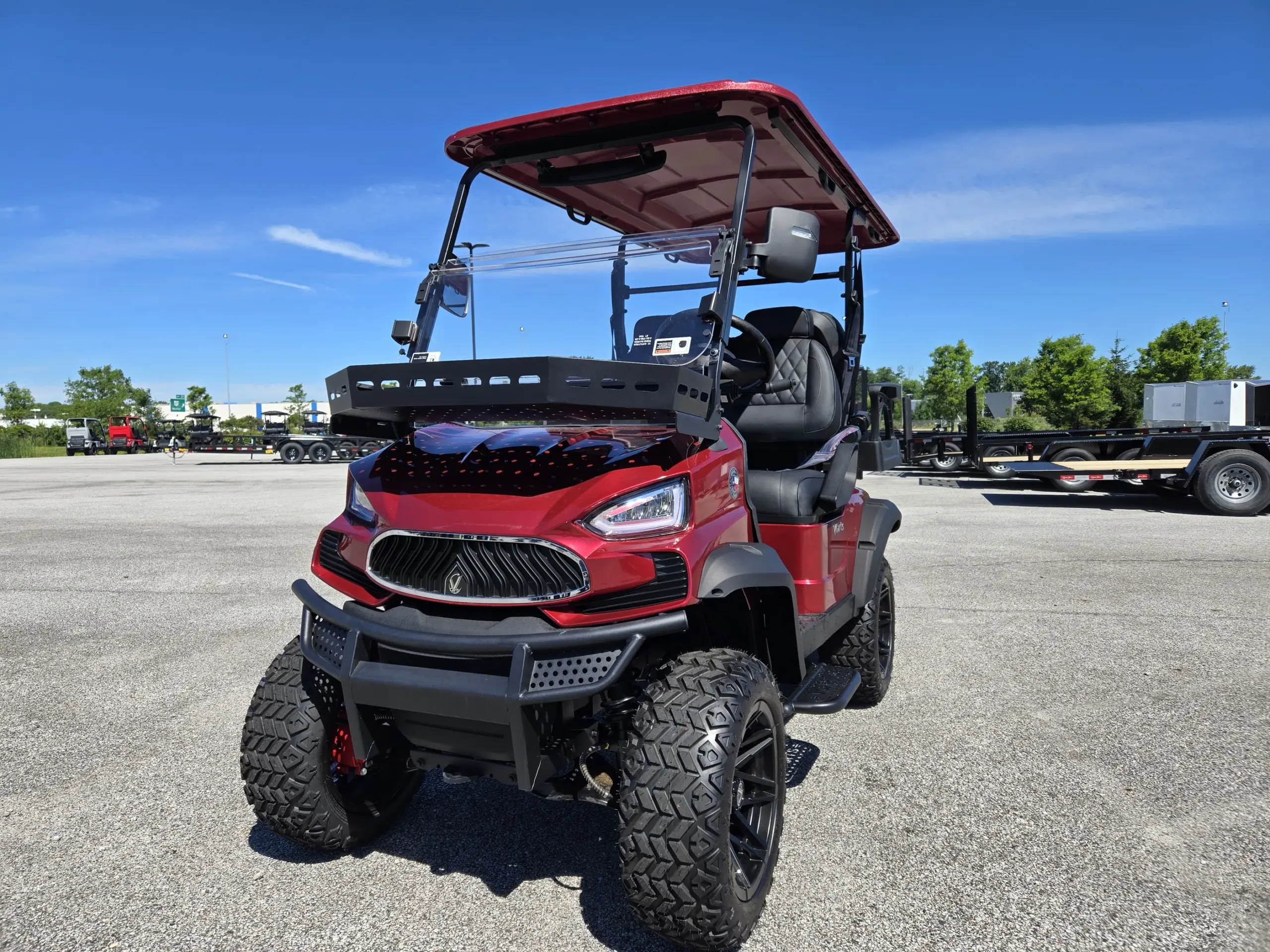
A golf car is a small motorized vehicle designed to carry golfers, passengers, and equipment over relatively short distances. Although people often use the terms “golf car” and “golf cart” interchangeably, “golf car” is commonly used within the industry for powered vehicles built for golf courses, resorts, communities, commercial properties, and personal transportation.
So, what is a golf car? It is typically a compact electric or gas-powered vehicle with two or more seats, a steering system, brakes, and space for passengers or cargo. Traditional golf cars usually travel at relatively low speeds and are designed primarily for controlled environments rather than highways.
Modern golf cars have expanded far beyond their original course-only role. Buyers can now choose two-passenger, four-passenger, six-passenger, lifted, utility, lithium-powered, and street-oriented models. Understanding what a golf car is also requires knowing how it differs from a low-speed vehicle, utility vehicle, and conventional passenger car.
Golf Car Design And Operation
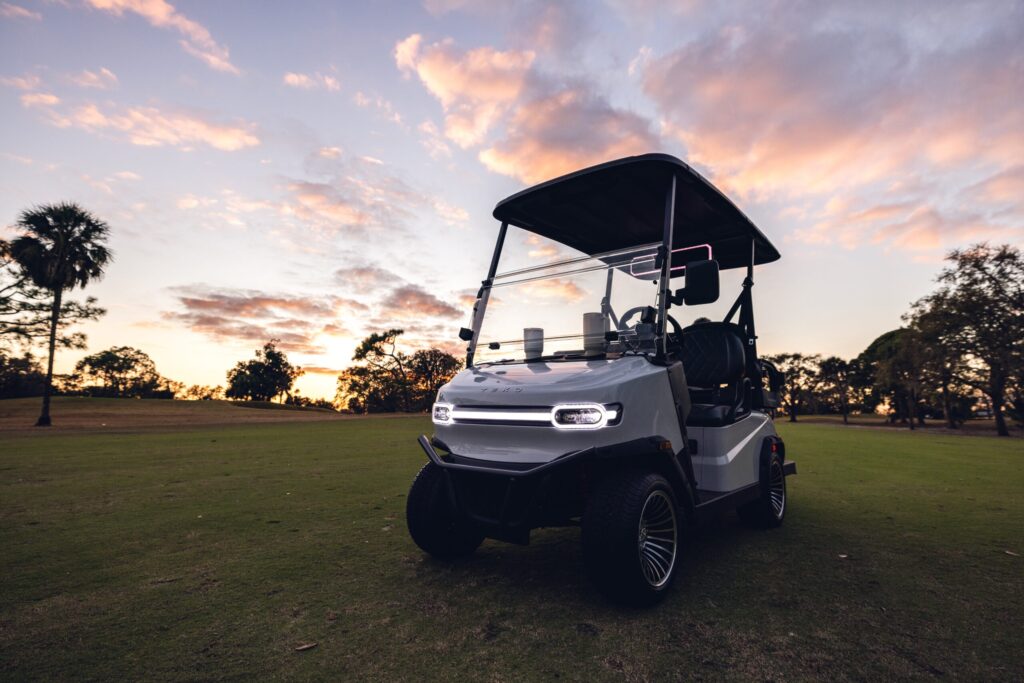
A golf car uses either an electric motor or a small gasoline engine to move passengers and equipment over short distances. Electric models use a battery pack, controller, motor, charger, and related electrical components. Gas models use an internal combustion engine, fuel system, transmission components, and other mechanical parts similar in concept to those found in larger vehicles.
Traditional golf cars were designed mainly for golf courses, where low speed, compact size, and easy maneuverability are more important than highway performance. NHTSA has noted that vehicles carrying golfers at low speeds may be referred to as either golf carts or golf cars. Modern versions now serve many additional purposes. Buyers can compare in-stock golf cars and carts with different seating arrangements, power systems, and equipment based on how the vehicle will actually be used.
The Meaning Behind The Golf Car Name
People frequently use “golf cart” because the term has become common in everyday conversation. However, “golf car” is also widely used within the industry because these vehicles are powered and driven rather than simply pushed or pulled like a traditional cart. Both terms normally describe the same general category of compact vehicle in casual use.
The distinction becomes more important when reading manufacturer specifications, regulations, or industry documents. NHTSA materials acknowledge that a low-speed vehicle designed to transport golfers can be called a golf cart or golf car. Therefore, someone asking what is a golf car should not assume it describes an entirely different machine from what most people call a golf cart. In many situations, the terms overlap. What matters more is the vehicle’s actual speed, equipment, power source, passenger capacity, and legal classification rather than which of the two names appears in a listing.
Common Uses Beyond Golf Courses
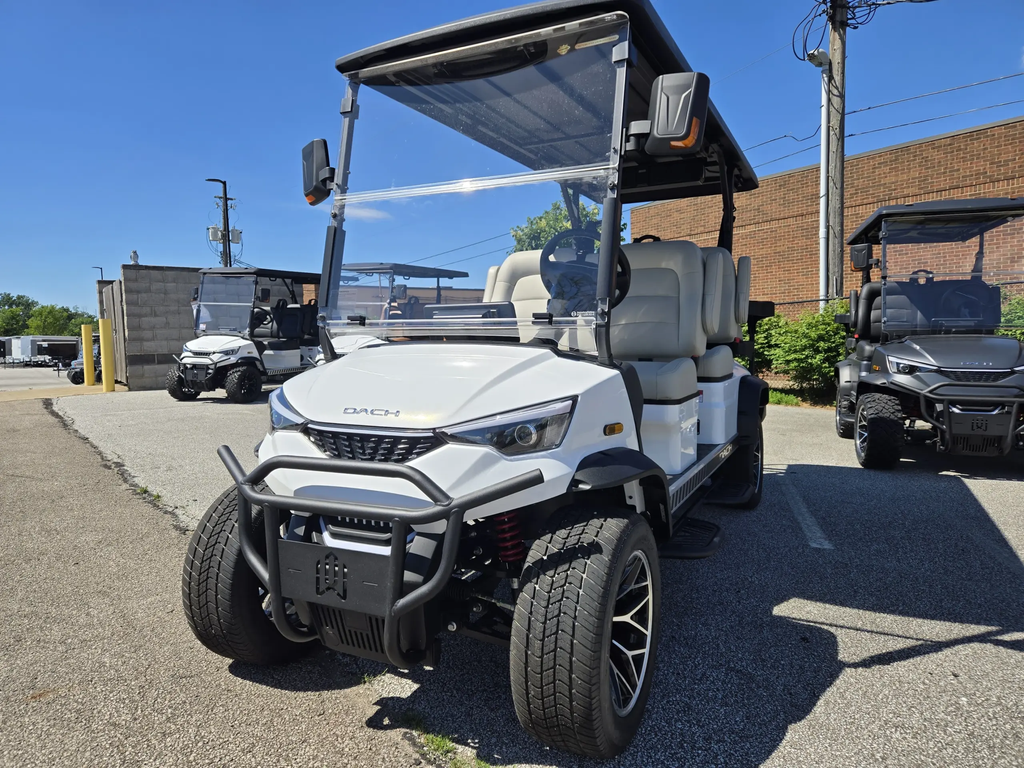
Golf cars are no longer limited to carrying players from one hole to another. Their compact dimensions and low operating speeds make them useful around campgrounds, resorts, farms, warehouses, airports, event venues, private communities, large residential properties, and commercial facilities. Four-passenger and six-passenger models can also provide convenient transportation for families or groups over short distances.
Utility versions may replace rear seating with cargo beds or other work-focused equipment. Lifted models can provide additional ground clearance for uneven private property, while neighborhood-oriented models may include windshields, mirrors, lights, turn signals, and other equipment. This variety is one reason the answer to what is a golf car has become broader over time. The basic concept remains a compact motorized vehicle, but the exact configuration can now be customized around recreation, passenger transportation, maintenance work, property management, or short-distance travel.
Electric And Gas Power Options
Golf cars can use either electric or gasoline power. Electric golf cars are especially common today because they operate quietly, require no gasoline, and have fewer engine-related maintenance items. Traditional electric models may use several lead-acid batteries connected together, while many newer golf cars use a single lithium battery system with an integrated battery management system.
Gas-powered golf cars use a small engine and can be convenient when long operating periods and quick refueling matter. However, they require fuel, oil changes, and other engine maintenance. When deciding what is a golf car best suited for your needs, power source should be considered alongside driving distance, terrain, maintenance preferences, and charging access. Electric models tend to be attractive for neighborhoods and properties where quiet operation matters, while gas models may still suit certain commercial or remote uses. Neither power source is automatically better for every owner.
Typical Golf Car Speeds
A traditional golf car is generally designed for low-speed operation. Many standard models travel somewhere around 12 to 20 mph, although exact speed depends on the motor, controller, gearing, tires, battery condition, engine setup, and manufacturer. Modified or specialized vehicles can travel faster, but speed can also change their legal classification.
This difference matters when explaining what is a golf car compared with a low-speed vehicle. NHTSA states that a conventional golf cart with a maximum speed capability of 20 mph or less is generally treated differently from a motor vehicle designed primarily for public-road use. Vehicles capable of more than 20 mph but no more than 25 mph can fall into the federal low-speed vehicle category when other requirements are met. Owners who want more detail about performance can also review our guide on how fast golf carts go.
Golf Cars Compared With LSVs
A golf car and a low-speed vehicle can look very similar, but they are not automatically the same thing. A conventional golf car is generally designed for golf courses, private property, or other controlled environments. A low-speed vehicle, or LSV, is a federally recognized motor vehicle category intended for limited road use and subject to specific safety requirements.
NHTSA defines an LSV as a motor vehicle with four or more wheels capable of more than 20 mph but not more than 25 mph. LSVs require equipment such as headlamps, stop lamps, turn signals, taillamps, reflectors, a parking brake, windshield, mirrors, seat belts, and a vehicle identification number. Therefore, understanding what is a golf car does not mean assuming every golf car is street legal. Vehicle classification, equipment, registration, insurance, and local road laws must all be considered separately.
Features Available On Modern Golf Cars
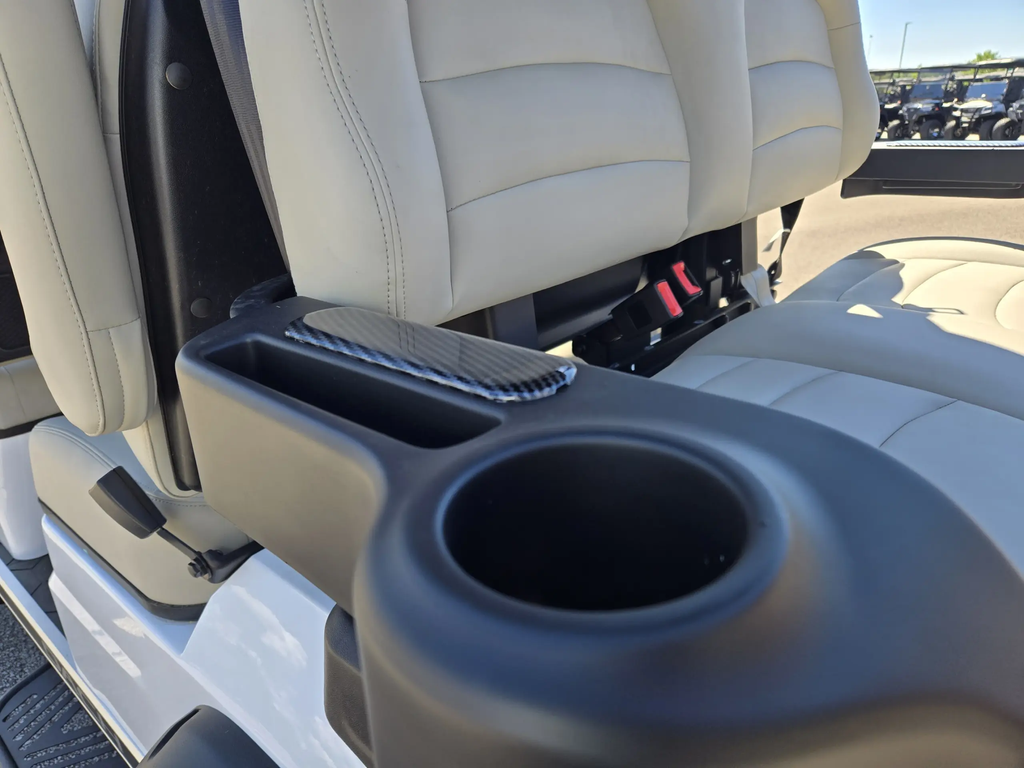
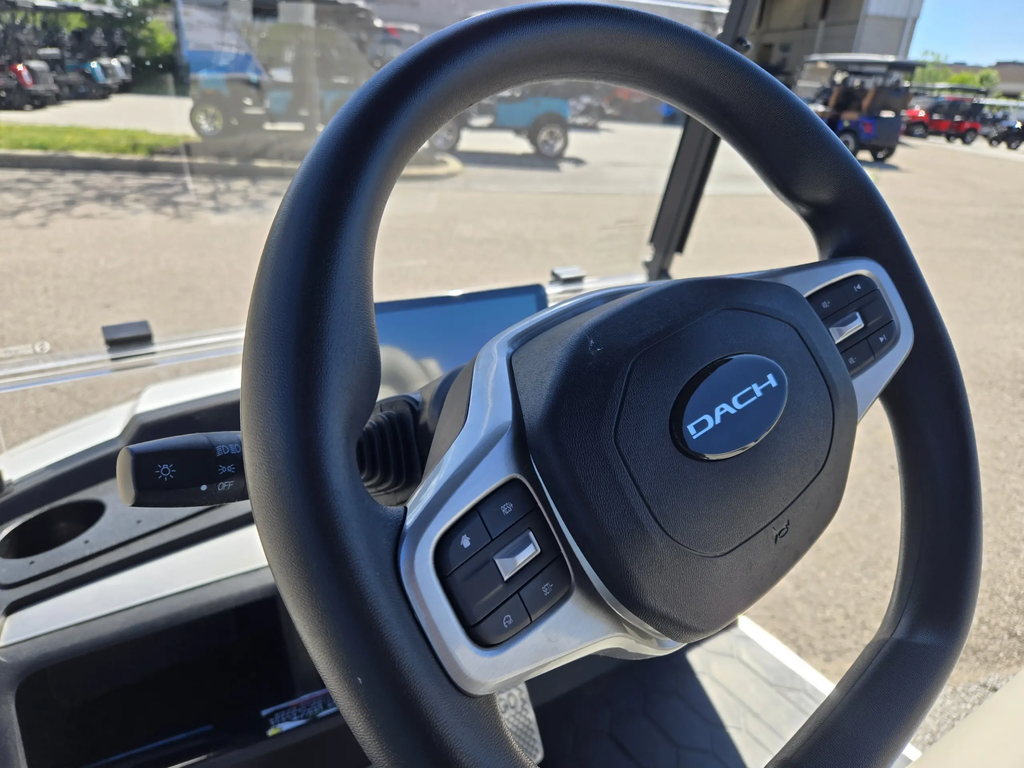
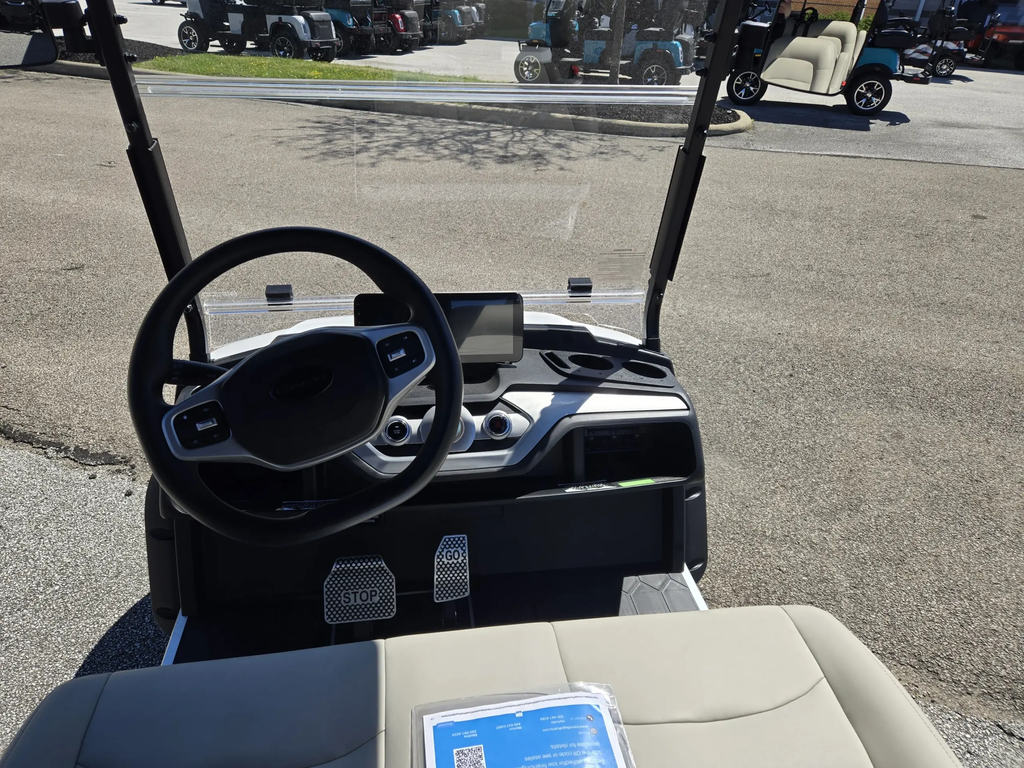
Modern golf cars can include far more equipment than traditional course models. Depending on the vehicle, buyers may find lithium batteries, digital displays, premium seats, rear-facing passenger seats, larger wheels, lift kits, windshields, mirrors, LED lighting, turn signals, storage areas, sound systems, USB charging ports, and upgraded suspension. Some models are designed primarily for recreation, while others focus on neighborhood transportation or utility work.
Passenger capacity is another major difference between models. Basic golf cars may seat two people, while larger versions can accommodate four, six, or more passengers. Buyers should therefore define their intended use before choosing features. Someone who only needs transportation around a small property may not need the same configuration as a family using the vehicle throughout a large community. When asking what is a golf car worth buying, the best answer depends less on appearance and more on battery range, seating, comfort, warranty, service support, and actual daily needs.
Conclusion
Start by deciding where the vehicle will be used. Golf course use, private-property transportation, neighborhood driving, and commercial work each create different requirements. Next, consider passenger capacity, typical driving distance, terrain, storage needs, battery preference, and whether road-oriented equipment is necessary. These factors will quickly narrow the available choices.
The answer to what is a golf car suitable for you also depends on long-term ownership costs. Battery replacement, charging, maintenance, tires, accessories, and service should be considered alongside the purchase price. A less expensive cart may not provide better value if it requires immediate upgrades to meet your needs. Mentor Golf Carts & Trailers offers golf cars in multiple sizes and configurations for customers comparing recreational, passenger, and transportation options. Choosing a model around actual use usually produces better value than selecting one based only on appearance or maximum speed.