
While trailer size and hauling capacity get most of the attention, trailer weight is one of the most important factors buyers should never ignore. That is exactly why people search how much do utility trailers weigh before buying a trailer, towing equipment, or matching a trailer to their vehicle’s towing capacity. Utility trailers can weigh anywhere from a few hundred pounds to several thousand pounds, depending on size, axle configuration, frame material, and intended use. Lightweight single-axle utility trailers are much easier to tow and maneuver, while larger heavy-duty trailers require stronger tow vehicles and more careful weight planning. Understanding how much do utility trailers weigh helps owners avoid unsafe towing conditions, overloaded vehicles, braking problems, and expensive transportation mistakes.
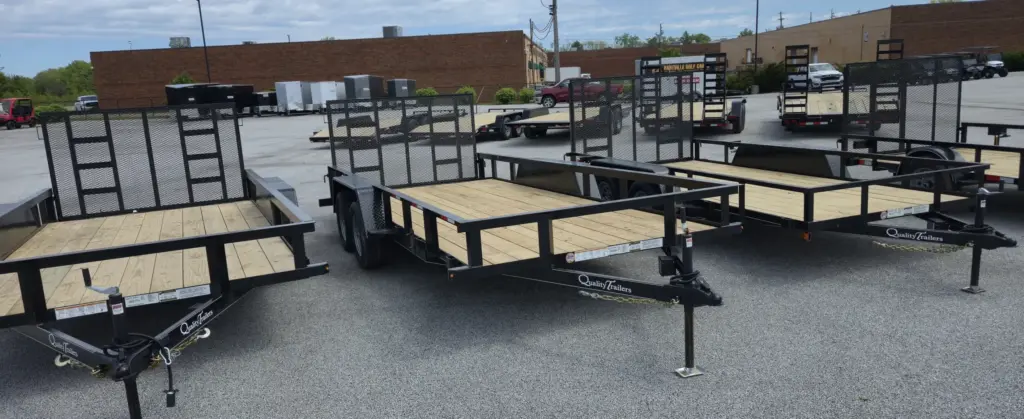
Trailer Size Has A Huge Impact On Weight
The biggest factor affecting how much do utility trailers weigh is overall trailer size. Small utility trailers designed for lawn equipment, motorcycles, or light cargo are usually much lighter than larger trailers built for side-by-sides, golf carts, construction equipment, or commercial hauling. Longer trailers require larger steel frames, heavier flooring materials, stronger suspension systems, and larger axles, all of which increase total weight significantly. Buyers shopping for compact hauling setups often compare options like the 4×6 RC Trailers Enclosed Cargo when evaluating smaller trailer sizes designed for lighter cargo transportation and easier towing. Choosing the right trailer size is important because unnecessary trailer weight reduces towing efficiency and increases fuel consumption.
Single Axle And Tandem Axle Trailers Differ Greatly
Another major reason people search how much do utility trailers weigh is that axle configuration changes trailer weight considerably. Single-axle utility trailers are usually lighter, easier to maneuver, and more affordable because they use fewer suspension and wheel components. Tandem-axle trailers weigh much more because they include additional axles, brakes, tires, and stronger support systems designed for heavier loads. While tandem trailers increase towing stability and hauling capacity, they also require more powerful towing vehicles and stronger braking capability. Buyers should always compare trailer weight against vehicle towing limits before purchasing larger tandem-axle setups.
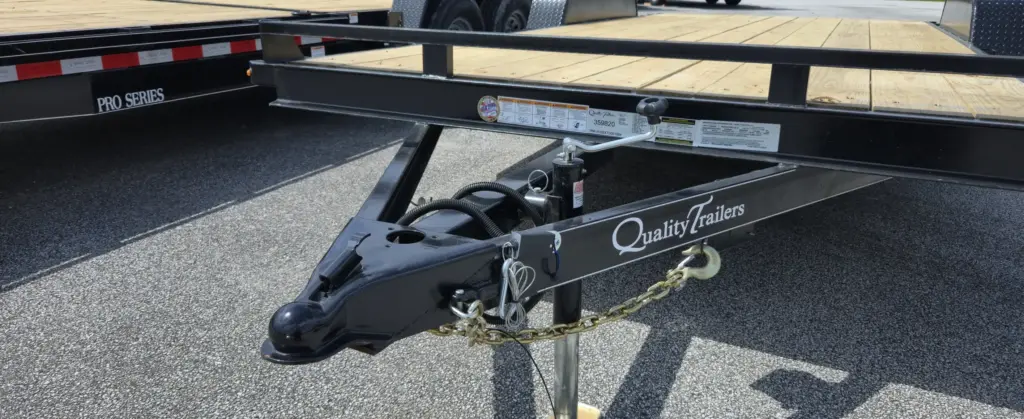
Steel And Aluminum Trailers Have Different Weights
One overlooked factor tied to how much do utility trailers weigh is the construction material. Steel trailers are extremely common because they are durable and generally more affordable, but they weigh significantly more than aluminum trailers. Aluminum utility trailers cost more initially, but their lighter weight can improve fuel economy and reduce strain on towing vehicles over time. Buyers who tow frequently sometimes prefer aluminum trailers because the lower overall weight makes highway towing easier and improves maneuverability. Construction material plays a major role in both trailer durability and towing experience.
Average Utility Trailer Weights
Many buyers researching how much do utility trailers weigh want simple comparisons before choosing a trailer size. The table below highlights common utility trailer categories and average empty trailer weights.
| Trailer Type | Average Empty Weight |
|---|---|
| Small Utility Trailer | 400-1,000 Pounds |
| Single Axle Utility Trailer | 800-1,500 Pounds |
| Tandem Axle Utility Trailer | 1,500-3,000 Pounds |
| Enclosed Utility Trailer | 1,000-4,000 Pounds |
| Heavy Equipment Trailer | 3,000-7,000+ Pounds |
Actual trailer weight varies depending on dimensions, flooring material, suspension setup, axle size, and manufacturer design.
Trailer owners researching safe towing practices and vehicle weight limits often review recommendations from the National Highway Traffic Safety Administration when learning about trailer safety, braking systems, and towing capacity requirements.
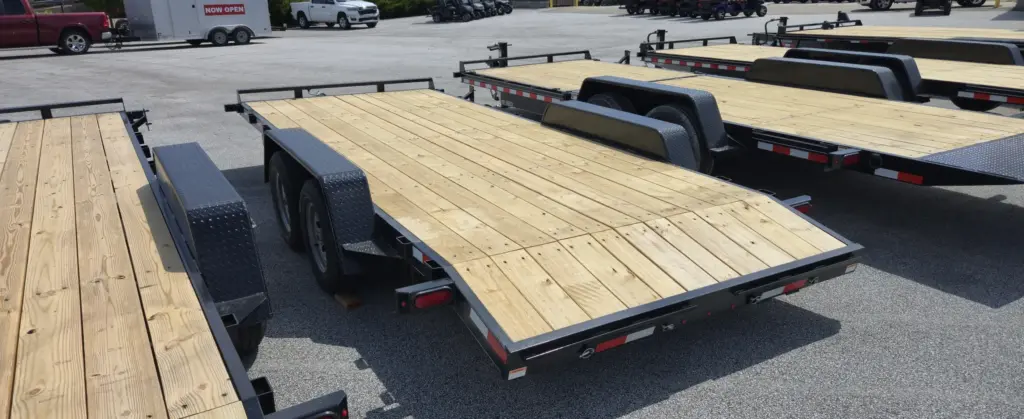
Cargo Weight Must Be Added To Trailer Weight
Another important factor connected to how much do utility trailers weigh is the total loaded trailer weight. Many owners make the mistake of calculating only the cargo weight while forgetting to include the trailer itself. For example, a utility trailer carrying a golf cart, lawn equipment, side-by-side, or construction materials may become significantly heavier once fuel, tools, and accessories are added. Total towing weight always includes both trailer weight and cargo weight combined. Exceeding towing limits can create dangerous braking problems, suspension strain, tire failures, and poor highway stability.
Towing Vehicle Capability Matters A Lot
One major reason buyers search how much do utility trailers weigh is that not every vehicle can safely tow larger utility trailers. Small SUVs, crossovers, and compact trucks may handle lightweight utility trailers comfortably but struggle with heavier tandem-axle or enclosed setups. Buyers should always verify towing capacity, hitch ratings, suspension capability, and braking requirements before purchasing a trailer. Matching trailer weight properly to the towing vehicle improves stability, braking performance, and overall driving safety significantly.
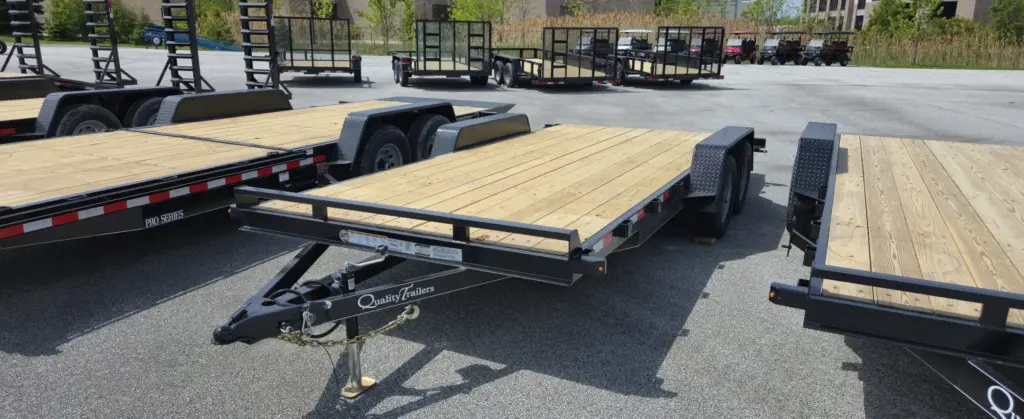
Enclosed Utility Trailers Weigh Much More
Enclosed utility trailers often surprise buyers because walls, roofing systems, reinforced doors, and enclosed frames increase trailer weight substantially compared to open utility trailers. Owners who want cargo protection, weather resistance, and additional security often accept the extra weight because enclosed trailers provide better long-term storage and transportation protection. Buyers researching enclosed hauling solutions frequently compare setups like the 7×12 RC Trailers Enclosed Cargo when evaluating trailer weight, cargo space, and secure transportation for recreational vehicles or equipment. Understanding enclosed trailer weight early helps buyers avoid towing mismatches later.
Heavier Trailers Usually Require Trailer Brakes
Another overlooked issue related to how much do utility trailers weigh is braking requirements. Many states require trailer brakes once trailers exceed certain weight limits. Larger trailers carrying heavy cargo place significant strain on the tow vehicle’s braking system, especially during highway driving or downhill towing. Trailer brakes improve stopping distance, stability, and towing safety dramatically when hauling heavier loads. Buyers should research local towing laws carefully before purchasing larger trailers or hauling heavier equipment.
Choosing The Right Trailer Weight Matters
Many buyers searching how much do utility trailers weigh eventually realize that choosing the lightest or heaviest trailer is not always the best decision. Lightweight trailers are easier to tow and store, but heavier-duty trailers may provide better stability and cargo support for demanding hauling jobs. Buyers should focus on realistic cargo needs, towing capacity, storage space, and intended driving conditions before selecting a trailer. Matching trailer weight properly to actual usage usually creates a safer and more comfortable long-term towing experience.
Conclusion
The answer to how much do utility trailers weigh depends heavily on trailer size, axle configuration, construction material, and intended hauling purpose. Small utility trailers may weigh only a few hundred pounds, while larger enclosed or tandem-axle trailers can weigh several thousand pounds before cargo is even added. Buyers who carefully calculate both trailer weight and total loaded towing weight usually avoid unsafe towing conditions and expensive vehicle strain later. Understanding trailer weight is one of the most important parts of choosing the correct hauling setup for long-term safety and reliability. Anyone looking for trailer inventory, towing solutions, or hauling guidance can contact Mentor Golf Carts & Trailers for additional information and available trailer options.