
A trailer tire may still have good-looking tread, but age-related deterioration is often the real reason trailer tires fail unexpectedly. That is one of the biggest reasons people search how long are trailer tires good for before taking long road trips or hauling expensive cargo. In most cases, trailer tires are considered reliable for about 3 to 6 years, depending on storage conditions, driving habits, tire quality, weather exposure, and maintenance. Even lightly used trailer tires can become unsafe over time because sunlight, moisture, heat, and long periods of sitting slowly weaken the rubber internally. Understanding how long are trailer tires good for can help owners avoid dangerous blowouts, expensive roadside repairs, and unsafe towing situations.
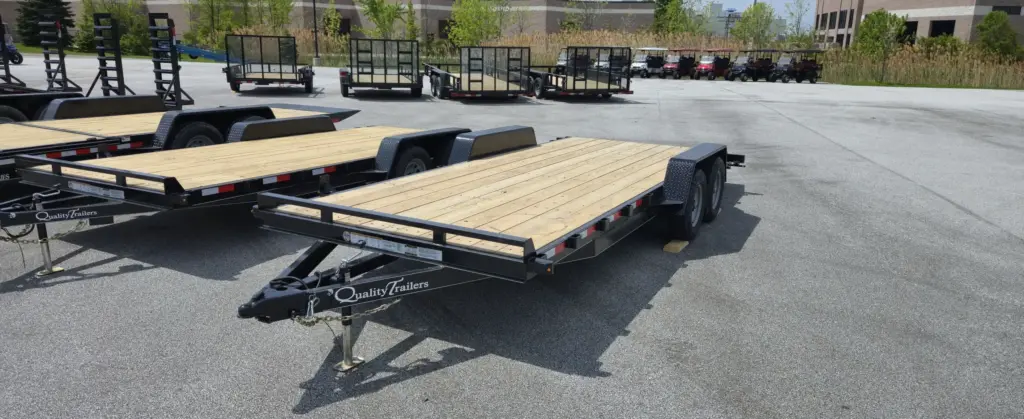
Trailer Tires Age Faster Than Many Drivers Expect
One major reason owners search how long are trailer tires good for is because trailer tires often wear differently than passenger vehicle tires. Many trailers spend long periods parked outdoors without moving, which allows sunlight, moisture, and temperature changes to slowly damage the rubber. Tires may still appear to have healthy tread depth while internal cracking and sidewall deterioration are already developing underneath. Unlike everyday vehicle tires that flex and rotate regularly, trailer tires sometimes remain stationary for months at a time, which accelerates aging in certain areas. Owners hauling enclosed cargo or recreational equipment often compare trailers like the 7×12 RC Trailers Enclosed Cargo when planning safer long-distance towing setups that require reliable trailer tires and proper maintenance.
Most Experts Recommend Replacing Tires Every Few Years
Another important reason people search how long are trailer tires good for is that age recommendations vary depending on tire condition and usage. Many tire experts recommend replacing trailer tires around every 3 to 6 years, regardless of remaining tread depth. Heavy towing, hot climates, overloading, and poor storage conditions can shorten tire lifespan even further. Some trailer owners rarely use their trailers and assume low mileage means the tires remain safe indefinitely, but rubber compounds continue aging even when the trailer is parked. Replacing aging trailer tires early often costs far less than dealing with highway blowouts or trailer damage later.
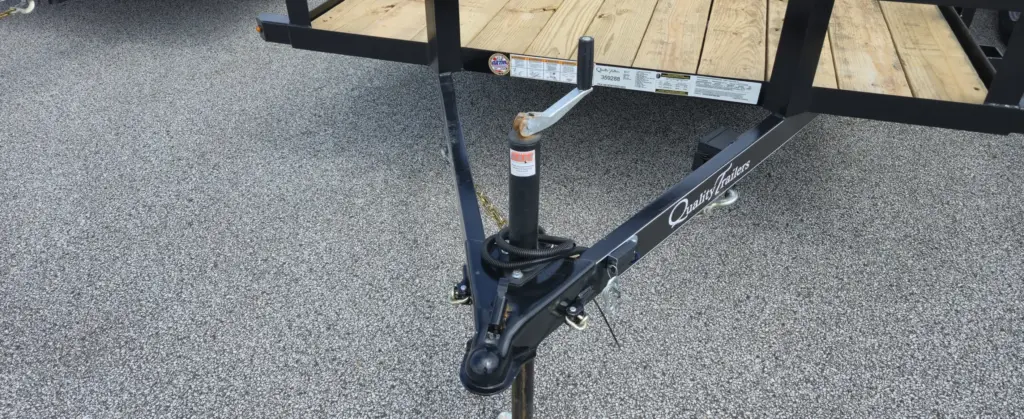
Sunlight And Weather Cause Major Tire Damage
One overlooked factor tied to how long are trailer tires good for is UV exposure. Sunlight slowly dries out trailer tires, causing sidewalls to crack and rubber compounds to weaken over time. Heat, freezing temperatures, humidity, and rain exposure also accelerate tire aging significantly. Trailers stored outdoors year-round usually experience much faster tire deterioration than trailers parked inside garages or covered storage areas. Tire covers can help reduce UV damage and improve overall tire lifespan. Proper storage habits often make a major difference in how long trailer tires remain safe for towing.
Common Signs Trailer Tires Need Replacement
Many owners researching how long are trailer tires good for also want to know when replacement becomes necessary. The table below highlights common warning signs that trailer tires may no longer be safe.
| Warning Sign | Why It Matters |
|---|---|
| Sidewall Cracks | Indicates aging and weakened rubber |
| Uneven Wear | May signal alignment or suspension issues |
| Bulges Or Blisters | Possible internal tire damage |
| Dry Rot | Rubber deterioration from aging |
| Frequent Air Loss | Potential structural tire weakness |
Inspecting trailer tires regularly helps owners identify these warning signs before dangerous towing situations develop.
Trailer owners researching safe towing practices often review tire safety recommendations from the National Highway Traffic Safety Administration when learning about tire inspections, blowout prevention, and safe towing maintenance.
Trailer Weight Strongly Affects Tire Lifespan
Another major factor connected to how long are trailer tires good for is total trailer weight. Overloaded trailers place excessive stress on tire sidewalls and generate additional heat during towing. Excess heat is one of the leading causes of trailer tire failure because it weakens internal tire construction over time. Owners hauling heavy equipment, golf carts, side-by-sides, or construction materials should always verify tire load ratings carefully before towing. Matching tire capacity to actual trailer weight is extremely important for both safety and long-term tire durability.
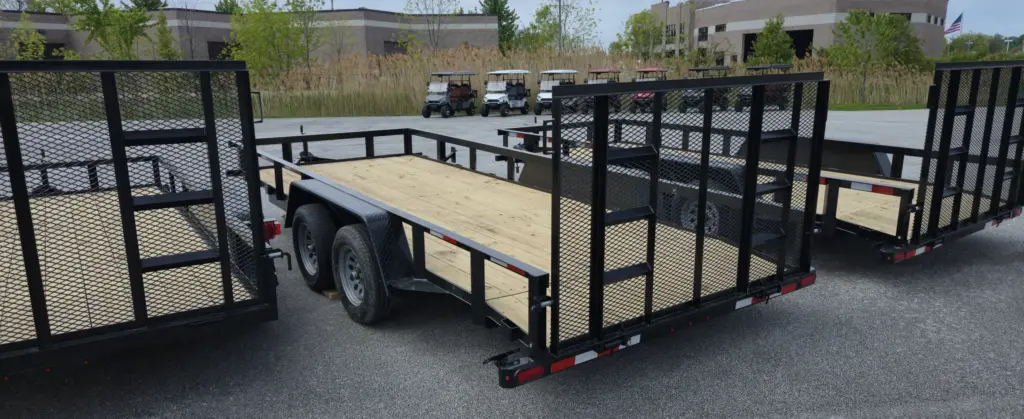
Proper Tire Pressure Helps Tires Last Longer
One of the simplest ways to improve trailer tire lifespan is to maintain proper air pressure consistently. Underinflated tires flex excessively while towing, which creates dangerous heat buildup and accelerates internal tire wear. Overinflated tires can also wear unevenly and reduce towing stability. Trailer owners should check tire pressure regularly before trips instead of assuming tires remain properly inflated while parked. Maintaining recommended pressure levels helps improve towing safety, tire life, and overall trailer handling performance significantly.
Long Distance Towing Creates Additional Stress
The answer to how long are trailer tires good for also depends heavily on towing frequency and travel distance. Trailers used regularly for long highway trips usually place much more stress on tires compared to short local hauling. Highway speeds generate significant heat buildup inside trailer tires, especially during hot summer weather. Frequent towing over rough roads or uneven terrain also increases wear on both tires and suspension components. Owners planning long-distance hauling should inspect tires carefully before major trips and replace questionable tires early whenever possible.
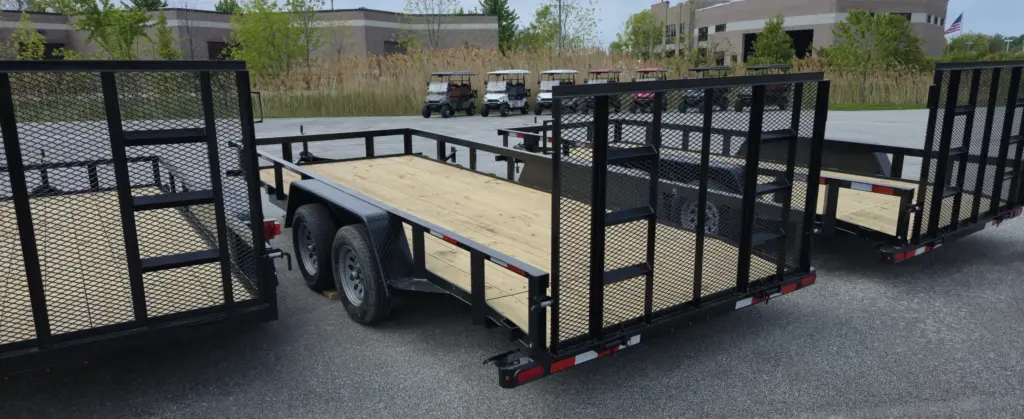
Quality Trailer Tires Often Last Longer
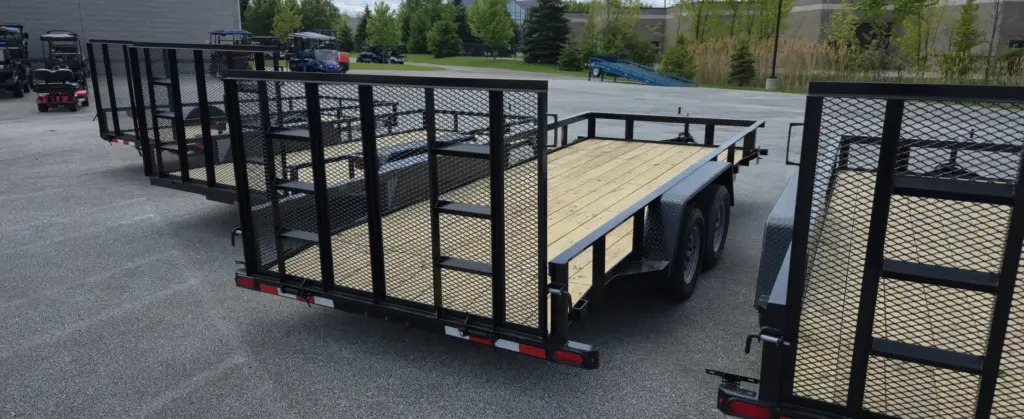
Another important factor influencing how long are trailer tires good for is tire quality itself. Premium trailer tires built specifically for towing applications often provide stronger sidewalls, better heat resistance, and improved durability compared to lower-cost alternatives. Buyers researching trailer reliability frequently compare hauling setups like the Quality Trailers 82×22 Split Tilt Fender Equipment Trailer when evaluating long-term towing durability and transportation safety for heavier cargo loads. Investing in higher-quality tires often reduces blowout risk and improves long-term towing confidence significantly.
Preventative Maintenance Saves Money Long Term
Many owners searching how long are trailer tires good for eventually realize that preventative maintenance is much cheaper than dealing with tire failures on the highway. Regular inspections, proper tire pressure, balanced loading, covered storage, and early replacement schedules all help reduce the risk of expensive roadside problems. Waiting until trailer tires visibly fail often creates dangerous towing conditions and may damage trailers or cargo during blowouts. Simple tire maintenance habits can dramatically improve both safety and long-term ownership costs.
Conclusion
The average answer to how long are trailer tires good for is usually around 3 to 6 years depending on tire quality, storage conditions, towing habits, and overall maintenance. Trailer tires often fail from aging and weather exposure long before the tread appears fully worn out. Owners who inspect tires regularly, maintain proper air pressure, avoid overloading, and replace aging tires early usually experience much safer towing conditions and fewer roadside failures. Proper tire maintenance also helps protect expensive trailers, cargo, and towing vehicles from unnecessary damage. Anyone looking for trailer inventory, towing solutions, or hauling guidance can contact Mentor Golf Carts & Trailers for additional information and available trailer options.