
Many golf cart owners plug in their cart expecting a quick recharge, only to realize charging time can vary dramatically depending on battery type, charger size, and battery condition. That confusion is exactly why people search how long does a golf cart take to charge before buying a golf cart or replacing batteries. In most cases, a golf cart takes between 4 and 12 hours to fully charge, depending on whether it uses lithium or lead-acid batteries. Smaller battery packs may charge faster, while older or heavily discharged batteries often require much more time. Understanding how long does a golf cart take to charge helps owners plan driving schedules properly while avoiding battery damage and unnecessary charging problems.
Battery Type Has The Biggest Impact On Charging Time
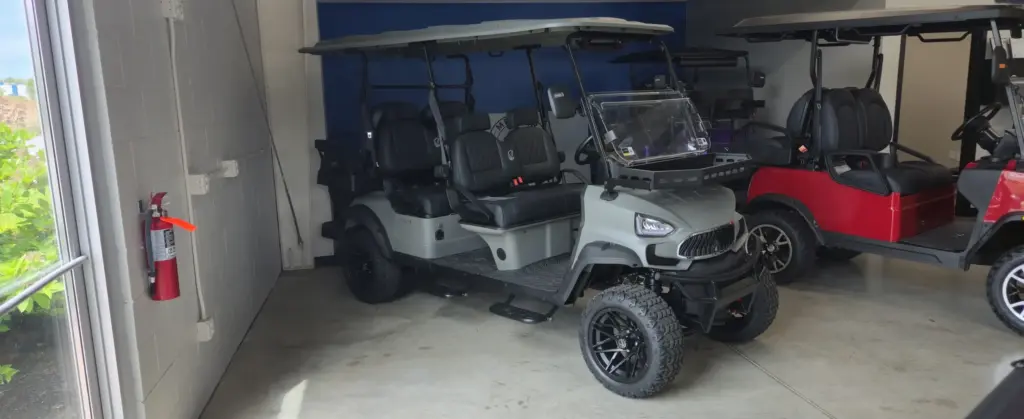
The most important factor affecting how long does a golf cart take to charge is battery type. Traditional lead-acid batteries usually take much longer to recharge compared to modern lithium battery systems. Lead-acid batteries commonly require overnight charging because they charge more slowly and need additional balancing time near full capacity. Lithium batteries charge significantly faster while also maintaining more consistent performance throughout the charging cycle. Buyers researching modern electric transportation often compare models like the Whisper W3 when evaluating lithium-powered golf carts designed for faster charging and smoother neighborhood driving performance.
Most Lead Acid Golf Carts Need Overnight Charging
Another major reason people search how long does a golf cart take to charge is that many older golf carts still use lead-acid batteries. These batteries typically require between 8 and 12 hours for a full recharge, depending on battery size and discharge level. Deeply discharged lead-acid batteries may take even longer because the charger gradually slows charging near completion to protect battery health. Owners who regularly allow batteries to drain completely often experience slower charging and reduced battery lifespan over time. Proper charging habits are extremely important for maintaining healthy lead-acid battery performance.
Lithium Golf Cart Batteries Charge Much Faster
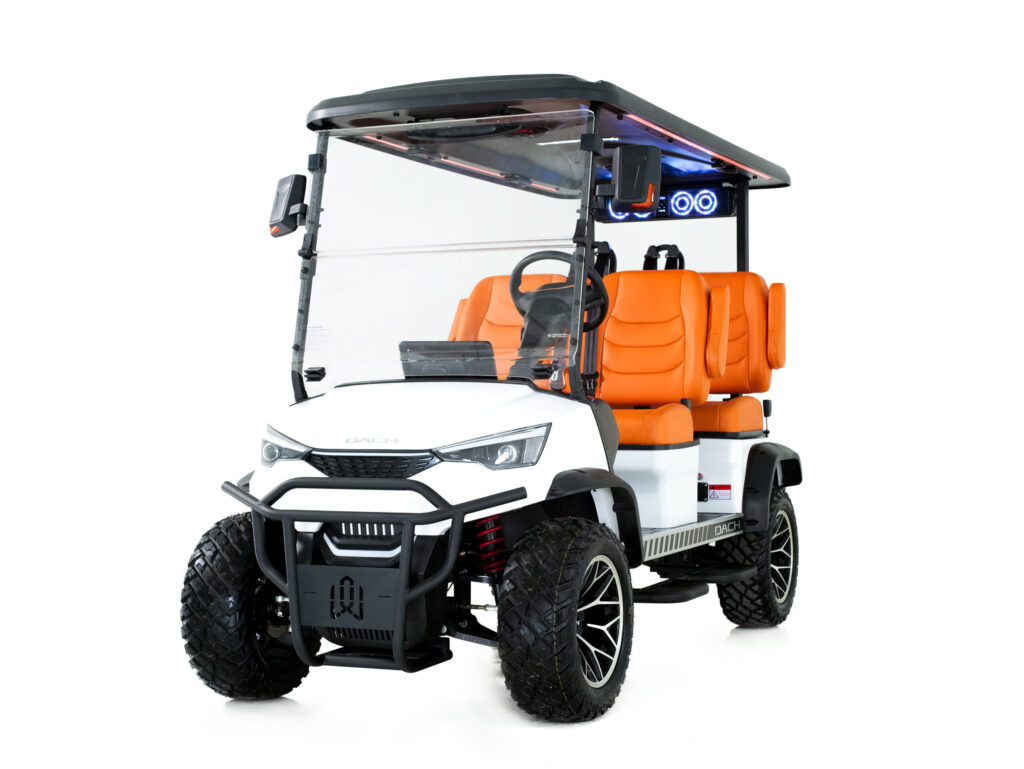
One major reason lithium golf carts continue growing in popularity is reduced charging time. Buyers researching how long does a golf cart take to charge are often surprised that lithium systems can sometimes recharge fully in as little as 2 to 5 hours, depending on charger size and battery capacity. Lithium batteries also maintain a stronger voltage throughout charging, which improves efficiency significantly. Many owners prefer lithium systems because shorter charging times allow more flexibility for daily driving, campground transportation, neighborhood trips, and recreational use.
Average Golf Cart Charging Times
Many owners searching how long does a golf cart take to charge want simple comparisons between battery systems before purchasing a golf cart. The table below highlights common charging ranges.
| Battery Type | Typical Charging Time |
|---|---|
| Lead-Acid Batteries | 8-12 Hours |
| Lithium Batteries | 2-5 Hours |
| Partially Discharged Batteries | 3-6 Hours |
| Deeply Discharged Batteries | 10+ Hours Possible |
Actual charging time depends on battery size, charger quality, discharge level, and overall battery condition.
Golf cart owners researching electric battery systems often review information from the U.S. Department of Energy when learning about battery charging technology, lithium systems, and electric vehicle efficiency.
Battery Condition Affects Charging Speed
One overlooked factor tied to how long does a golf cart take to charge is battery health itself. Older batteries usually charge more slowly because they lose efficiency and capacity over time. Weak batteries may also struggle to hold a full charge even after long charging sessions. Corroded terminals, damaged cables, and neglected maintenance can further reduce charging efficiency significantly. Owners who maintain clean battery connections and follow proper charging habits usually experience better charging performance and longer battery lifespan overall.
Charger Quality Makes A Big Difference
Another major factor affecting how long does a golf cart take to charge is charger capability. High-quality chargers deliver power more efficiently while monitoring battery temperature and charging levels carefully. Some older or lower-powered chargers may recharge batteries very slowly compared to modern smart chargers. Using the wrong charger type may also damage batteries or reduce long-term battery performance. Buyers should always use chargers designed specifically for their battery system and voltage setup.
Charging Habits Affect Battery Lifespan
Many owners searching how long does a golf cart take to charge eventually realize charging habits strongly influence long-term battery health. Frequently draining batteries completely before recharging often shortens battery lifespan, especially with lead-acid systems. Most experts recommend charging golf carts regularly instead of waiting until batteries are nearly empty. Owners researching battery maintenance frequently review guides like How To Charge Golf Cart Batteries to better understand safe charging practices and long-term battery care.
Weather Conditions Can Change Charging Performance
Temperature also plays a surprisingly important role in charging speed. Extremely cold weather may slow battery charging significantly because chemical reactions inside the batteries become less efficient. Excessive heat can also affect charging performance and battery lifespan negatively over time. Golf carts stored inside climate-controlled garages usually maintain healthier battery performance compared to carts left outdoors year-round in extreme weather conditions. Proper storage can improve both charging efficiency and long-term reliability.
Fast Charging Is Not Always Better
Some buyers focus heavily on reducing charging time as much as possible, but charging too aggressively may create unnecessary heat and battery stress. Modern lithium systems handle faster charging much better than older lead-acid batteries, but balanced charging practices still remain important for preserving battery lifespan. Owners should focus on long-term battery health instead of chasing the absolute fastest charging times available. Proper maintenance and smart charging habits usually matter more over the years of ownership.
Conclusion
The answer to how long does a golf cart take to charge depends mostly on battery type, charger quality, battery condition, and discharge level. Lead-acid golf carts often require 8 to 12 hours for full charging, while lithium battery systems may recharge much faster in only a few hours. Proper charging habits, battery maintenance, and quality chargers all help improve charging efficiency and long-term battery performance. Owners who understand these factors usually experience fewer charging problems and longer battery lifespan overall. Anyone looking for modern electric golf carts, lithium-powered transportation, or battery guidance can contact Mentor Golf Carts & Trailers for additional information and available inventory.