
Many people assume golf carts are slow recreational vehicles designed only for golf courses, but modern golf carts can actually travel much faster than most buyers expect. That surprise is exactly why people search how fast can golf carts go before purchasing one for neighborhoods, campgrounds, recreational driving, or street-legal transportation. Standard golf carts usually travel between 12 and 20 miles per hour from the factory, while upgraded or modified carts can sometimes exceed 25 miles per hour, depending on battery systems, engine power, tire size, and local regulations. However, actual speed depends heavily on terrain, passenger load, maintenance, and vehicle setup. Understanding how fast can golf carts go helps buyers choose the right cart while maintaining safe and realistic expectations.
Most Factory Golf Carts Stay Under 20 MPH
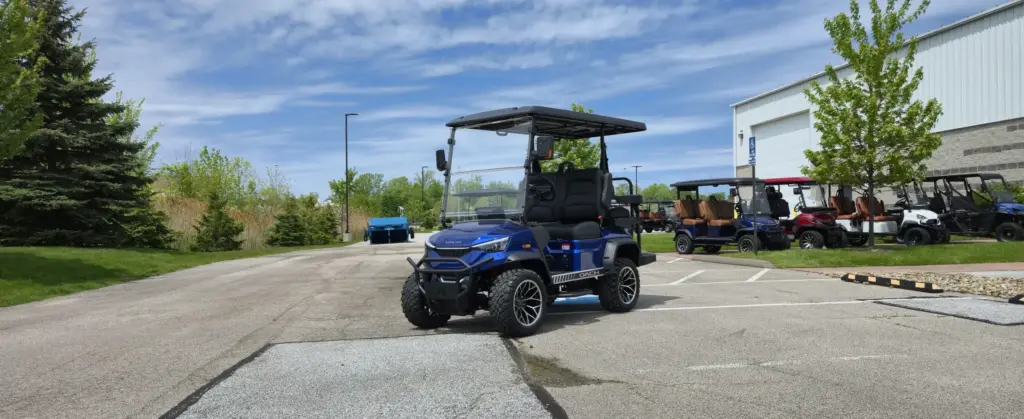
The most common answer to how fast can golf carts go is around 12 to 20 miles per hour for standard factory-built carts. Manufacturers intentionally limit speed because golf carts are designed primarily for safe transportation in golf courses, residential communities, campgrounds, and local recreational areas. Many neighborhoods prefer lower-speed vehicles because they reduce accident risk and improve pedestrian safety. While newer carts may feel smoother and quicker because of modern motors and upgraded suspension systems, most remain within similar factory speed ranges. Buyers researching comfortable recreational transportation often compare models like the Teko Trophy when evaluating practical golf carts designed for neighborhood and recreational driving.
Electric And Gas Golf Carts Perform Differently
Another major reason buyers search how fast can golf carts go is that gas and electric golf carts deliver speed differently. Electric golf carts often feel quicker during acceleration because electric motors provide instant torque immediately after pressing the accelerator pedal. Gas golf carts usually accelerate more gradually because they rely on combustion engines and transmission systems. However, both types can achieve similar top speeds depending on their design and intended purpose. Buyers should focus not only on maximum speed but also on comfort, maintenance, driving range, and intended daily use before choosing between gas and electric models.
Golf Cart Speed Depends On Several Factors
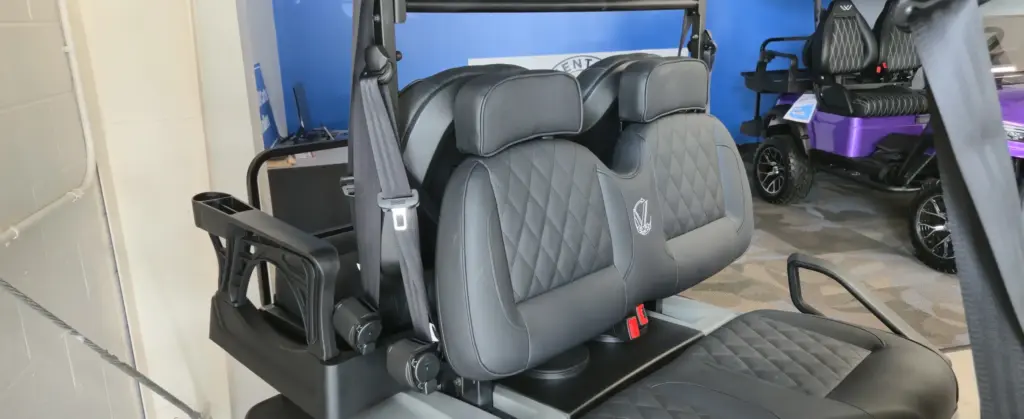
One overlooked factor tied to how fast can golf carts go is that multiple components influence real-world performance. Tire size, passenger weight, battery condition, terrain, motor power, engine setup, and maintenance all affect overall speed capability. A golf cart driven uphill with several passengers will naturally travel slower than the same cart driven alone on flat pavement. Poor maintenance can also reduce acceleration and top speed significantly over time. Buyers should understand that advertised speed ratings may differ noticeably from actual everyday driving performance depending on conditions.
Average Golf Cart Speed Comparison
Many buyers researching how fast can golf carts go want quick comparisons between standard, upgraded, and modified carts before making a purchase decision. The table below highlights common golf cart speed ranges.
| Golf Cart Type | Typical Speed Range |
|---|---|
| Standard Golf Course Cart | 12-15 MPH |
| Modern Neighborhood Cart | 15-20 MPH |
| Street Legal Golf Cart | 20-25 MPH |
| Modified Performance Cart | 25+ MPH |
Actual speed varies depending on cart design, motor power, terrain, tire size, and overall maintenance.
Golf cart owners researching public-road safety and Low-Speed Vehicle regulations often review information from the National Highway Traffic Safety Administration when learning about legal speed classifications and road-use requirements.
Street Legal Golf Carts Usually Have Speed Restrictions
One important reason people search how fast can golf carts go is that speed often affects legal road classification. Many street-legal golf carts fall under Low-Speed Vehicle regulations, which commonly require operation within specific speed ranges. Golf carts designed for public-road use typically operate around 20 to 25 miles per hour while also including headlights, brake lights, mirrors, seat belts, and registration equipment. Owners should always verify local laws before increasing speed because modifications may affect legal compliance and safety requirements.

Lift Kits And Larger Tires Can Change Speed
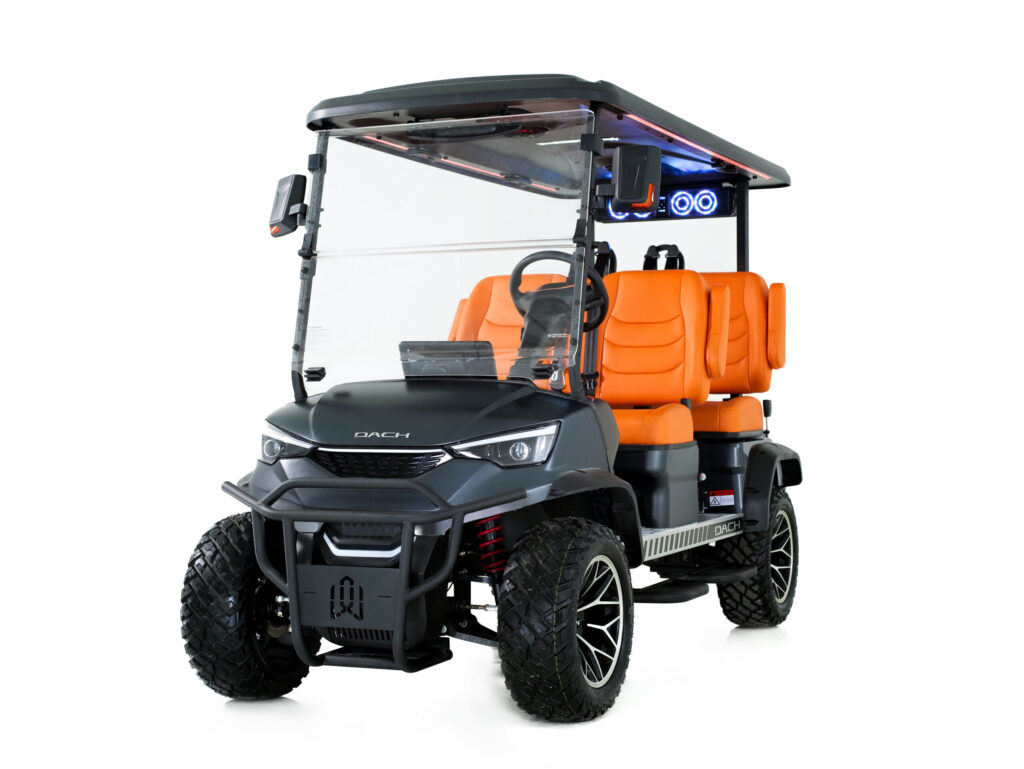
Lifted golf carts are extremely popular for recreational driving and neighborhood cruising, but larger tires and suspension modifications can alter speed and handling. Larger tires may slightly increase top speed because they cover more ground during each wheel rotation. However, oversized tires can also reduce acceleration and climbing power if the motor or engine lacks enough torque. Lift kits additionally raise the cart’s center of gravity, which may affect stability during higher-speed driving. Buyers interested in upgraded recreational transportation often compare models like the Whisper W3 when researching modern lifted golf carts built for comfortable cruising and passenger transportation.
Battery Health Impacts Electric Golf Cart Speed
Electric golf cart owners searching how fast can golf carts go are often surprised to learn that battery condition directly affects performance. Weak, aging, or poorly maintained batteries reduce acceleration and overall driving power significantly. Lithium battery systems generally provide more consistent power delivery compared to older lead-acid setups, especially during longer drives. Proper charging habits and battery maintenance help electric golf carts maintain better speed and performance over time. Neglected batteries often create sluggish driving conditions even in otherwise well-maintained carts.
Maintenance Helps Maintain Consistent Performance
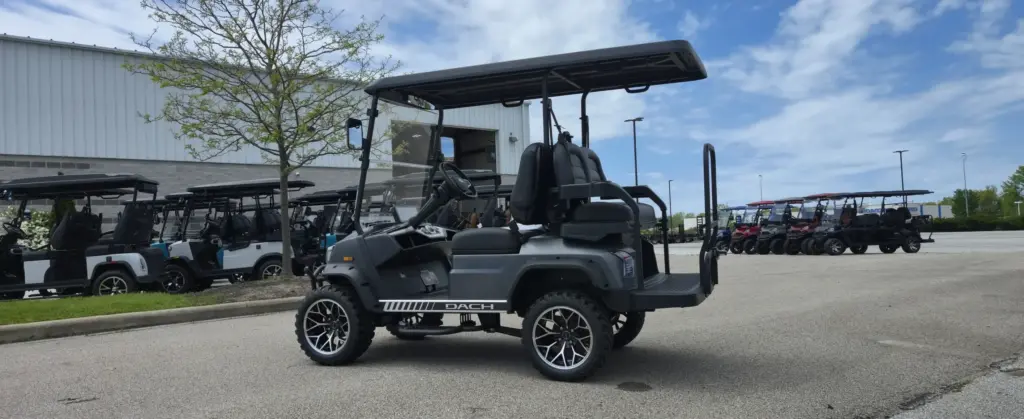
Many owners focus heavily on upgrades while forgetting that regular maintenance strongly affects golf cart speed and drivability. Dirty air filters, worn belts, low tire pressure, old spark plugs, poor battery maintenance, and neglected suspension components can all reduce performance noticeably. Proper servicing helps both gas and electric golf carts operate more efficiently and safely. Well-maintained carts usually feel smoother, faster, and more responsive even without aggressive modifications.
Safety Should Always Come Before Speed
Some owners become heavily focused on maximizing golf cart speed, but golf carts are lightweight vehicles with limited crash protection compared to passenger cars. Excessive speed may reduce stability, increase stopping distance, and create dangerous driving situations, especially on rough roads or crowded paths. Buyers should prioritize safe braking, quality tires, proper suspension, and responsible driving habits instead of chasing extreme speed numbers. Balanced performance usually creates a much safer and more enjoyable ownership experience.
Conclusion
The answer to how fast can golf carts go is usually between 12 and 20 miles per hour for standard factory models, although street legal and modified carts may travel faster depending on setup and local laws. Speed depends heavily on battery condition, engine power, tire size, passenger load, terrain, and overall maintenance. Buyers who understand these factors can choose the right golf cart for neighborhood transportation, recreational driving, or golf-course use more confidently. Reliable performance and safe operation matter far more than extreme speed during long-term ownership. Anyone looking for modern golf carts or recreational transportation options can contact Mentor Golf Carts & Trailers for additional information and available inventory.