
Many golf cart owners assume their homeowners insurance will automatically cover any damage or accident involving the vehicle because it is stored at home. Unfortunately, insurance policies are rarely that simple. Coverage often depends on how the golf cart is used, where an incident occurs, and the specific terms of the policy. That leaves many owners asking, are golf carts covered under homeowners insurance? The answer is sometimes, but not always. A homeowners policy may provide limited protection in certain situations, particularly when the golf cart is used on your own property. However, coverage often changes or disappears once the vehicle is driven on public roads, golf courses, or other locations. Understanding these differences helps owners avoid unexpected claim denials and determine whether additional insurance is necessary.
Are Golf Carts Covered Under Homeowners Insurance?
The answer to are golf carts covered under homeowners insurance depends on the policy and how the golf cart is being used. Some homeowners insurance policies provide limited coverage for golf carts that remain on the insured property or are used to maintain the property. For example, a golf cart used around a large residential lot may receive different treatment than one regularly driven around a neighborhood or campground.
Coverage also varies between insurance companies. Some policies include golf carts under certain conditions, while others specifically exclude them unless additional endorsements are purchased. Reading the policy carefully or speaking directly with your insurance provider is the best way to understand exactly what protection is available.
Where You Drive The Golf Cart Matters
Location plays a major role in determining insurance coverage. A golf cart used exclusively on private property may qualify for protection under some homeowners policies, but that same golf cart may no longer be covered once it enters a public roadway or leaves the insured premises. Even driving within a neighborhood or across a nearby street can change how the insurance policy applies.
Golf carts used at golf courses, resorts, campgrounds, beaches, or vacation communities may also require different insurance coverage depending on the property’s rules and local regulations. Owners should never assume their homeowners policy automatically follows the golf cart wherever it is driven.
Liability Coverage Is Often Limited
Property damage is only one concern. Liability protection becomes even more important if a golf cart accident causes injuries or damages someone else’s property. Some homeowners insurance policies include limited personal liability coverage, but the amount and circumstances covered vary considerably between insurers. In many cases, separate golf cart insurance provides broader liability protection than a standard homeowners policy.
Owners who frequently drive their golf carts beyond private property should carefully review whether additional insurance is appropriate. A single accident can create expenses far greater than the value of the golf cart itself if liability coverage is inadequate.
Street-Legal Golf Carts Usually Require Different Coverage
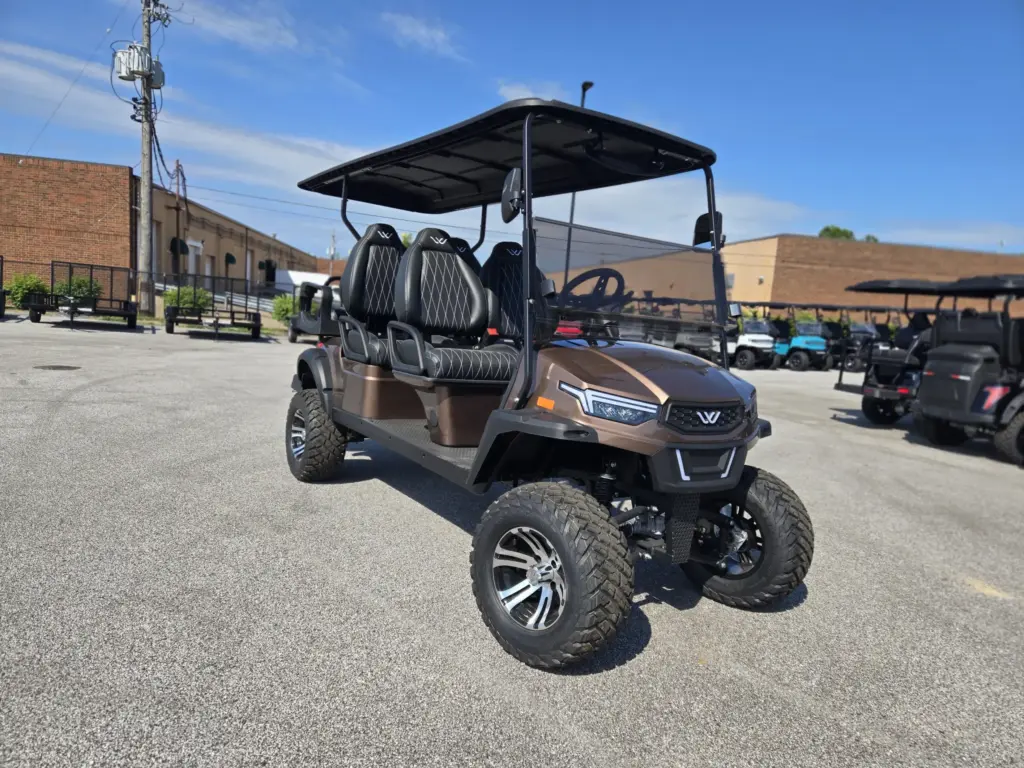
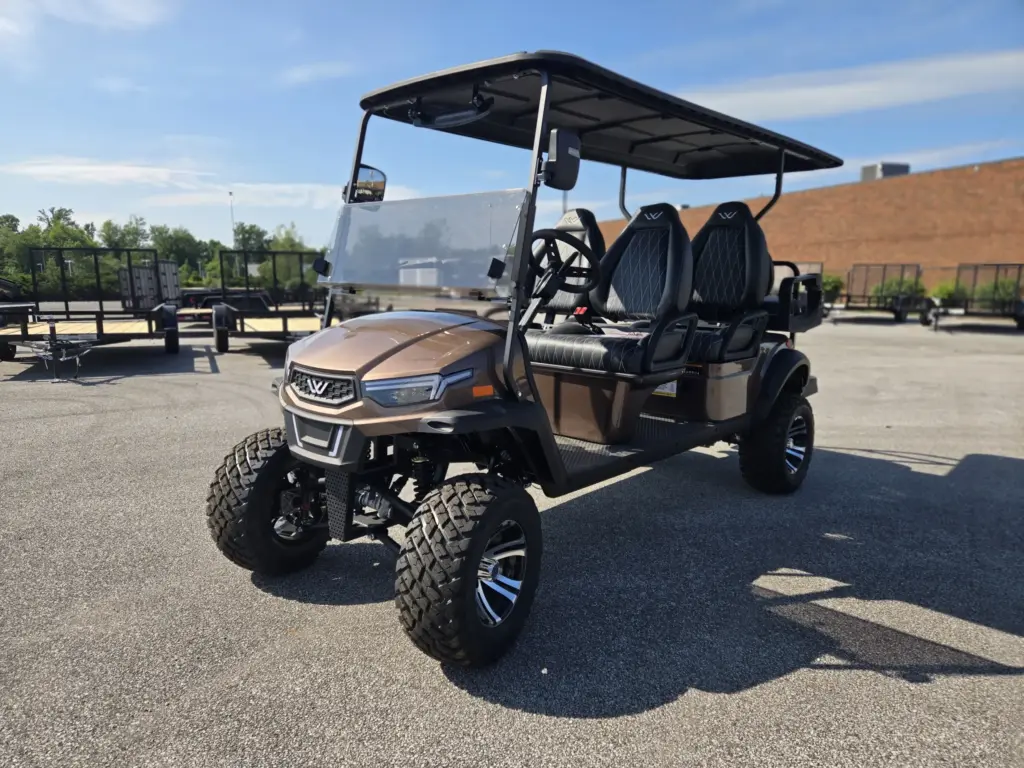
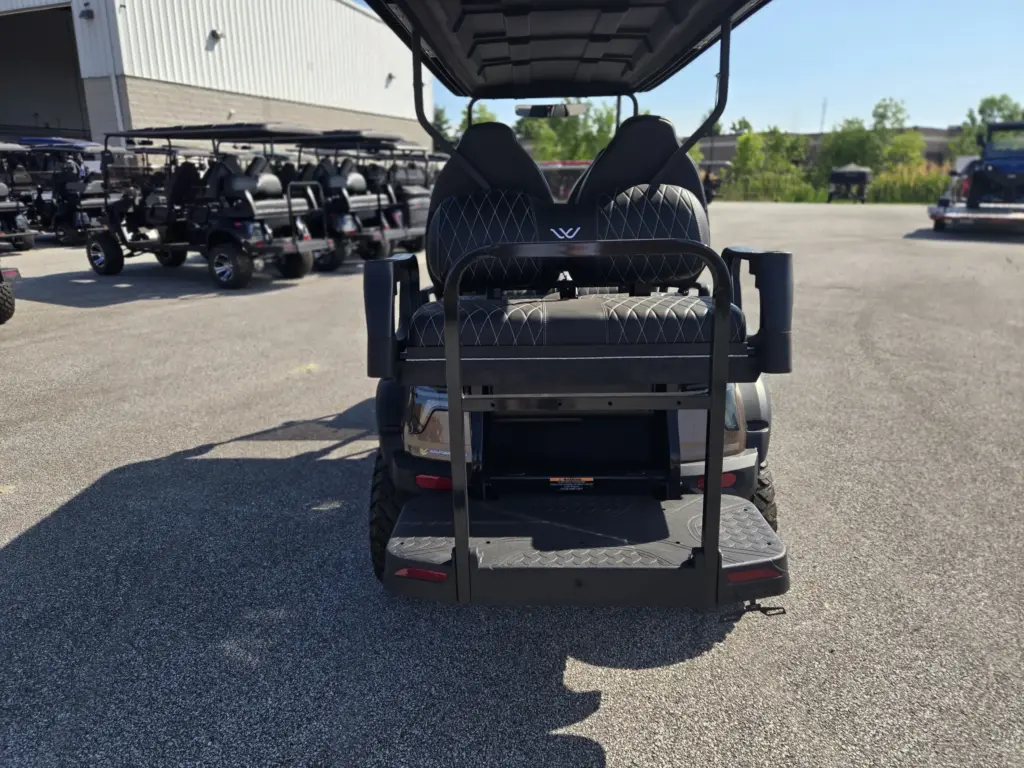
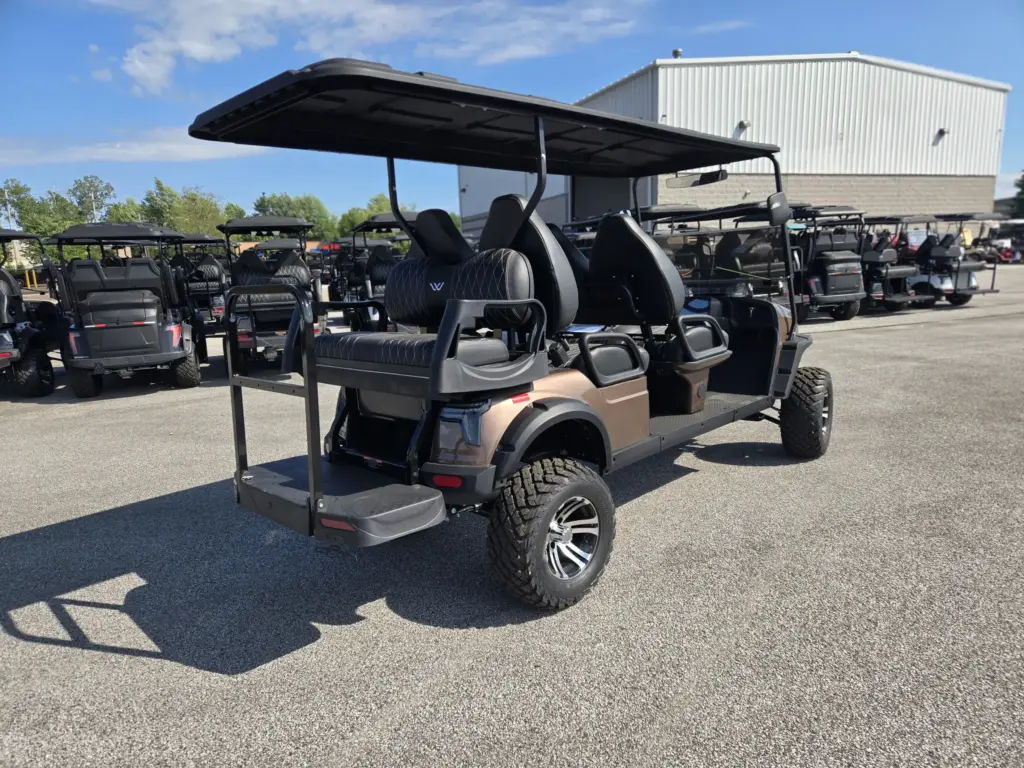
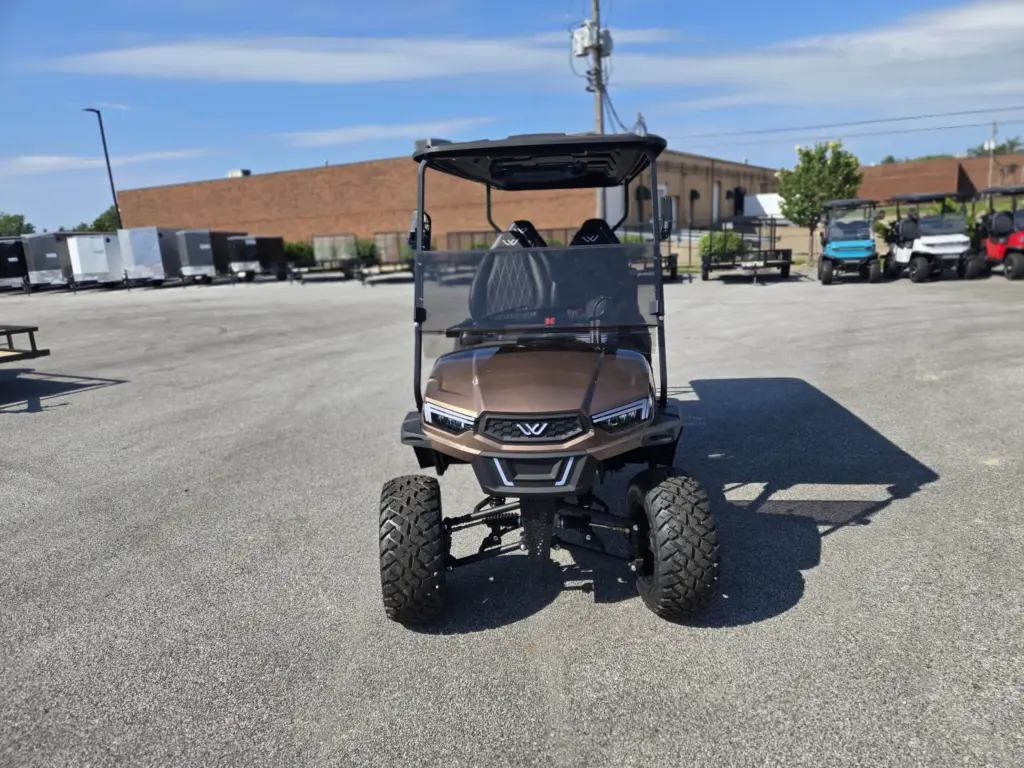
Golf carts equipped for public road use often fall under different insurance requirements than carts used only on private property. Once a golf cart qualifies as a Low-Speed Vehicle, many states require registration, liability insurance, and compliance with additional legal requirements before it can be driven on approved roads. Exploring our Whisper W5 XL brings a practical solution for group travel, resort transport, and neighborhood mobility. Instead of feeling oversized or bulky, it stays controlled and easy to manage on paved paths and community routes. This makes it a dependable option for buyers looking for long-term value and daily usability.
When Separate Golf Cart Insurance Makes Sense
Many owners wonder, are golf carts covered under homeowners insurance? Many discover that purchasing a dedicated golf cart insurance policy provides broader protection than relying solely on homeowners insurance. These policies may include coverage for collision damage, theft, vandalism, medical payments, uninsured motorists, and liability while operating the golf cart away from home. If you regularly drive through your neighborhood, visit local parks, or use the golf cart at campgrounds and resorts, separate coverage is often worth considering.
The cost of specialized golf cart insurance is generally modest compared with the potential financial consequences of an uncovered accident. Before assuming your homeowners policy provides enough protection, compare available coverage options and understand exactly what situations are included and excluded.
Review Your Policy Before An Accident Happens
Insurance questions are much easier to answer before a claim is filed than afterward. Reviewing your homeowners policy annually allows you to verify whether your golf cart is covered, whether coverage limits remain appropriate, and whether additional endorsements are available. If you have upgraded your golf cart with expensive accessories or converted it into a street-legal vehicle, notify your insurance provider because those changes may affect coverage.
Organizations such as the Insurance Information Institute provide educational resources explaining how property and liability insurance work, helping consumers better understand common coverage limitations before purchasing or updating an insurance policy.
Protecting Your Golf Cart Beyond Insurance
Insurance is only one part of protecting your investment. Many owners wonder, are golf carts covered under homeowners insurance? Proper storage, routine maintenance, battery care, and responsible operation reduce the likelihood of accidents and expensive repairs. Parking the golf cart inside a secure garage, using a quality cover when stored outdoors, and keeping the batteries properly maintained all help preserve both reliability and resale value.
Owners should also remove the key when the golf cart is not in use and avoid allowing inexperienced drivers to operate the vehicle without supervision. Good maintenance and safe driving habits often prevent situations that could lead to insurance claims in the first place.
Common Situations That May Or May Not Be Covered
Many insurance claims involving golf carts depend on the exact circumstances surrounding the incident rather than the golf cart itself. Are golf carts covered under homeowners insurance? For example, if a golf cart stored inside your garage is damaged by a covered event such as a fire or severe storm, some homeowners insurance policies may provide protection because the vehicle was located on the insured property. However, if that same golf cart is damaged while being driven through a neighborhood, on a public road, or at a campground, the claim may be handled very differently or denied altogether if the policy excludes off-premises use.
Theft is another situation where policy language becomes important. Some homeowners policies provide limited protection if the golf cart is stolen from the insured property, while others place restrictions on motorized vehicles regardless of where the theft occurs. Damage caused by vandalism may also depend on whether the golf cart was stored at home or somewhere else. Because every insurance company writes policies differently, owners should never rely on assumptions.
Questions To Ask Your Insurance Company
When searching for are golf carts covered under homeowners insurance, one of the easiest ways to avoid insurance surprises is by asking a few specific questions before you rely on your homeowners policy for golf cart coverage. Ask whether the golf cart is covered while stored at home, while driven on private property, and while operated away from the insured residence. You should also ask whether liability protection applies if someone is injured while riding in or being struck by your golf cart.
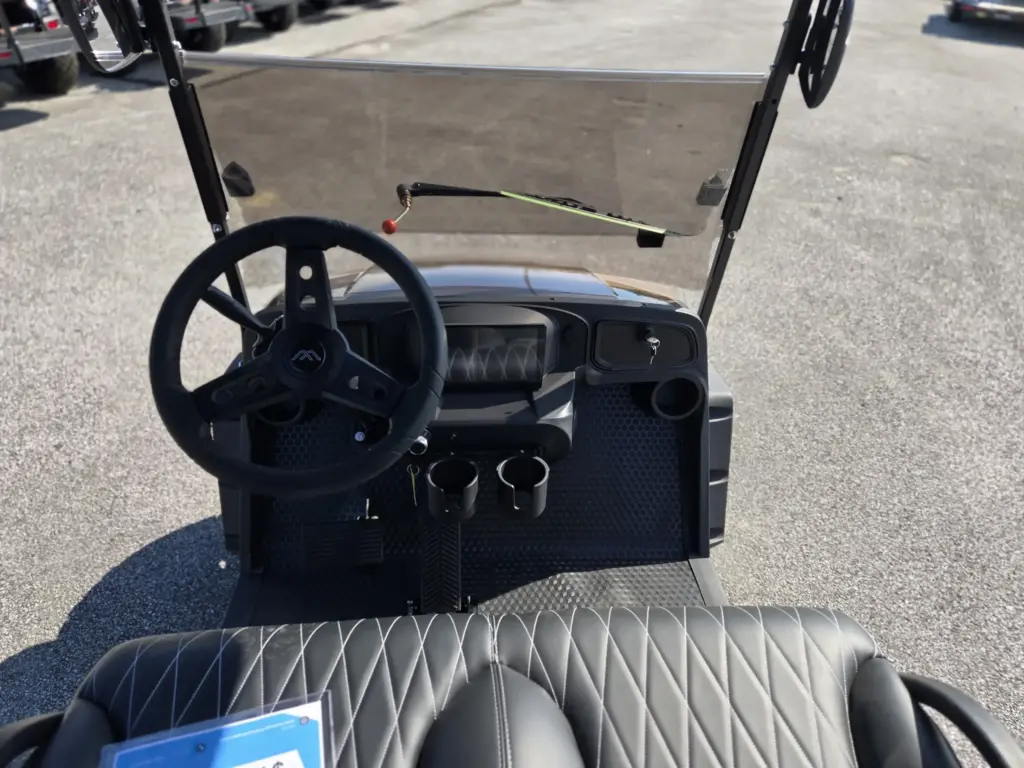
It is equally important to understand whether modifications affect coverage. Lift kits, larger wheels, lithium battery conversions, custom paint, premium sound systems, and street-legal equipment may increase the golf cart’s value beyond the limits originally covered by the policy. Some insurers require these upgrades to be reported before they become part of the insured value. Taking a few minutes to review these details helps ensure the policy accurately reflects the golf cart you actually own rather than the one originally purchased years ago.
Homeowners Insurance Should Not Replace Safe Ownership
Insurance provides financial protection, but it cannot prevent accidents or replace responsible ownership. Many people ask, are golf carts covered under homeowners insurance? Still, regular maintenance, careful driving, and proper storage remain the best ways to reduce the likelihood of costly claims. Checking the brakes, steering, tires, batteries, lights, and electrical system regularly helps keep the golf cart operating safely while reducing the risk of mechanical failures that could lead to property damage or injuries.
Owners should also think about where the golf cart is parked when it is not in use. Storing it inside a locked garage or enclosed building offers better protection against theft, weather damage, and vandalism than leaving it outdoors year-round. Removing the key, locking storage compartments, and following the manufacturer’s maintenance recommendations also help preserve the golf cart’s condition while reducing unnecessary risks.
Conclusion
So, are golf carts covered under homeowners insurance? In some situations, they are, but coverage is often limited and depends on how and where the golf cart is used. A homeowners policy may protect a golf cart used on your own property, while driving on public roads or away from home may require separate insurance. Reviewing your policy before an accident occurs is the best way to avoid unexpected gaps in coverage. If you are shopping for a golf cart or have questions about ownership, visit Mentor Golf Carts & Trailers to explore available models and receive expert guidance.