
When shopping for an off-road vehicle, one of the first questions buyers ask is what is the difference between an ATV and a UTV. Both vehicles are designed to handle rough terrain, trails, farms, hunting land, and recreational riding areas, but they serve different purposes. ATVs are generally smaller, lighter, and built for one rider, while UTVs offer side-by-side seating, greater cargo capacity, and additional passenger space. The right choice depends on how the vehicle will be used, how many people it needs to carry, and what type of terrain it will encounter. Understanding what is the difference between an ATV and a UTV helps buyers make a smarter purchasing decision and choose a vehicle that delivers the best balance of performance, comfort, utility, and value.
ATVs And UTVs Are Built For Different Purposes
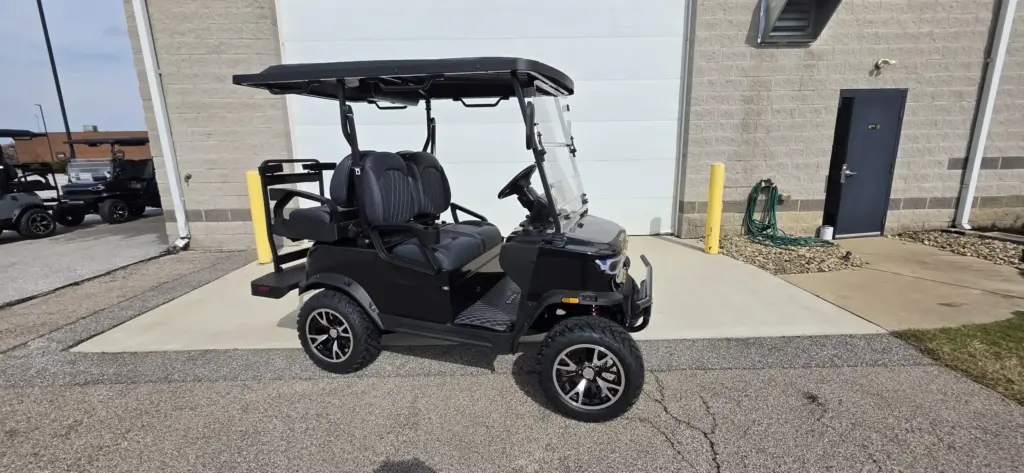
The most important factor when discussing what is the difference between an ATV and a UTV is the purpose each vehicle serves. An ATV, or All-Terrain Vehicle, is designed primarily for individual riders who need agility and maneuverability on narrow trails and difficult terrain. Riders sit on a saddle-style seat and steer using handlebars, much like a motorcycle.
A UTV, or Utility Task Vehicle, is designed to carry passengers and cargo while maintaining strong off-road capability. Drivers sit in automotive-style seats and use a steering wheel rather than handlebars. Because of this design, UTVs are often chosen for work applications, family recreation, hunting trips, and property management, where transporting people and equipment is important.
Passenger Capacity Is One Of The Biggest Differences
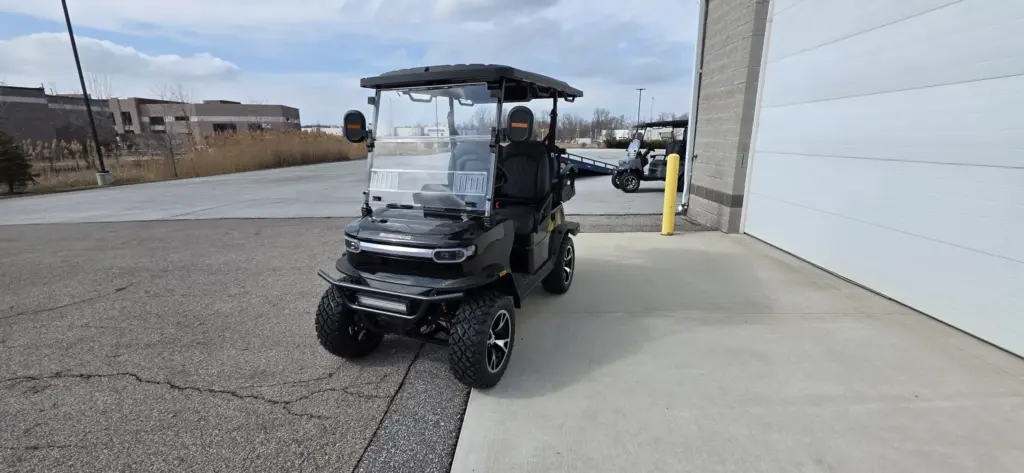
One of the easiest ways to understand what is the difference between an ATV and a UTV is by looking at passenger capacity. Most ATVs are built for a single rider, although some models include seating for a passenger. Their compact size allows them to navigate tight trails and confined spaces more easily than larger vehicles.
UTVs are designed specifically for multiple occupants. Depending on the model, they may carry two, four, or even six passengers comfortably. This makes them popular among families, hunting groups, work crews, and property owners who need transportation for several people at once. The increased seating capacity is one reason UTVs continue growing in popularity.
Control Systems Are Completely Different
Another major factor when evaluating what is the difference between an ATV and a UTV involves vehicle controls. ATV riders use handlebars to steer and typically shift their body weight during turns and when navigating difficult terrain. This active riding style contributes to the ATV’s agility and responsiveness.
UTVs use steering wheels, accelerator pedals, and brake pedals similar to those of a car or truck. Many first-time off-road vehicle owners find UTVs easier to operate because the controls feel familiar. The enclosed seating position also provides greater comfort during longer rides and work sessions.
Cargo And Utility Capabilities Favor UTVs
People researching what is the difference between an ATV and a UTV often discover that utility capability is one of the biggest distinctions. While ATVs can carry small loads using front and rear racks, they are limited by their compact size. They work well for transporting tools, hunting equipment, and light supplies.
UTVs are designed with utility in mind. Most feature cargo beds capable of hauling tools, fencing materials, feed, firewood, coolers, and other equipment. Many also offer significant towing capacity, allowing owners to pull trailers and work equipment. This makes UTVs especially useful for farms, ranches, and large properties.
Individuals interested in safe off-road vehicle operation often review resources from the Recreational Off-Highway Vehicle Association to learn about vehicle safety and responsible riding practices.
Terrain Performance Depends On The Application
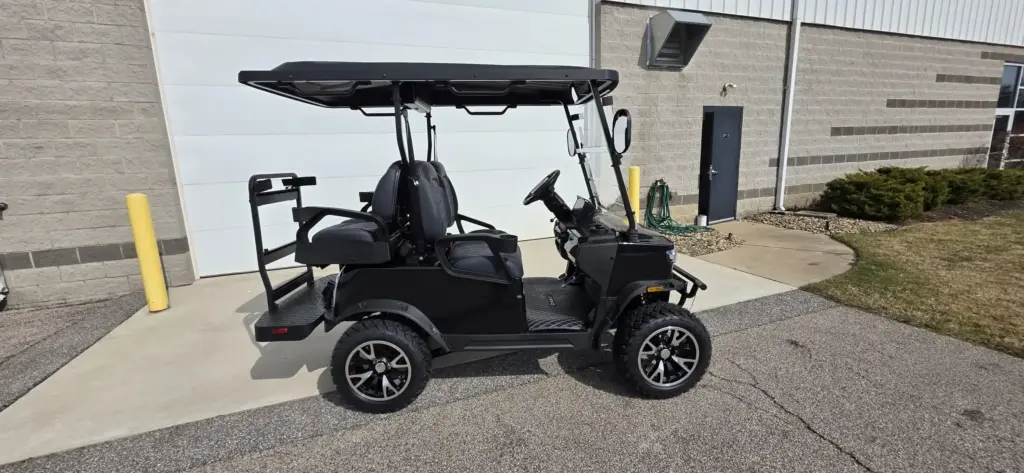
When considering what is the difference between an ATV and a UTV, terrain performance should also be evaluated. ATVs generally excel on narrow trails, heavily wooded areas, and technical terrain where maneuverability is critical. Their lighter weight allows them to navigate tight spaces more easily than larger vehicles.
UTVs perform exceptionally well on wider trails, open terrain, farms, construction sites, and hunting properties. Their larger footprint provides excellent stability while carrying passengers and cargo. Although they may not fit through every trail accessible to an ATV, they often deliver superior comfort and utility across longer distances.
Safety Features Are More Common On UTVs
Safety is another important area when comparing what is the difference between an ATV and a UTV. UTVs typically include seat belts, rollover protection structures, doors or safety nets, and other features designed to protect occupants. These features contribute to the vehicle’s appeal among families and commercial users.
ATVs rely more heavily on rider skill and protective equipment. Riders should always wear helmets, gloves, eye protection, and appropriate riding gear. While both vehicle types can be operated safely, UTVs generally offer more built-in occupant protection features.
Cost And Ownership Considerations
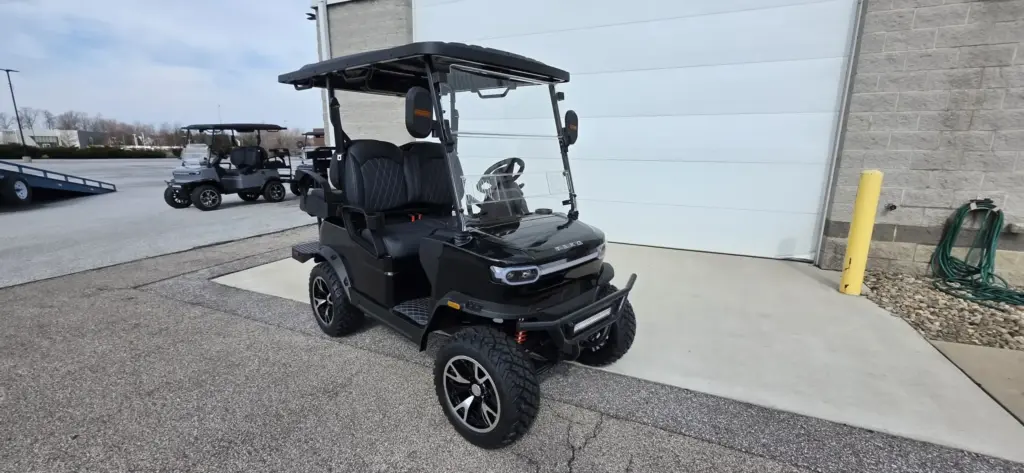
Budget plays a major role in determining what is the difference between an ATV and a UTV from a buyer’s perspective. ATVs are often less expensive than UTVs because they are smaller and simpler. Maintenance costs may also be lower depending on the model and usage.
UTVs generally require a larger investment because of their increased size, passenger capacity, cargo features, and advanced equipment. However, many buyers find the additional cost worthwhile because a UTV can replace multiple vehicles by serving work, transportation, and recreational needs simultaneously.
Choosing The Right Vehicle For Your Needs
Property owners looking for a practical off-road work vehicle should compare UTVs based on passenger capacity, cargo space, towing capability, and the type of terrain they will encounter. Buyers can explore the available UTV inventory to evaluate models designed for work, recreation, and property management. Comparing these features makes it easier to choose a vehicle that matches both current needs and long-term use.
Conclusion
Understanding what is the difference between an ATV and a UTV helps buyers choose the right vehicle for their property, lifestyle, and intended use. ATVs offer excellent maneuverability, lower cost, and strong trail performance for individual riders. UTVs provide greater passenger capacity, cargo hauling capability, towing power, and comfort for work and recreation. Neither vehicle is universally better than the other because each serves different needs. The best choice depends on how you plan to use the vehicle most often. To learn more about utility vehicles and available inventory, visit Mentor Golf Carts & Trailers for expert guidance and assistance.