
Many golf cart owners ignore their seats until stains, cracking, mildew, or fading suddenly make the entire cart look older and poorly maintained. That is usually when people begin searching how to clean golf cart seats after realizing basic soap and water may not fully remove dirt buildup or restore the original appearance. Golf cart seats collect sunscreen, sweat, food stains, rainwater, dust, body oils, and UV damage much faster than most owners expect, especially when carts are used outdoors regularly. The good news is that cleaning golf cart seats properly is not difficult when the right products and techniques are used consistently. Learning how to clean golf cart seats the correct way can help owners extend upholstery life, improve resale value, prevent cracking, and keep the entire golf cart looking newer for years.
Why Golf Cart Seats Get Dirty So Quickly
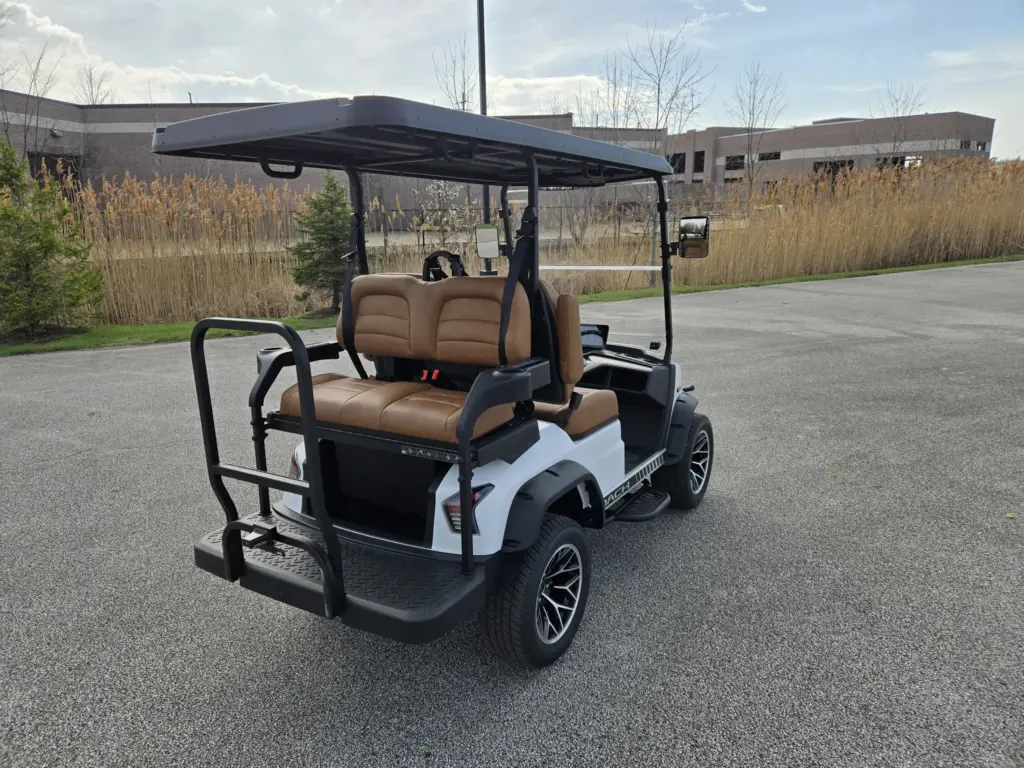
One reason so many owners search how to clean golf cart seats is that golf cart upholstery faces constant outdoor exposure. Unlike car interiors, golf cart seats are often exposed directly to sunlight, rain, humidity, dust, mud, sunscreen, and sweat without much protection. Vinyl surfaces especially attract body oils and dirt that slowly build into darker stains over time. Owners who regularly drive through campgrounds, golf courses, farms, beaches, or neighborhood roads may also notice grass stains, pollen, and mud collecting in seat seams and stitching areas. Golf carts used daily tend to show upholstery wear much faster than many people expect because the seats experience repeated exposure to outdoor conditions almost year-round.
Always Remove Loose Dirt Before Deep Cleaning
The first step in learning how to clean golf cart seats properly is removing loose debris before applying any cleaner. Dirt particles, sand, crumbs, and dried mud can scratch vinyl surfaces if rubbed aggressively during washing. Owners should begin by vacuuming the seats carefully or wiping them down using a dry microfiber towel. Paying close attention to corners, seat seams, and stitching areas is important because dirt buildup often becomes trapped there. Some owners also use compressed air to remove hidden debris from tight seams and folds. Removing loose debris first makes deep cleaning safer, more effective, and much less likely to damage upholstery surfaces during scrubbing.
Use Vinyl Safe Cleaners Instead Of Harsh Chemicals
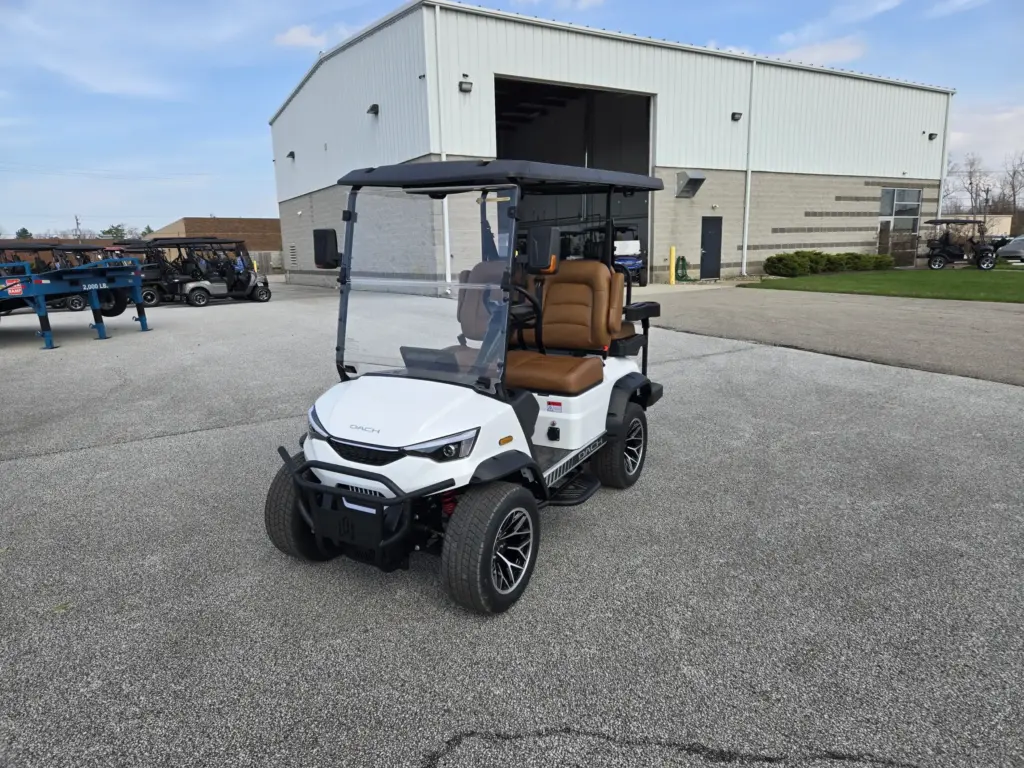
One of the biggest mistakes owners make while researching how to clean golf cart seats is using strong household chemicals that slowly damage upholstery material. Bleach, ammonia, heavy degreasers, and abrasive cleaners can dry out vinyl surfaces and eventually cause cracking, discoloration, or peeling. Mild soap mixed with warm water usually works very well for routine cleaning. Automotive vinyl cleaners designed specifically for marine or recreational vehicle upholstery are also excellent choices for removing stubborn grime safely. Owners maintaining modern recreational golf carts often compare vehicles like the Teko Trophy when looking for stylish neighborhood transportation that benefits from regular cosmetic maintenance and upholstery care. Choosing the correct cleaner helps preserve both comfort and appearance much longer.
Best Supplies For Cleaning Golf Cart Seats
Many owners searching how to clean golf cart seats want a simple list of recommended cleaning tools before starting the process. The table below highlights common supplies that work well for golf cart seat maintenance.
| Cleaning Supply | Purpose |
|---|---|
| Microfiber Towels | Gentle wiping and drying |
| Mild Soap Solution | Routine seat cleaning |
| Soft Bristle Brush | Loosening stubborn dirt safely |
| Vinyl Cleaner | Removing deeper stains |
| Protectant Spray | UV protection and conditioning |
| Vacuum Cleaner | Removing loose debris |
Using the correct tools reduces the risk of damaging vinyl surfaces while improving cleaning effectiveness significantly.
Owners researching safer cleaning product options often review recommendations from the U.S. Environmental Protection Agency Safer Choice Program when selecting upholstery-safe household and automotive cleaning products.
Soft Brushes Work Best For Tough Stains
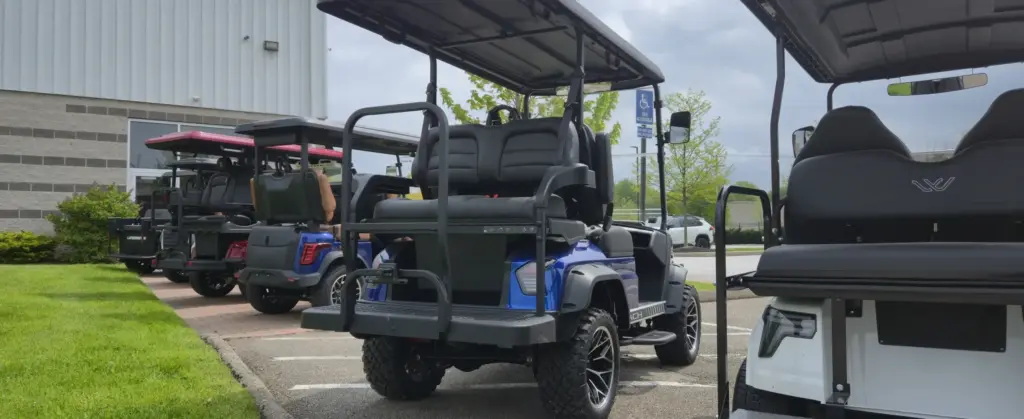
Another important part of how to clean golf cart seats involves handling stubborn stains correctly. Sunscreen residue, spilled drinks, food stains, mold spots, and body oils often become deeply embedded into textured vinyl surfaces over time. Soft-bristle brushes work extremely well for loosening dirt without scratching or weakening upholstery material. Owners should use gentle circular motions instead of aggressive scrubbing because excessive pressure may damage protective seat coatings. Some stains require repeated light cleaning instead of one harsh cleaning attempt. Patience usually produces much better long-term results than aggressive cleaning methods that risk damaging the upholstery permanently.
Drying Seats Properly Prevents Mold And Mildew
One overlooked issue connected to how to clean golf cart seats is moisture management after washing. Wet upholstery trapped under covers or stored inside humid garages can quickly develop mildew, unpleasant odors, and mold growth. Owners should always dry seats completely using microfiber towels after cleaning and allow proper airflow before storing the cart. Opening storage covers temporarily or parking the golf cart in shaded airflow can help moisture evaporate safely. Proper drying becomes even more important for golf carts stored outdoors or used frequently during rainy seasons. Many upholstery problems blamed on poor seat material actually begin with trapped moisture after cleaning.
Sunlight Causes Major Upholstery Damage
Many owners researching how to clean golf cart seats are actually trying to restore seats damaged by long-term sun exposure. UV rays slowly dry out vinyl surfaces, causing fading, brittleness, cracking, and discoloration over time. Applying vinyl protectant products regularly helps reduce UV damage while keeping seats softer and more flexible. Parking golf carts under shade structures or using protective covers also dramatically extends upholstery lifespan. Owners who consistently protect seats from direct sunlight usually spend far less money replacing upholstery later. Preventing damage is almost always easier and cheaper than restoring heavily cracked seats.
Regular Seat Cleaning Protects Resale Value
Clean upholstery strongly affects how buyers perceive golf cart condition during resale. Dirty or cracked seats immediately make even mechanically sound golf carts appear older and poorly maintained. Buyers shopping for used golf carts often pay close attention to interior appearance because upholstery replacement can become surprisingly expensive. Owners who regularly clean golf cart seats usually maintain much stronger resale value because the cart continues looking cleaner and newer overall. Buyers researching golf cart maintenance often explore guides like How To Clean Golf Clubs because appearance and maintenance habits strongly influence long-term golf equipment value.
Modern Golf Cart Interiors Require More Care
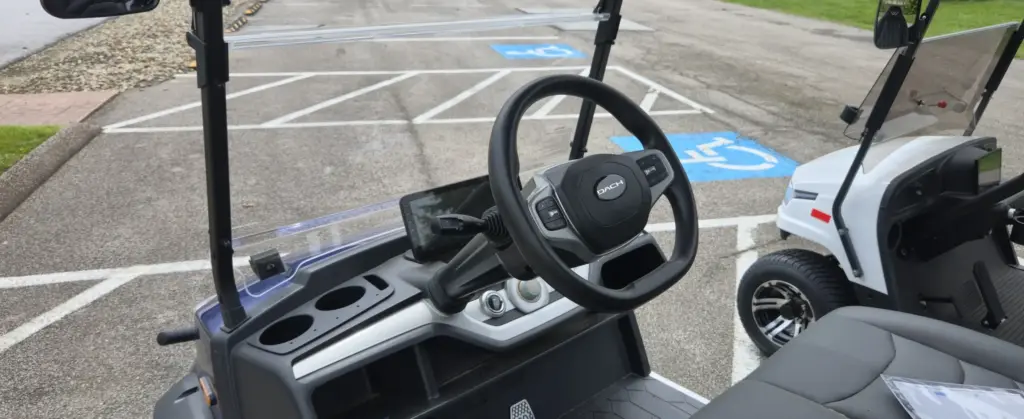
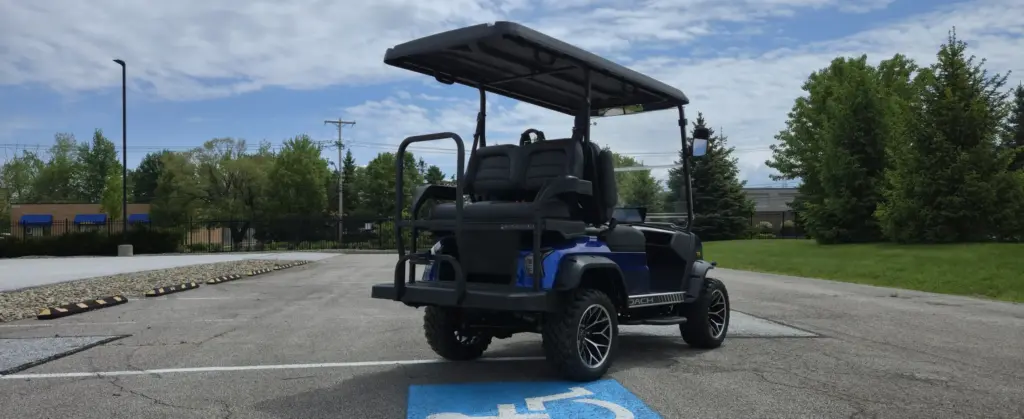
The growing popularity of luxury golf carts is one reason searches for how to clean golf cart seats continue increasing every year. Modern golf carts now feature premium upholstery materials, stitched seating patterns, custom colors, luxury armrests, and upgraded cushioning systems that require more attention than older basic golf-course carts. Many neighborhood and campground owners now treat golf carts more like recreational lifestyle vehicles instead of simple transportation tools. As interior quality improves, regular cleaning and protection become even more important for maintaining appearance and long-term comfort.
Preventive Care Saves Money Long Term
Many owners searching how to clean golf cart seats eventually realize that regular maintenance is much cheaper than replacing damaged upholstery later. Simple monthly cleaning routines help prevent stains, cracking, mildew buildup, fading, and seam deterioration before serious problems appear. Owners who consistently protect their seats from sunlight, moisture, and dirt buildup often avoid expensive upholstery replacement entirely. Preventive maintenance also keeps the entire golf cart looking newer and more attractive throughout ownership. Small cleaning habits performed regularly usually make a much bigger difference than occasional deep cleaning after heavy damage has already occurred.
Conclusion
The best approach to how to clean golf cart seats involves removing loose dirt first, using vinyl-safe cleaners, drying seats properly, and protecting upholstery from long-term sun damage. Gentle cleaning techniques combined with regular maintenance help prevent cracking, fading, mildew growth, and expensive seat replacement costs over time. Owners who clean golf cart seats consistently usually maintain better comfort, stronger resale value, and a much cleaner-looking golf cart overall. Proper upholstery care also helps modern recreational golf carts continue looking polished and well-maintained for years. Anyone looking for golf cart inventory, maintenance guidance, or recreational transportation solutions can contact Mentor Golf Carts & Trailers for additional information and available vehicle options.