
A flat golf cart tire can quickly ruin a round of golf, campground trip, or neighborhood drive if you do not know how to replace it safely. That situation is exactly why many owners search how to change a tire on a golf cart before dealing with an unexpected flat or damaged wheel. Fortunately, changing a golf cart tire is usually a straightforward process when the proper tools and safety steps are followed carefully. Most golf cart tires can be replaced using a jack, lug wrench, and replacement tire while the cart is parked on stable ground. Understanding how to change a tire on a golf cart helps owners avoid unnecessary service calls, prevent wheel damage, and get back on the road safely much faster.

Park The Golf Cart On Safe Level Ground
The first step in learning how to change a tire on a golf cart is choosing a safe work area. Always park the golf cart on flat, stable ground before lifting the vehicle. Uneven surfaces may cause the jack to shift or the golf cart to roll unexpectedly during the tire replacement process. Turn the golf cart off completely and engage the parking brake before beginning any work. If possible, place wheel chocks behind the remaining tires to improve stability even further. Safety should always come before speed during tire replacement.
Gather The Proper Tools Before Starting
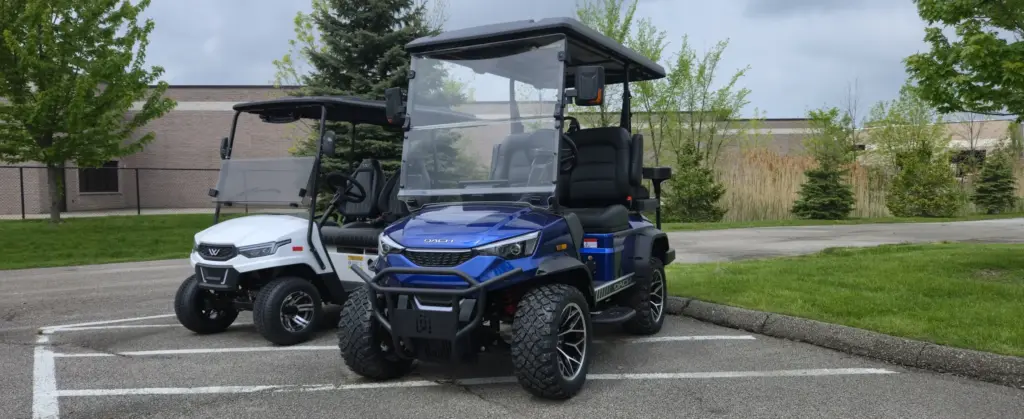
Another important part of understanding how to change a tire on a golf cart is using the correct tools. Most golf cart tire changes require a jack, lug wrench, replacement tire, and sometimes a torque wrench for proper wheel tightening. Some golf carts use specialty lug nuts or wheel designs, so owners should confirm the correct socket size before beginning. Buyers who regularly use golf carts for neighborhood transportation often compare models like the Dach Falcon 2+2 Ultra Rider when researching reliable recreational vehicles designed for everyday local driving and easier maintenance access.

Loosen Lug Nuts Before Raising The Cart
One overlooked mistake many owners make while learning how to change a tire on a golf cart is lifting the cart before loosening the lug nuts. Lug nuts should always be loosened slightly while the tire remains on the ground because the wheel is more stable and less likely to spin. Turn each lug nut counterclockwise only enough to break resistance before using the jack. Removing lug nuts completely too early may create unnecessary instability while lifting the golf cart.
Basic Golf Cart Tire Change Steps
Many owners researching how to change a tire on a golf cart want a simple checklist showing the proper replacement sequence. The table below highlights the basic process.
| Secure the wheel properly | Purpose |
|---|---|
| Park On Flat Ground | Improves safety and stability |
| Loosen Lug Nuts | Prepares wheel removal |
| Raise Golf Cart | Allows tire removal |
| Remove Flat Tire | Replace damaged wheel |
| Install New Tire | Restore safe driving |
| Tighten Lug Nuts | Secure wheel properly |
Following these steps carefully helps reduce the risk of wheel damage or unsafe installation problems.
Vehicle owners researching tire safety and wheel maintenance often review information from the National Highway Traffic Safety Administration when learning about tire inspections, pressure safety, and proper wheel servicing.
Raise The Golf Cart Carefully
Another important part of learning how to change a tire on a golf cart is proper jack placement. Position the jack under a secure frame section recommended by the manufacturer whenever possible. Raising the golf cart incorrectly may damage suspension components, battery trays, or underbody parts. Lift the cart only high enough for the flat tire to clear the ground comfortably. Excessive lifting may create unnecessary instability during the tire replacement process.

Remove The Tire And Inspect The Wheel
Once the golf cart is safely raised, remove the loosened lug nuts completely and slide the flat tire off the wheel hub carefully. While learning how to change a tire on a golf cart, owners should also inspect the wheel itself for cracks, bends, rust, or damaged lug holes before installing a replacement tire. Tire damage sometimes occurs because of alignment issues, low pressure, or suspension problems rather than road debris alone. Inspecting the wheel carefully helps prevent repeated tire failures later.
Install The Replacement Tire Correctly
Proper wheel installation is one of the most important parts of how to change a tire on a golf cart safely. Align the replacement wheel carefully with the wheel studs before threading lug nuts by hand. Tightening lug nuts unevenly may cause wheel wobble or poor seating against the hub. Owners should tighten lug nuts gradually in a crisscross pattern instead of fully tightening one lug nut at a time. Balanced tightening helps secure the wheel evenly and reduces stress on the studs.
Check Tire Pressure Before Driving
Many owners successfully change a golf cart tire but forget to verify the air pressure afterward. Tire pressure strongly affects handling, tire wear, and ride comfort. Underinflated tires may wear unevenly and reduce steering stability, while overinflated tires can create harsh driving conditions and poor traction. Proper tire pressure also helps improve battery efficiency and overall driving performance. Checking pressure before driving helps ensure safer operation after the tire replacement is complete.
Regular Tire Maintenance Helps Prevent Flats
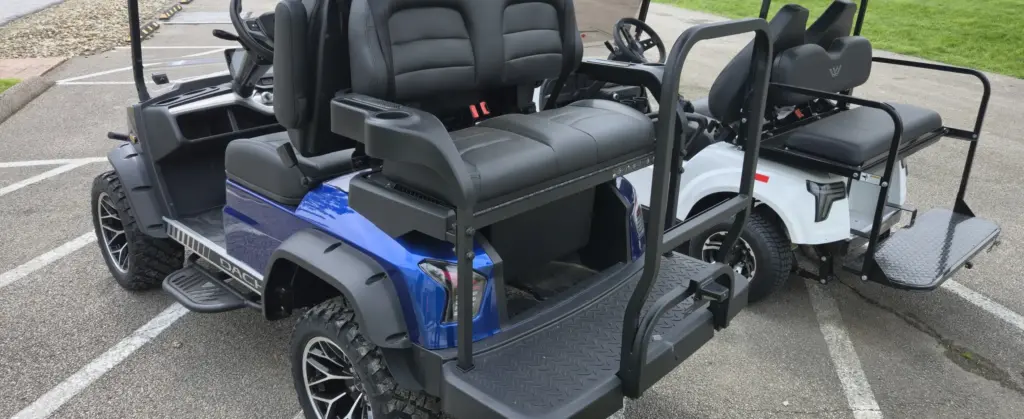
Many people searching how to change a tire on a golf cart eventually realize that preventative maintenance greatly reduces flat tire risk. Regularly inspecting tires for nails, cuts, dry rot, low pressure, and uneven wear helps identify problems early before complete tire failure occurs. Owners interested in smoother neighborhood driving often compare models like the Whisper W3 when researching modern golf carts designed for comfort, stability, and reliable recreational transportation.
Conclusion
Learning how to change a tire on a golf cart is an important skill that helps owners handle unexpected flats safely and confidently. The process usually involves parking on stable ground, loosening lug nuts, safely lifting the cart, replacing the tire, and tightening the wheel properly before driving again. Using the correct tools and following proper safety steps can prevent wheel damage and reduce unnecessary repair costs later. Regular tire inspections and proper tire pressure maintenance also help reduce the risk of future flats significantly. Anyone looking for golf carts, replacement tires, or recreational vehicle guidance can contact Mentor Golf Carts & Trailers for additional information and available inventory.