
Golf carts are available at dramatically different prices, which can make budgeting difficult for first-time buyers. A basic used cart may cost only a few thousand dollars, while a new premium electric model with lithium power, upgraded seating, street-oriented equipment, and modern technology can cost considerably more. So, how much is a golf cart? There is no single price that applies to every model. Brand, age, condition, passenger capacity, battery technology, features, and customization can all affect the final amount.
Buyers should also consider long-term expenses instead of comparing purchase prices alone. Battery replacement, maintenance, accessories, insurance in some situations, and transportation can change the true cost of ownership. Understanding these factors makes it easier to compare carts fairly and decide which features are actually worth paying for.
How Much Is A Golf Cart?
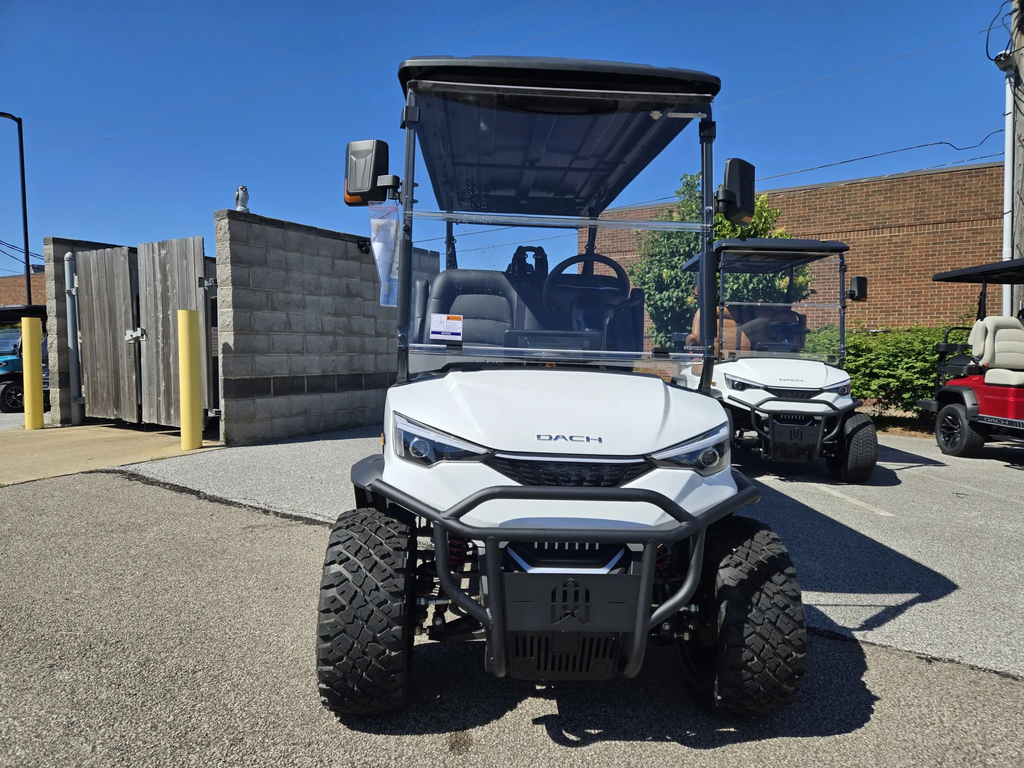
For most buyers asking how much is a golf cart, the broad answer ranges from a few thousand dollars for many older used carts to well over $10,000 for some new or highly equipped models. Premium six-passenger carts, lithium-powered models, and vehicles equipped for additional road use can move toward the higher end of the market. Used prices vary even more because age and condition have such a large influence.
These figures should be treated as general market ranges rather than fixed prices. The term golf cart covers vehicles built for different purposes, from traditional course transportation to larger passenger models used around neighborhoods, campgrounds, businesses, and private properties. Comparing two carts based only on price can therefore be misleading when their batteries, capacities, equipment, and overall condition are completely different.
New Golf Carts Usually Cost More Than Used Models
One major factor affecting how much is a golf cart is whether you purchase new or used. New carts normally carry a higher initial price, but buyers receive an unused vehicle with current components and applicable manufacturer warranty coverage. Newer models may also include lithium batteries, digital displays, improved lighting, upgraded seating, and other features that older carts may lack.
A used cart can reduce the initial purchase cost, but its condition matters more than its age alone. A well-maintained older cart may provide better value than a newer cart with worn batteries, damaged suspension, neglected brakes, or electrical problems. Buyers comparing used options should include possible repairs and battery replacement in their budget before deciding that the lowest advertised price is actually the cheapest choice.
Passenger Capacity Can Change Golf Cart Pricing
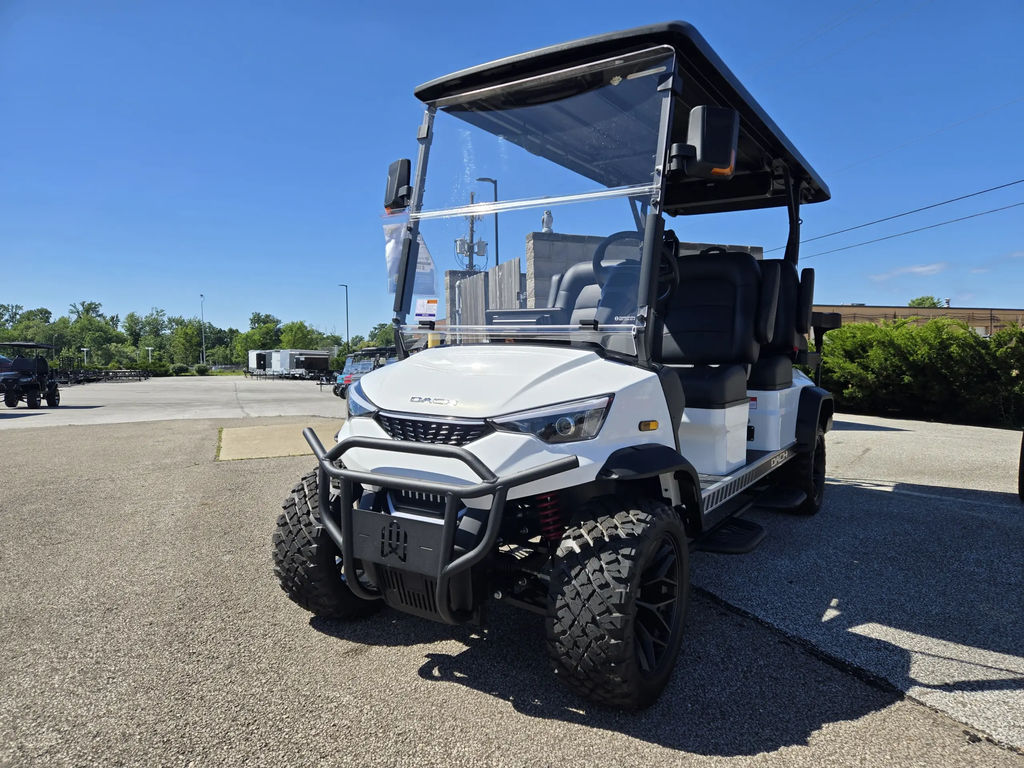
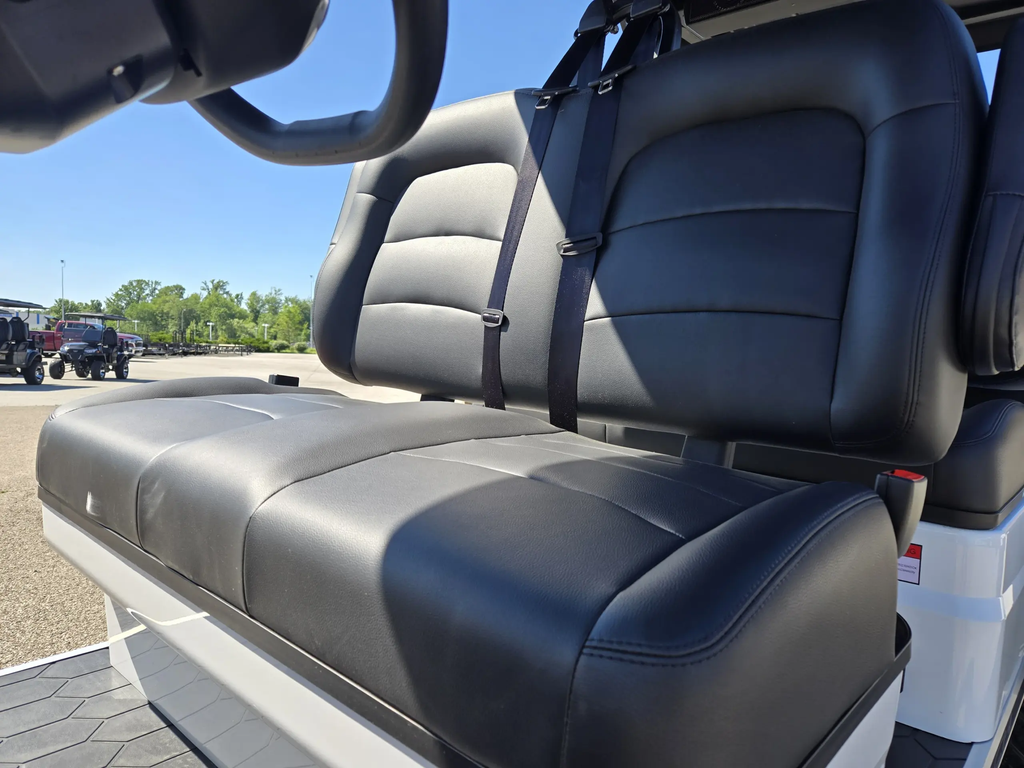
Seating capacity also affects how much is a golf cart. Traditional two-passenger carts are often simpler and may cost less than four-seat or six-seat configurations. Larger carts require additional seating and may use longer frames or different suspension components. Their intended use can also influence the equipment included by the manufacturer.
Buyers who regularly transport family members, guests, employees, or customers may find the additional capacity worthwhile. Instead of comparing a small course-style cart with a larger passenger vehicle, it makes more sense to browse in-stock golf carts for sale with the seating capacity and equipment needed for the intended use. This creates a more meaningful price comparison between models that can actually perform the same job.
Battery Type Has A Major Effect On Electric Cart Cost
Battery technology can significantly influence how much is a golf cart, particularly when comparing electric models. Traditional flooded lead-acid battery packs may help keep the initial purchase price lower, but they require routine water checks and eventually need replacement. Battery age should therefore be one of the first things investigated when evaluating a used electric cart.
Lithium-powered carts often have a higher purchase price, but many buyers value their lower maintenance requirements, reduced battery weight, and charging characteristics. The price difference should be considered alongside expected ownership time and usage. Paying more initially for a battery system that better matches the owner’s needs can sometimes make more sense than selecting a cart purely because its purchase price is lower.
Brand Features And Upgrades Can Raise The Price
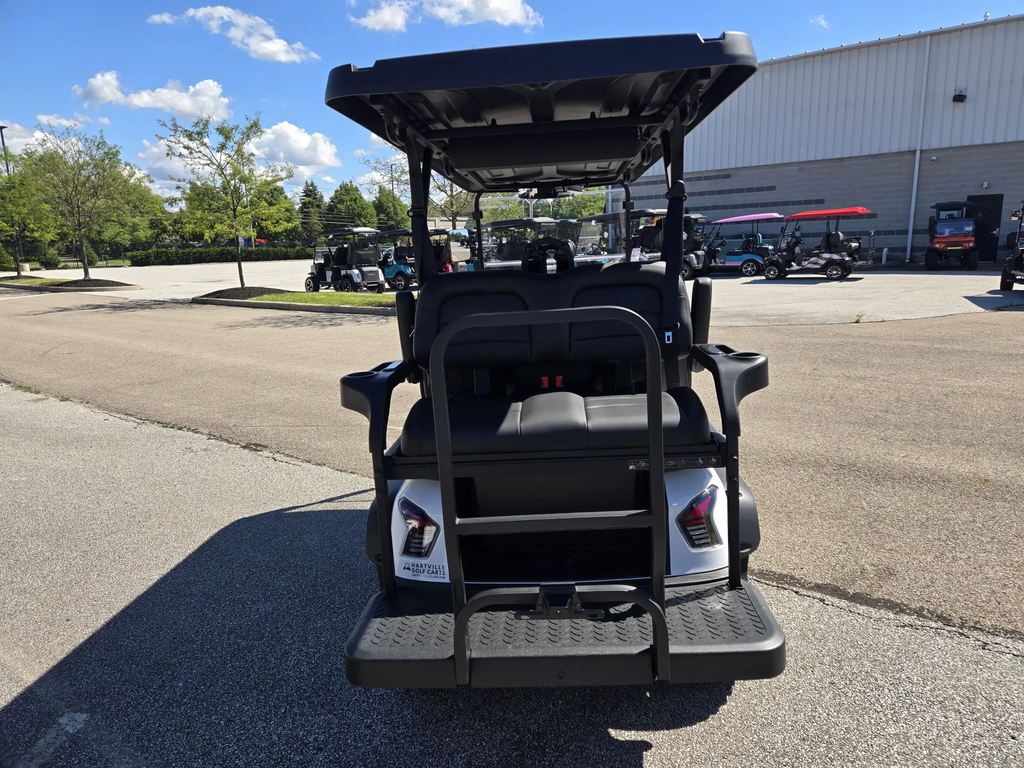
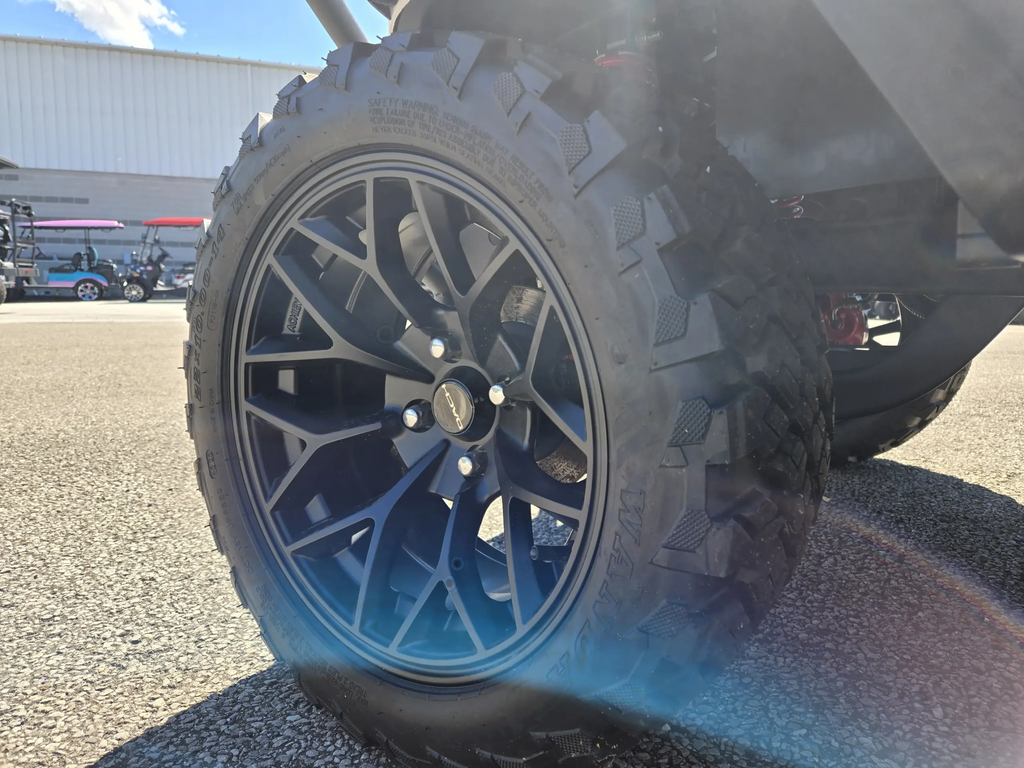
Another reason the answer to how much is a golf cart varies so widely is equipment. Lift kits, larger wheels and tires, premium seats, upgraded lighting, windshields, storage accessories, audio systems, digital displays, and appearance packages can quickly increase the cost. Some carts include many of these features from the factory, while others are customized after purchase.
Buyers should separate useful features from upgrades they simply like visually. A cart used mainly for short trips around private property may not need the same equipment as one intended for frequent passenger transportation. Comparing similarly equipped carts gives a much clearer picture of value than comparing base prices while ignoring thousands of dollars in possible differences in equipment.
Used Golf Cart Condition Can Matter More Than Age
When estimating how much is a golf cart on the used market, condition deserves close attention. Two carts from the same year can have very different values depending on maintenance, storage, usage, and previous repairs. Check the tires, brakes, steering, suspension, seats, body panels, wiring, lights, and charging equipment before agreeing to a price.
Electric-cart buyers should pay particular attention to battery age and condition because replacing a complete battery pack can add a substantial expense after purchase. Gas carts require their own inspection of the engine, fuel system, starter-generator, and related components. A lower purchase price becomes less attractive when major repairs are needed immediately.
Compare The Purchase Price With Long-Term Ownership Costs
The initial price does not completely answer how much is a golf cart over several years of ownership. Electric carts may eventually need battery replacement, while gas models require fuel and routine engine maintenance. Tires, brakes, suspension components, chargers, accessories, and occasional repairs can create additional expenses regardless of the powertrain.
Street-Ready Equipment Can Increase The Total Cost
Intended use can also influence how much is a golf cart. A cart used exclusively on private property may need relatively basic equipment. A vehicle intended for permitted public-road operation may require additional safety equipment and must satisfy applicable state and local requirements. Rules can vary depending on vehicle classification and location.
Headlights, taillights, turn signals, mirrors, windshields, seat belts, and other equipment may already be included on some models or may require additional expense. Buyers should determine their intended use before purchasing rather than buying a basic cart and later discovering that significant upgrades are necessary for the way they want to operate it.
Set A Budget Before Comparing Golf Carts
A practical way to answer how much is a golf cart for your situation is to establish a complete budget before shopping. Decide how many passengers you need to carry, whether you prefer gas or electric power, how frequently the cart will be used, and which features are essential. Then leave room in the budget for maintenance and other ownership expenses.
Price should be considered alongside condition, equipment, battery technology, passenger capacity, and available support. Buyers who need help comparing these factors can review the golf cart options available through Mentor Golf Carts & Trailers. Comparing carts that genuinely fit the intended use is more useful than simply choosing the lowest advertised price.
Conclusion
So, how much is a golf cart? Prices can range from a few thousand dollars for many used models to more than $10,000 for new, larger, or heavily equipped carts. Age, condition, battery type, seating capacity, brand, accessories, and intended use all influence the final price. Consider future battery, maintenance, and repair expenses alongside the purchase price. A cart that costs slightly more initially may provide better overall value when its condition and equipment better match your needs.