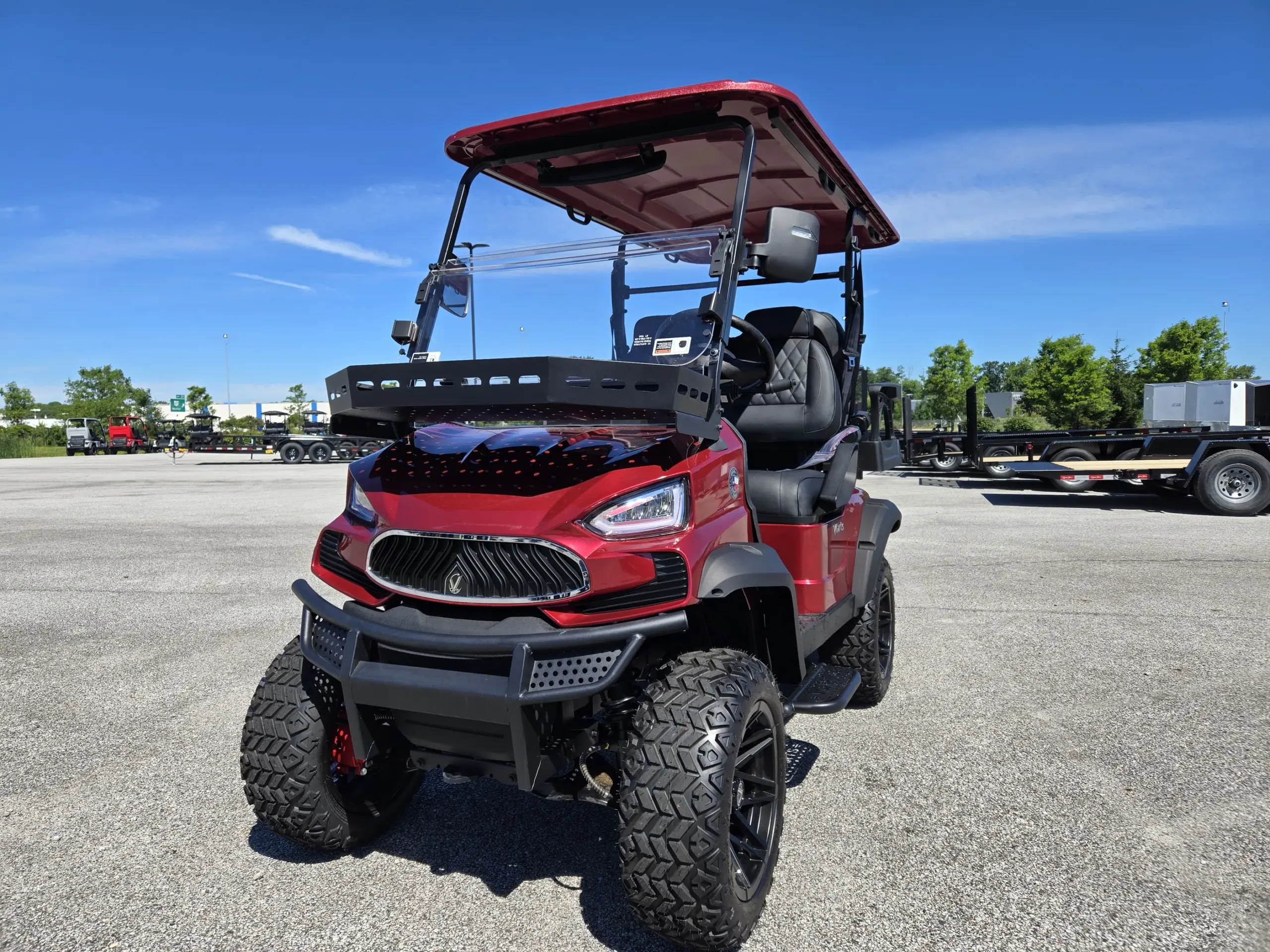
Golf cart prices can vary widely because not every cart is built for the same purpose. A basic two-passenger model used around a golf course costs much less than a lifted four-seater with lithium power, premium seats, large wheels, and street-oriented equipment. Battery type, passenger capacity, condition, accessories, and whether the cart is new or used all affect the final price.
So, how much does golf cart cost? A basic new golf cart may start around $5,000 to $8,000, while mid-range models often fall between $8,000 and $12,000. Premium lithium, lifted, multi-passenger, or highly equipped carts can cost $12,000 to $20,000 or more. Used carts may start around $2,500 to $5,000, although newer used models can cost considerably more. When asking how much does golf cart cost, it is important to compare the complete vehicle rather than only the advertised price. Batteries, accessories, warranties, maintenance, and future upgrades can significantly change long-term ownership costs.
Average Golf Cart Price Range
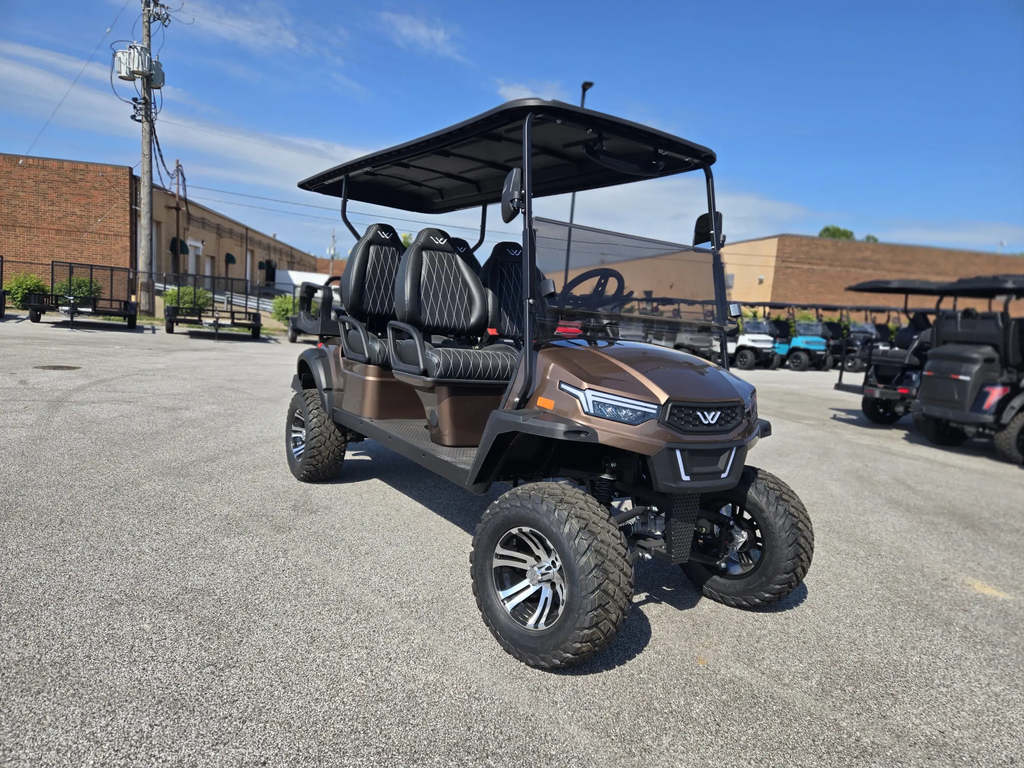
The average golf cart price depends heavily on the type of vehicle being considered. Entry-level carts usually have simpler seating, standard wheels, conventional suspension, and fewer electronic features. These models may fall near the lower end of the market. Mid-range carts often include larger batteries, improved seats, upgraded wheels, better lighting, digital displays, and additional passenger capacity.
Premium models can cost much more because they combine stronger power systems with luxury features and more advanced equipment. Buyers comparing current options can review in-stock golf carts for sale to see how configurations differ across available models. When determining how much does golf cart cost, compare battery chemistry, passenger capacity, warranty coverage, motor specifications, and included accessories. Two carts with similar appearances can have very different prices because one may include features that would cost thousands of dollars to add later.
New Golf Cart Costs
A new golf cart generally costs more than a used model, but buyers receive newer components, current battery technology, warranty protection, and little or no previous wear. Basic new models may cost around $5,000 to $8,000, while carts with additional seating, lithium batteries, larger wheels, upgraded suspension, and premium interiors can move well beyond $10,000.
When considering how much does golf cart cost when purchased new, look beyond the starting price. A lower-priced cart may require additional accessories such as a windshield, rear seat, mirrors, lighting, or upgraded tires. Another model may already include those features in its advertised price. Warranty terms also matter because batteries, controllers, motors, and chargers can be expensive to replace. A slightly higher initial purchase price may provide better long-term value when more equipment and stronger warranty coverage are included from the beginning.
Used Golf Cart Costs
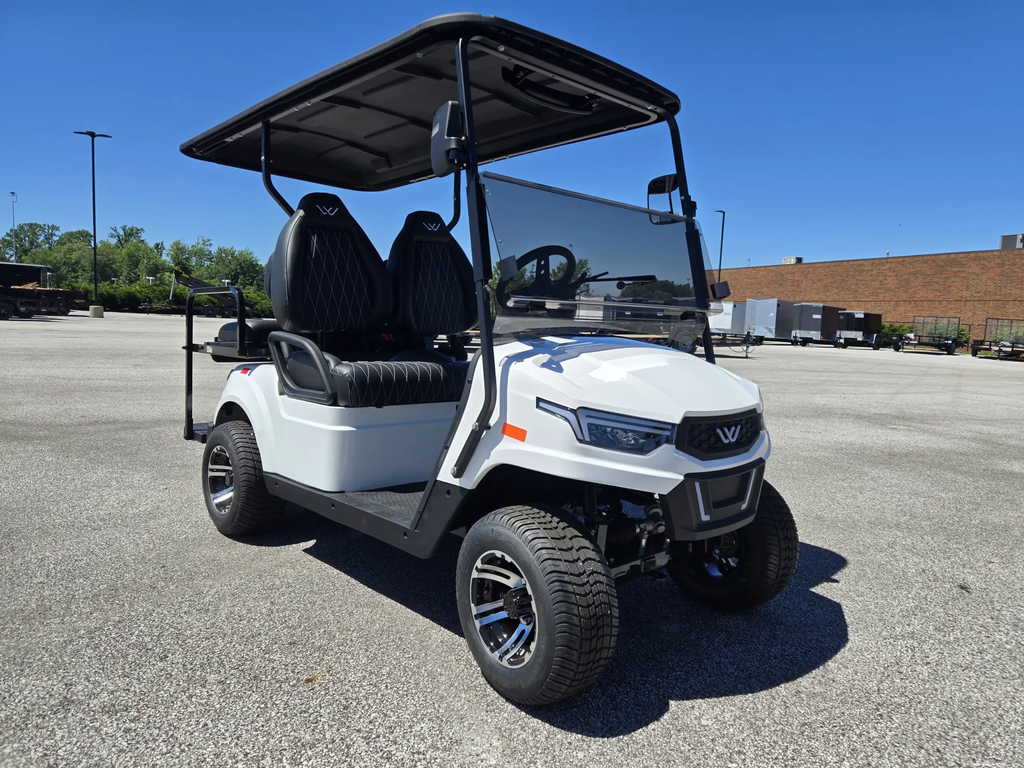
Used golf carts can be an affordable option, particularly for buyers who only need basic transportation. Older carts may sell for around $2,500 to $5,000, while newer used carts with lithium batteries, upgraded seats, custom wheels, or low usage can cost $7,000 to $12,000 or more. Condition matters more than age alone.
A low purchase price can become expensive if the cart immediately needs batteries, tires, brakes, suspension work, or electrical repairs. Battery replacement is particularly important because an aging battery pack can add a substantial expense soon after purchase. Buyers should inspect wiring, steering, brakes, tires, charger operation, frame condition, and battery health before deciding how much does golf cart cost in real terms. Service records can also provide useful information about previous maintenance. A well-maintained used cart at a slightly higher price may ultimately cost less than a cheaper model that requires several repairs during the first year.
Battery Type Can Change Golf Cart Pricing
Battery technology has a major influence on how much does golf cart cost. Traditional lead-acid batteries usually make the initial purchase price lower, but they require routine maintenance and eventually need replacement. Owners must monitor water levels, keep terminals clean, and maintain proper charging habits to get good service life from the pack.
Lithium-powered golf carts normally cost more upfront. However, lithium batteries are lighter, require less routine maintenance, charge efficiently, and can provide a longer useful lifespan. They also tend to maintain more consistent performance as the charge level drops. Battery capacity matters too. A larger lithium battery with greater amp-hour capacity may cost significantly more than a smaller system but can provide additional driving range. Buyers should compare the battery warranty, capacity, expected range, charger, and replacement cost when evaluating two carts with different prices.
Passenger Capacity And Features Affect The Price
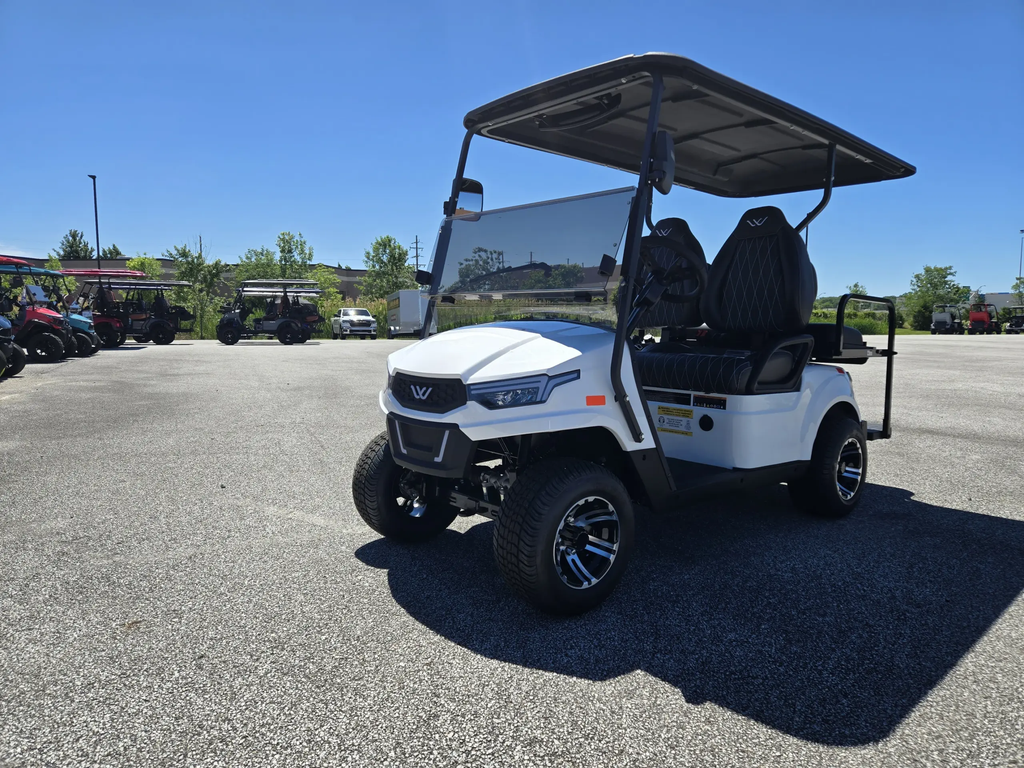
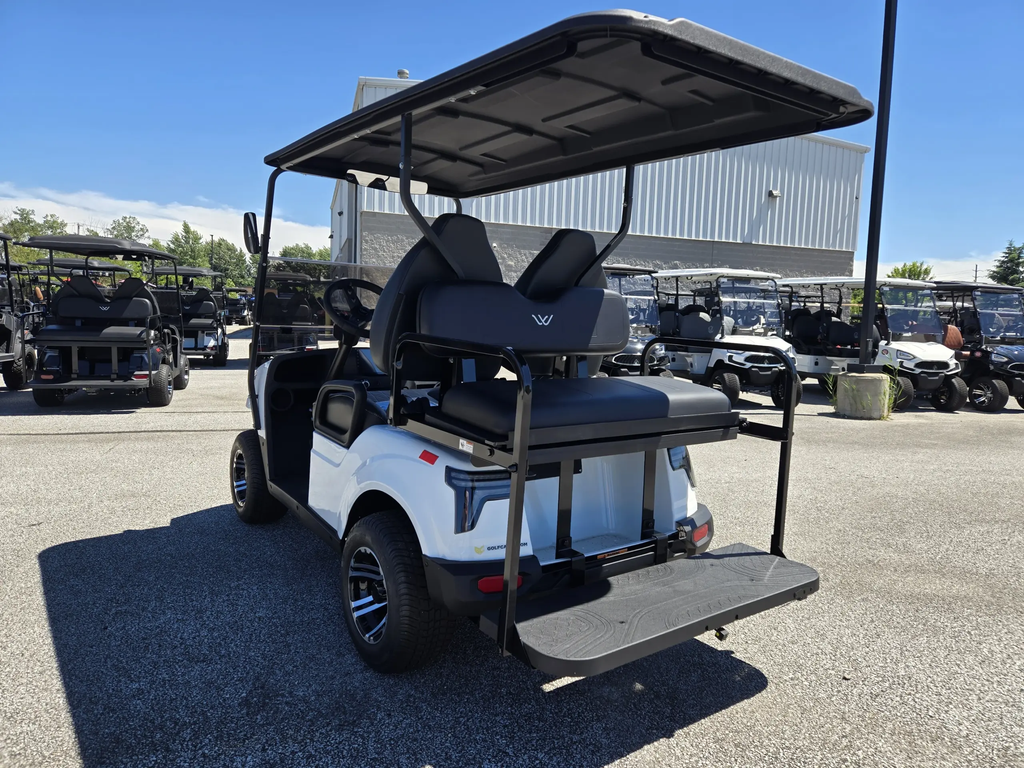
A two-passenger cart generally costs less than a four-passenger or six-passenger model. Larger carts require additional seating, stronger frames, extended roofs, upgraded suspension, and greater carrying capacity. Those changes add material and manufacturing costs, which is why passenger count has a noticeable effect when calculating how much does golf cart cost.
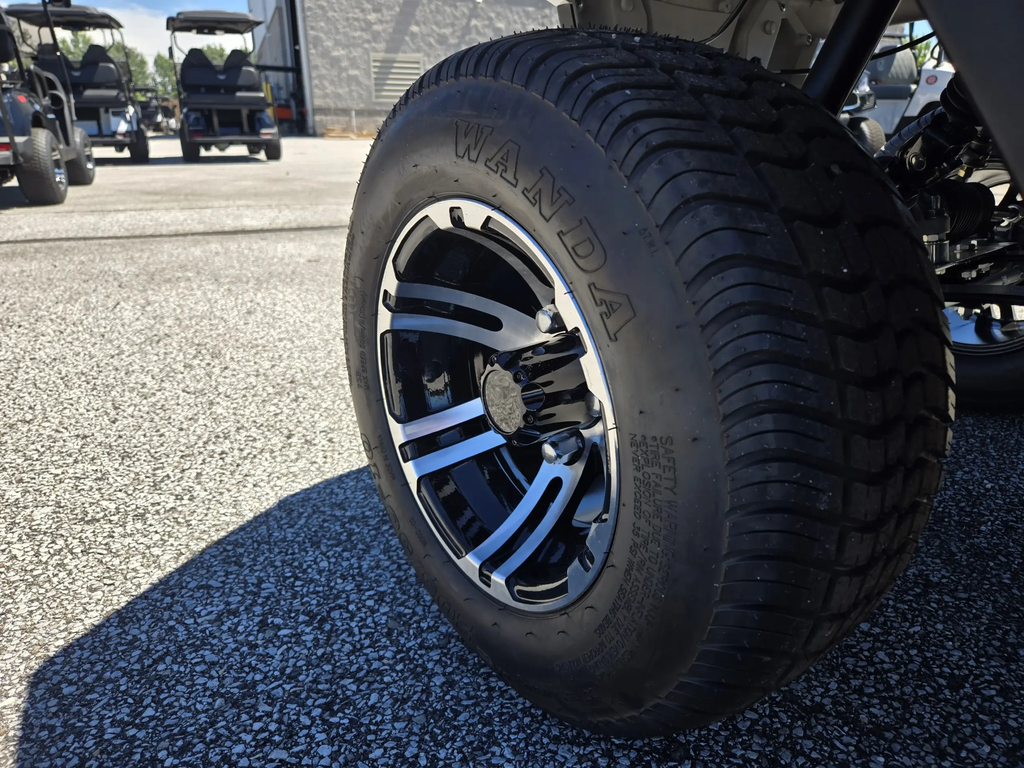
Accessories can increase the price just as quickly. Lift kits, premium wheels, oversized tires, sound systems, touchscreen displays, upgraded upholstery, storage compartments, windshields, mirrors, and lighting packages can add hundreds or even thousands of dollars. Buyers should separate useful upgrades from features they are unlikely to use. If you want a broader comparison of golf cart pricing, our guide on how much golf carts cost explains additional factors that influence the final purchase price. Choosing the right factory configuration can often cost less than adding several upgrades separately after purchase.
Street-Legal Equipment Can Increase Golf Cart Cost
Street-oriented golf carts and low-speed vehicles often cost more because they require additional safety equipment. Headlights, taillights, brake lights, turn signals, mirrors, seat belts, reflectors, windshields, and other components can all raise the purchase price. Registration, insurance, inspections, and title-related expenses may add further ownership costs depending on local laws.
The National Highway Traffic Safety Administration maintains federal information about low-speed vehicle requirements, which helps explain why vehicles designed for road use can require more equipment than conventional golf course carts. If road use is important, determine the required classification before purchasing a cheaper cart and attempting to convert it later. When asking how much does golf cart cost for neighborhood or public-road driving, include both the vehicle price and any required legal equipment. Buying a properly equipped model from the beginning may be simpler than modifying a basic course cart afterward.
Financing And Long-Term Ownership Costs Matter
The advertised purchase price does not represent the complete cost of ownership. Financing can make a higher-priced cart easier to purchase, but interest increases the final amount paid. Buyers should compare the down payment, interest rate, loan duration, and total finance cost instead of looking only at the monthly payment.
Maintenance should also be included when determining how much does golf cart cost over several years. Gas carts require fuel and engine-related maintenance, while electric carts eventually need battery service or replacement. Tires, brakes, suspension parts, chargers, accessories, and electrical repairs can add additional expenses. Storage and insurance may also apply depending on how the cart is used. Setting aside money for ongoing maintenance prevents a manageable purchase price from turning into an unexpected financial burden later. A reliable cart with good dealer support may cost slightly more initially but can provide greater value if it requires fewer repairs and includes dependable warranty coverage.
Conclusion
The best value comes from choosing a cart that matches how it will actually be used. Start with passenger capacity, typical driving distance, terrain, battery preference, storage requirements, and whether road-oriented equipment is necessary. This prevents paying extra for features that provide little practical benefit.
Next, compare complete configurations rather than advertised base prices. A $7,000 cart may seem cheaper than a $9,000 model until you add a lithium battery, rear seat, larger wheels, windshield, and lighting. After those upgrades, the originally more expensive cart may provide better value. When deciding how much does golf cart cost for your needs, include equipment, battery warranty, service support, and expected maintenance. Mentor Golf Carts & Trailers offers golf carts across different passenger capacities, battery systems, and configurations, allowing buyers to compare vehicles based on actual requirements instead of price alone.