
Many golfers start building their golf bag by throwing in every club they own, only to realize later that official golf rules actually limit the number of clubs allowed during a round. That surprise is exactly why so many players search how many golf clubs can you carry before joining tournaments, buying new equipment, or organizing their golf setup properly. According to the official Rules of Golf, players are allowed to carry a maximum of 14 clubs during a round. Carrying more than 14 clubs can lead to penalties in competitive play, even if the extra club is never used. Understanding how many golf clubs can you carry helps golfers avoid costly mistakes while building a smarter and more effective golf bag for different courses and playing conditions.
The Official Golf Rule Allows 14 Clubs
The direct answer to how many golf clubs can you carry is 14 clubs. This rule applies across professional tours, amateur tournaments, school competitions, and most organized golf events worldwide. Golfers can carry fewer than 14 clubs if they prefer, but once the round begins, they cannot exceed the limit. The rule exists to keep competition fair by preventing players from carrying excessive specialty clubs for every possible shot.
You Can Choose Almost Any Club Combination
One reason golfers search how many golf clubs can you carry is that they want to know whether certain clubs are required. The rules do not force players to carry specific club types. Golfers can build their bag however they want as long as the total stays at 14 clubs or fewer. Some golfers carry extra wedges for short-game precision, while others prefer more fairway woods or hybrids, depending on the course and their playing style.
Most Golf Bags Follow A Similar Structure
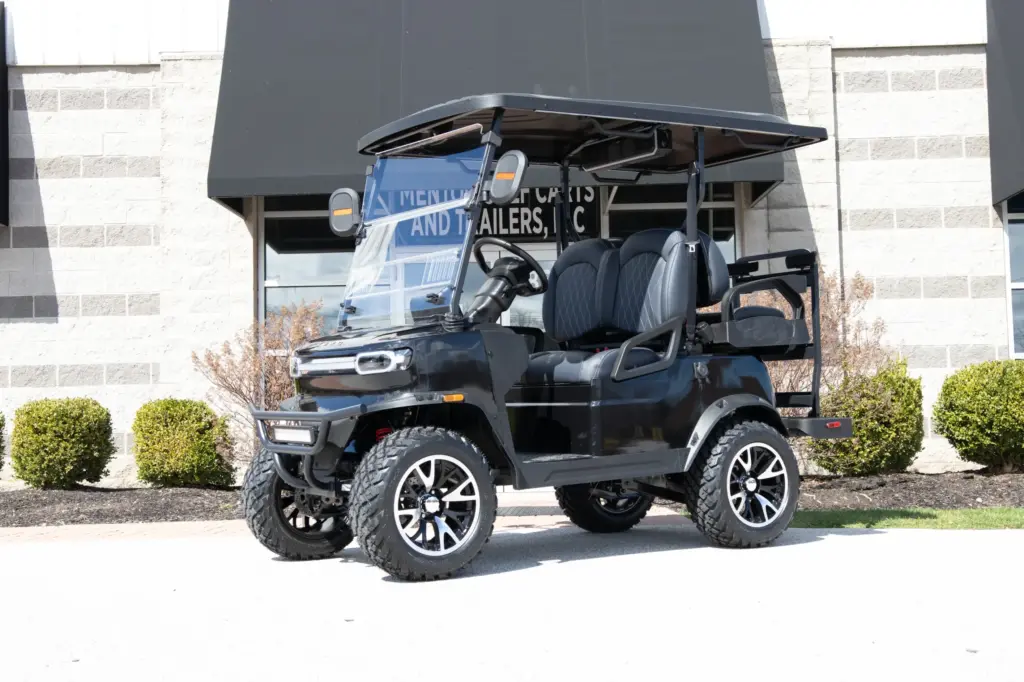
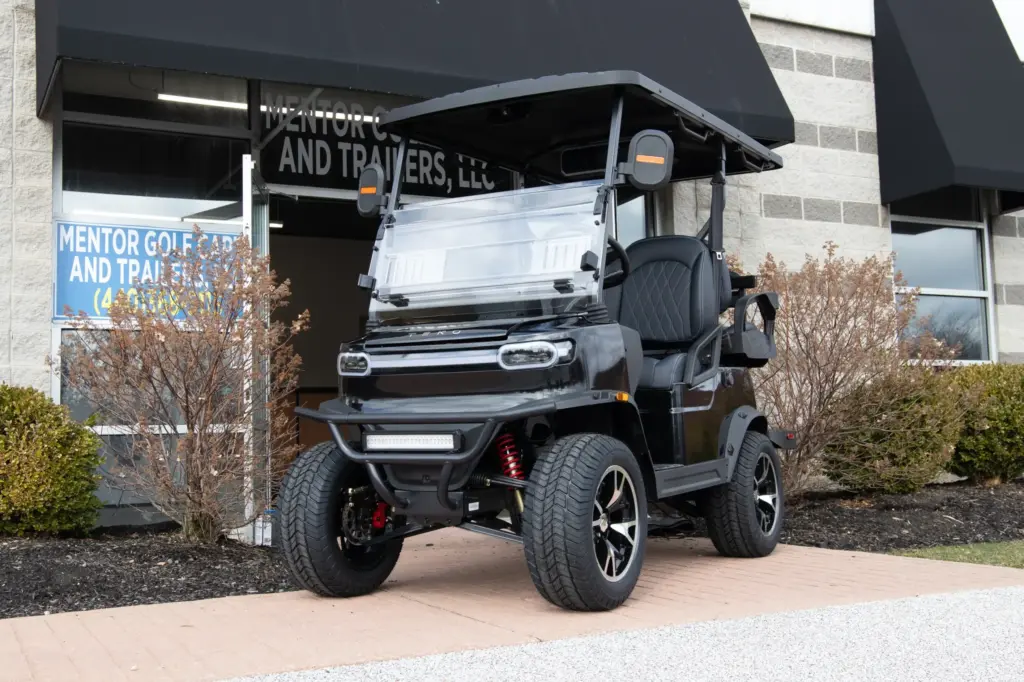
Although every golfer’s setup looks slightly different, most bags include a driver, several irons, wedges, woods or hybrids, and a putter. Each club serves a different purpose during the round. Drivers maximize distance off the tee, irons control approach shots, wedges improve scoring around the green, and putters finish holes on the green itself. Modern golf equipment has evolved significantly, and many golf communities now use vehicles like the Teko Turbo because golf carts remain essential for comfortable transportation around larger courses and recreational communities.
Typical Golf Club Setup
Most golfers organize their 14 clubs to create consistent distance gaps throughout the bag. The table below shows a common setup many players use.
| Club Type | Typical Quantity |
|---|---|
| Driver | 1 |
| Fairway Woods | 2 |
| Hybrids | 1-2 |
| Irons | 5-7 |
| Wedges | 2-4 |
| Putter | 1 |
Players often adjust their setup depending on course difficulty, weather, and personal shot preferences.
The 14 Club Rule Keeps Competition Fair
The main reason behind limiting how many golf clubs can you carry is fairness. Without a limit, golfers could carry dozens of specialized clubs designed for tiny distance differences or unusual situations. The 14-club rule forces players to make strategic decisions before the round begins instead of carrying endless equipment options for every possible shot.
Professional Golfers Change Their Setup Often
Professional golfers rarely use the same setup every week. Course conditions, rough length, weather forecasts, green speed, and tournament strategy all influence how many golf clubs can you carry. Some courses reward aggressive driving, while others demand stronger wedge play and shot control. Players constantly adjust their 14-club setup to match the specific challenges of each tournament.

Beginners Usually Need Fewer Clubs
Many beginners think they need a full 14-club setup immediately, but most new golfers actually benefit from carrying fewer clubs early on. Simpler setups reduce confusion and help newer players focus on improving swing consistency and course management. A beginner can play perfectly well with a driver, a few irons, one wedge, and a putter while learning the basics of the game.
Too Many Clubs Can Slow Decision-Making
Some golfers perform worse when they carry too many complicated options. Standing over the ball while debating between similar clubs often creates uncertainty and slows the pace of play. Experienced players usually prefer reliable yardage gaps and clubs they trust consistently, instead of carrying excessive specialty clubs that rarely get used.
Modern Golf Technology Has Changed Equipment
Golf equipment today looks completely different from the older clubs used decades ago. Manufacturers now use lightweight materials, adjustable weighting systems, carbon fiber designs, and advanced club-face engineering to improve forgiveness and consistency. Despite these improvements, smart course management and consistent swing mechanics still matter far more than simply owning expensive equipment.
Golf Bags Carry More Than Clubs
Golf bags also carry many important accessories during a round. Golf balls, gloves, tees, rangefinders, towels, rain gear, snacks, and water all add extra weight throughout 18 holes. Golfers who walk regularly often pay close attention to bag organization and carrying comfort during long rounds.
Golf Courses Cover Large Distances
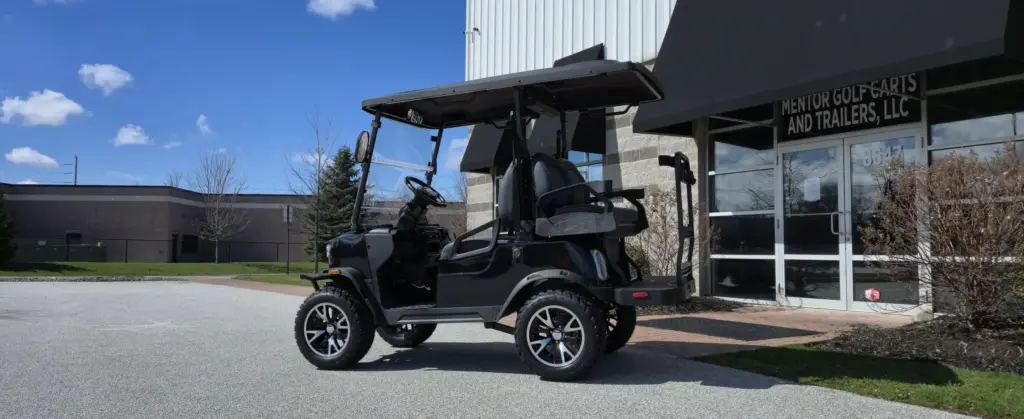
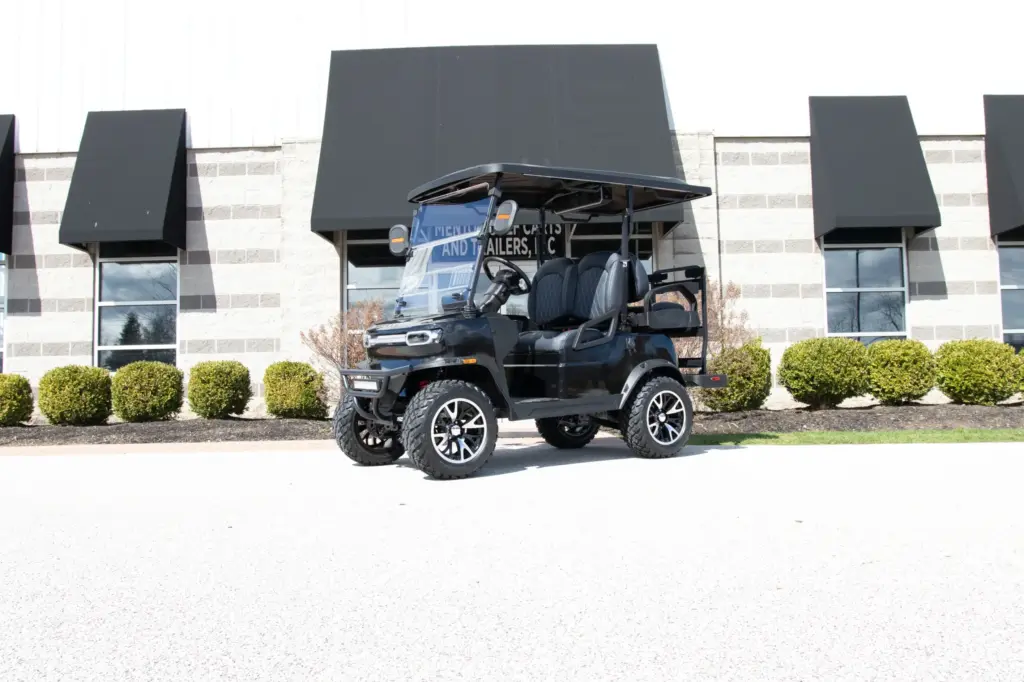
Many championship courses require significant walking between holes, especially during tournaments and busy weekends. Golf carts have become extremely common because they help players conserve energy and move more comfortably around large properties. Some golfers also explore alternative recreational transportation for mobility around golf communities, recreational neighborhoods, and outdoor properties.
Carrying Too Many Clubs Leads To Penalties
Golfers who accidentally carry more than 14 clubs during tournament play may receive penalties under official rules. In stroke play, players receive penalty strokes for holes played with too many clubs up to a maximum limit. In match play, golfers may lose holes because of the violation. Competitive players usually check their bags carefully before every round to avoid costly mistakes.
Weather Conditions Influence Club Selection
Weather plays a major role in club selection before a round begins. Windy conditions may encourage players to carry lower-lofted clubs for better ball flight control, while soft, wet courses may favor different wedge setups. Skilled golfers often adjust their equipment based on course conditions instead of using the same setup every round.
Smart Strategy Matters More Than More Equipment
One common mistake among newer golfers is believing that more clubs automatically improve scores. In reality, smart decision-making, short-game consistency, and understanding personal distances matter much more than carrying expensive specialty clubs. Many skilled golfers score well because they know exactly how far each club travels and how to manage the course effectively.
Golf Continues Growing Worldwide
Golf has expanded far beyond traditional private clubs over the last several decades. Public courses, entertainment venues, driving ranges, simulators, and golf communities continue introducing the game to new players every year. Golf remains popular partly because it combines competition, recreation, social interaction, and outdoor activity into one sport.
Golf Rules Continue Protecting Fair Play
Organizations like the USGA continue to maintain official Rules of Golf and equipment regulations to preserve fairness and consistency throughout both amateur and professional competition worldwide.

Conclusion
The answer to how many golf clubs can you carry is 14 clubs under official golf rules. Players can build nearly any club combination they prefer as long as the total remains within the limit during the round. The rule helps maintain competitive fairness while encouraging golfers to think strategically about equipment selection and course management. Beginners often improve faster with simpler setups, while experienced golfers customize their bags carefully for different conditions and playing styles. Anyone exploring golf carts, recreational transportation, or golf community mobility solutions can visit Mentor Golf Carts & Trailers for additional information and available inventory.