
Trailer owners look at their tires and assume everything is fine because the tread still appears deep, only to experience a dangerous blowout later on the highway. That frustration is exactly why so many people search how long do trailer tires last before hauling campers, golf carts, boats, equipment, or utility loads long distances. Unlike normal vehicle tires, trailer tires often fail because of age, heat, dry rot, or poor storage rather than simple tread wear. In most situations, trailer tires last around 3 to 6 years, but some may wear out much sooner depending on towing habits, climate, weight load, tire quality, and maintenance practices. Knowing how long do trailer tires last helps owners prevent expensive roadside problems, unsafe towing conditions, and premature tire failure.
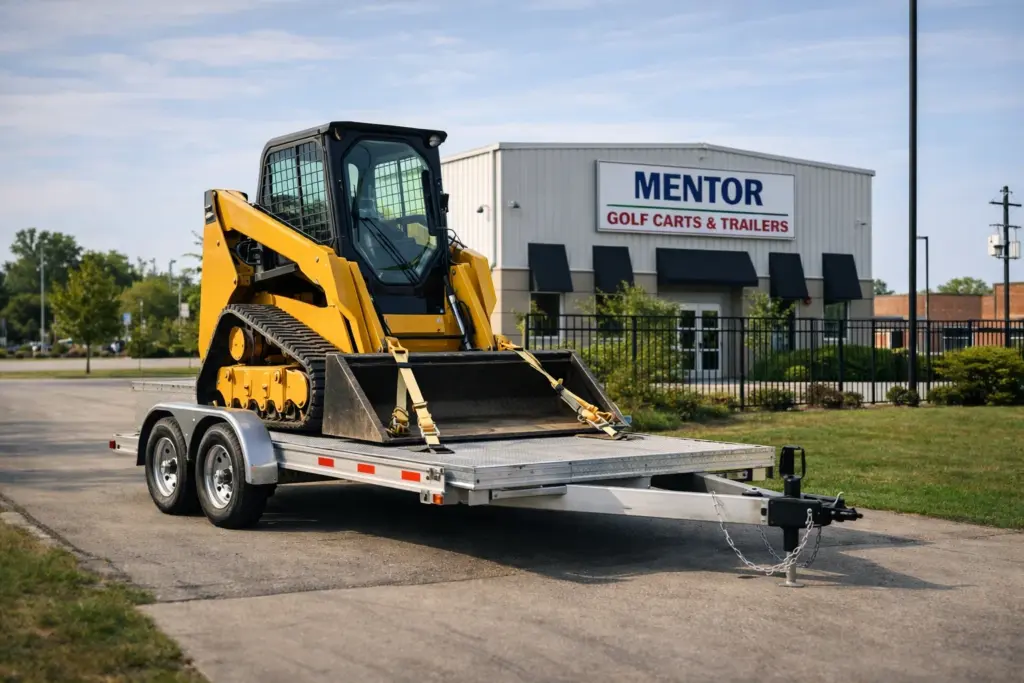
Trailer Tires Wear Differently Than Vehicle Tires
One major reason people search how long do trailer tires last is because trailer tires age differently than passenger vehicle tires. Cars and trucks are driven regularly, which helps keep tire compounds more flexible over time. Trailers, however, often sit parked for weeks or months between trips. Long periods without movement allow rubber compounds to harden, crack, and weaken gradually. Even trailers with excellent tread depth may still need tire replacement because aging rubber becomes unsafe during highway towing.
Most Trailer Tires Last Between 3 And 6 Years
For many owners, trailer tires remain reliable for approximately 3 to 6 years under normal towing conditions. However, there is no universal expiration date for how long do trailer tires last because tire lifespan depends heavily on storage conditions, towing frequency, road conditions, and maintenance quality. A trailer stored indoors and used lightly during mild weather may experience much longer tire life than a heavily loaded trailer exposed to direct sun, freezing winters, and constant highway towing.
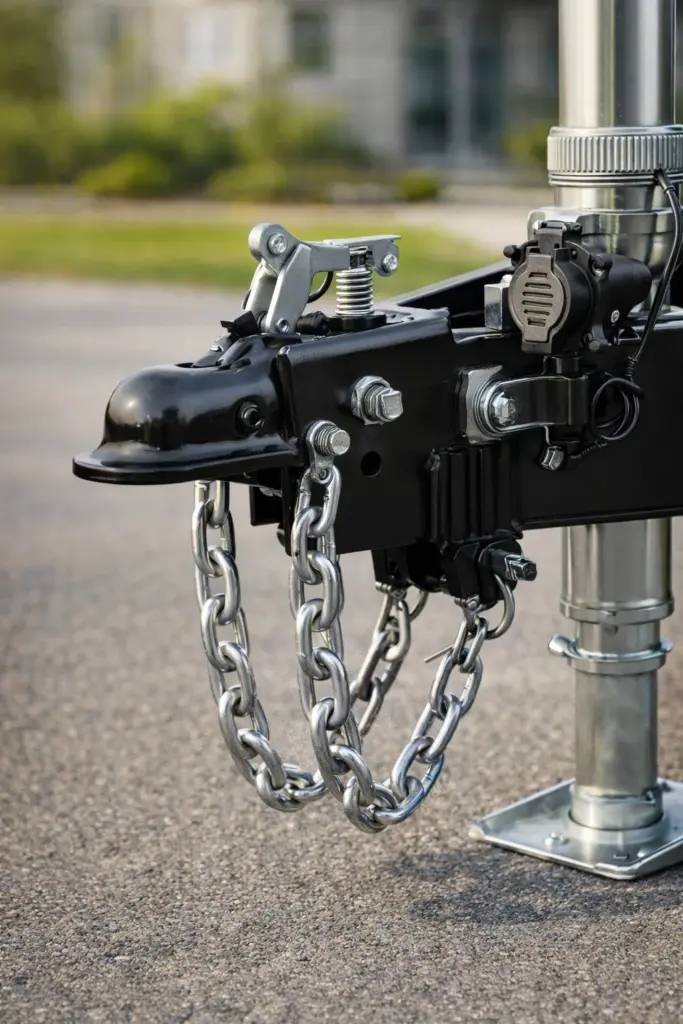
Sunlight Is One Of The Biggest Tire Killers
Another important factor connected to how long do trailer tires last is ultraviolet exposure. Direct sunlight slowly dries out tire rubber and causes sidewall cracking known as dry rot. This damage often appears long before tread wear becomes noticeable. Owners who store trailers outdoors year-round usually experience much faster tire deterioration compared to trailers kept inside garages, covered storage lots, or shaded areas. Tire covers may seem simple, but they often help reduce sun damage significantly during long-term storage.
Common Factors That Affect Trailer Tire Lifespan
Trailer tire longevity depends on much more than mileage alone. The table below highlights several factors that commonly affect trailer tire life.
| Factor | Effect On Tire Life |
|---|---|
| Indoor Storage | Helps extend lifespan |
| Direct Sunlight | Accelerates dry rot |
| Heavy Loads | Increases heat buildup |
| Improper Tire Pressure | Causes uneven wear |
| Frequent Highway Travel | Creates faster deterioration |
| Long Periods Of Storage | Weakens rubber compounds |
Regular inspections and proper storage habits often make a major difference in long-term trailer tire reliability.
Heat Buildup Causes Major Tire Problems
Many trailer owners underestimate how much heat affects tire safety during towing. Underinflated tires flex excessively while rolling, which generates dangerous internal heat buildup at highway speeds. Excessive heat weakens tire structure and dramatically increases blowout risk, especially during summer travel or heavy towing conditions. Trailer tires usually operate under far more stress than many owners realize, particularly during long-distance hauling.
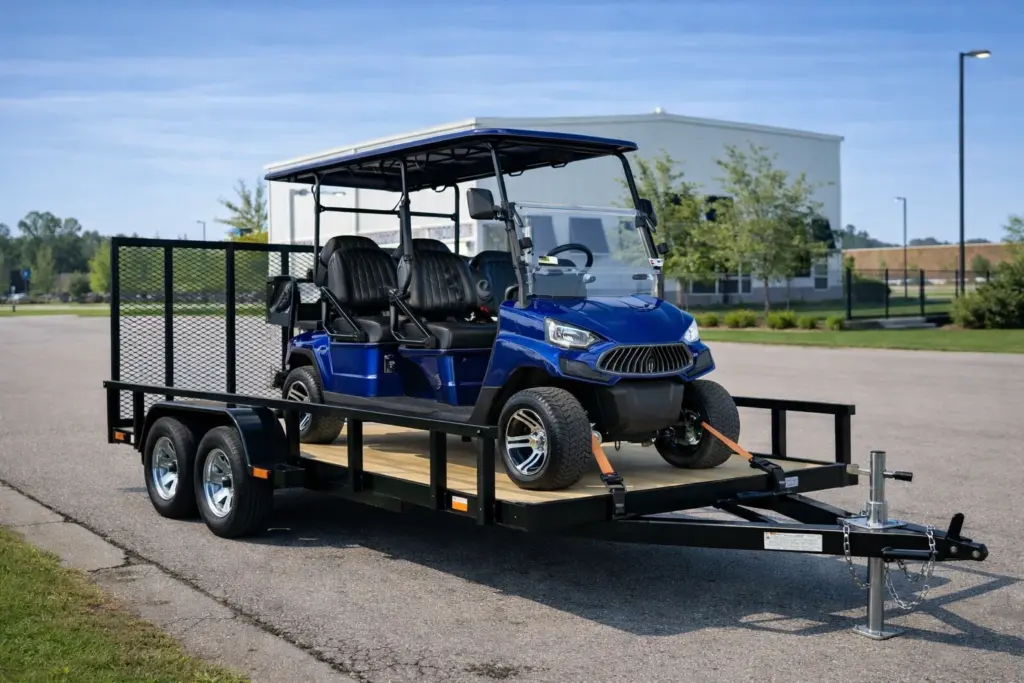
Trailer Tire Pressure Should Be Checked Frequently
One of the simplest ways to improve trailer tire lifespan is maintaining proper tire pressure consistently. Low tire pressure causes faster wear, poor towing stability, and excessive sidewall flexing during travel. Overinflated tires may also create problems by reducing road contact and causing uneven wear patterns. Experienced trailer owners typically check tire pressure before every trip rather than relying on occasional inspections.
Heavy Trailers Wear Tires Much Faster
Another overlooked reason people ask how long do trailer tires last is because trailer weight affects tire lifespan heavily. Overloaded trailers place tremendous stress on tires, suspension systems, wheel bearings, and axles. Even if the trailer feels stable while towing, excess weight may still overheat tires internally during highway driving. Owners hauling golf carts, utility vehicles, campers, or construction equipment should always verify trailer payload ratings carefully before loading.
Weather In Ohio Can Shorten Tire Life
Owners in Northeast Ohio and similar climates often deal with snow, freezing temperatures, road salt, and seasonal moisture that accelerate tire aging and trailer wear. Cold temperatures stiffen tire rubber while moisture exposure increases long-term deterioration. Trailers stored outdoors through Ohio winters commonly experience faster cracking and sidewall damage than trailers protected indoors during colder months.
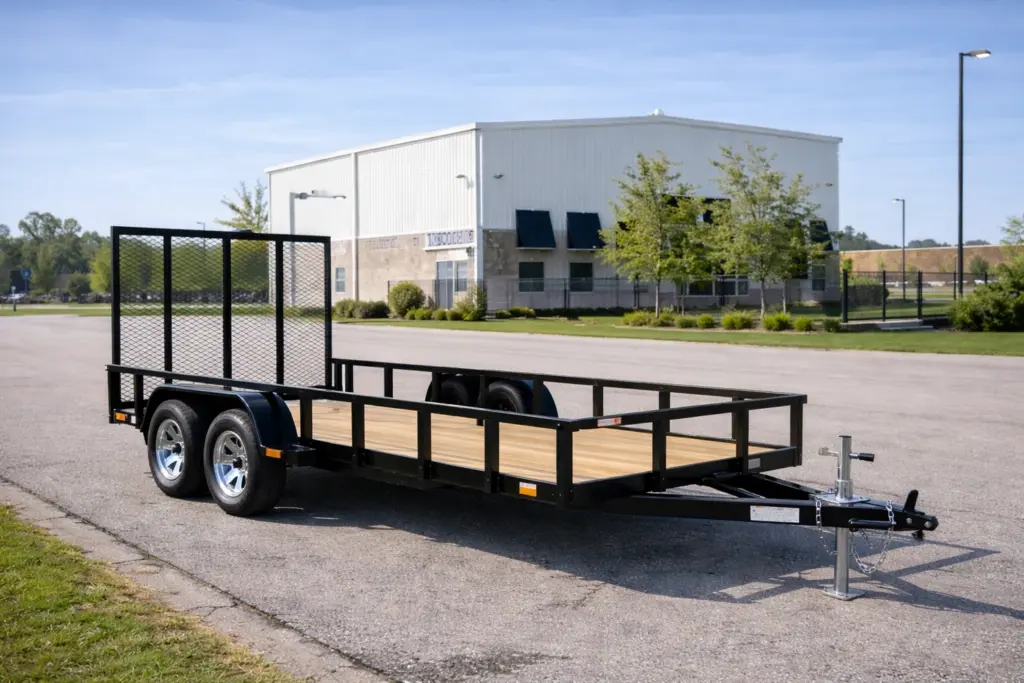
Trailer Tires Usually Age Out Before Tread Wears Down
One reason trailer tire safety becomes confusing is that many tires still look visually acceptable when they are actually unsafe. Unlike passenger vehicle tires, trailer tires often fail because of internal structural aging instead of worn tread. Sidewall cracks, vibration, bulges, uneven wear, and dry rot usually matter more than tread depth alone. Owners should inspect trailer tires carefully even when the tread still appears deep.
Quality Tires Often Last Longer
Not all trailer tires are built with the same durability or heat resistance. Higher-quality trailer tires often include stronger sidewalls, better rubber compounds, and improved structural reinforcement designed specifically for heavy towing. Buyers investing in larger hauling equipment frequently compare durable towing setups like the Quality Trailers 82×22 Split Tilt Fender Equipment Trailer because safe hauling depends heavily on both trailer quality and reliable tire performance.
Travel Trailers Place Extra Stress On Tires
Travel trailers and campers create unique towing demands because they are often hauled long distances at highway speeds while carrying varying cargo loads. Tire balance, trailer sway, road conditions, and changing weight distribution all increase tire stress during RV travel. Owners preparing for longer camping trips often benefit from understanding what is a travel trailer and how towing conditions affect tire wear over time.
Improper Storage Damages Tires Faster
Parking trailers on wet grass, dirt, or uneven surfaces for extended periods; all affect on how long do trailer tires last. They may accelerate moisture exposure and sidewall deterioration. Flat spots can also develop when trailers remain stationary too long without movement. Owners who move trailers occasionally and store them on stable, dry surfaces usually experience better tire longevity overall.
Wheel Bearings And Alignment Matter Too
Some trailer tire wear problems are not caused by the tires themselves. Poor axle alignment, worn suspension components, or failing wheel bearings; all together affect how long do trailer tires last. These can create uneven tire wear and additional stress during towing. Trailer owners who perform regular maintenance inspections often catch these problems before they destroy expensive tires prematurely.
Blowouts Can Cause Serious Highway Damage
Trailer tire blowouts can become extremely dangerous at highway speeds. Failed tires may damage trailer fenders, brake wiring, suspension systems, nearby traffic, or even the trailer itself during sudden failure. Sudden tire separation may also reduce towing stability dramatically, especially while hauling heavier loads or driving during poor weather conditions.
Modern Trailer Owners Tow More Than Ever
One reason searches for how long do trailer tires last continue increasing is because more people now rely on trailers for recreational travel, golf carts, utility vehicles, outdoor equipment, and camping transportation. Some outdoor enthusiasts also compare utility-focused recreational vehicles like the Landmaster Classic N6 when evaluating hauling needs for larger properties and outdoor recreation.
Regular Tire Inspections Prevent Expensive Problems
Experienced trailer owners usually inspect tires before every major trip instead of waiting for obvious damage to appear. Checking sidewalls, tire pressure, tread condition, and overall wear patterns helps identify problems early before they become dangerous on the highway. Preventive replacement often costs far less than dealing with roadside blowouts and emergency repairs later.
Trailer Tire Safety Awareness Continues Growing
Organizations like the Trailer Life continue emphasizing trailer tire safety, towing preparation, and weight management because tire failures remain one of the leading causes of roadside trailer emergencies throughout the country.
Conclusion
The answer to how long do trailer tires last depends heavily on storage conditions, trailer weight, towing frequency, tire quality, and maintenance habits. Many trailer tires remain reliable for roughly 3 to 6 years, although age-related cracking often matters more than tread wear alone. Proper tire pressure, indoor storage, balanced loads, and routine inspections all help improve tire lifespan while reducing blowout risk during towing. Owners who replace aging tires early and maintain trailers carefully usually experience much safer and more dependable travel overall. Anyone exploring trailers, towing equipment, or hauling solutions can visit Mentor Golf Carts & Trailers Service Department for additional information and support.