
Whether you use a utility trailer for landscaping, hauling ATVs, moving equipment, or weekend home improvement projects, understanding the legal requirements before towing is essential. One of the most common questions new owners ask is, do utility trailers need license plates? The answer is usually yes, but the exact requirements depend on where the trailer is registered, how it is used, its weight, and state law.
Some owners assume that because the trailer has no engine, it does not require registration or a license plate. In reality, most utility trailers operated on public roads must display a valid plate issued by the appropriate state agency. Learning do utility trailers need license plates before purchasing or using a trailer helps owners avoid citations, registration delays, and unnecessary legal complications.
Do Utility Trailers Need License Plates?
In most states, the answer to do utility trailers need license plates is yes. Utility trailers that travel on public roads generally require registration and a license plate issued by the state’s motor vehicle agency. The plate identifies the trailer, connects it to registration records, and allows law enforcement to verify that it is legally operating on public highways.
Although the general answer is yes, requirements vary from state to state. Some states have different registration rules for lightweight utility trailers, homemade trailers, farm trailers, or trailers used exclusively on private property. That is why anyone asking do utility trailers need license plates should verify the requirements where the trailer will actually be registered rather than relying on information from another state. Understanding these differences before purchasing a trailer helps owners complete the registration process much more smoothly.
Why Utility Trailers Need License Plates
Many first-time owners wonder why a trailer needs its own plate when it is already connected to a licensed tow vehicle. The reason is that the trailer is considered a separate vehicle for identification purposes. Registration allows state agencies to track ownership, confirm taxes and fees have been paid, and verify that the trailer meets applicable legal requirements.
Learning do utility trailers need license plates also protects buyers when purchasing a used trailer. A properly registered trailer with matching ownership documents is usually much easier to insure, finance, sell, and transfer to another owner. Registration records also help establish ownership if the trailer is ever stolen or involved in an accident. Rather than viewing registration as unnecessary paperwork, experienced trailer owners see it as an important part of protecting their investment.
When A Utility Trailer May Not Need A License Plate
Although most utility trailers require registration, there are situations where exceptions apply. Some states exempt trailers used entirely on private property because they never operate on public roads. Agricultural trailers, certain implements of husbandry, or lightweight trailers below specific weight limits may also qualify for different registration rules depending on state law.
However, these exceptions should never be assumed. Owners researching do utility trailers need license plates should always verify local requirements before towing the trailer onto a public roadway. A trailer that is exempt in one state may require full registration immediately after crossing into another state or changing ownership. Checking registration requirements before your first trip helps prevent citations while ensuring the trailer is legally ready for everyday use.
Registering A Utility Trailer For The First Time
After understanding do utility trailers need license plates, the next step is learning how registration usually works. Most owners must provide proof of ownership, such as a title or manufacturer’s certificate of origin, complete a registration application, pay the required fees, and obtain a license plate before using the trailer on public roads.
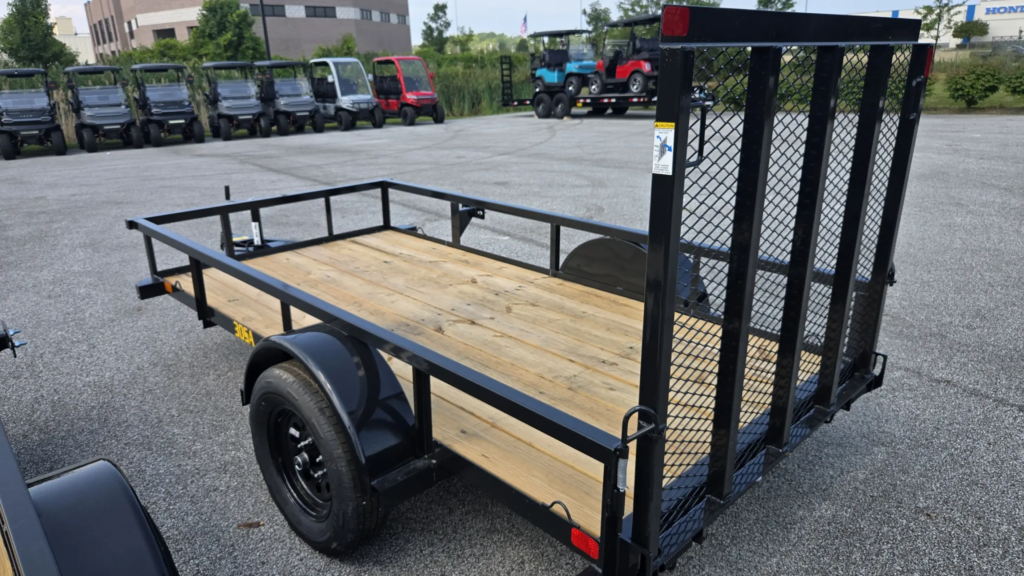
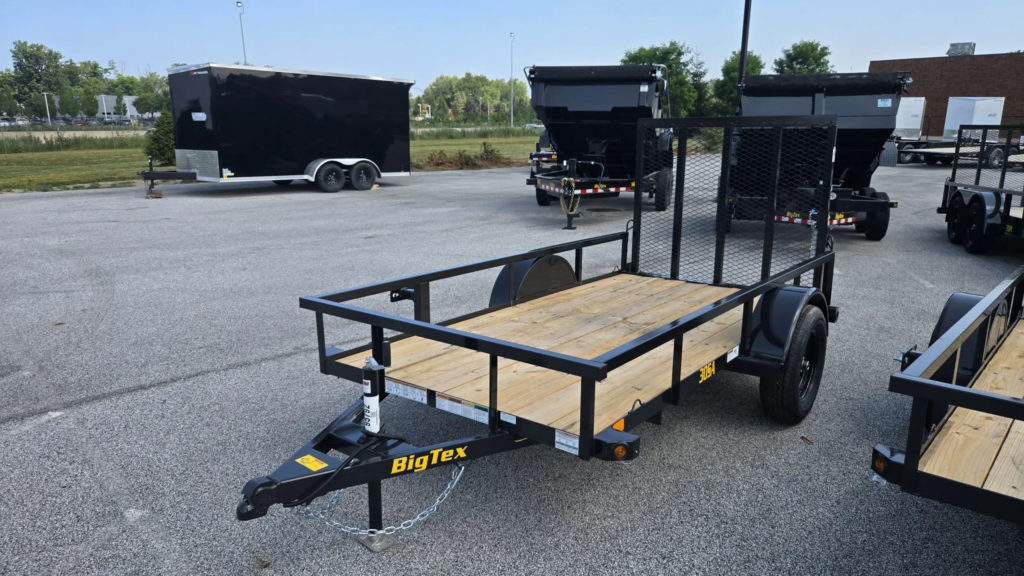
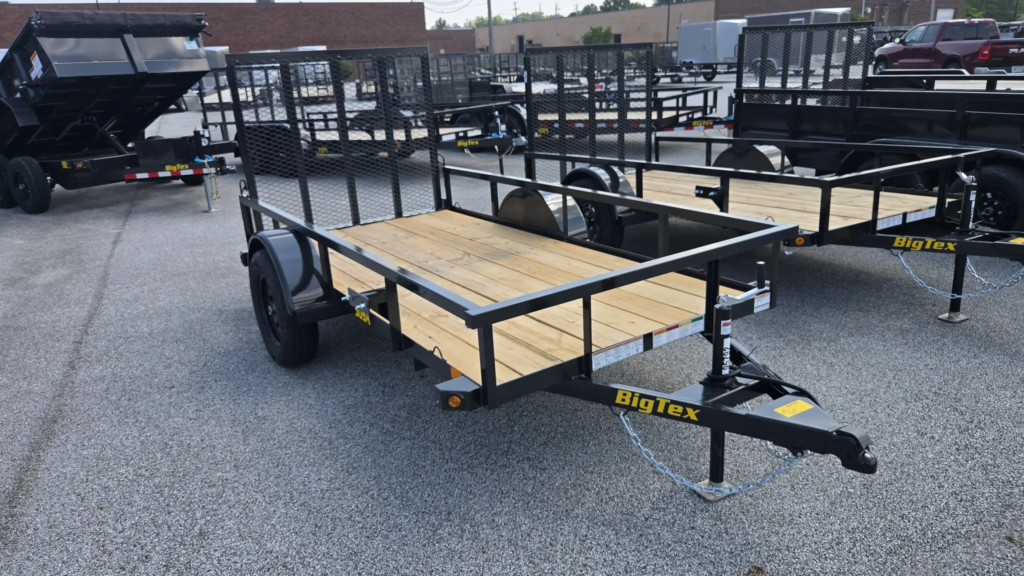
Buyers shopping for dependable hauling equipment often compare models within the Big Tex Trailers- 60″x10′ Utility Trailer 30SA, where proper ownership documentation simplifies the registration process. Having accurate paperwork from the beginning makes obtaining plates much easier while helping owners enjoy their trailer without unnecessary administrative delays.
What Happens If You Tow Without A License Plate?
Understanding do utility trailers need license plates also means understanding the consequences of towing a trailer that is not properly registered. In many states, operating an unregistered utility trailer on a public road can result in traffic citations, fines, registration penalties, or the trailer being removed from service until the proper paperwork is completed. These consequences vary by state, but they can usually be avoided by registering the trailer before it is used.
Even if the trailer is brand new, owners should complete the registration process before assuming it is ready for public roads. Some dealerships issue temporary registration documents, while others provide the paperwork needed to obtain permanent plates. Anyone asking do utility trailers need license plates should verify whether temporary permits apply in their state rather than relying on assumptions. Taking care of registration before the first trip helps avoid unnecessary delays and allows owners to tow with confidence.
Do License Plate Rules Change Between States?
Yes. One reason the question do utility trailers need license plates is so common is because registration laws differ across the United States. Some states register nearly every utility trailer regardless of size, while others provide exemptions for certain lightweight trailers, farm trailers, or trailers used exclusively on private property. Registration fees, renewal schedules, and title requirements also vary.
If you move to another state or purchase a trailer from outside your home state, check the local registration rules before towing it regularly. A trailer legally registered in one state may require additional paperwork after relocation. Understanding do utility trailers need license plates means recognizing that local regulations always take priority over information from another jurisdiction. Reviewing your state’s motor vehicle requirements before registering the trailer helps prevent unexpected paperwork issues later.
Keep Your Registration And Plate In Good Condition
Once the trailer has been registered, owners should make sure the plate remains securely attached and clearly visible. Mud, cargo, damaged brackets, or bent plates can make identification difficult and may result in unnecessary traffic stops. Registration paperwork should also be stored safely so it can be produced if requested by law enforcement or during ownership transfers.
Organizations such as the American Association of Motor Vehicle Administrators encourage vehicle owners to keep registration information current and follow state licensing requirements. Keeping records organized makes renewals, ownership transfers, and registration updates much easier throughout the trailer’s lifetime. Owners who understand do utility trailers need license plates also recognize the importance of renewing registrations before they expire.
Registering Your Trailer Is Part Of Responsible Ownership
Knowing do utility trailers need license plates is only one part of responsible trailer ownership. Regular maintenance, safe loading practices, working lights, properly inflated tires, and secure safety chains all contribute to safe towing. Registration simply confirms that the trailer has been legally identified for operation on public roads.
Before every trip, inspect the trailer thoroughly and verify that the plate remains visible and securely mounted. Combining routine maintenance with proper registration helps reduce roadside problems while protecting both the trailer owner and other drivers. Taking these simple steps helps utility trailer owners enjoy years of dependable service with fewer legal or mechanical issues.
Conclusion
So, do utility trailers need license plates? In most cases, yes. Understanding do utility trailers need license plates helps owners complete registration correctly, comply with state laws, and avoid unnecessary fines or delays. Because registration requirements vary by state, always verify local regulations before towing a trailer on public roads. Keeping the trailer properly registered, maintaining accurate paperwork, and following safe towing practices will make ownership much simpler. To explore quality utility trailers and receive expert guidance, visit Mentor Golf Carts & Trailers.