
Purchasing a trailer is exciting, whether it will be used for hauling equipment, transporting vehicles, supporting a business, or enjoying weekend adventures. Before completing the purchase, however, there is one important question every buyer should answer: do trailers have titles? The answer depends on several factors, including the trailer’s weight, type, intended use, and the laws of the state where it is registered. Some trailers require both a title and registration, while others may only require registration or a bill of sale. Understanding these differences before buying or selling a trailer can prevent delays, registration problems, and unexpected legal issues later.
Do Trailers Have Titles?
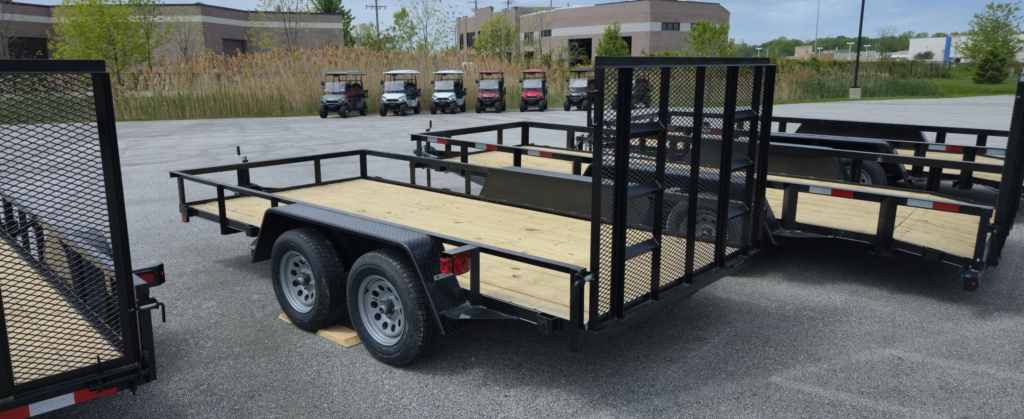
Yes, many trailers have titles, but not every trailer is treated the same under state law. Larger trailers, enclosed cargo trailers, travel trailers, equipment trailers, and trailers with higher weight ratings commonly require a certificate of title. Smaller utility trailers may follow different requirements depending on the state where they are registered.
Because every state establishes its own trailer regulations, there is no single nationwide rule. Some states issue titles for nearly every trailer, while others only require titles once the trailer exceeds a certain weight or value. Before purchasing any trailer, owners should verify the requirements through their local motor vehicle agency instead of assuming every trailer follows identical rules.
Why Trailer Titles Are Important
A trailer title serves as legal proof of ownership. It identifies the registered owner and helps document the trailer’s history whenever it is sold, transferred, financed, or inherited. Without proper ownership documentation, completing a sale or registering the trailer can become much more complicated.
Titles also protect buyers. When purchasing a used trailer, comparing the title with the trailer’s identification information helps verify that the seller legally owns the trailer. This simple step reduces the risk of unknowingly purchasing stolen property or a trailer with unresolved ownership issues.
Which Types Of Trailers Usually Have Titles?
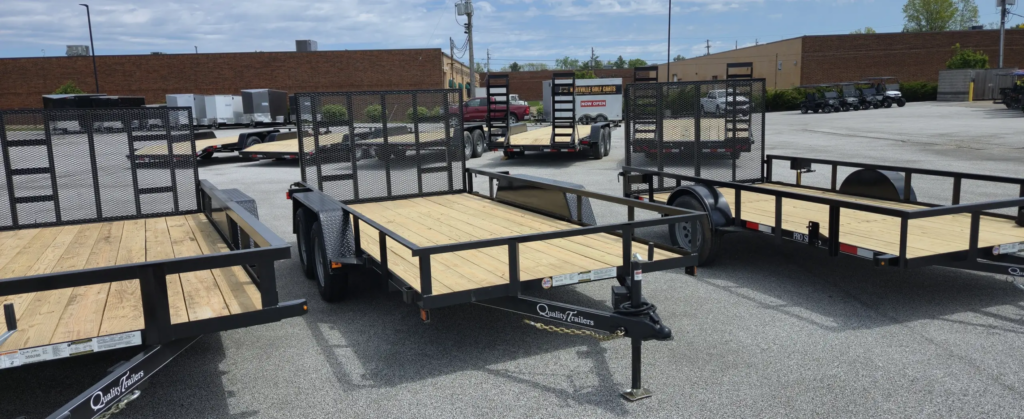
Although laws vary, larger and higher-value trailers are much more likely to require titles than smaller utility trailers. Enclosed cargo trailers, travel trailers, car haulers, dump trailers, equipment trailers, livestock trailers, and many commercial trailers are commonly titled because of their value and intended use.
Utility trailers may fall into different categories depending on their gross vehicle weight rating (GVWR). In some states, lightweight utility trailers require only registration, while heavier models must be titled before they can legally operate on public roads. Buyers considering premium hauling equipment often compare models within the Quality Trailers 82″X14′ Landscape Trailer, where ownership documentation is an important part of the purchasing process.
Buying A Used Trailer Without A Title
Finding a used trailer at an attractive price can be tempting, but buyers should proceed carefully if the seller cannot provide a title when one is legally required. Missing ownership documents often create delays during registration and may require additional inspections, affidavits, or applications before the trailer can legally change ownership.
That does not automatically mean the trailer has a problem. Older trailers, homemade trailers, or trailers from states with different title laws may have legitimate reasons for missing paperwork. Even so, buyers should verify the trailer’s identification number, request a detailed bill of sale, and confirm local title requirements before completing the purchase. Taking these precautions helps avoid costly surprises and makes the registration process much smoother.

How Trailer Titles Are Transferred
Selling or buying a titled trailer involves more than exchanging money and handing over the keys. The current owner usually signs the title to transfer ownership, and the buyer must submit the completed paperwork to the appropriate state agency within the required timeframe. Depending on the state, buyers may also need a bill of sale, proof of identification, registration forms, and payment for applicable taxes and title fees.
Taking time to review the title before signing is important. Verify that the vehicle identification number (VIN) matches the trailer, confirm the seller’s name matches the title, and check that there are no obvious alterations or missing information. Correcting paperwork before leaving the seller is much easier than trying to resolve title issues after the transaction has been completed.
What Happens If A Trailer Title Is Lost?
Losing a trailer title does not necessarily prevent ownership from being proven, but it does create additional paperwork. Most states allow owners to apply for a replacement title by submitting an application, verifying ownership, and paying the required fee. If there is a lien against the trailer, additional documentation from the lender may also be required before a duplicate title can be issued.
Buyers should be cautious when purchasing a trailer whose owner promises to “send the title later.” Whenever possible, complete the transaction only after the title is available or verify with the appropriate motor vehicle agency that an acceptable alternative process exists. This simple precaution helps prevent ownership disputes and registration delays.
VIN Numbers And Titles Work Together
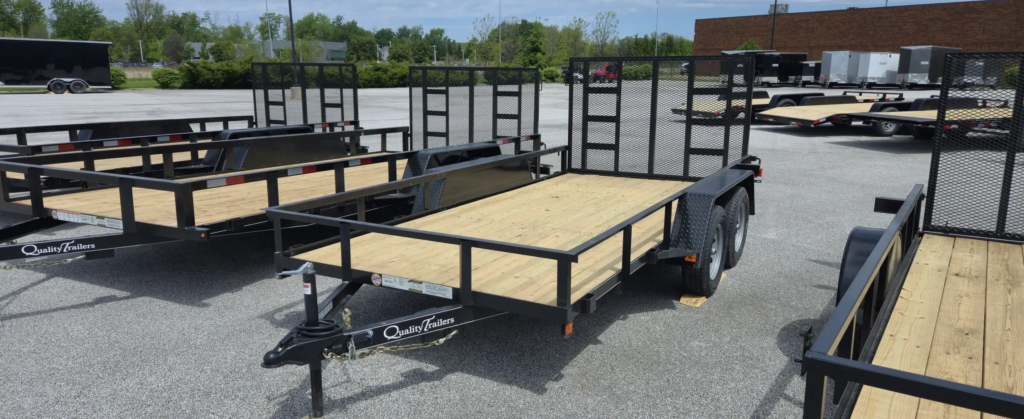
A trailer title and the vehicle identification number serve different purposes, but they are closely connected. The VIN uniquely identifies the trailer, while the title establishes legal ownership. Before buying any used trailer, compare the VIN stamped on the trailer with the VIN listed on the title to make sure both records match exactly.
Organizations such as the National Insurance Crime Bureau encourage buyers to verify vehicle identification information before completing a purchase. Confirming these details helps reduce the risk of fraud and makes it easier to identify potential ownership or theft concerns before money changes hands.
Keep Your Ownership Documents Safe
Once you receive the title, store it in a secure location rather than inside the trailer itself. Titles are valuable legal documents that may be required when selling, refinancing, registering, or insuring the trailer. Keeping copies of the bill of sale, maintenance records, registration paperwork, and purchase receipts alongside the title can also simplify future ownership transactions.
If you move to another state, review the new state’s title and registration requirements because they may differ from those where the trailer was originally purchased. Staying organized helps prevent unnecessary delays whenever ownership records need to be updated.
Conclusion
So, do trailers have titles? Many do, but the exact requirements depend on the trailer’s type, weight, value, and the laws of the state where it is registered. Verifying title requirements before buying or selling a trailer helps protect both parties while making registration much easier. Always compare the title with the trailer’s VIN, keep ownership records organized, and resolve missing paperwork before completing a purchase. If you are shopping for a quality trailer or need expert guidance, visit Mentor Golf Carts & Trailers.