
Golf carts have become much more advanced over the years, especially as many models are now used for neighborhood transportation, recreational driving, and even limited public-road travel. That is exactly why many owners search do golf carts have VIN numbers before registering a cart, buying insurance, checking ownership records, or purchasing a used golf cart. The answer depends on the type of golf cart involved. Traditional golf carts often use serial numbers instead of full Vehicle Identification Numbers, while street-legal golf carts and Low-Speed Vehicles usually have official 17-digit VIN numbers similar to regular automobiles. Understanding do golf carts have VIN numbers helps buyers identify their carts correctly, verify ownership information, and comply with local registration or insurance requirements.
Traditional Golf Carts Usually Use Serial Numbers
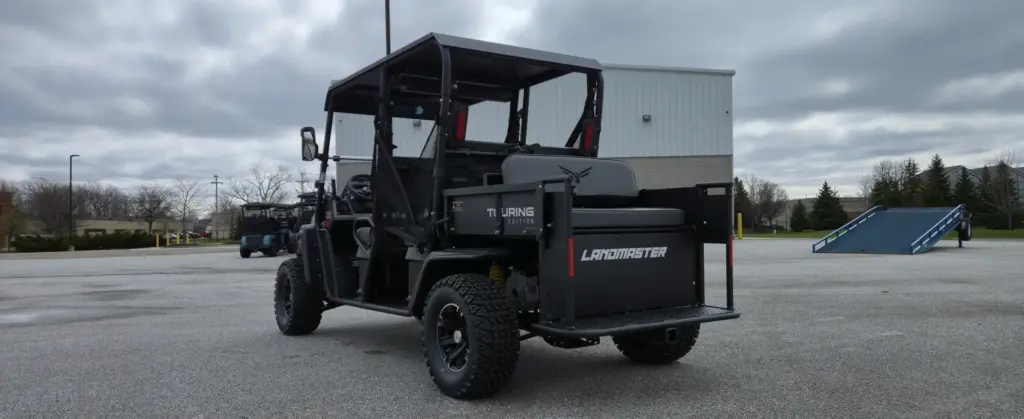
The first thing owners should understand when researching do golf carts have VIN numbers is that many standard golf carts do not use full automotive-style VIN numbers. Instead, manufacturers commonly assign serial numbers or manufacturer identification numbers to identify production details and model information. These serial numbers help dealerships identify the year, model, and specifications of the golf cart for maintenance and parts ordering purposes. Most golf course-only golf carts fall into this category and are not considered road-legal motor vehicles.
Street Legal Golf Carts Usually Have VIN Numbers
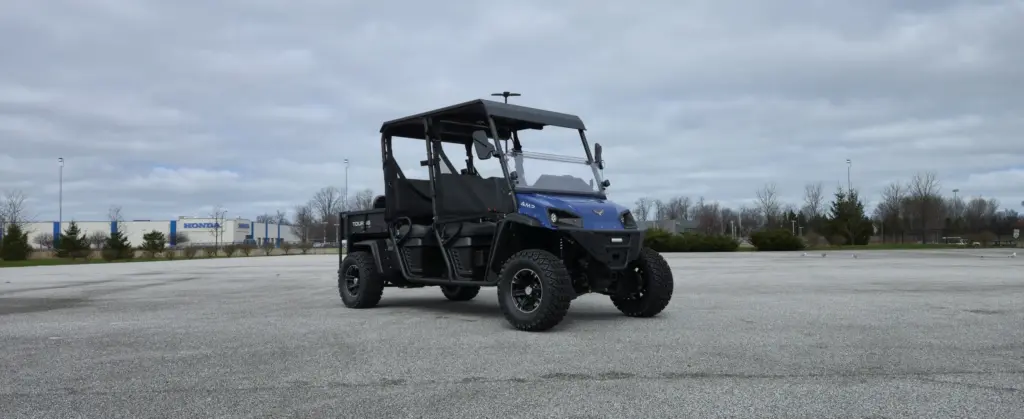
Another major reason people search do golf carts have VIN numbers is that many newer golf carts qualify as Low-Speed Vehicles or street legal carts. These vehicles often require official 17-digit VIN numbers because they are designed for legal operation on certain public roads. Street-legal golf carts typically include headlights, taillights, mirrors, turn signals, seat belts, and additional safety equipment required by local transportation laws. Because they function more like traditional vehicles, they usually receive VIN numbers during manufacturing.
VIN Numbers Help Track Vehicle History
One overlooked factor tied to do golf carts have VIN numbers is how VIN systems help track ownership and vehicle history. VIN numbers may help identify accident history, theft records, recalls, manufacturer information, and registration status, depending on the vehicle type and state regulations. Buyers purchasing used street-legal golf carts often inspect VIN numbers carefully to confirm ownership legitimacy and avoid title or registration complications later.
Difference Between VIN Numbers And Serial Numbers
Many owners researching do golf carts have VIN numbers become confused between VIN numbers and serial numbers. The table below highlights several key differences.
| Identification Type | Purpose |
|---|---|
| Serial Number | Manufacturer tracking and model identification |
| VIN Number | Official vehicle identification and registration |
| Standard Golf Cart | Usually, the serial number only |
| Street Legal Golf Cart | Usually full 17-digit VIN |
| Low-Speed Vehicle | Requires VIN for legal registration |
Understanding these differences helps owners determine whether their golf cart qualifies as a road-legal vehicle or standard recreational cart.
Drivers researching vehicle identification systems and VIN requirements often review information from the National Highway Traffic Safety Administration VIN guide when learning how VIN numbers work and how they identify vehicles legally.
VIN Locations Vary By Manufacturer
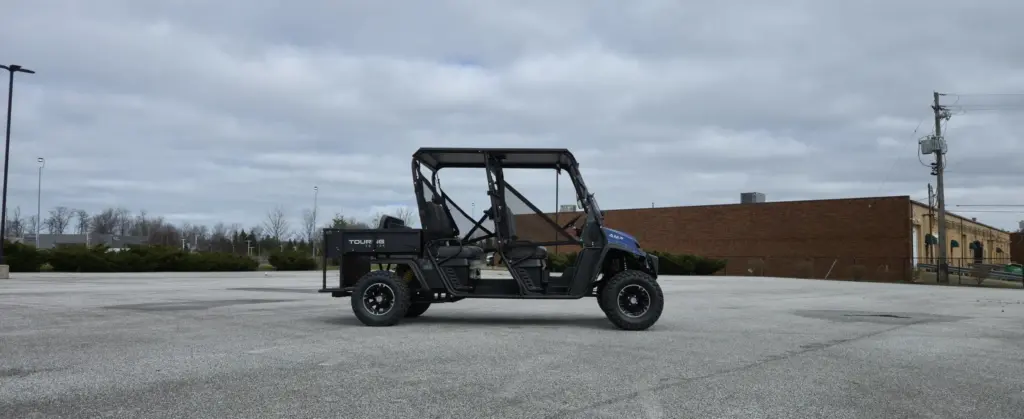
Another important reason people search do golf carts have VIN numbers is that identification numbers are not always easy to locate. On many golf carts, serial numbers or VIN plates may appear near the glove box, inside the passenger-side dashboard area, beneath the driver seat, or near the frame rail. Different manufacturers use different identification plate locations depending on the model and production year. Owners should inspect carefully before assuming the cart lacks identification entirely.
Golf Cart Registration Rules Depend On State Laws
Some states require VIN numbers for street-legal golf cart registration, insurance, and public-road operation. Other states may allow limited golf cart operation without full registration under certain conditions. Because laws vary significantly, owners should always verify local regulations before purchasing or modifying golf carts for public-road use. VIN numbers become especially important when titling, insuring, or financing road-legal golf carts.
Used Golf Cart Buyers Should Verify Identification Numbers
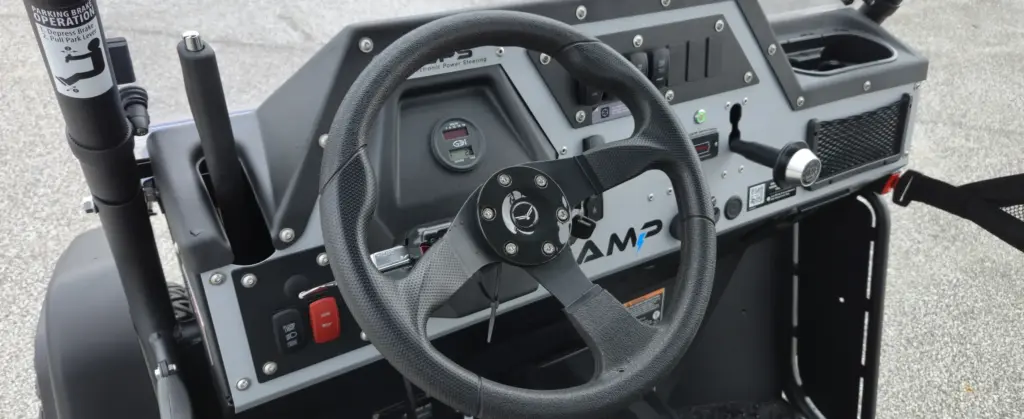
Buyers shopping for used golf carts should inspect identification numbers carefully before completing a purchase. Missing or altered serial plates may create ownership verification problems later. Buyers should also verify whether the golf cart was originally manufactured as a street-legal vehicle or modified afterward. Proper documentation helps avoid registration difficulties and potential legal complications.
Modern Golf Carts Continue Becoming More Advanced
One reason so many people continue searching do golf carts have VIN numbers is because golf carts now function as legitimate vehicles in many communities. Modern golf carts often include advanced lighting systems, digital displays, lithium batteries, upgraded suspension systems, and street-legal equipment packages. Buyers looking for neighborhood transportation often compare vehicles like the VCarts F4 when researching modern golf carts designed for recreational and community driving.

Insurance And Financing May Require VIN Numbers
Insurance providers and financing companies often require VIN numbers when processing policies or vehicle loans for street-legal golf carts. VIN numbers help verify ownership and vehicle specifications more accurately during underwriting and financing approval. Standard golf carts without VIN numbers may still qualify for certain insurance policies, but requirements vary depending on usage and local regulations.
Golf Cart Classification Matters
Whether a golf cart has a VIN number often depends on how the vehicle is classified legally. Standard golf carts, utility carts, and Low-Speed Vehicles may all follow different regulatory rules depending on speed capability and installed safety equipment. Owners researching road legality commonly review resources like What Does LSV Mean On A Golf Cart to better understand how vehicle classifications affect registration and legal operation.
VIN Numbers Help Prevent Theft Problems
Golf cart theft has become more common as golf carts increase in value and popularity. VIN numbers and serial numbers help law enforcement identify stolen vehicles more effectively and verify ownership during recovery investigations. Owners should record identification numbers carefully and store documentation safely in case theft or registration disputes occur later.

Conclusion
The answer to do golf carts have VIN numbers depends mainly on the type of golf cart involved. Traditional golf carts usually use manufacturer serial numbers, while street-legal golf carts and Low-Speed Vehicles commonly receive official 17-digit VIN numbers similar to regular automobiles. VIN numbers help with registration, insurance, financing, ownership verification, and theft recovery, especially for road-legal golf carts.
Buyers should always inspect identification numbers carefully before purchasing used golf carts or attempting public-road registration. Understanding golf cart identification systems helps owners avoid legal and ownership complications later. Anyone looking for golf carts, street-legal models, or neighborhood vehicles can contact Mentor Golf Carts & Trailers for additional information and available inventory.