
Golf cart batteries are one of the most important and expensive parts of an electric golf cart, which is exactly why many owners search for how do you test golf cart batteries before replacing them unnecessarily. Weak batteries can reduce driving range, slow acceleration, cause charging problems, and eventually prevent the golf cart from operating entirely. Fortunately, battery testing is usually straightforward when the proper tools and safety procedures are used correctly. Most golf cart batteries can be tested using a multimeter, load tester, or hydrometer, depending on the battery type and condition. Knowing how do you test golf cart batteries helps owners diagnose performance problems early, avoid unexpected breakdowns, and improve long-term battery lifespan significantly.

Golf Cart Batteries Gradually Lose Performance Over Time
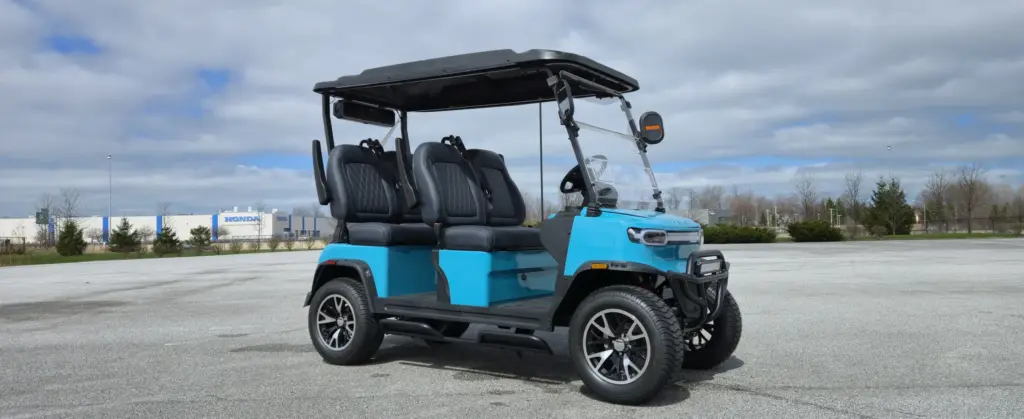
The first thing owners should understand when learning how do you test golf cart batteries is that battery failure rarely happens instantly. Most golf cart batteries lose capacity gradually over months or years. Owners may first notice reduced driving range, slower hill climbing, dim headlights, or longer charging times before complete failure occurs. These warning signs often indicate weakening battery cells or charging problems developing internally. Testing batteries regularly helps identify declining performance before the golf cart becomes unreliable during daily use. Owners looking for reliable electric transportation often compare modern vehicles like the VCart Badger when researching durable electric golf carts designed for recreational and neighborhood driving.
Voltage Testing Is One Of The Most Common Methods
Another major reason people search how do you test golf cart batteries is that voltage testing provides one of the fastest ways to evaluate battery condition. A digital multimeter measures battery voltage while the golf cart remains parked and powered off. Fully charged batteries should generally read close to their rated voltage, while weak batteries often display lower readings. However, voltage alone does not always reveal deeper battery problems because some damaged batteries still show acceptable voltage without delivering proper power under load.
Load Testing Gives More Accurate Results
One overlooked factor tied to how do you test golf cart batteries is that batteries may appear normal until placed under stress. Load testing evaluates how batteries perform while delivering power during actual operation. Weak batteries often experience sharp voltage drops under load, even if resting voltage seems acceptable. Load testing helps identify failing cells more accurately than simple voltage checks alone. Many professional golf cart technicians use load testers specifically because they provide clearer information about real-world battery performance.
Common Golf Cart Battery Testing Methods
Many owners researching how do you test golf cart batteries want a simple comparison of common testing methods before beginning diagnostics. The table below highlights several widely used battery testing approaches.
| Testing Method | Main Purpose |
|---|---|
| Voltage Testing | Checks resting battery charge |
| Load Testing | Measures performance under stress |
| Hydrometer Testing | Checks electrolyte condition |
| Visual Inspection | Identifies corrosion or damage |
| Charging System Testing | Evaluates charger performance |
Using multiple testing methods together often provides the most accurate picture of overall battery condition.
Battery owners researching long-term battery maintenance and electrical safety often review information from Battery Council International when learning about battery care, charging systems, and safe electrical handling practices.

Visual Inspections Can Reveal Important Clues
Many golf cart owners underestimate how much useful information simple visual inspections can provide. Corroded terminals, swollen battery cases, leaking acid, cracked housings, and loose cables often signal developing battery problems before electrical testing even begins. Dirty battery terminals can interrupt charging and reduce power delivery significantly. Regular cleaning and inspection help improve battery performance while reducing unnecessary strain on electrical components throughout the golf cart.
Hydrometer Testing Helps Evaluate Lead Acid Batteries
Lead-acid batteries can also be tested using hydrometers, which measure electrolyte specific gravity inside each battery cell. Uneven readings between cells often indicate internal battery damage or imbalance. Hydrometer testing provides deeper insight into lead-acid battery condition than voltage readings alone. However, this method requires handling battery acid carefully and should always be performed using proper protective equipment and ventilation.
Battery Chargers Can Create Performance Problems
Another important reason owners search how do you test golf cart batteries is that chargers themselves sometimes cause battery problems. Faulty chargers may undercharge batteries, overcharge them, or fail to deliver consistent voltage. Poor charging habits gradually reduce battery lifespan and create performance issues that resemble battery failure. Owners researching battery maintenance frequently review resources like How Long Do Batteries Last In A Golf Cart to better understand charging cycles, battery longevity, and long-term electric golf cart maintenance.
Temperature Can Affect Battery Test Results
Temperature changes influence battery performance significantly during testing. Cold temperatures reduce battery efficiency temporarily and may lower voltage readings even when batteries remain healthy. Extremely hot conditions can also increase battery stress and accelerate deterioration over time. Testing batteries in moderate temperatures usually produces more accurate and consistent diagnostic results compared to testing during extreme weather conditions.
Weak Batteries Affect More Than Speed
Many owners assume battery problems only reduce top speed, but weak batteries can affect nearly every aspect of golf cart operation. Reduced acceleration, slower hill climbing, dim lighting, poor charging response, and inconsistent power delivery all commonly result from failing batteries. Ignoring early warning signs may eventually strain controllers, solenoids, and electric motors unnecessarily. Testing batteries early helps reduce the risk of additional electrical repairs later.
Routine Maintenance Improves Battery Lifespan
Proper maintenance plays a major role in battery reliability and testing results. Keeping terminals clean, maintaining proper water levels, avoiding deep discharge cycles, and following correct charging schedules all help improve battery lifespan significantly. Golf cart owners who inspect batteries regularly often experience fewer unexpected failures and lower long-term replacement costs overall.

Conclusion
Learning how do you test golf cart batteries properly helps owners identify battery problems early and avoid unnecessary replacement costs. Voltage testing, load testing, hydrometer checks, and visual inspections all provide valuable information about battery condition and charging performance. Weak batteries can affect acceleration, driving range, lighting systems, and overall golf cart reliability long before complete failure occurs. Regular maintenance, clean terminals, and proper charging habits greatly improve battery lifespan and long-term performance. Owners who monitor battery health consistently usually avoid many common electric golf cart problems over time. Anyone needing professional battery diagnostics, charging system inspections, or golf cart service can visit the Service Department at Mentor Golf Carts & Trailers for expert assistance and support.