
Charging a golf cart battery correctly helps protect driving range, battery life, and everyday reliability. The process may look simple, but lead-acid and lithium systems do not always use the same charger or charging routine. Battery voltage, chemistry, charger compatibility, and storage conditions all matter.
So, how do you charge a golf cart battery? Park the cart in a ventilated area, switch it off, connect the correct charger to the cart, and allow the charging cycle to finish. Most modern automatic chargers stop or reduce charging once the battery reaches the proper level. Lead-acid batteries may also require periodic water checks, while lithium systems normally rely on an integrated battery management system.
Understanding how do you charge a golf cart battery properly is especially important if the cart sits unused for long periods. Repeated deep discharges, incompatible chargers, poor connections, and improper storage can shorten battery life even when the cart appears to charge normally.
Check The Battery Type Before Charging
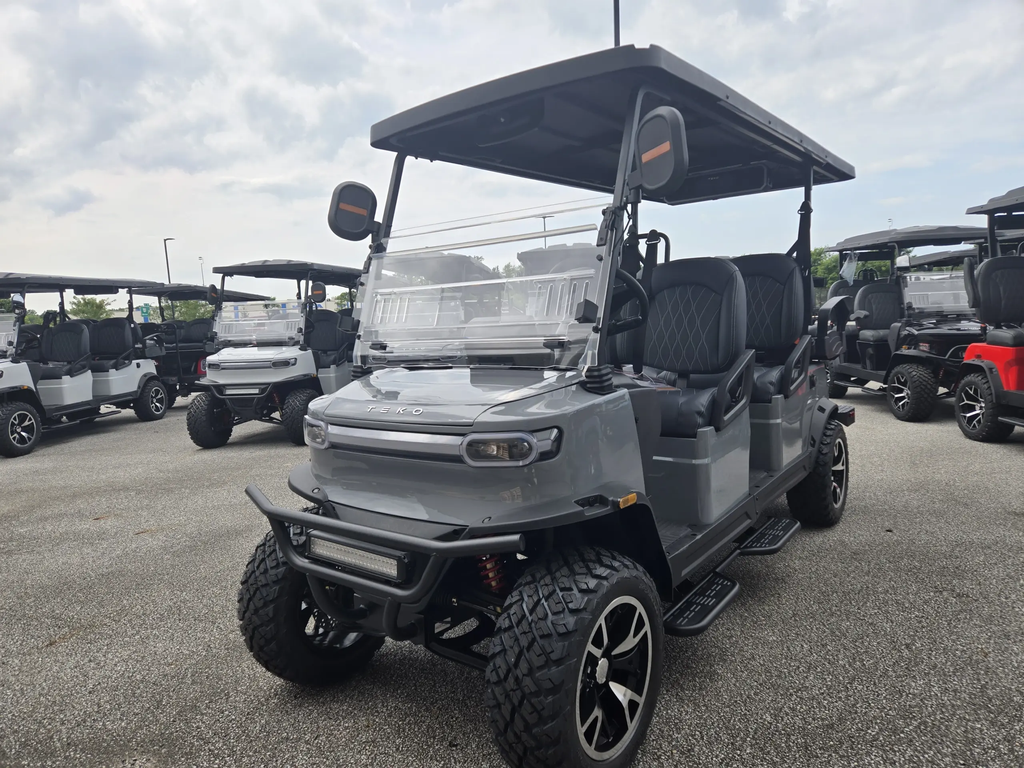
Before asking how do you charge a golf cart battery, identify what type of battery system is installed. Traditional golf carts may use multiple flooded lead-acid batteries connected, while newer models increasingly use lithium battery packs. AGM batteries are another possibility. Each chemistry has different charging requirements, so using the wrong charger can cause poor performance or battery damage.
Check the labels on the batteries, charger, or manufacturer documentation to confirm voltage and chemistry. A 36-volt cart should use a charger designed for a 36-volt system, while a 48-volt cart requires the appropriate 48-volt charger. Lithium batteries may require a charger specifically designed to communicate with the battery management system. Do not assume that two chargers with similar plugs are interchangeable. If the original charger is missing, identify the battery system first and then choose a compatible replacement rather than buying based only on connector shape.
Park The Golf Cart In A Safe Charging Area
A safe location is an important part of how do you charge a golf cart battery correctly. Park the cart on a level surface, set the parking brake, turn the key off, and make sure accessories such as lights, radios, and USB devices are switched off. The charging area should be dry and have adequate ventilation, especially when working with flooded lead-acid batteries.
Lead-acid batteries can release gases during charging, so keep flames, cigarettes, sparks, and other ignition sources away from the battery compartment. The Canadian Centre for Occupational Health and Safety recommends good ventilation and appropriate precautions when working around lead-acid batteries. Avoid charging where rain or standing water can reach electrical connections. Also inspect the charging cord and plug before use. Damaged insulation, loose connections, or burned terminals should be repaired before the charger is connected.
Connect The Correct Charger Properly
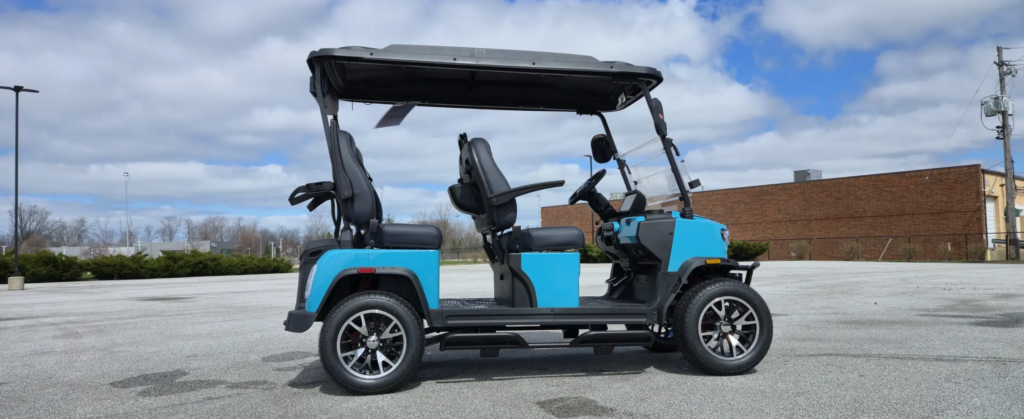
Once the cart is safely parked, the next part of how do you charge a golf cart battery is connecting the charger correctly. Most golf cart chargers plug directly into a charging receptacle on the vehicle rather than attaching individual clamps to each battery. Insert the connector fully and make sure it sits securely without forcing it into position.
Some charger designs should be connected to the golf cart before being plugged into the wall outlet, while others may specify a different sequence. Follow the charger manufacturer’s instructions whenever possible. Once connected, check the charger display or indicator lights to confirm that charging has actually started. A charger that appears plugged in but shows no charging activity may indicate a poor connection, blown fuse, damaged receptacle, low battery voltage, or charger fault. Owners who need more detail can review our guide on how to charge golf cart batteries for additional charging considerations.
Let The Battery Complete A Full Charge Cycle
A major part of how do you charge a golf cart battery properly is allowing the charger to complete its normal cycle. Modern automatic chargers monitor battery voltage and charging conditions, then reduce or stop charging once the pack reaches the appropriate level. Disconnecting too early can leave the cart partially charged and reduce available driving range.
Charging time depends on battery size, chemistry, state of charge, charger output, and battery condition. A deeply discharged pack may take several hours longer than one that only needs a partial recharge. Older batteries may also take longer or fail to reach full charge efficiently. Avoid repeatedly checking the cart by unplugging and reconnecting the charger because this can interrupt the charging process. Instead, monitor the charger indicators and let the system finish. If charging suddenly takes much longer than normal, the batteries or charger may need inspection rather than simply more charging time.
Check Lead-Acid Battery Water At The Right Time
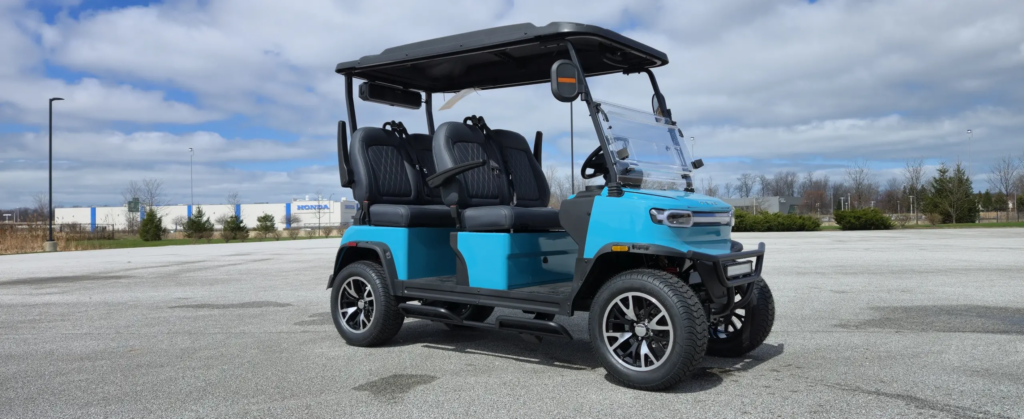
When learning how do you charge a golf cart battery with flooded lead-acid batteries, water level becomes an important maintenance issue. These batteries contain electrolyte that can gradually lose water during normal charging and use. However, owners should not simply fill each cell to the top before every charge.
Check the manufacturer’s instructions for the correct procedure. In many cases, water levels are checked after charging unless the plates are already exposed before charging. If plates are exposed, add only enough distilled water to cover them before charging, then adjust to the proper final level afterward. Never use ordinary tap water because minerals can contaminate the battery. Do not overfill the cells because expanding electrolyte can overflow during charging and create corrosion. Lithium and sealed AGM batteries should not be opened or watered. Identifying the battery type first prevents maintenance methods intended for lead-acid batteries from being applied incorrectly to sealed systems.
Avoid Deep Discharging The Battery Regularly
Understanding how do you charge a golf cart battery also means knowing when to recharge it. Repeatedly running a lead-acid battery pack until the cart is nearly empty can shorten battery life. A better routine is to recharge after regular use rather than intentionally draining the pack as low as possible before plugging it in.
Lithium batteries generally tolerate deeper discharge better than lead-acid systems, but completely exhausting them on a regular basis is still unnecessary. Their battery management systems may shut the pack down before damaging voltage levels are reached. Driving conditions also affect how quickly the charge is used. Hills, heavy passengers, larger tires, and frequent hard acceleration all increase energy demand. If the cart suddenly needs charging much more often than before, inspect battery condition, tire pressure, electrical connections, and charger performance. Reduced range can indicate aging batteries or another electrical problem rather than simply heavier use.
Charge The Golf Cart Correctly During Storage
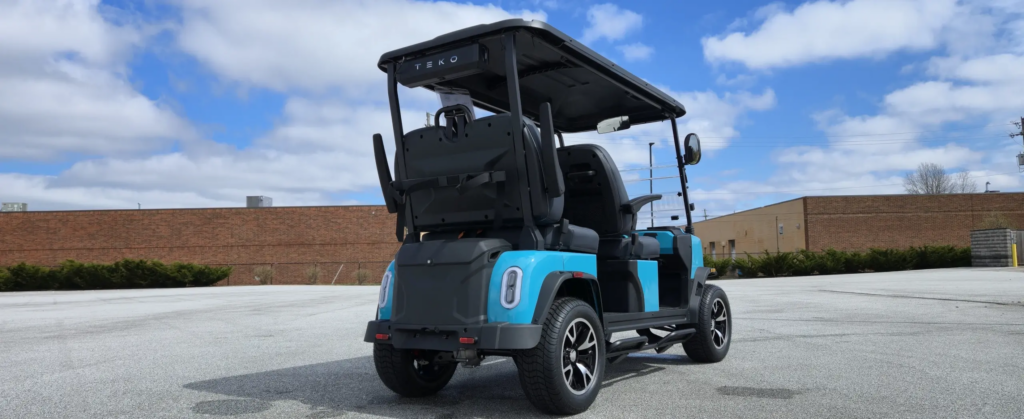
Long-term storage changes how do you charge a golf cart battery because batteries can slowly lose charge even when the cart is not being driven. Leaving a lead-acid pack partially discharged for weeks or months can contribute to sulfation and permanent capacity loss. Before storage, fully charge the batteries and follow the battery manufacturer’s recommendations for maintaining charge.
Some golf cart chargers are designed to remain connected and enter a maintenance mode, while others should not stay plugged in indefinitely. Do not assume every charger works the same way. Lithium batteries may have different recommended storage charge levels depending on the manufacturer. Owners should also inspect terminals and battery cables before storing the cart. If charging or battery condition is uncertain, the Mentor Golf Carts & Trailers Service Department can inspect the battery system and charging equipment. Proper storage charging can prevent a healthy battery pack from becoming weak simply because the cart sat unused.
Conclusion
How do you charge a golf cart battery correctly? Start by confirming the battery chemistry and system voltage, then use a compatible charger in a dry, ventilated area. Turn the cart off, connect the charger correctly, let the automatic cycle finish, and follow the proper maintenance routine for your specific battery type. Flooded lead-acid batteries may require water checks, while lithium systems generally need much less routine maintenance.
Knowing how do you charge a golf cart battery also means avoiding habits that shorten battery life. Do not regularly leave batteries deeply discharged, use an incompatible charger, ignore damaged connections, or store the cart for months without considering battery condition. If your batteries charge slowly, lose range quickly, or fail to reach a full charge, professional testing can help identify the cause. Mentor Golf Carts & Trailers can help with battery, charger, and golf cart service needs when normal charging no longer produces reliable performance.