
Utility trailers are used for hauling lawn equipment, motorcycles, ATVs, building materials, golf carts, landscaping tools, and many other loads. Because they are towed vehicles, many owners assume every utility trailer automatically comes with a title. In reality, title requirements depend on the trailer’s weight, how it is classified, and the laws in the state where it is registered.
So, does utility trailers have titles? In many states, yes, especially for larger trailers or trailers above a certain weight. However, some lightweight utility trailers may be registered without a traditional title, while homemade trailers may require inspections or additional documentation before registration. Rules vary significantly by state.
Before buying a new or used utility trailer, it is important to confirm whether a title, registration, bill of sale, manufacturer’s certificate of origin, or other ownership paperwork is required. Proper documentation can prevent problems with registration, resale, insurance, and legal ownership.
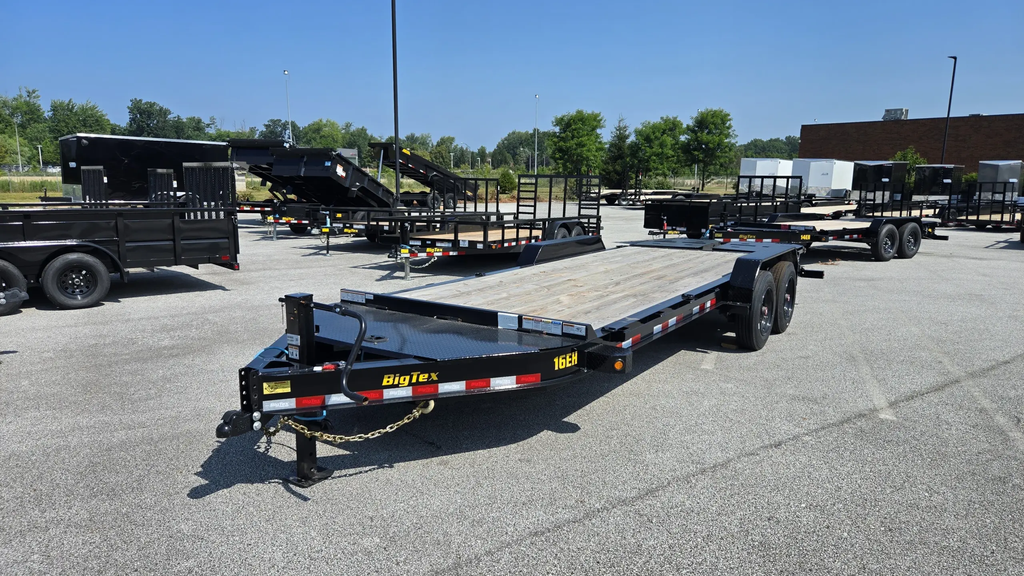
Does Utility Trailers Have Titles In Every State?
Does Utility Trailers Have Titles? The answer to does utility trailers have titles is different from one state to another. Some states require titles for nearly all trailers, while others use weight thresholds. A lightweight utility trailer may only need registration and a bill of sale, while a heavier trailer may require both a title and registration.
State motor vehicle agencies usually determine the exact rules. Trailer weight, year, intended use, and whether the trailer was commercially manufactured can all affect the process. Buyers should never assume that paperwork requirements are the same across state lines. A trailer that was legally sold without a title in one state may require additional documentation before it can be registered somewhere else. Checking state rules before purchase is especially important when buying used trailers from private sellers or from another state.
When A Utility Trailer Requires A Title
A utility trailer is more likely to need a title when it exceeds a certain weight or is classified as a road-going trailer that must be registered with the state. Some states use gross vehicle weight rating, unladen weight, or another measurement to determine whether a title is required.
The exact threshold varies, so there is no universal national rule. For example, a small single-axle trailer used for light yard work may have fewer paperwork requirements than a large tandem-axle trailer used to haul equipment. Buyers comparing options such as utility and equipment trailers for sale should ask what ownership documents come with the trailer. New trailers commonly include manufacturer paperwork that can be used during registration, while used trailers may rely on an existing title, prior registration, or bill of sale depending on the state.
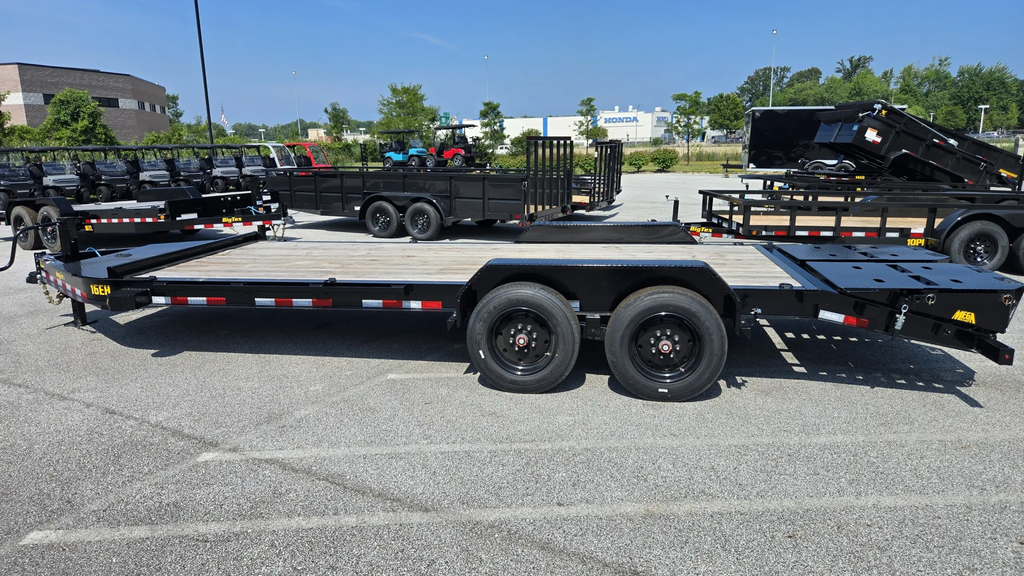
Documents Provided With New Trailers
For those asking does utility trailers have titles, a new utility trailer commonly comes with a manufacturer’s certificate of origin, sometimes called an MCO or MSO, along with a bill of sale or dealer invoice. These documents identify the trailer and prove that it was sold through an authorized manufacturer or dealer. Depending on state law, the buyer may use that paperwork to obtain a title and registration.
The manufacturer’s document usually includes identifying information such as the vehicle identification number, model, and manufacturer. Buyers should verify that the VIN on the paperwork matches the VIN plate on the trailer before leaving the dealership. Keeping copies of every document is important because replacements can be difficult to obtain later. If you plan to finance, insure, register, or resell the trailer, clear ownership paperwork makes the process much easier. The answer to does utility trailers have titles often depends on what happens after the initial manufacturer paperwork is submitted to the state.
Ownership Paperwork For Used Trailers
A utility trailer is a non-motorized vehicle designed to be towed behind another vehicle and used for carrying equipment, materials, or other loads. Titling and registration rules still depend on the state where the trailer is registered. Used trailers require more careful paperwork checks because documentation may be incomplete. Before buying, ask the seller whether the trailer has a current title, registration, bill of sale, or previous ownership records. Check the VIN on the trailer and make sure it matches every document provided.
If the state requires a title and the seller cannot provide one, the transaction can become complicated. The buyer may need additional forms, inspections, bonded title procedures, or proof of previous ownership. In some cases, registration may not be possible until those issues are resolved. A very low purchase price is not always worth the risk if the trailer cannot be legally transferred. Anyone wondering does utility trailers have titles should verify the answer before handing over payment. Clear documentation is just as important as checking tires, brakes, lights, frame condition, and axle capacity.
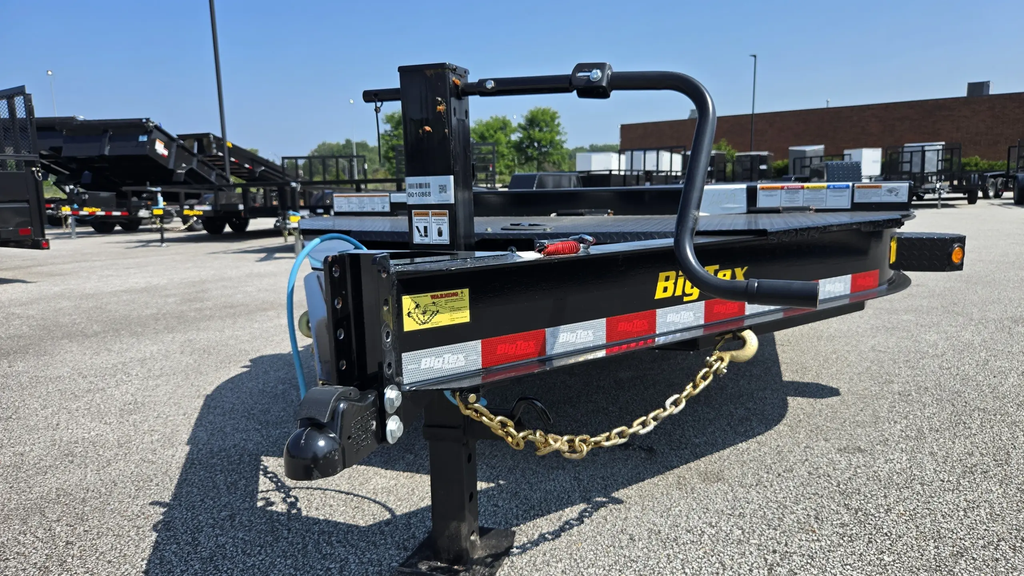
Titling Homemade Utility Trailers
Homemade utility trailers can often be titled and registered, but the process is usually different from buying a factory-built model. Because there may be no manufacturer’s certificate of origin, the owner may need to provide receipts for major components, photographs, construction details, weight information, and proof that the trailer meets state requirements.
Some states also require a physical inspection before assigning a VIN or approving registration. The process can vary depending on trailer size and weight. A homemade trailer may be perfectly usable, but owners should not assume they can simply build it and tow it on public roads immediately. State approval may be necessary first. If the goal is easy registration and resale, buying a professionally manufactured trailer with complete paperwork can simplify ownership. That is one reason documentation should be part of the buying decision, not something considered only after the trailer is already home.
Title Rules For Small Utility Trailers
Small utility trailers are the category where title requirements vary the most. Some states exempt trailers under a certain weight from titling, while others still require registration or a permanent plate. A small trailer may therefore be legal without a title in one state but require a title in another.
This is why does utility trailers have titles cannot be answered only by looking at size. Buyers need to know the trailer’s weight rating and the rules where it will be registered. The American Association of Motor Vehicle Administrators provides general resources related to vehicle titling and registration practices, although specific requirements remain state controlled. For the final answer, the appropriate state motor vehicle agency is the best authority. If you plan to move to another state or sell the trailer later, keeping complete paperwork even when a title is not required can make future transfers much easier.
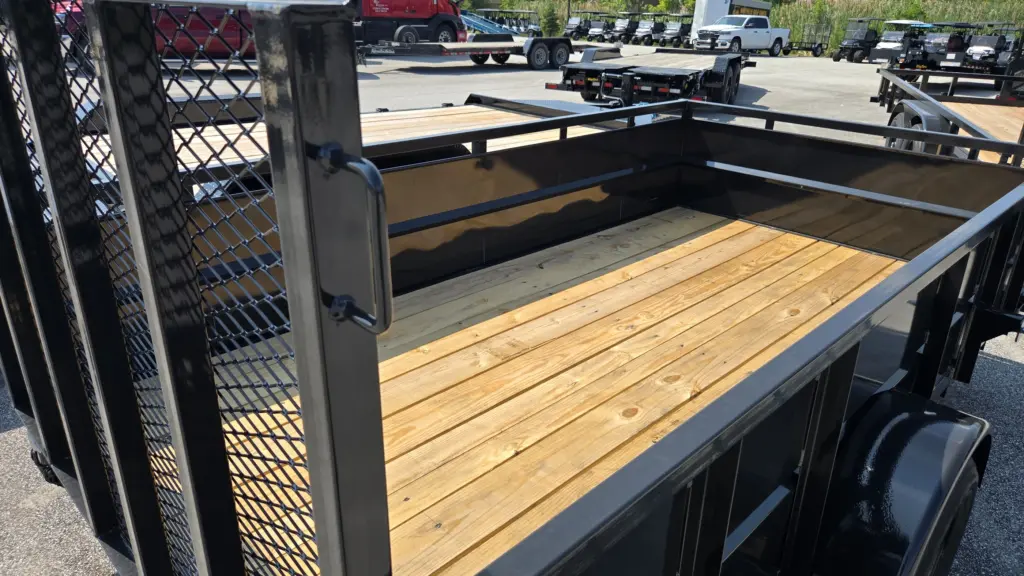
Why Trailer Titles Matter
A title provides an official record of legal ownership. That becomes important if the trailer is sold, financed, insured, stolen, or involved in a dispute. Without proper documentation, proving ownership may be difficult, particularly when the trailer changes hands several times.
Resale value can also be affected. Buyers are often more comfortable purchasing a trailer with a clear title and matching VIN because the transfer process is more straightforward. Missing paperwork may make a trailer harder to sell or reduce the amount someone is willing to pay. Even when local law does not require a title, a detailed bill of sale and registration history are useful. Buyers should keep copies of purchase documents, VIN information, receipts, and state records. Treating paperwork as part of the trailer itself helps protect long-term ownership.
Conclusion
Before purchasing, contact the motor vehicle agency in the state where the trailer will be registered and ask about title and registration requirements for that specific weight class. Have the trailer’s VIN, gross vehicle weight rating, year, and manufacturer information available. These details can help determine what paperwork is necessary.
If you are buying through Mentor Golf Carts & Trailers, ask what manufacturer and ownership documents are provided with the trailer so you know what to expect during registration. For used purchases, do not rely only on a seller saying that “trailers do not need titles.” Verify the rule yourself before completing the transaction. Does utility trailers have titles depends on local law, but checking first can save time, money, and frustration. The safest purchase is one where the trailer’s identification and ownership records are clear from the beginning.