
Many people become interested in golf after watching professional tournaments or visiting local courses, only to feel shocked once they start pricing equipment, lessons, memberships, and course fees. That frustration is exactly why many beginners search why golf so expensive before fully committing to the sport. Golf can become costly because it combines specialized equipment, large property maintenance, labor-intensive course care, transportation costs, and ongoing participation expenses into one activity. While golf does not always need to be extremely expensive, certain parts of the sport can quickly increase overall costs depending on how seriously someone plays and where they choose to participate.
Golf Courses Cost Millions To Maintain
One of the biggest reasons people ask why golf so expensive is that maintaining a golf course requires enormous ongoing expenses. Golf courses cover massive areas of land that need constant mowing, irrigation, landscaping, fertilization, drainage management, and maintenance. Staff members work daily to maintain fairways, greens, bunkers, cart paths, and surrounding property conditions. Water usage, fuel, equipment repairs, and labor costs all contribute heavily to course operating expenses throughout the year.
Golf Equipment Can Become Very Expensive
Another major reason why golf so expensive is the cost of modern equipment. Drivers, irons, putters, golf balls, bags, shoes, and apparel can quickly add up for players trying to build a complete setup. Modern golf technology has also increased pricing because manufacturers constantly develop lighter materials, adjustable club systems, and advanced engineering designed to improve performance. Many beginners feel pressured to buy expensive equipment even though newer players often perform perfectly well with simpler setups.
Golf Balls Alone Can Cost More Than Expected
New golfers are often surprised by how much golf balls cost, especially premium models designed for professional-level spin and distance control. Golf balls are frequently lost during rounds in water hazards, woods, and rough terrain, which increases replacement costs over time. Players who practice regularly may go through large numbers of golf balls each season, depending on skill level and course difficulty.
Common Golf Expenses
Golf expenses can come from many different areas beyond just playing rounds. The table below highlights several common golf-related costs.
| Golf Expense | Why It Costs Money |
|---|---|
| Course Fees | Property and maintenance costs |
| Golf Clubs | Technology and materials |
| Golf Balls | Frequent replacement |
| Lessons | Professional instruction fees |
| Golf Cart Fees | Fleet maintenance and operation |
| Memberships | Club amenities and upkeep |
How expensive golf becomes depends heavily on playing frequency, equipment choices, and the type of courses a player visits.
Private Clubs Can Increase Costs Dramatically
Private golf clubs are another major reason people ask why golf so expensive. Membership fees at certain clubs can become extremely high because members pay for exclusive course access, dining facilities, practice areas, clubhouses, and luxury amenities. Some private clubs also charge annual dues, food minimums, locker fees, and tournament participation costs that add significantly to long-term golf expenses.
Golf Takes A Large Amount Of Land
Unlike many sports played on smaller courts or fields, golf requires enormous amounts of land for full-size courses. Real estate costs alone can become substantial, especially near major cities or resort communities where land values remain high. Property taxes, landscaping, environmental management, and irrigation systems all increase operating expenses for golf facilities.
Golf Cart Fleets Add Ongoing Costs
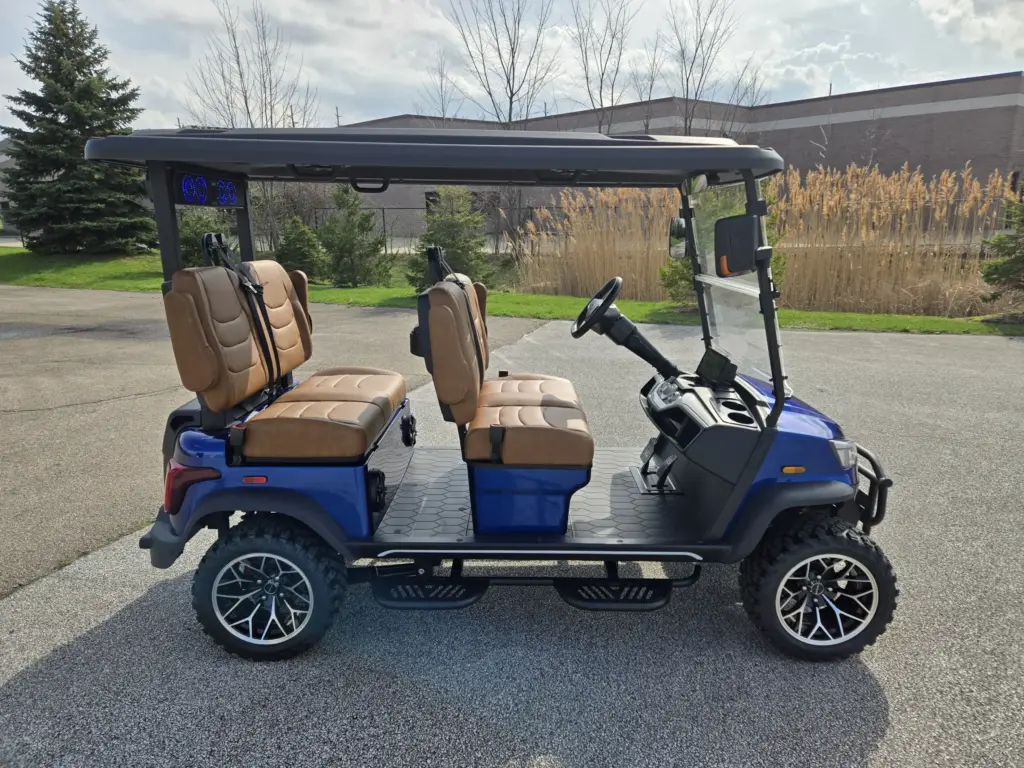
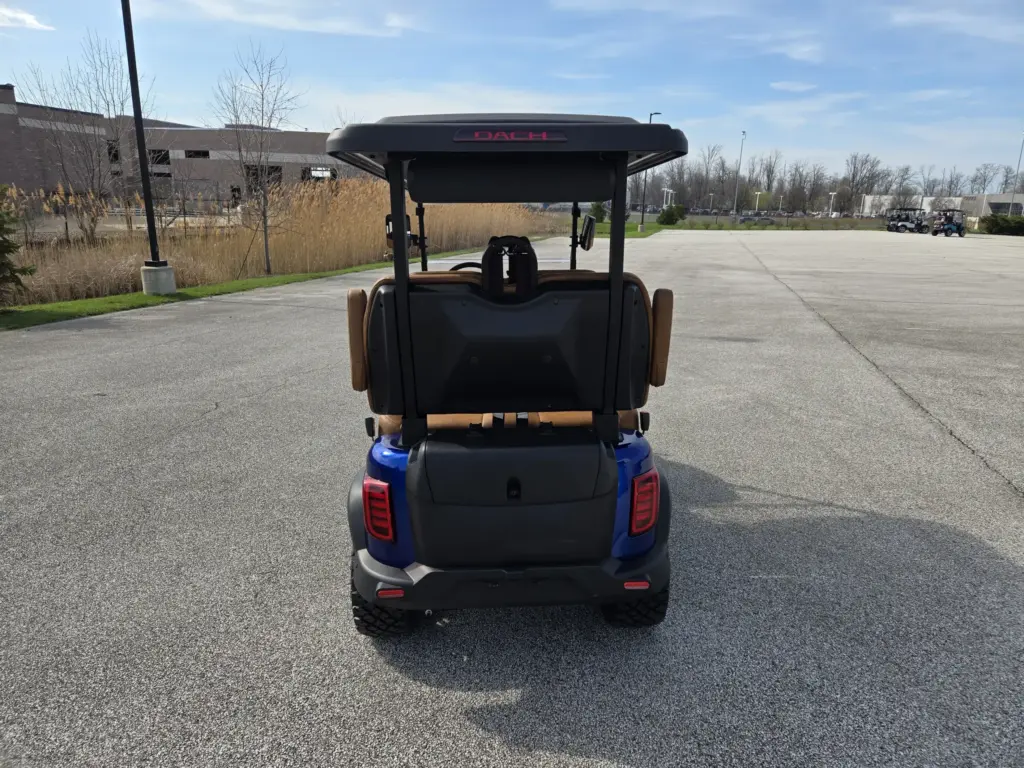
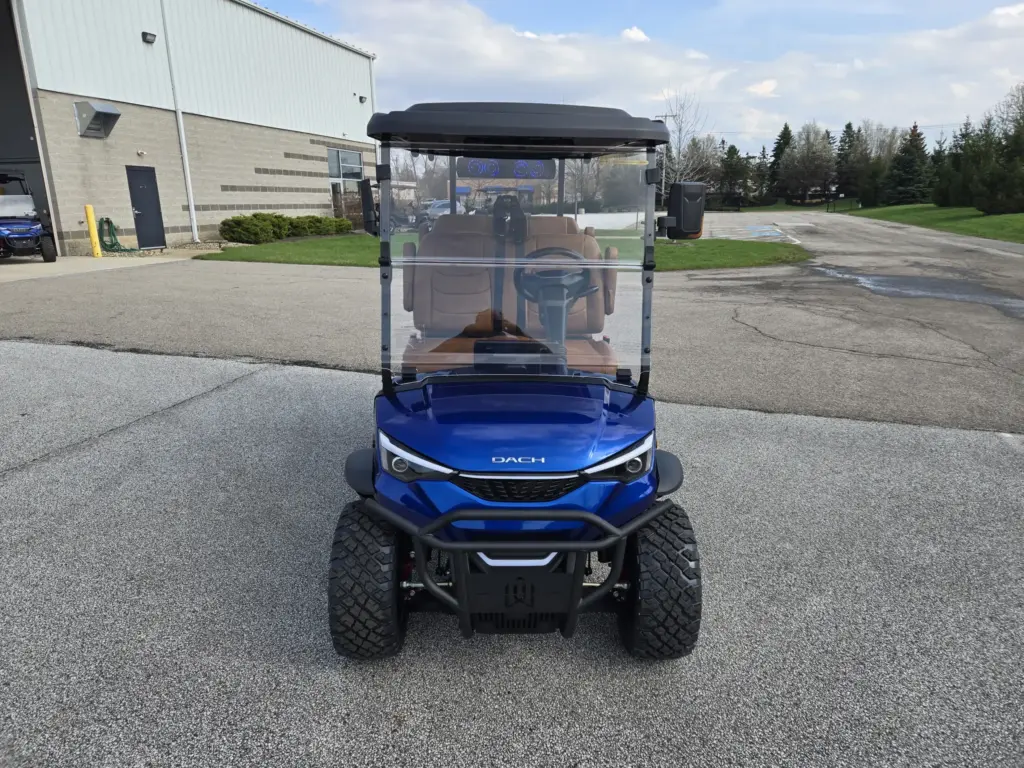
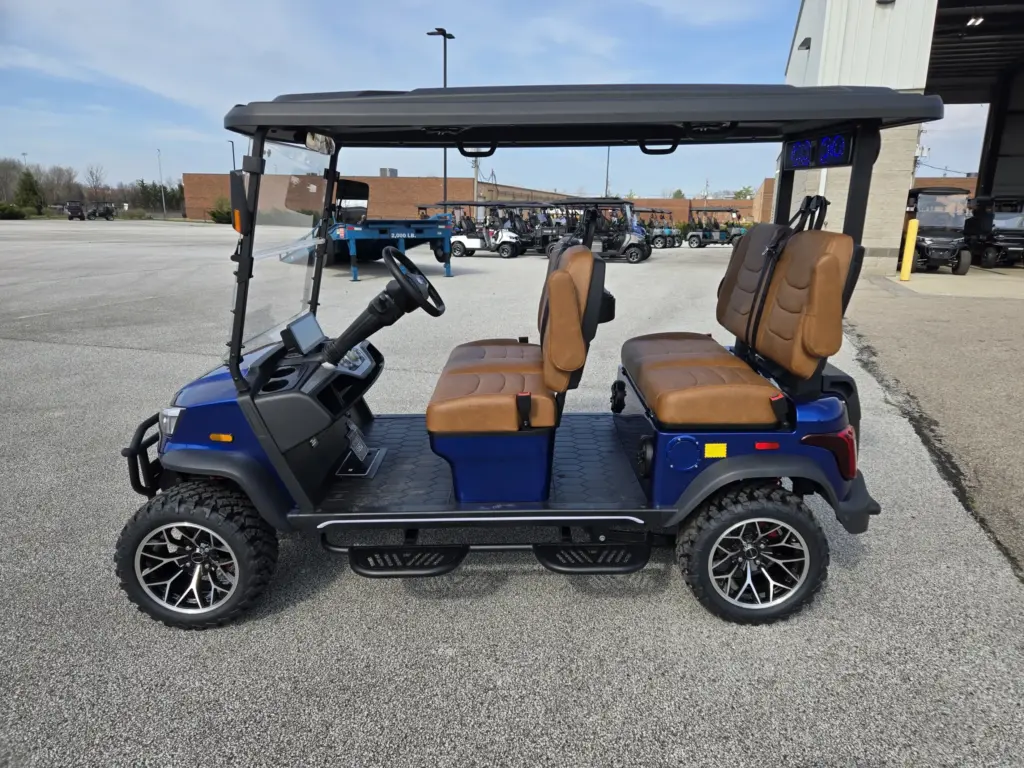
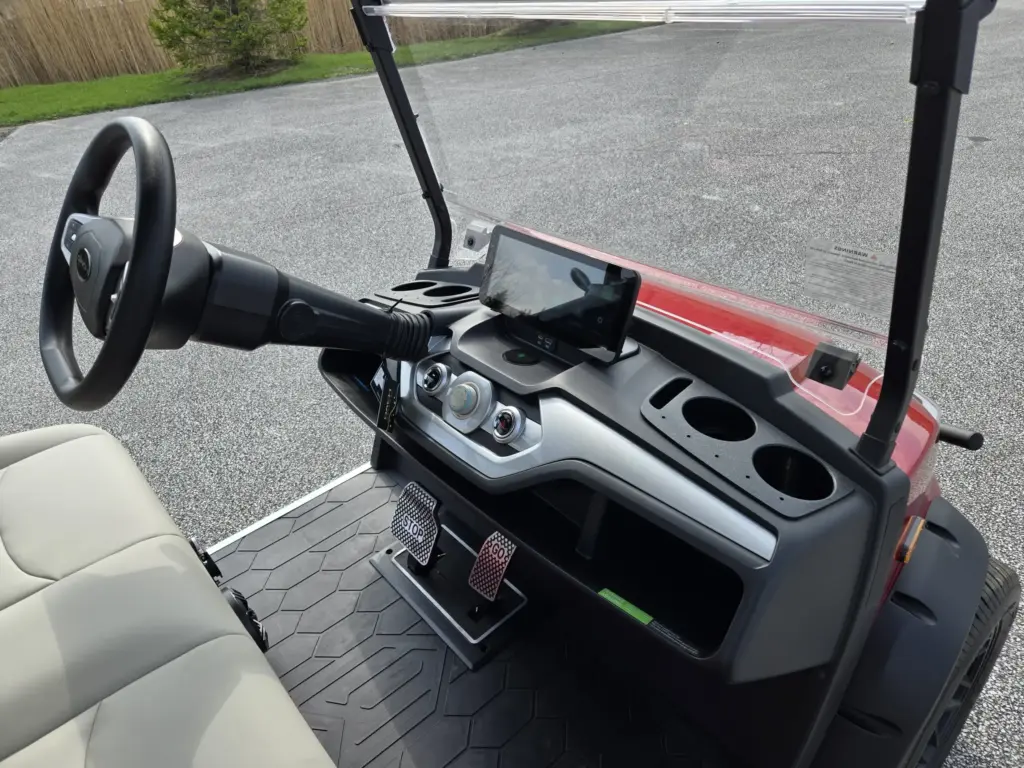
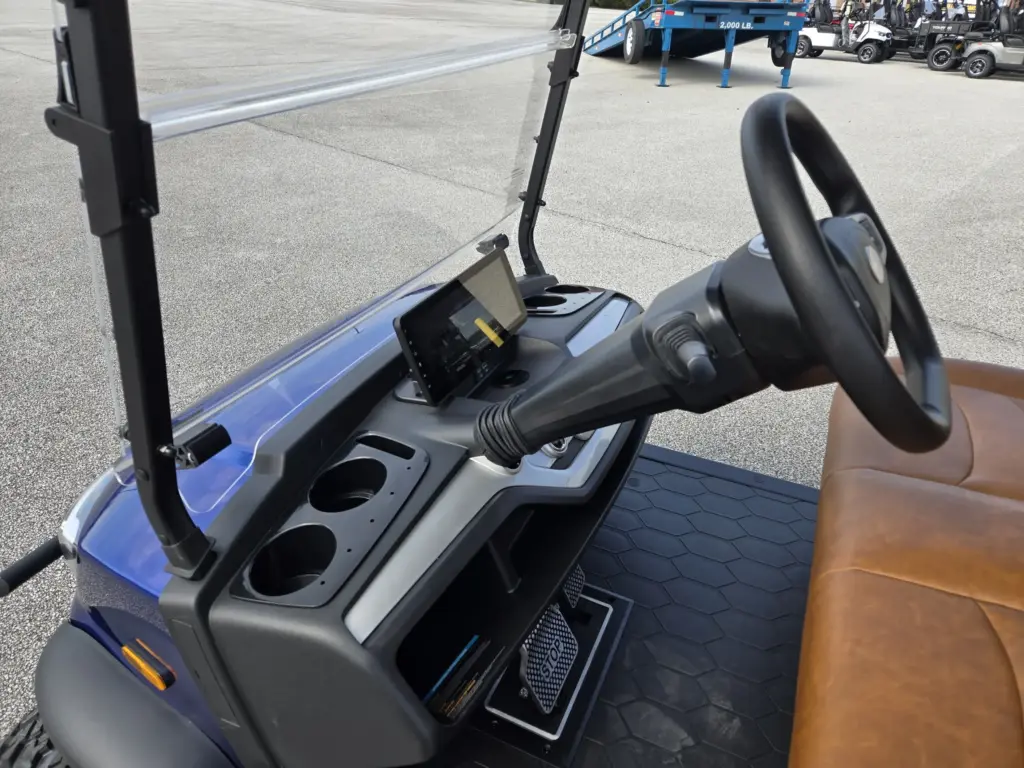
Many golfers overlook how expensive golf cart fleets can become for courses and clubs. Golf carts require battery replacement, tire maintenance, repairs, charging systems, storage facilities, and regular servicing throughout the year. Modern golf transportation has evolved significantly, with many facilities now using upgraded electric carts similar to the Teko Trophy because players increasingly expect quieter operation, smoother rides, and more comfortable course transportation.
Lessons And Practice Can Add Up Quickly
Golf has a steep learning curve compared to many recreational sports, which often encourages players to spend money on lessons, swing coaching, simulators, and driving range sessions. Professional instruction may improve performance significantly, but it also adds another layer of cost for golfers trying to improve consistently.
Travel And Tournament Costs Increase Spending
Competitive golfers and serious recreational players often travel regularly for tournaments, golf vacations, or destination courses. Transportation, hotels, meals, entry fees, and equipment shipping can increase overall golf expenses dramatically. Some golfers spend more money traveling for golf than on actual equipment purchases.
Weather Affects Golf Course Maintenance
Course maintenance becomes especially expensive in climates with heavy rain, drought conditions, or cold winters. Golf courses in areas like Northeast Ohio often face additional costs involving seasonal repairs, winter preparation, drainage work, and turf recovery after harsh weather conditions. Weather-related maintenance is one reason course fees may vary significantly by region.
Golf Does Not Have To Be Extremely Expensive
Despite golf’s reputation, many players enjoy the sport without spending massive amounts of money. Public courses, used equipment, local driving ranges, and shorter municipal courses often make golf far more affordable for beginners. Buying every premium club and joining expensive private clubs is not necessary for enjoying the game recreationally.
Modern Recreation Trends Continue to Expand
Golf culture has expanded far beyond traditional country clubs over the last decade. Entertainment venues, public practice facilities, simulator golf, and neighborhood golf communities have introduced the sport to wider audiences. Some recreational players also compare other outdoor transportation options when exploring mobility around golf communities, parks, and recreational properties.
Golf Is Also A Social Experience
Part of golf’s appeal comes from the social environment surrounding the game. Business networking, community events, tournaments, and social gatherings all contribute to golf culture. Many players view golf as both recreation and relationship-building, which helps explain why people continue investing heavily in the sport despite the costs involved.
Luxury Branding Also Influences Pricing
Golf has historically been associated with luxury branding and premium experiences, especially at higher-end clubs and resorts. Equipment companies, apparel brands, and private facilities often market golf as an upscale lifestyle activity, which naturally pushes pricing higher in some parts of the industry.
Golf Continues Growing Worldwide
Organizations like the USGA continue supporting golf growth, tournaments, and course development as participation expands internationally. Despite cost concerns, golf remains one of the world’s most popular recreational and competitive sports.
Conclusion
The answer to why golf so expensive comes down to course maintenance, equipment technology, land costs, golf cart fleets, memberships, and the overall culture surrounding the sport. Golf courses require constant care, modern equipment can become expensive quickly, and private clubs often add luxury amenities that increase participation costs even further. Players who focus on enjoyment instead of premium status often find golf much more affordable long term. Anyone exploring golf carts, recreational transportation, or golf community mobility solutions can visit Mentor Golf Carts & Trailers for additional information and available inventory.