
Many golf cart owners assume they can immediately drive their cart on public roads, only to discover later that most golf carts are not automatically street legal. That confusion is exactly why many people search can golf carts be street legal before upgrading their cart or driving through neighborhoods and public streets. The answer is yes, golf carts can become street legal in many states if they meet specific safety and registration requirements. However, the rules vary depending on local laws, vehicle classification, and whether the golf cart qualifies as a Low-Speed Vehicle. Understanding how golf carts become street legal helps owners avoid fines, safety problems, and expensive upgrade mistakes later.
Most Standard Golf Carts Are Not Street Legal Initially
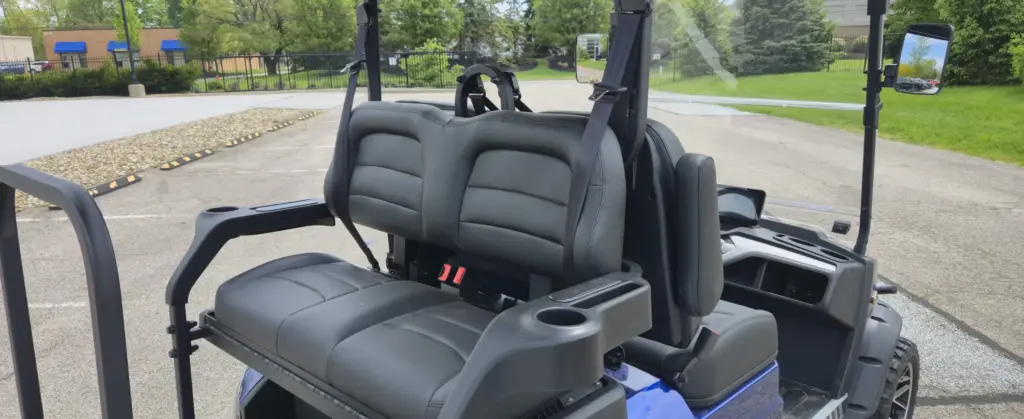
Traditional golf carts were originally designed for golf-course transportation only, not regular public-road driving. Because of that, many older golf carts lack important safety equipment required for street use. Standard golf carts often do not include headlights, brake lights, mirrors, turn signals, windshields, or seat belts from the factory. Owners usually need additional upgrades before the vehicle can legally operate on approved public roads.
Street Legal Golf Carts Must Meet Safety Requirements
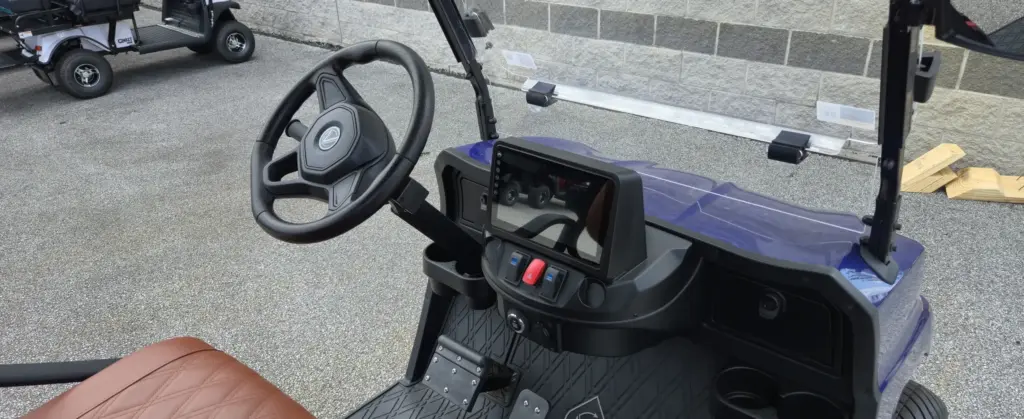
One major reason people search can golf carts be street legal is because converting a golf cart involves much more than adding a license plate. Most states require specific safety equipment before a golf cart qualifies as a street-legal Low-Speed Vehicle. Common requirements include headlights, taillights, brake lights, reflectors, mirrors, seat belts, turn signals, windshields, parking brakes, and VINs for registration purposes. These upgrades help improve visibility and passenger protection when operating near regular traffic.
Low-Speed Vehicle Laws Matter
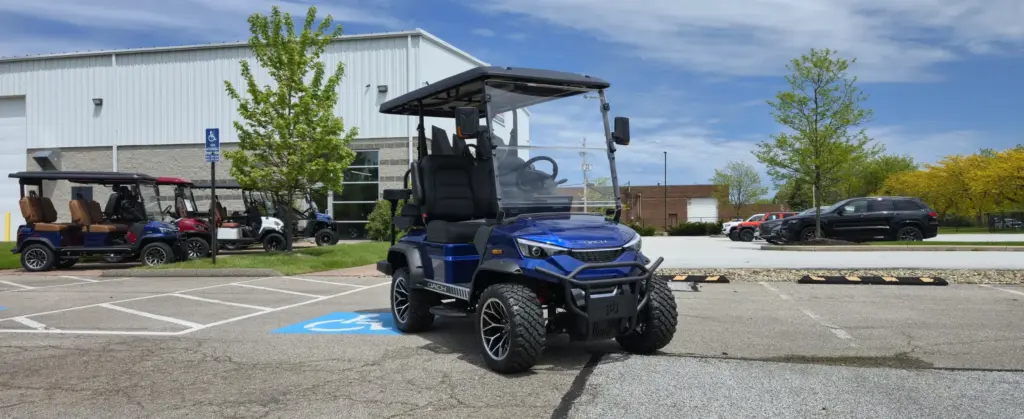
Many buyers researching can golf carts be street legal eventually discover that street-legal golf carts are usually classified as Low-Speed Vehicles, often called LSVs. LSV laws regulate where the vehicle can legally operate, required equipment, speed capability, and registration rules. Most LSVs operate on roads with lower posted speed limits rather than on highways or in faster traffic areas. Buyers comparing modern neighborhood transportation frequently explore options like Teko Trophy because many newer electric golf carts already include upgraded safety and comfort features designed for community driving.
Common Street Legal Requirements
Street legal golf carts must usually include several important safety upgrades before public-road use becomes legal. The table below highlights common requirements in many states.
| Required Feature | Purpose |
|---|---|
| Headlights | Improves nighttime visibility |
| Brake Lights | Warns nearby drivers |
| Turn Signals | Signals direction changes |
| Seat Belts | Passenger protection |
| Mirrors | Traffic awareness |
| Windshield | Driver visibility and protection |
Local laws vary significantly, so owners should always verify state and community requirements carefully.
Registration And Insurance May Be Required
Another overlooked factor tied to can golf carts be street legal is that registration and insurance are often required once the golf cart becomes an LSV. Many states require titles, VINs, valid registration, and liability insurance before allowing public-road operation. Drivers may also need a valid driver’s license depending on local laws. These requirements help regulate safer use on public streets and shared traffic areas.
Electric Golf Carts Are Popular For Street Legal Use
Electric golf carts have become especially popular for neighborhood transportation because they operate quietly and require less routine maintenance compared to gas-powered vehicles. Lithium battery systems, smoother acceleration, and quieter driving make electric golf carts attractive for retirement communities, campgrounds, and residential neighborhoods. Modern electric transportation continues growing rapidly as more communities embrace low-speed local travel solutions.
Weather Conditions Affect Road Safety
Drivers in Northeast Ohio and similar climates should understand that weather conditions affect street-legal golf cart safety significantly. Rain, snow, ice, and wet pavement can reduce traction and braking performance much more noticeably because golf carts are lighter than passenger vehicles. Proper tires, functioning lights, and cautious driving habits become extremely important during changing weather conditions.
Upgrading Older Golf Carts Can Become Expensive
Some owners assume converting an older golf cart into a street-legal vehicle will be inexpensive, only to discover later that required upgrades can add substantial cost. Headlights, mirrors, seat belts, upgraded electrical systems, registration fees, and inspection requirements all increase total conversion expense. In some situations, purchasing a newer golf cart already designed for street-legal operation may provide better long-term value.
Golf Cart Speed Matters Too
Most street-legal golf carts must meet minimum speed requirements while also remaining within Low-Speed Vehicle regulations. Many states require LSVs to operate within a specific speed range, commonly around 20 to 25 miles per hour. Golf carts that travel too slowly may not qualify legally for public-road operation without modifications.

Neighborhood Transportation Keeps Expanding
One reason searches for can golf carts be street legal continue increasing is because golf carts are now used for much more than golf-course transportation. Residential communities, beach towns, retirement neighborhoods, and campgrounds increasingly rely on golf carts for short-distance local transportation. Some outdoor enthusiasts also compare other recreational transportation options, like E-Bikes, when evaluating efficient neighborhood mobility and recreational travel alternatives.
Safe Driving Habits Remain Extremely Important
Even though street-legal golf carts operate at lower speeds than passenger vehicles, safe driving still matters heavily. Distracted driving, overcrowding passengers, aggressive turns, and operating carts in unsafe traffic conditions can still create serious accidents. Drivers should always treat street-legal golf carts responsibly and remain aware of surrounding traffic and pedestrians during operation.
Local Communities May Have Additional Rules
Some neighborhoods and homeowner associations establish their own golf cart regulations beyond state laws. These rules may restrict operating hours, approved road access, parking areas, or age requirements for drivers. Owners should always review local community policies carefully before driving golf carts on neighborhood streets.
Street Legal Golf Cart Safety Awareness Continues Growing
Organizations like the Golf Cart Resource continue discussing golf cart laws, LSV regulations, and neighborhood transportation safety as street-legal golf cart use expands rapidly across the United States.
LSV Rules Prevent Costly Mistakes
Many owners mistakenly assume simple cosmetic upgrades automatically make golf carts street legal, but legal road operation usually involves much stricter requirements. Buyers researching what does LSV mean on a golf cart often gain a much clearer understanding of registration, safety equipment, and local road-use regulations before beginning conversions or purchasing upgrades.
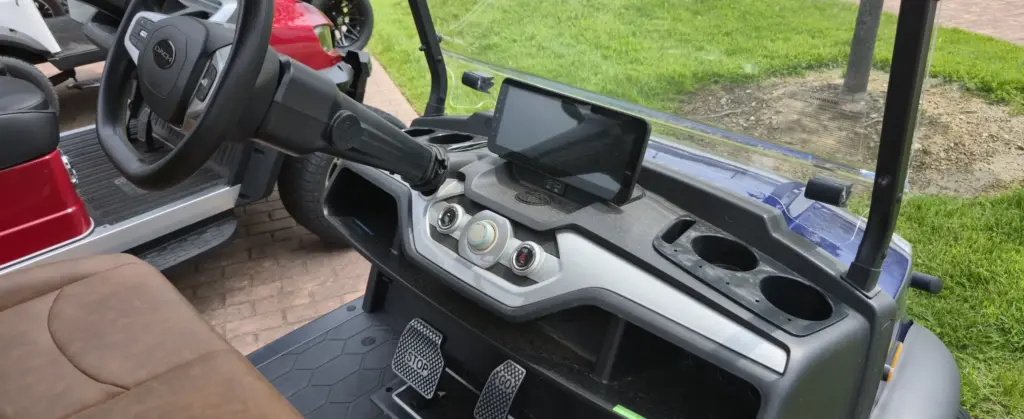
Conclusion
The answer to can golf carts be street legal is yes, but only when the golf cart meets local Low-Speed Vehicle requirements involving safety equipment, registration, insurance, and approved road access. Headlights, mirrors, seat belts, brake lights, and proper registration are commonly required before public-road operation becomes legal. Buyers who understand local laws, prioritize safety upgrades, and choose the correct vehicle setup usually experience much smoother ownership overall. Anyone exploring street-legal golf carts, neighborhood transportation, or recreational mobility solutions can visit Mentor Golf Carts & Trailers for additional information and available inventory.