
Trailer prices may seem affordable at first glance, but costs can rise quickly depending on the trailer’s size, build quality, hauling capacity, and intended purpose. Therefore, it’s important to know how much trailer cost before purchasing a utility trailer, enclosed cargo trailer, equipment trailer, or recreational hauling setup. Small utility trailers may cost only a few thousand dollars, while larger enclosed or heavy-duty trailers can easily exceed tens of thousands of dollars, depending on features and specifications. Understanding how much trailer cost helps buyers avoid overspending, choose the right trailer size, and match towing needs properly before making a major investment.
Trailer Type Plays The Biggest Role In Pricing
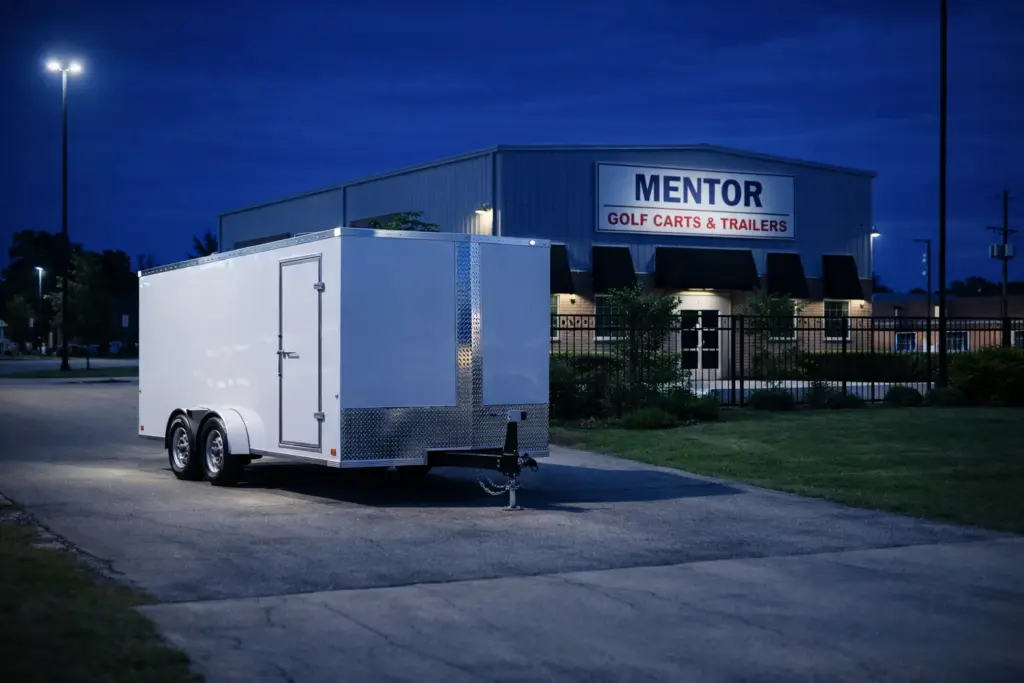
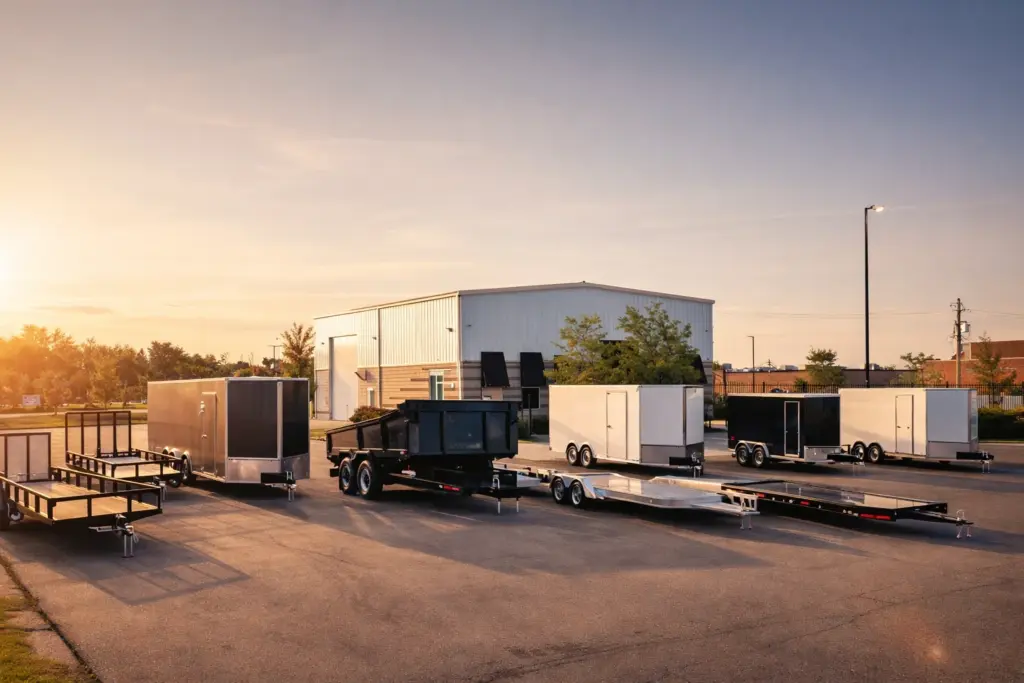
The biggest factor affecting how much trailer cost is the type of trailer being purchased. Small open utility trailers designed for lawn equipment or light cargo are usually much less expensive than enclosed cargo trailers, dump trailers, equipment haulers, or specialty trailers. Enclosed trailers require additional materials like roofing systems, sidewalls, reinforced doors, and interior support structures, which increase manufacturing costs significantly. Heavy-duty equipment trailers also cost more because they use stronger frames, larger axles, reinforced suspension systems, and upgraded braking components. Buyers comparing enclosed hauling solutions often explore options like the 4×6 RC Trailers Enclosed Cargo when researching compact enclosed trailers designed for lighter hauling needs and cargo protection.
Trailer Size Strongly Impacts Total Cost
Another important reason buyers search how much trailer cost is because trailer size dramatically changes pricing. Longer and wider trailers require more steel, larger flooring systems, heavier axles, stronger tires, and upgraded suspension components. Even small increases in trailer dimensions can raise pricing significantly. Buyers sometimes purchase trailers much larger than necessary, which increases both initial purchase price and long-term towing costs. Choosing a trailer based on realistic hauling needs instead of maximum possible capacity often creates much better value over time.
Open And Enclosed Trailers Have Very Different Prices
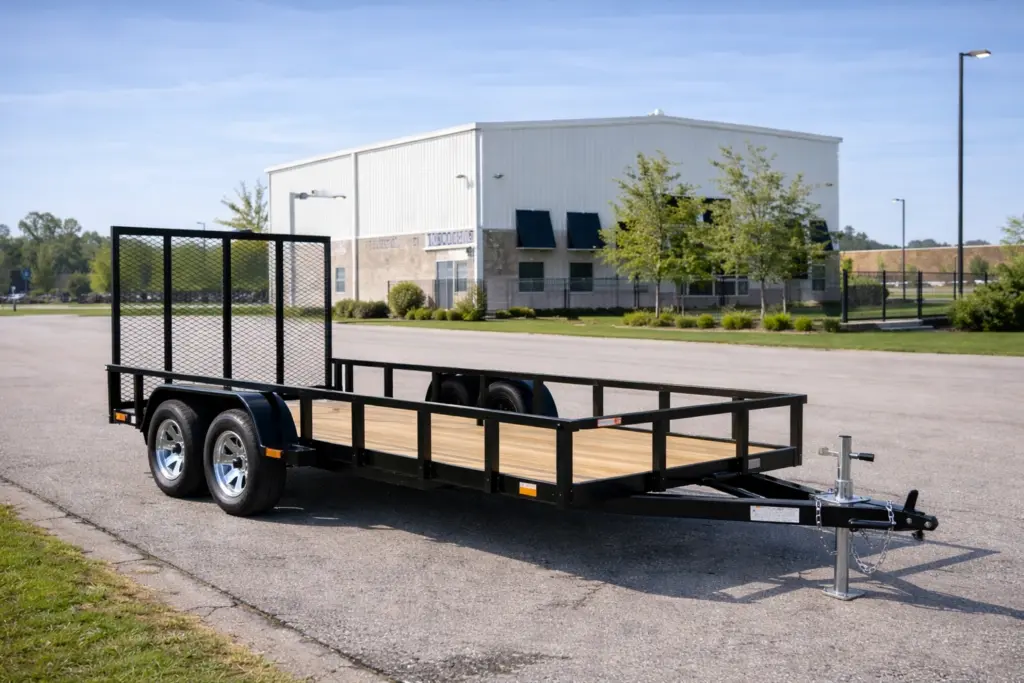
One overlooked factor connected to how much trailer cost is whether the trailer is open or enclosed. Open utility trailers are usually more affordable because they use fewer materials and simpler construction. Enclosed trailers cost more because they provide weather protection, cargo security, and improved storage capability. Buyers hauling motorcycles, golf carts, tools, or valuable equipment often prefer enclosed trailers despite higher pricing because they offer much better protection during travel and storage. The added convenience and security frequently justify the higher upfront investment for many owners.
Average Trailer Price Ranges
Many buyers researching how much trailer cost want general pricing comparisons before visiting dealerships or shopping online. The table below highlights common trailer categories and typical pricing ranges.
| Trailer Type | Average Price Range |
|---|---|
| Small Utility Trailer | $1,000-$3,500 |
| Single Axle Enclosed Trailer | $3,000-$7,000 |
| Tandem Axle Cargo Trailer | $5,000-$12,000 |
| Equipment Trailer | $6,000-$15,000+ |
| Dump Trailer | $8,000-$20,000+ |
Actual trailer pricing varies depending on size, axle setup, materials, braking systems, and manufacturer reputation.
Buyers researching safe towing and trailer ownership often review towing recommendations from the National Highway Traffic Safety Administration when learning about trailer safety, braking systems, and towing capacity requirements.
Trailer Construction Materials Affect Pricing
Another major factor influencing how much trailer cost is construction material. Steel trailers are extremely common because they are durable and generally more affordable, but aluminum trailers usually cost more because of their lighter weight and corrosion resistance. Aluminum trailers can improve towing efficiency and reduce long-term rust concerns, especially in areas with snow or heavy road salt use. Buyers should compare durability, towing needs, maintenance expectations, and storage conditions carefully when choosing between steel and aluminum trailer construction.
Axle Configuration Changes Trailer Cost
Single-axle trailers are generally less expensive because they use fewer suspension components, tires, brakes, and axle assemblies. Tandem-axle trailers cost more because they are designed for heavier hauling capacity and improved towing stability. Buyers transporting golf carts, side-by-sides, construction equipment, or heavier cargo often prefer tandem-axle setups because they handle weight more safely during highway towing. However, larger axle systems also increase maintenance costs, tire replacement expenses, and total trailer weight over time.
Customization Can Increase Trailer Prices Quickly
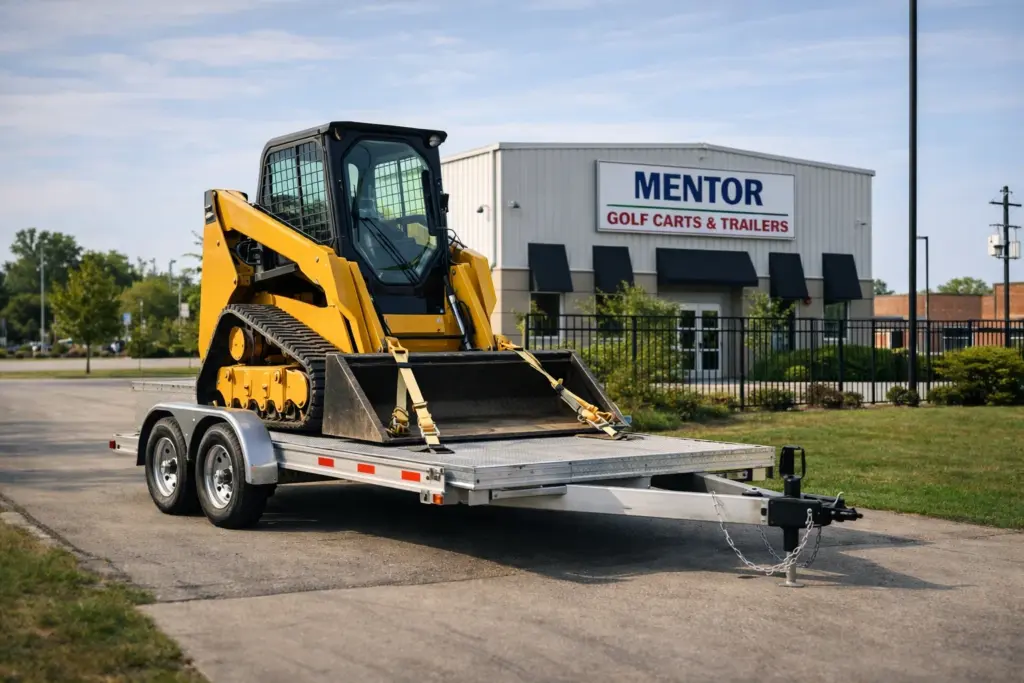
One reason buyers continue searching how much trailer cost is that optional upgrades can dramatically increase final pricing. Features like upgraded flooring, heavier-duty ramps, LED lighting packages, spare tires, electric brakes, tie-down systems, roof vents, and reinforced frames all raise trailer cost significantly. Buyers shopping for larger hauling setups often compare options like the Quality Trailers 82×22 Split Tilt Fender Equipment Trailer when researching equipment trailers designed for heavier recreational or commercial hauling applications. Understanding which upgrades are actually necessary helps buyers avoid overspending on unnecessary features.
Used Trailers May Offer Better Value
Many buyers researching how much trailer cost also compare new versus used trailer pricing. Used trailers can sometimes provide excellent value if the frame, suspension, tires, brakes, and flooring remain in good condition. However, heavily rusted or poorly maintained trailers may require expensive repairs shortly after purchase. Buyers considering used trailers should inspect welds, tires, axles, flooring, lighting systems, and frame condition carefully before purchasing. Saving money up front does not always create better long-term value if major repairs become necessary later.
Choosing The Right Trailer Matters More Than Lowest Price
Many buyers eventually realize the cheapest trailer is not always the smartest purchase. A trailer that properly matches hauling needs, towing capacity, and long-term usage often provides much better value than buying the lowest-priced option available. Buyers should focus on durability, safety, braking capability, storage needs, and realistic cargo requirements instead of price alone. Investing in the right trailer setup early usually prevents towing problems, overloading issues, and expensive upgrades later.
Conclusion
The cost of a trailer can range from relatively affordable to a major long-term investment, depending on size, hauling capacity, materials, and intended use. Buyers who focus only on the cheapest option often overlook important factors like towing stability, cargo protection, braking systems, and long-term durability. A properly matched trailer usually performs better, lasts longer, and creates a safer towing experience overall. Taking time to compare trailer types, axle setups, and realistic hauling needs can prevent expensive mistakes later. Whether hauling equipment, recreational vehicles, or everyday cargo, choosing the right trailer matters far more than simply finding the lowest price available. For trailer options and towing guidance, buyers can visit Mentor Golf Carts & Trailers.