
People interested in electric transportation eventually ask can you ride an electric motor bike before buying one for commuting, recreation, or neighborhood travel. The short answer is yes, you can legally ride many electric motorbikes, but the rules depend heavily on speed capability, motor size, state laws, and where the bike is being operated. Some electric motor bikes qualify as electric bicycles and can ride in bike lanes or shared paths, while higher-powered models may require registration, insurance, and a driver’s license. Understanding the legal differences before purchasing an electric motorcycle can help riders avoid fines, registration problems, and expensive buying mistakes later.
Electric Motor Bikes Come In Several Different Categories
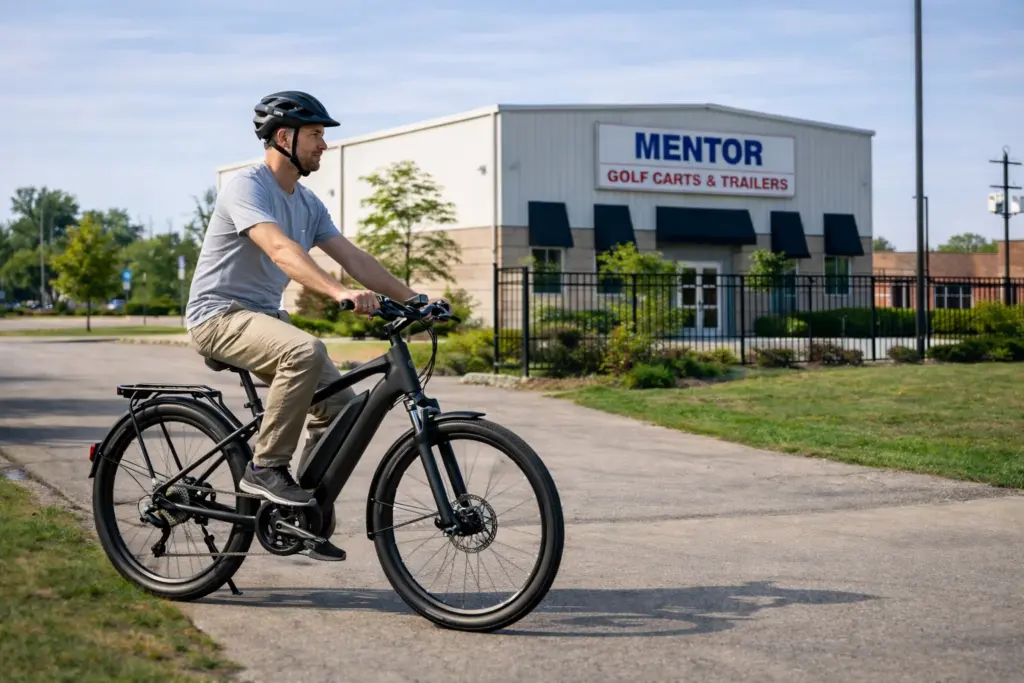
One major reason people search can you ride an electric motor bike is because the term itself covers several different types of vehicles. Some electric motor bikes function more like bicycles with pedal assistance and lower top speeds, while others closely resemble motorcycles with much higher power output and acceleration. Lower-speed electric bikes are often classified separately from motorcycles and may not require registration or licensing in many states. Higher-powered electric motor bikes, however, can fall under motorcycle or low-speed vehicle laws depending on local regulations. Riders exploring electric transportation options often compare vehicles available through Mentor Golf Carts & Trailers E-Bikes when researching practical electric mobility solutions designed for neighborhood and recreational use. Understanding these categories helps buyers choose the right vehicle for their intended riding environment.
State Laws Determine Where You Can Ride
The answer to can you ride an electric motor bike changes significantly depending on state and local laws. Some states allow lower-powered electric bikes on bike paths, sidewalks, and shared-use trails, while higher-speed electric motor bikes may be restricted to public roads only. Riders in Ohio should always verify local DMV and municipal regulations because electric vehicle laws can vary between cities and communities. According to the National Highway Traffic Safety Administration, vehicle classifications and roadway requirements differ throughout the United States, making local research extremely important before purchasing any electric-powered transportation vehicle. Riders who assume all electric bikes follow the same laws often discover unexpected restrictions later.
Licensing Requirements Depend On Motor Power
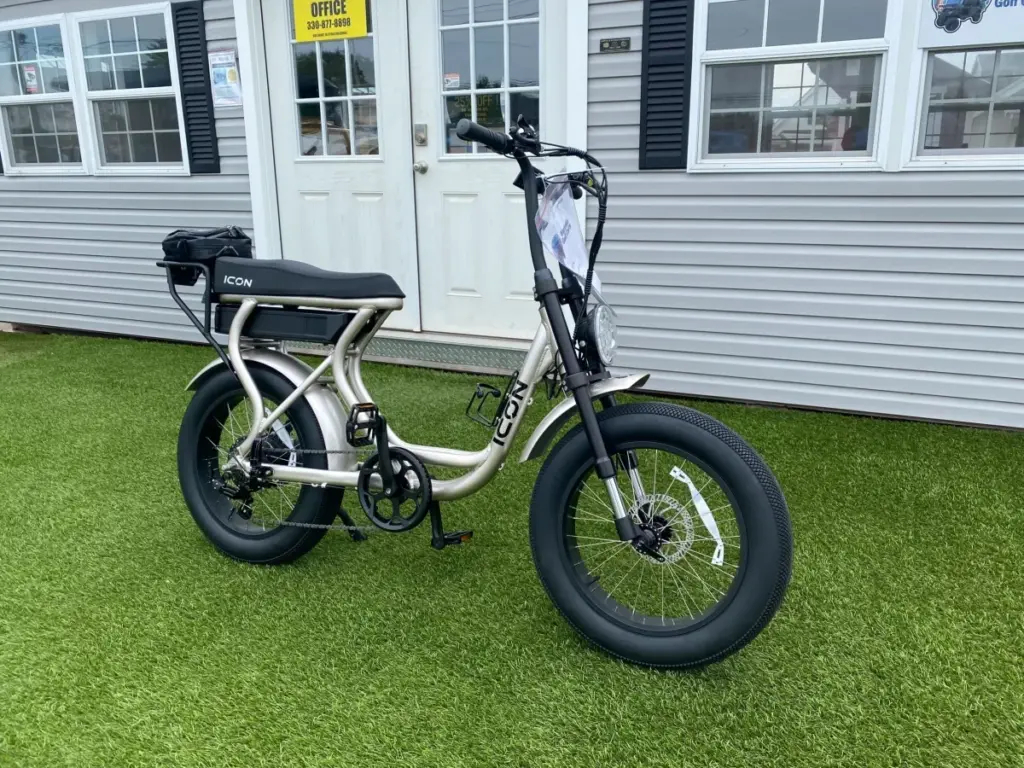
Another important factor connected to can you ride an electric motor bike is licensing. Lower-powered electric bicycles often do not require motorcycle licenses or standard registration in many states if they stay below specific speed and wattage limits. However, once an electric motorbike exceeds certain performance thresholds, states may classify it as a moped, scooter, motorcycle, or low-speed vehicle. In those situations, riders may need registration, insurance, license plates, helmets, and a valid driver’s license before legal road operation becomes possible. Buyers should always verify classification rules before purchasing high-performance electric motor bikes because licensing requirements can change dramatically once speed capability increases.
Common Electric Motor Bike Classifications
Many riders researching can you ride an electric motor bike become confused by the different classifications used across the industry. The table below shows common electric bike categories and how they are typically treated legally.
| Often requires registration and a license | Typical Legal Treatment |
|---|---|
| Class 1 E-Bike | Pedal assist only, usually bike-lane legal |
| Class 2 E-Bike | Throttle capable, often allowed on shared paths |
| Class 3 E-Bike | Higher-speed pedal assist, roadway restrictions may apply |
| Electric Moped | Often requires registration and license |
| Electric Motorcycle | Requires motorcycle compliance and insurance |
Understanding these categories helps riders avoid buying vehicles that do not legally fit their intended riding environment.
Safety Equipment Still Matters
Even when the answer to can you ride an electric motor bike is yes, riders should still prioritize safety equipment before operating on public roads or trails. Helmets, gloves, reflective clothing, lights, and mirrors become increasingly important as speed capability increases. Electric motor bikes accelerate quickly and operate quietly, which sometimes makes them less noticeable to drivers and pedestrians. Riders should also understand local traffic laws, signaling practices, and roadway etiquette before mixing with vehicle traffic. Safe riding habits matter just as much as legal compliance when operating electric-powered vehicles around public spaces.
Electric Motor Bikes Continue Growing In Popularity
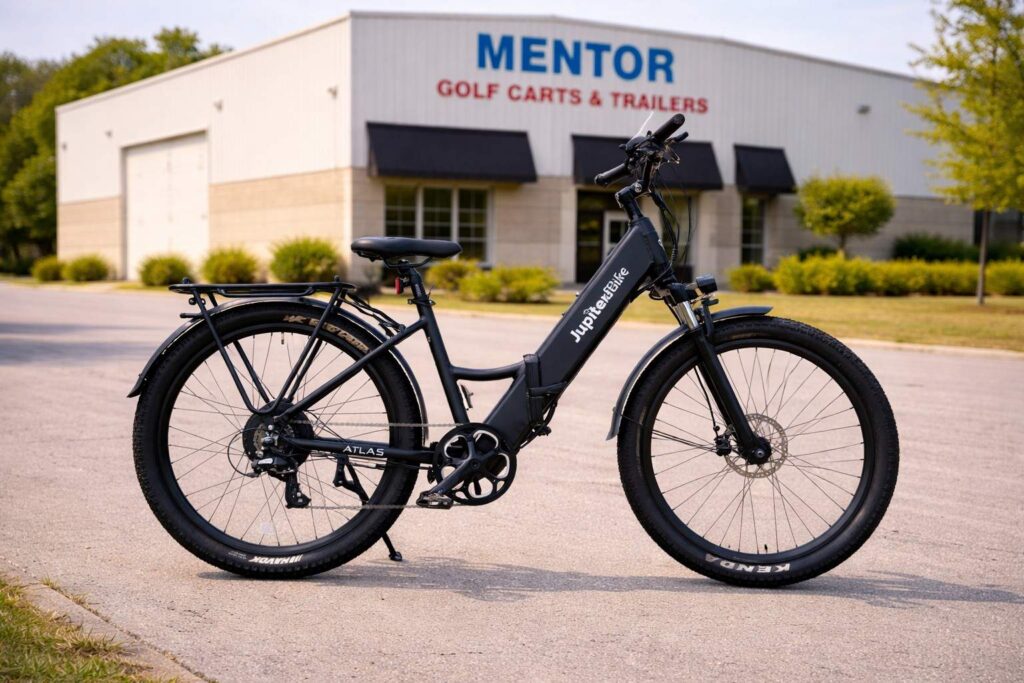
The growing popularity of electric transportation is one reason searches for can you ride an electric motor bike continue increasing every year. Riders appreciate electric motorbikes because they provide quiet operation, lower fuel costs, reduced maintenance, and instant acceleration compared to many gas-powered alternatives. Improvements in lithium battery technology have also increased riding range and reliability significantly. Riders interested in modern electric transportation often explore models like the Whisper W3 when comparing practical electric vehicles designed for local-road and neighborhood-friendly operation. As technology improves, electric transportation options continue expanding across both recreational and commuter markets.
Weather And Riding Conditions Affect Usability
Another overlooked factor connected to can you ride an electric motor bike is environmental conditions. Electric motor bikes generally handle normal paved-road riding very well, but rain, mud, snow, and rough terrain can affect traction and visibility significantly. Riders should always confirm whether their electric motorbike is designed for wet-weather riding before operating in heavy rain. Tire quality, suspension design, and braking systems also influence how safely the vehicle handles difficult terrain. Riders planning frequent outdoor use should prioritize models designed specifically for their expected riding conditions instead of choosing solely based on appearance or top speed.
Choosing The Right Electric Motor Bike Matters
Many buyers only fully understand the answer to can you ride an electric motor bike after purchasing the wrong model for their intended use. Some buyers accidentally purchase off-road-only electric bikes for public-road commuting, while others buy low-powered bikes that cannot comfortably handle their travel needs. Choosing the correct category from the beginning helps riders avoid expensive modifications, registration problems, and performance frustration later. Working with knowledgeable dealers and understanding local regulations early can save buyers considerable time and money over the long term.
Conclusion
The answer to can you ride an electric motor bike depends on vehicle classification, motor power, speed capability, and local state laws. Many lower-powered electric motor bikes can legally operate on roads, bike paths, and shared-use areas, while higher-powered models may require registration, insurance, and licensing similar to motorcycles. Riders who research regulations carefully before purchasing can avoid legal problems and choose vehicles that better fit their intended use. Anyone looking for electric transportation options, neighborhood-friendly mobility solutions, or guidance on electric vehicle classifications can contact Mentor Golf Carts & Trailers for additional information and available inventory options.