
Small electric vehicles have become increasingly common in neighborhoods, planned communities, and resort areas across the United States. As people research alternatives to traditional cars for short local trips, many come across the term what is LSV and wonder what it actually means. LSV stands for Low Speed Vehicle, a special vehicle classification created under U.S. transportation regulations for compact motor vehicles designed to travel at moderate speeds. These vehicles are often similar in appearance to golf carts but include additional safety equipment that allows them to operate on certain public roads. Because of their convenient size and efficient operation, LSV vehicles have become a practical transportation option for communities where shorter travel distances are common. Understanding what qualifies as an LSV and how these vehicles differ from traditional golf carts helps potential buyers determine whether this type of vehicle is suitable for their daily transportation needs.
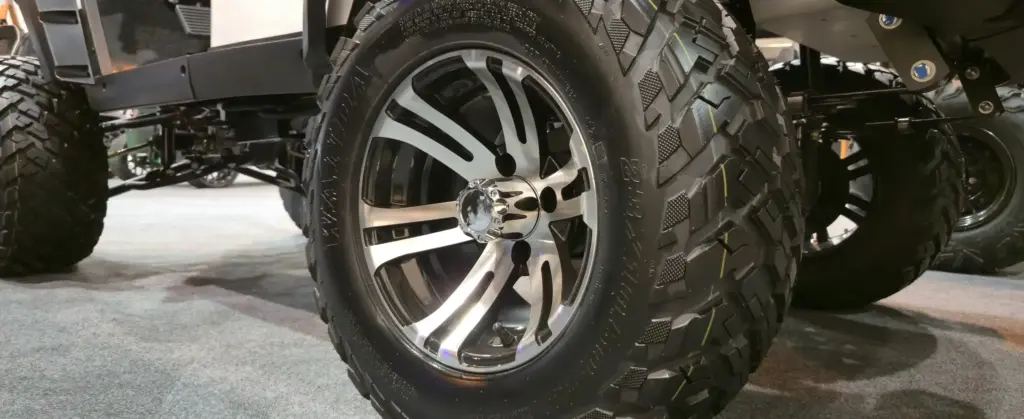
The Meaning Behind The LSV Classification
To properly explain what is LSV, it is important to understand that the term represents a legal vehicle classification rather than a specific brand or model. LSV stands for Low Speed Vehicle, which refers to a small motor vehicle capable of reaching speeds between 20 and 25 miles per hour. This speed range places LSV vehicles between traditional golf carts and regular passenger vehicles in terms of capability. The classification allows these vehicles to operate safely on certain public roads where speed limits are typically lower. Because they are designed for moderate speeds, Low Speed Vehicles are most commonly used for short-distance travel within residential communities, retirement developments, and resort areas. The purpose of the LSV category is to provide a transportation option that offers greater functionality than a golf cart while still maintaining a compact and efficient design.
Key Features That Define An LSV
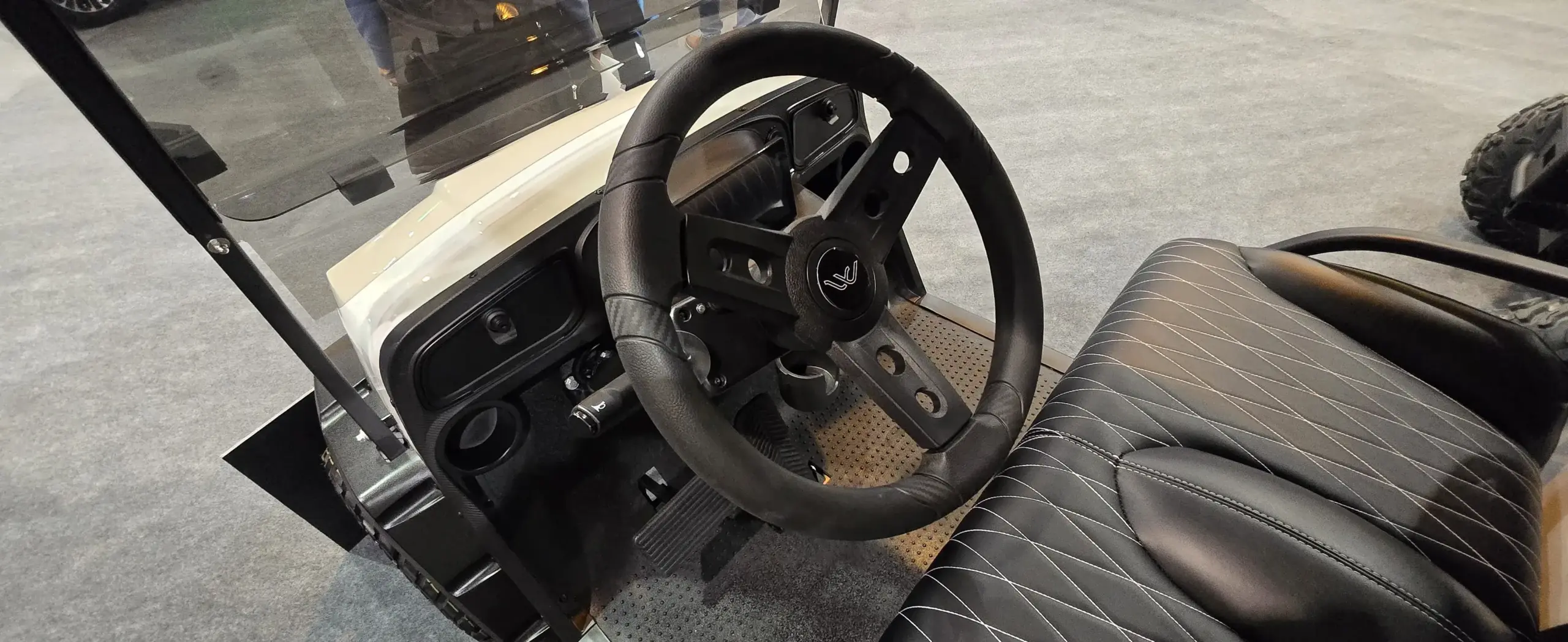
One of the most important aspects of answering what is LSV involves examining the features required for these vehicles. Unlike standard golf carts, LSV vehicles must include several safety components before they can be legally operated on public roads. These features usually include headlights, taillights, brake lights, turn signals, mirrors, reflectors, a windshield, and seat belts for each passenger. In addition, LSV vehicles must have a parking brake and display a vehicle identification number similar to other motor vehicles. These components ensure that the vehicle remains visible to other drivers and provides a basic level of passenger protection. Because of these safety requirements, LSV vehicles are often considered more capable than traditional golf carts when it comes to operating within community road systems.
Speed Range That Defines Low Speed Vehicles
Another critical element when discussing what is LSV is the vehicle’s speed capability. Low Speed Vehicles are designed to travel between 20 and 25 miles per hour. This speed range is carefully regulated to ensure that the vehicle can move efficiently within neighborhoods while still remaining safe for roads with moderate traffic speeds. Because of this limitation, LSV vehicles are generally permitted only on streets with posted speed limits of 35 miles per hour or lower. These restrictions help ensure that LSV vehicles operate in environments where their speed matches surrounding traffic conditions. The regulated speed range is one of the reasons these vehicles are considered suitable for local transportation but not for highways or major roads.
Federal Regulations That Govern LSV Vehicles
The official definition of what is LSV comes from federal transportation regulations in the United States. The National Highway Traffic Safety Administration regulates Low Speed Vehicles under Federal Motor Vehicle Safety Standard 500. This regulation establishes the equipment and performance requirements necessary for a vehicle to qualify as an LSV. Manufacturers must ensure their vehicles include the required safety components before they can be classified as Low Speed Vehicles. These regulations are intended to improve safety by ensuring that drivers and other road users can clearly see the vehicle and anticipate its movements. Additional details about these standards can be found through the official government resource here: NHTSA Low Speed Vehicle Safety Information. These rules help maintain consistent safety expectations for LSV vehicles throughout the country.
Where Low Speed Vehicles Are Commonly Used
Once people understand what is LSV, they often want to know where these vehicles can be used. Low Speed Vehicles are most commonly found in communities designed for short-distance travel. Retirement communities, resort areas, beach towns, and master-planned neighborhoods frequently allow LSV vehicles on local roads. In these environments, residents may use them for daily tasks such as visiting neighbors, traveling to nearby shops, or reaching recreational facilities. Because they are compact and easy to operate, LSV vehicles provide a convenient alternative to traditional automobiles for short trips. Their smaller size also allows them to navigate narrow community streets and parking areas more easily than full-size vehicles.
Advantages Of Using Low Speed Vehicles
Several benefits explain why many people researching neighborhood transportation ask what is LSV and consider purchasing one. One advantage is efficiency. Many Low Speed Vehicles are electric, meaning they operate quietly and produce no direct emissions. This makes them appealing in communities that prioritize environmentally friendly transportation options. Another benefit is convenience. Because LSV vehicles are smaller than cars, they are easier to park and maneuver in residential areas. Operating costs are also typically lower compared to full-size vehicles since electricity is generally less expensive than gasoline and the mechanical systems are simpler. These advantages have contributed to the increasing popularity of Low Speed Vehicles in communities across the country.

Safety Considerations For LSV Drivers
Although Low Speed Vehicles travel at moderate speeds, safety remains an important consideration when discussing what is LSV. Drivers must follow local traffic laws and operate the vehicle responsibly when sharing roads with other traffic. Required safety features such as seat belts, mirrors, and lighting systems help improve visibility and passenger protection. Drivers should also ensure that the vehicle is properly maintained and that tires, brakes, and electrical systems remain in good condition. Responsible operation and regular maintenance help ensure that Low Speed Vehicles remain safe transportation options for community environments where they are permitted.
Conclusion
Understanding what is LSV helps explain why these vehicles have become increasingly popular in many residential communities. A Low Speed Vehicle is a compact motor vehicle designed to travel between 20 and 25 miles per hour while meeting federal safety standards that allow it to operate on approved public roads. These vehicles combine the convenience of golf cart-style transportation with additional safety equipment required for street use. Because of their efficiency, quiet operation, and practicality for short trips, LSV vehicles continue to gain popularity across the country. For individuals interested in exploring golf carts and Low Speed Vehicle options for community transportation, reviewing available models can provide valuable insight. Those looking to compare different golf carts and trailer options can explore the selection available through Mentor Golf Carts and Trailers, where vehicles designed for recreational and neighborhood use are available to consider.