
Golf carts are used for much more than golf courses today. Many owners drive them around private communities, campgrounds, farms, resorts, and neighborhoods. Because they can look similar to small road vehicles, people often assume they are titled and registered in the same way as cars. That is not always the case.
So, do golf carts have a title? In many situations, a standard golf cart does not automatically come with a traditional motor vehicle title. Requirements depend on how the cart is classified, where it is used, and whether it has been converted or manufactured to meet low-speed vehicle requirements. Some jurisdictions may require documentation, registration, inspections, or a title before allowing certain carts on public roads.
Understanding the difference between a regular golf cart and a road-legal low-speed vehicle is essential. The answer can change depending on vehicle type, state rules, and local regulations, so owners should always verify requirements before buying or registering a cart.
Do Golf Carts Have A Title When Purchased New?
A standard golf cart purchased new may not come with the same type of title issued for a passenger car. Golf carts were traditionally designed for golf courses and private property, so many models have historically been identified using manufacturer serial numbers rather than state-issued motor vehicle titles. Buyers may instead receive paperwork such as a bill of sale, manufacturer’s certificate, purchase invoice, or other ownership documents.
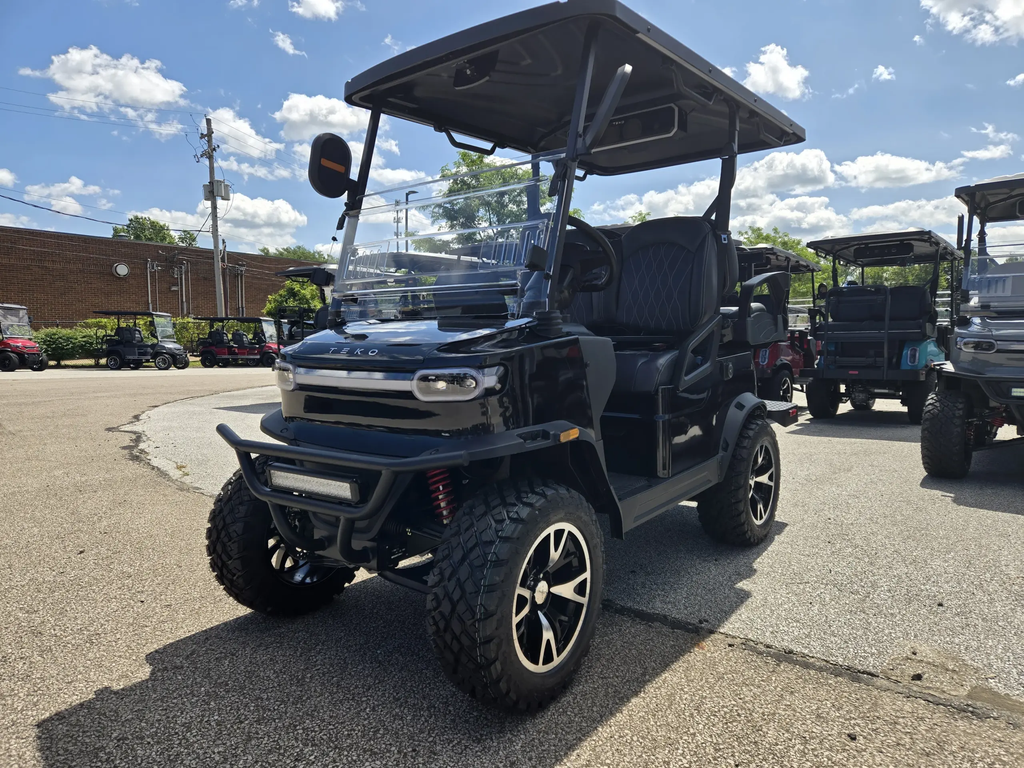
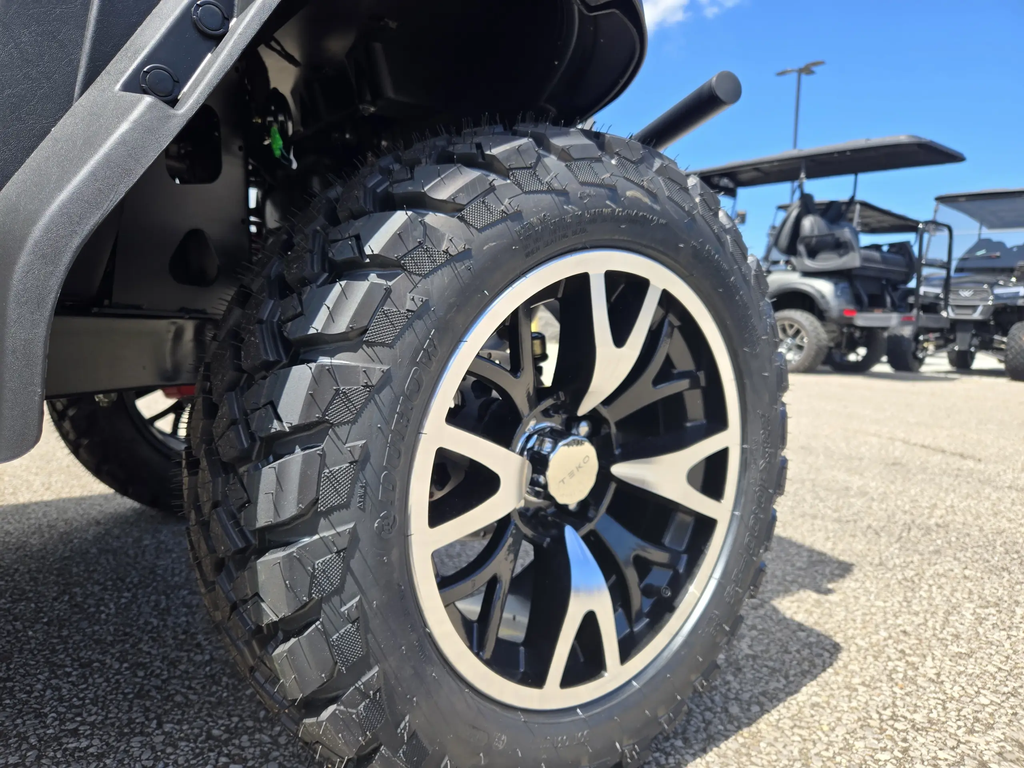
The situation can be different when the vehicle is designed and sold for public-road use. Buyers considering modern models should check our teko golf carts with the exact classification and documentation provided with the vehicle. A cart’s appearance alone does not establish whether it qualifies for registration or titling. Before completing a purchase, ask what ownership documents are included and whether the vehicle can meet the requirements for your intended use.
Why Some Golf Carts Do Not Have Traditional Titles
Many golf carts were never intended to operate as conventional motor vehicles. Their original purpose was low-speed transportation across golf courses and other controlled areas. Because of that, states may treat ordinary golf carts differently from automobiles, motorcycles, and other vehicles normally registered for public-road use.
The general term golf cart covers many types of small vehicles, from basic course carts to heavily equipped neighborhood models. This broad category is one reason ownership documentation can vary. A cart used entirely on private property may not require the same paperwork as one driven on public streets. Older carts may also change hands several times using bills of sale instead of titles. Buyers should keep every available ownership document because proving legal ownership can become important when selling, insuring, registering, or modifying the cart later.
When A Golf Cart May Need A Title
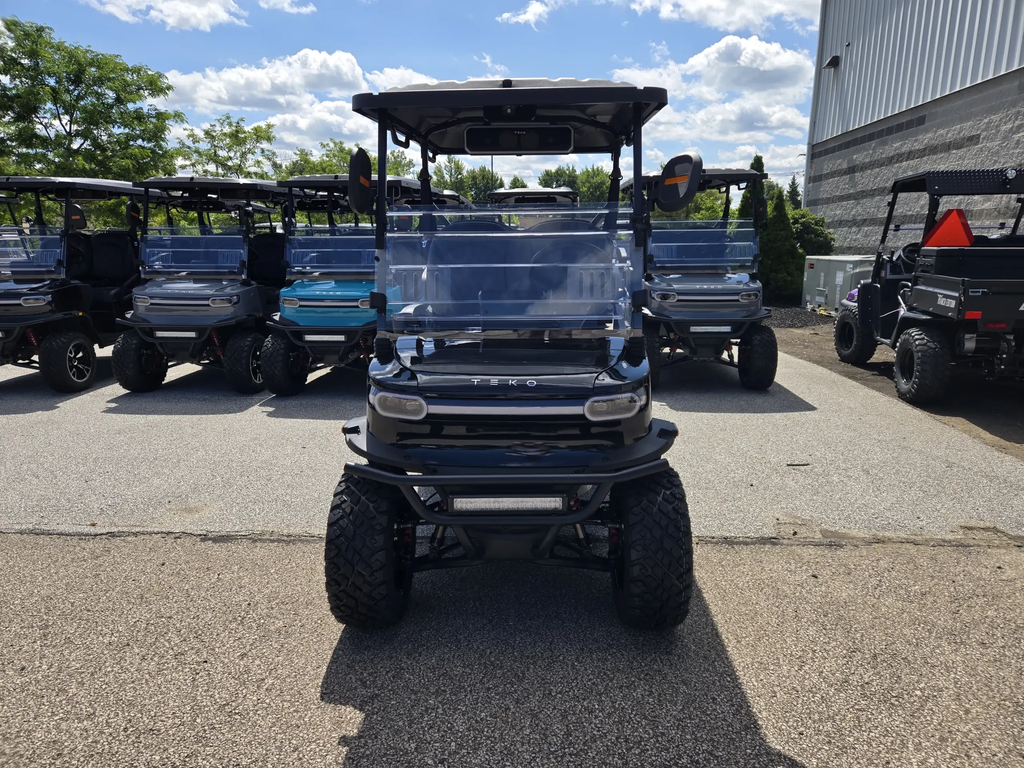
A title may become necessary when a golf cart is classified or converted for public-road use. Low-speed vehicles generally fall under different rules than ordinary course carts. Depending on the state, the owner may need to complete inspections, provide ownership documentation, obtain a vehicle identification number, and meet safety requirements before registration can occur.
Vehicle classification is therefore more important than simply asking whether the cart has headlights or turn signals. Even after adding safety equipment, a cart may still need further documentation or approval before it can legally be titled or registered. Local and state requirements should be checked before making conversion plans.
What Documents Prove Golf Cart Ownership?
When a traditional title is unavailable, other documents can become important for establishing ownership. A bill of sale is one of the most common records. It should clearly identify the buyer, seller, purchase date, sale amount, and identifying information for the golf cart. Serial numbers should be recorded accurately whenever possible because they help distinguish one cart from another.
Newer vehicles may also come with manufacturer documentation, dealer invoices, certificates of origin, warranty paperwork, or registration records. Owners should keep copies of these documents throughout the time they own the cart. Missing paperwork can make resale, insurance, registration, or legal ownership verification more difficult. When buying a used cart, compare the serial number on the vehicle with the seller’s paperwork. Asking for identification and a signed bill of sale can also reduce the risk of purchasing a cart with unclear ownership history.
Can You Get A Title For A Golf Cart That Does Not Have One?
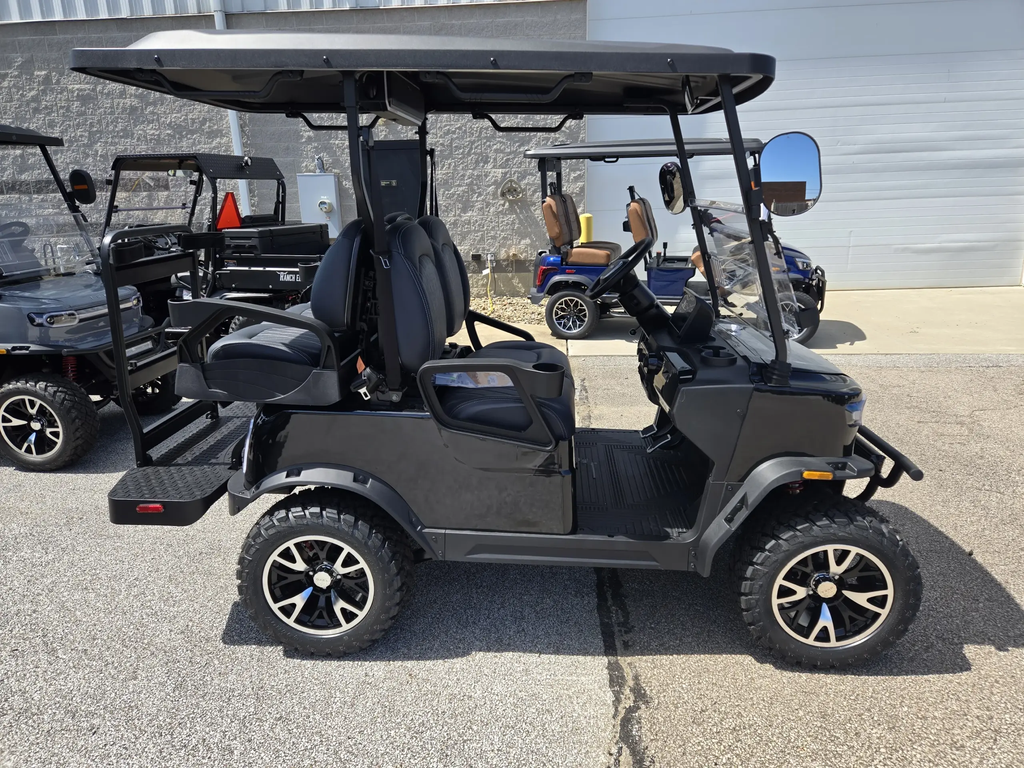
In some situations, it may be possible to obtain a title or registration for a golf cart that was not originally titled. The process depends on local and state requirements. An owner may need proof of purchase, manufacturer information, a serial number, an inspection, or additional paperwork. Requirements can become more complex when the cart has been significantly modified.
Owners should avoid assuming that adding road equipment automatically makes a cart eligible for a title. Vehicle speed, safety equipment, identification numbers, and original manufacturing classification can all affect the process. If documentation is missing, contact the appropriate state motor vehicle agency before spending money on modifications. A dealership may also help identify the cart or locate manufacturer information. Preparing paperwork early can prevent delays when the goal is registration, insurance, resale, or legal public-road operation.
Does A Street-Legal Golf Cart Need Different Paperwork?
Street-oriented golf carts and low-speed vehicles usually require more documentation than ordinary carts used on private property. Depending on where the vehicle is operated, owners may need registration, insurance, plates, inspections, or proof that required safety equipment is installed. Titling requirements can also vary according to the vehicle’s classification.
Equipment alone does not determine legality. A cart may have headlights, mirrors, turn signals, seat belts, and a windshield while still lacking the documentation needed for public roads. Owners should confirm both equipment and paperwork requirements before driving. If you are unsure whether your cart is properly equipped, the Mentor Golf Carts & Trailers Service Department can help evaluate the vehicle and identify service or equipment needs. Final registration and titling decisions, however, remain subject to the appropriate government authority.
What To Check Before Buying A Used Golf Cart
Used golf cart buyers should verify ownership before exchanging money. Start by locating the serial number and comparing it with any paperwork provided by the seller. Ask how long the seller has owned the cart and whether there are previous bills of sale, dealer receipts, registration records, or manufacturer documents available. Clear documentation can make future resale much easier.
The physical condition of the cart matters too, but paperwork should not be overlooked. A mechanically excellent cart can still create problems if ownership cannot be established. Be cautious if identifying numbers appear damaged, removed, or altered. Buyers planning to register the cart should contact their state or local motor vehicle authority beforehand and ask what documents will be required. This is especially important when purchasing an older cart that has never been titled. Knowing the requirements before buying can prevent expensive surprises after the sale.
Conclusion
Do golf carts have a title? Standard golf carts often do not come with the same traditional title used for passenger cars, particularly when they are intended only for golf courses or private property. However, carts classified for public-road use may require titles, registration, inspections, insurance, or additional documentation depending on local and state law.
Ownership records remain important even when a title is not required. Bills of sale, serial numbers, manufacturer paperwork, and dealer documents can help prove ownership and simplify future registration or resale. If you are shopping for a golf cart, Mentor Golf Carts & Trailers can help you compare available models and understand the documentation provided with them. Before taking any cart onto public roads, confirm the exact requirements for your location and intended use.