
Knowing the exact year of an EZGO golf cart is more important than many owners realize. The model year can affect replacement parts, battery systems, controllers, body panels, suspension components, and even resale value. Two EZGO carts may look almost identical while using different components because they were manufactured several years apart.
So, what year is my EZGO golf cart? The most reliable way to find out is by locating the serial number or manufacturer identification label on the vehicle. The position of that label varies depending on the model and production year. Once you have the identifying information, you can compare it with manufacturer records or model-year references.
Owners should avoid guessing the year based only on body style or accessories. Seats, roofs, lights, wheels, dashboards, and body panels are often replaced or upgraded. Checking the original identification information provides a much more reliable answer and helps prevent expensive mistakes when ordering parts or planning repairs.
What Year Is My EZGO Golf Cart Based On The Serial Number?
The serial number is usually the best place to start when identifying an EZGO golf cart. EZGO uses identification labels that contain information needed for parts, service, and vehicle verification. Depending on the model, the label may also include a manufacturer code, product number, or other information that helps determine the production period.
The exact location changes between different EZGO models and generations. According to the official E-Z-GO Customer Care page, vehicles purchased before 2023 may have the serial number near the steering column or beneath the driver’s seat, depending on the model. The owner’s manual can also contain the serial number. Once you locate the number, write it down exactly as shown. Missing even one letter or digit can make identification more difficult.
Where To Find The Serial Number On An EZGO
Older and newer EZGO carts do not always place identification labels in the same location. Some models have a label near the passenger-side dash or glove box area, while others place identification information underneath the seat or around the steering column. The location can also vary between TXT, RXV, Marathon, and other model families.
Start by checking easily accessible areas without removing major components. Look under the seat, near the steering column, around the dash, and along visible frame sections. Manufacturer labels usually contain more than one number, so take a clear photo before trying to decode anything. If the label is dirty, clean it gently rather than scraping it. Damage to a faded label can make identification harder. When the number cannot be found, service records, manuals, or dealership records may provide another way to confirm the cart’s production year.
Why The Model Year Matters For Parts And Repairs
Knowing the correct model year can prevent expensive mistakes when buying replacement parts. Manufacturers update golf carts over time, and even small production changes can affect controllers, wiring, brakes, steering components, suspension parts, chargers, and body hardware. A part that fits one TXT or RXV generation may not fit another, even when both carts look similar from the outside.
The year also helps technicians choose the correct repair information. Wiring diagrams, service manuals, battery specifications, and replacement procedures may be organized by model and production year. Confirming the year before ordering components can save time, reduce returns, and make maintenance much easier throughout the life of the cart.
Can You Identify An EZGO Year By Its Appearance?
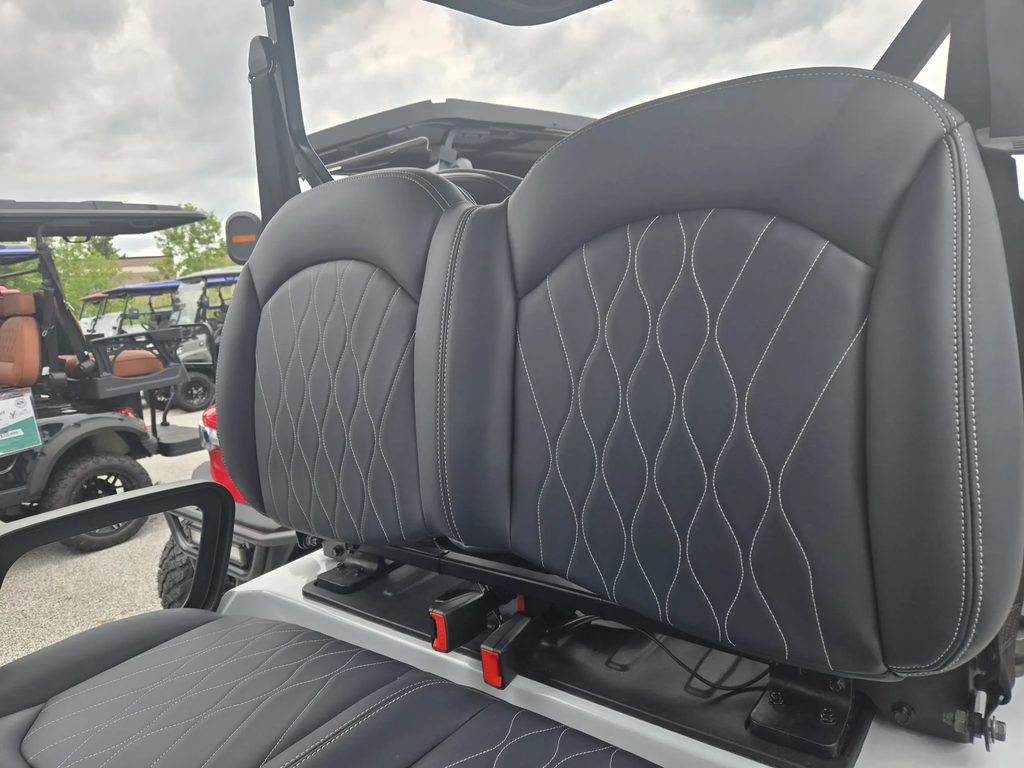
Body style can provide clues, but appearance should not be treated as final proof of a golf cart’s year. Manufacturers often use similar body designs across several model years. At the same time, previous owners frequently replace seats, roofs, windshields, wheels, lights, and body panels. A heavily customized cart can therefore look much newer than its original production date.
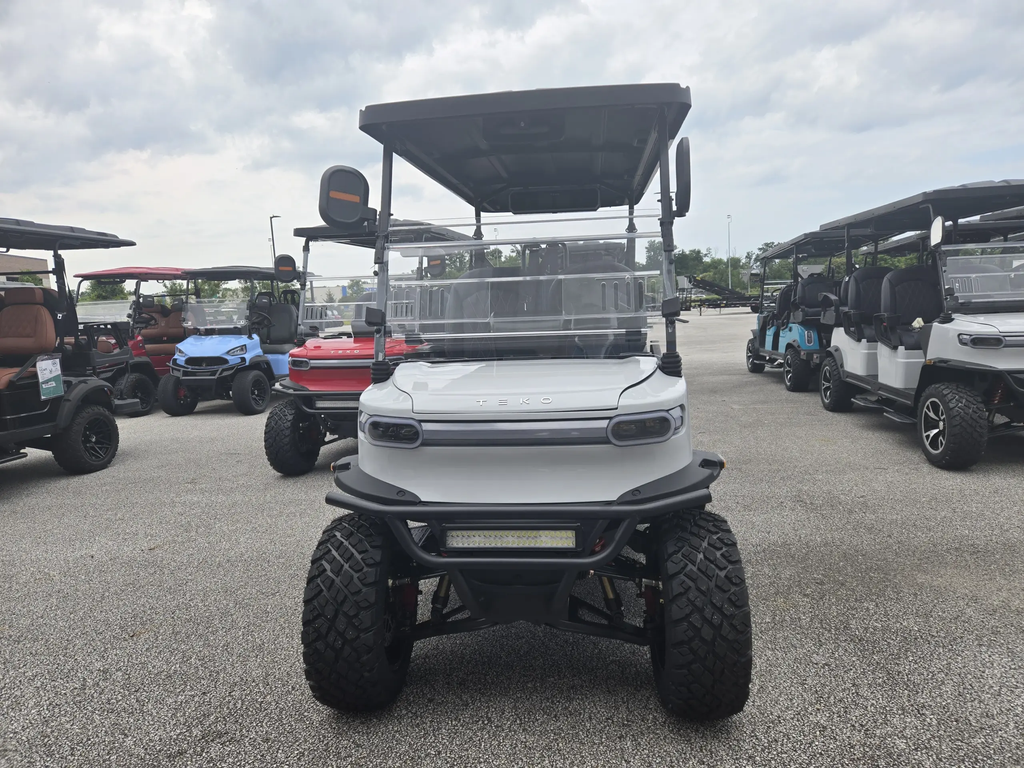
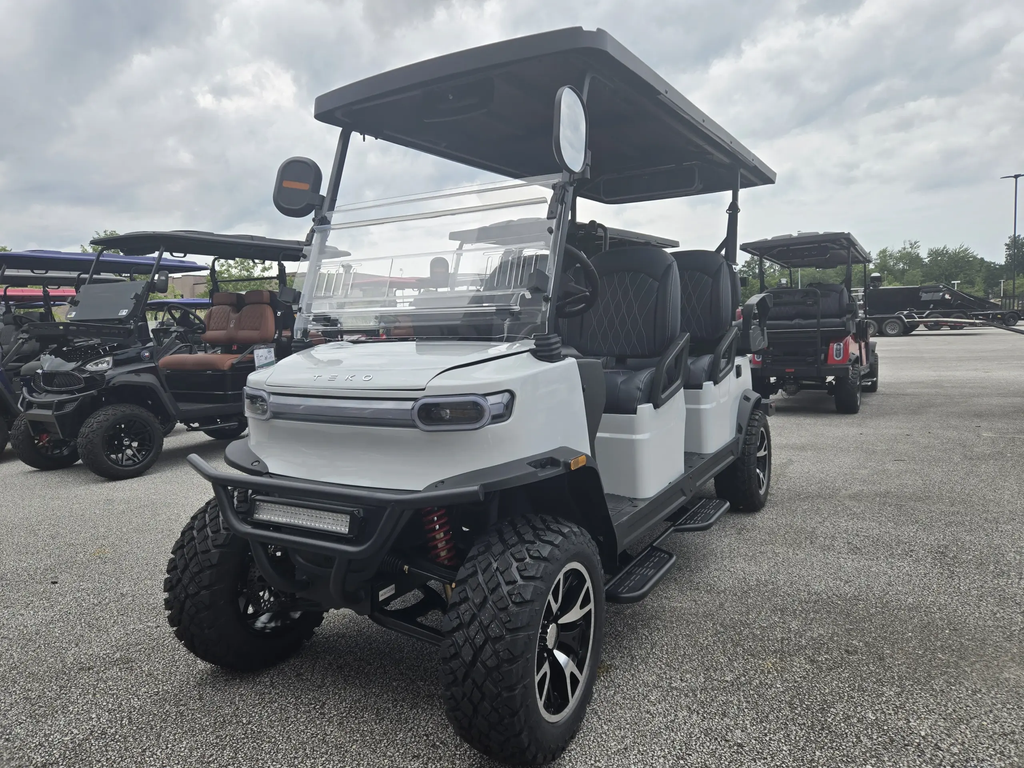
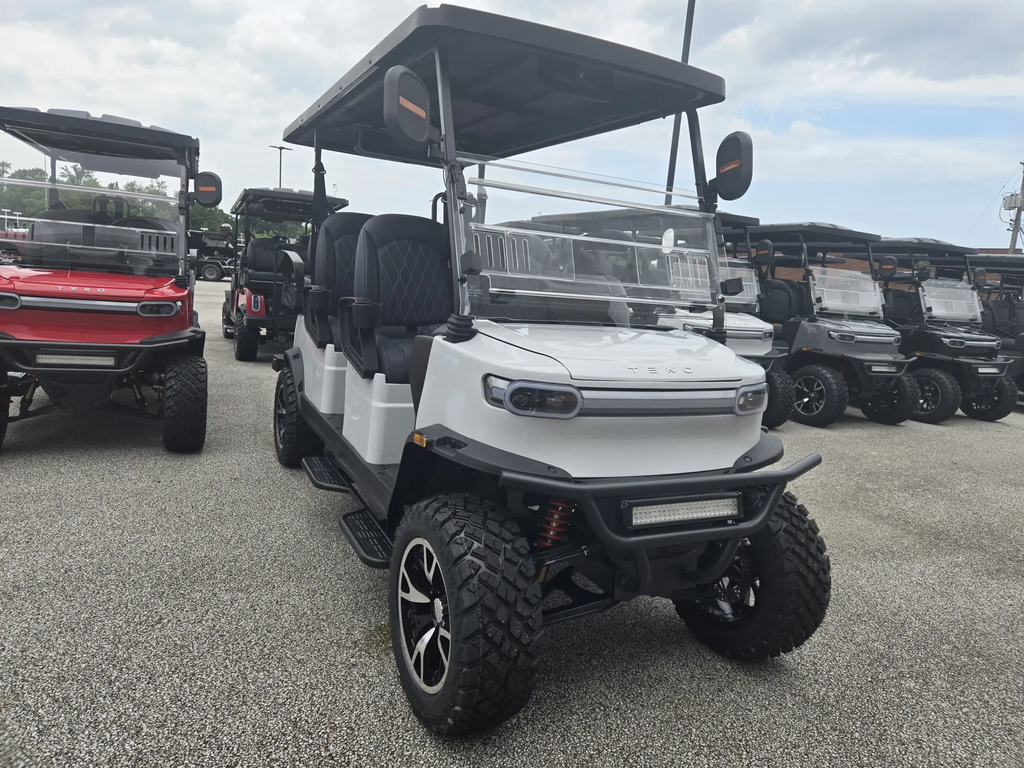
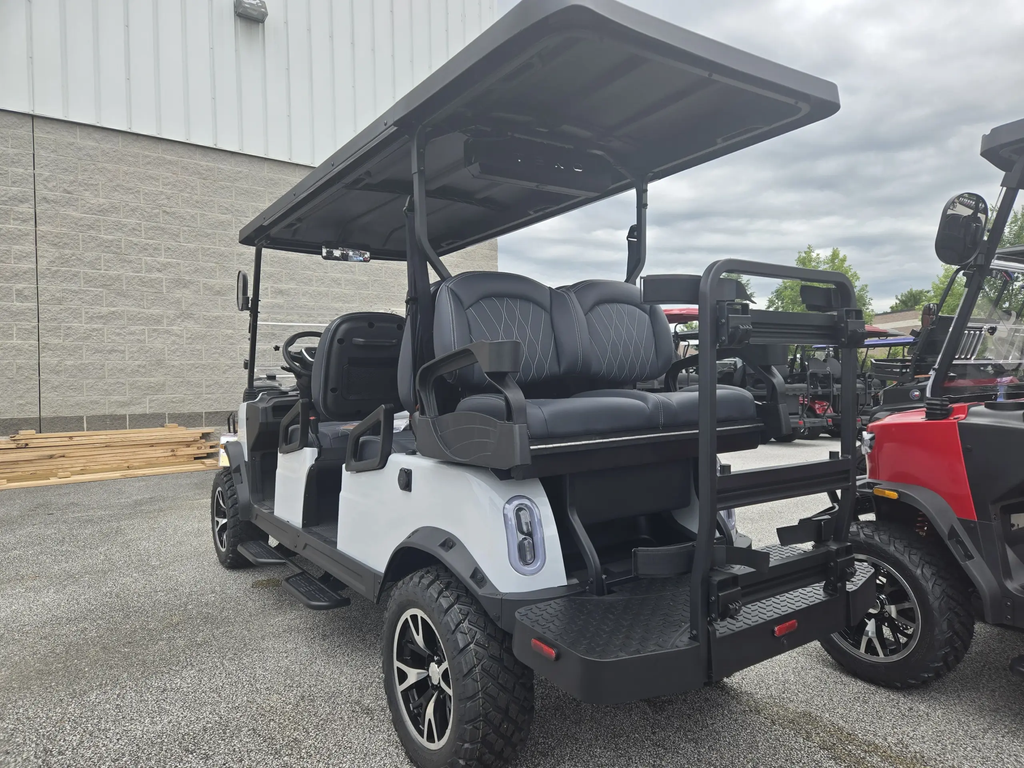
Model families can help narrow the possibilities. An RXV, TXT, or older Marathon has recognizable design characteristics, but those names still cover multiple production years. Even dashboards and headlights can be changed with aftermarket kits. Buyers comparing a used EZGO with newer models such as the Teko Trophy should focus on identification labels and documentation rather than appearance alone. Cosmetic condition tells you how the cart looks today, not necessarily when the original chassis was produced.
How Manufacturer Codes Help Identify Older EZGO Carts
Some older EZGO carts use a manufacturer code alongside the longer serial number. Depending on the generation, this code can help determine the production year more directly than the serial number itself. The format has changed over time, which is why owners should avoid applying one decoding method to every EZGO ever produced.
When you find multiple codes on the identification plate, record all of them before searching for the year. Model, serial, manufacturer, and product codes may each provide different pieces of information. The safest approach is to compare those numbers with documentation for the specific model family. If online charts conflict with one another, manufacturer records or a knowledgeable service technician are more reliable. A cart’s production date can affect everything from electrical components to brake parts, so confirming the information is worth the extra effort before ordering anything expensive.
What To Do If The Serial Number Is Missing Or Unreadable
An unreadable serial number does not always mean the cart cannot be identified. Start by checking whether another identification label exists elsewhere on the vehicle. Some carts have more than one label or stamped number. Original owner’s manuals, dealer invoices, warranty records, previous service receipts, and insurance documents may also contain useful identification information.
Components can provide clues, but they should be treated carefully. Battery date codes may tell you when the current batteries were manufactured, but batteries are routinely replaced and therefore do not prove the cart’s age. Motors, controllers, or chargers may also have been upgraded. If the identification plate has been removed or appears altered, used-cart buyers should be especially cautious. Before purchasing a cart with uncertain history, verify ownership documentation and have the vehicle inspected. Missing identification information can complicate parts ordering, resale, registration, and future repairs.
How To Verify The Year Before Buying A Used EZGO
Anyone buying a used EZGO should confirm the model year before agreeing on a price. Ask the seller for the serial number and photograph the identification label yourself when possible. Compare that information with the advertised year, and ask for original purchase paperwork, service records, or manuals that support the seller’s description. A mismatch does not always indicate a serious problem, but it deserves an explanation.
The year also helps you evaluate value. Two carts with similar appearance may have very different battery age, electrical systems, parts availability, and resale potential. Inspect modifications carefully because aftermarket body kits can disguise an older chassis. When the history is uncertain, the Mentor Golf Carts & Trailers Service Department can help inspect a golf cart and identify service concerns. Verifying the vehicle before purchase can prevent much larger expenses later.
Conclusion
What year is my EZGO golf cart? The answer usually starts with the serial number, manufacturer code, or identification label. The location varies by model and production year, so check areas around the steering column, dash, under the seat, and other manufacturer-designated locations. Original paperwork and service records can also help when identification labels are difficult to read.
Avoid relying only on body style because many golf carts are modified over time. Confirming the correct year makes it easier to order compatible parts, estimate resale value, choose the proper service information, and understand the cart’s history. If you still cannot identify your EZGO or need help evaluating an older golf cart, Mentor Golf Carts & Trailers can assist with inspection and service needs. Taking a few minutes to verify the year can prevent costly mistakes later.