
Golf carts may look lightweight compared with cars and trucks, but their actual weight can vary considerably. Battery type, passenger capacity, body design, accessories, and whether the cart uses gas or electric power all influence the final number. This matters when transporting a cart on a trailer, calculating towing capacity, storing it on certain surfaces, or comparing different models.
So, how much do golf carts weight? Many standard two-passenger golf carts weigh roughly 600 to 1,000 pounds, while larger four-passenger and six-passenger models can weigh more. Electric carts may become especially heavy when equipped with traditional lead-acid battery packs. Lithium-powered models can reduce some of that battery weight. Understanding curb weight, dry weight, battery weight, and passenger capacity makes it much easier to determine how heavy a golf cart really is.
Average Weight Of A Golf Cart
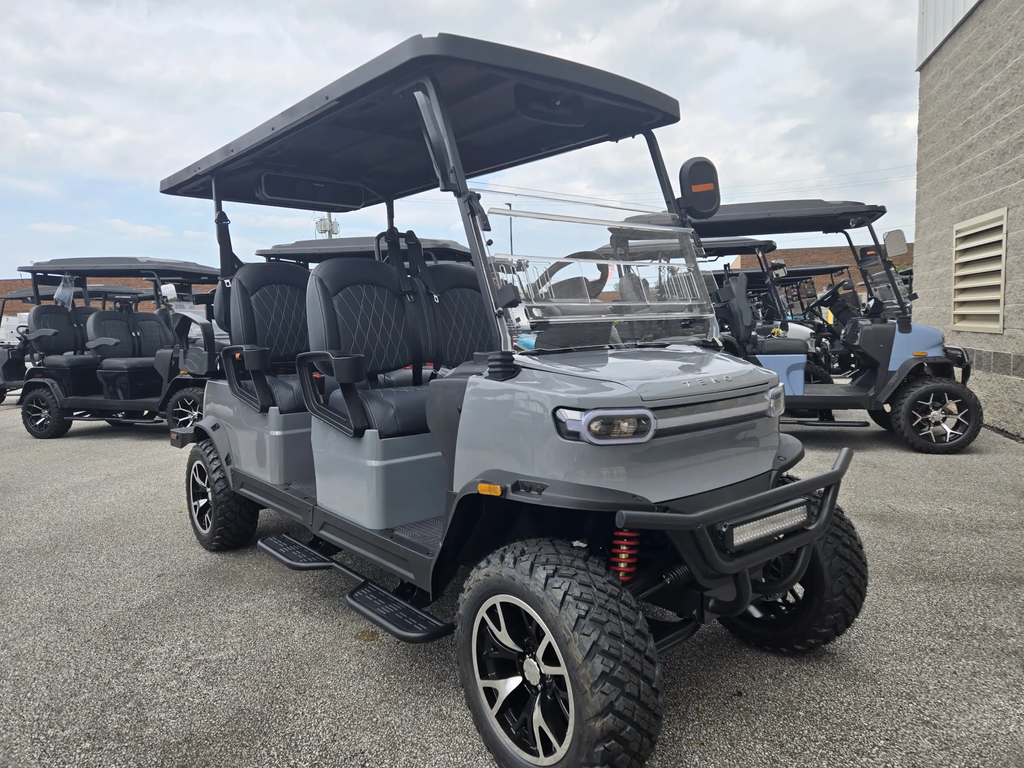
A typical golf cart can weigh anywhere from around 600 pounds to well above 1,000 pounds depending on its configuration. Smaller two-passenger carts generally sit toward the lower end of the range. Lifted carts, four-seaters, six-seaters, and models with larger battery packs can be considerably heavier.
Modern carts also vary because manufacturers use different frames, seating layouts, suspension systems, wheels, and accessories. Buyers comparing newer models can look at options such as the Teko Trophy Plus to see how passenger capacity and equipment can influence the overall size and construction of a golf cart.
How Much Do Golf Carts Weight With Batteries?
Battery weight plays a major role in the total weight of an electric golf cart. Traditional lead-acid systems may use several large batteries connected together. Combined, these batteries can add hundreds of pounds to the cart. This is why the same basic cart can have very different dry and operating weights.
Lithium batteries are generally lighter than comparable lead-acid battery packs. A lithium conversion can therefore reduce overall cart weight while also providing other advantages such as lower maintenance and consistent power delivery. However, the exact difference depends on battery capacity and the system installed.
Gas Golf Cart Weight Compared With Electric Models
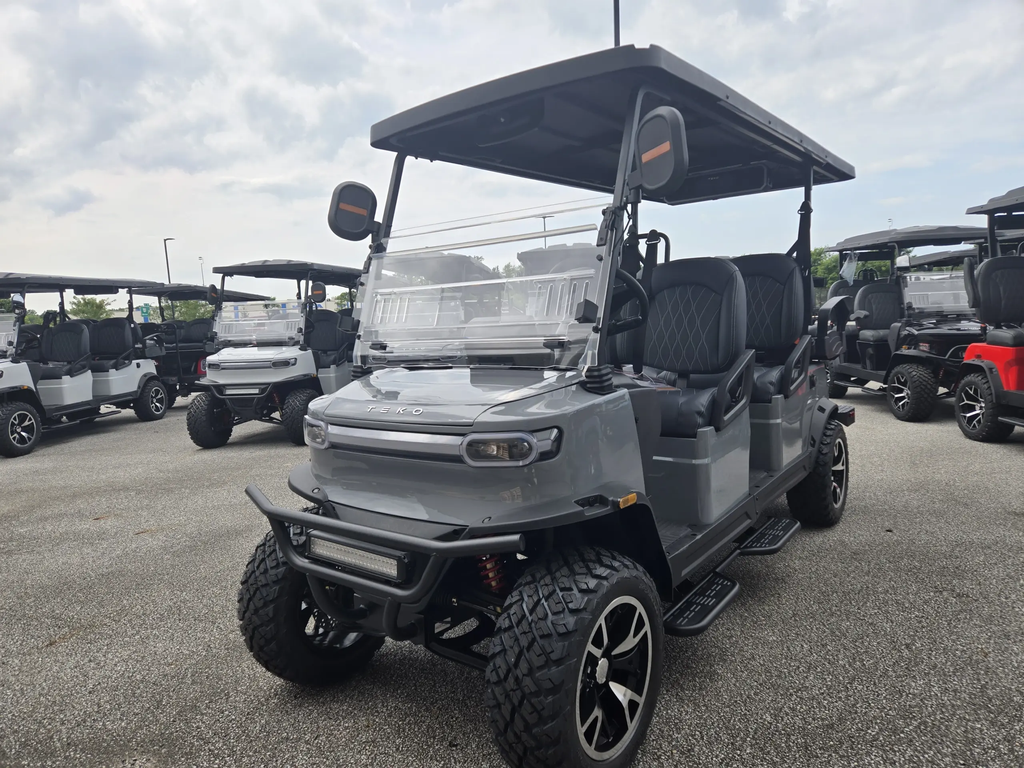
Gas-powered golf carts do not carry a large traction battery pack, but they still include an engine, fuel system, exhaust components, and other mechanical parts. Their total weight is often similar to some electric models, though the exact comparison depends on the specific carts involved. Electric carts equipped with heavy lead-acid batteries may weigh more than comparable gas models. Lithium-powered carts can narrow that gap considerably.
Dry Weight And Curb Weight Are Different
Golf cart specifications sometimes list dry weight rather than the actual ready-to-drive weight. Dry weight normally excludes certain fluids, batteries, fuel, or other operating components depending on how the manufacturer defines the measurement. This can make the published figure look much lower than the cart’s real-world weight.
Curb weight provides a more useful figure when planning transportation because it usually represents the vehicle in operating condition. Always check how a manufacturer defines its listed weight. Two carts can appear similar on paper while carrying significantly different operating weights once batteries, accessories, and fluids are included.
Passenger Capacity Adds Significant Weight
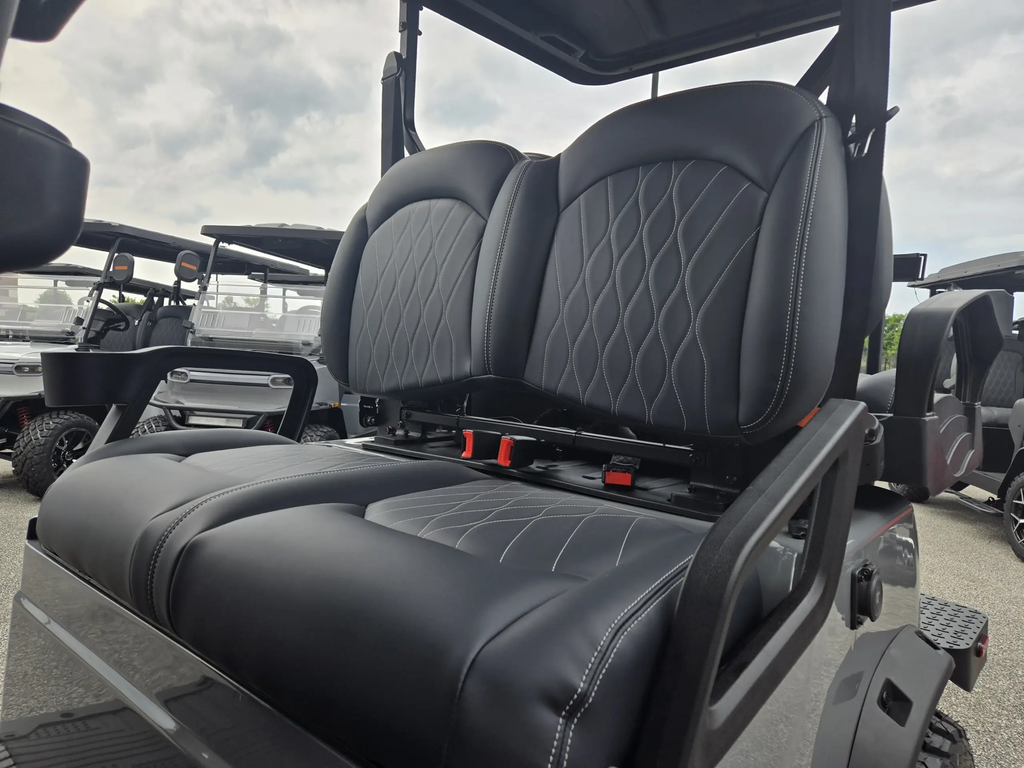
The empty cart is only part of the total load. Passengers, cargo, golf equipment, coolers, and accessories can add several hundred pounds. Four adults can easily add 600 to 800 pounds depending on individual body weight, which substantially increases the total weight being carried by the tires, suspension, and brakes.
Owners should distinguish vehicle weight from payload capacity. A golf cart weighing 900 pounds does not necessarily mean it can safely carry another 900 pounds. Manufacturers provide load or passenger limits based on the design of the frame, suspension, tires, braking system, and seating layout.
How Golf Cart Weight Affects Performance
Golf cart weight can influence acceleration, braking, range, and handling more than many owners expect. A heavier cart requires more energy to move, especially when starting from a stop or climbing hills. Electric carts may experience reduced driving range when additional weight comes from passengers, cargo, accessories, or heavy battery packs. This effect becomes more noticeable during repeated stop-and-go driving or when the cart is used on uneven terrain. A lighter setup may feel more responsive, while a heavier cart can place more strain on the motor, brakes, suspension, and tires. Weight distribution also matters.
Extra weight concentrated at the rear of the cart can change steering feel and braking behavior, particularly on slopes. Owners who frequently carry passengers or equipment should consider total operating weight rather than looking only at the empty vehicle specification. Staying within the manufacturer’s recommended payload limits helps protect handling and mechanical components. It can also improve consistency in everyday driving, especially when the cart is used for transportation rather than occasional golf course use.
Why Golf Cart Weight Matters For Trailers
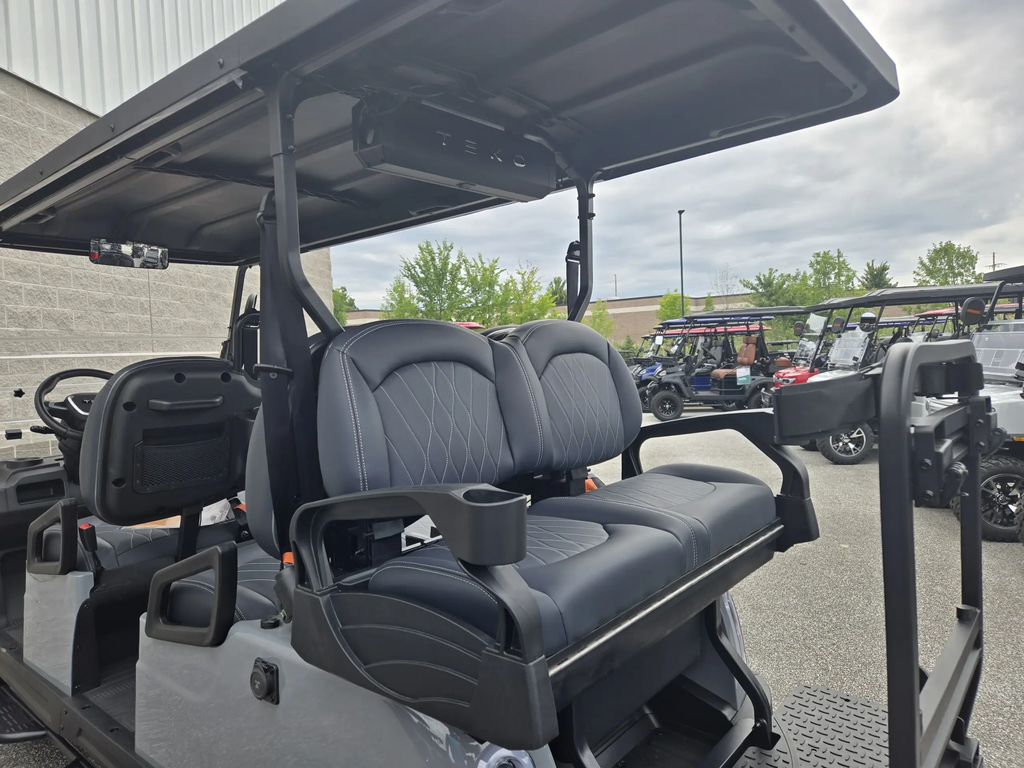
Knowing golf cart weight becomes especially important when transporting the vehicle. A trailer must be rated for the combined weight of the cart and anything else loaded with it. You also need to consider the trailer’s own weight when checking whether your tow vehicle can safely handle the complete setup.
The general term golf cart covers a wide range of small vehicles, so relying on an assumed average weight is risky when towing. Check the actual model specifications whenever possible. Proper load positioning and secure tie-downs are also essential for maintaining trailer stability while traveling.
Accessories Can Increase Golf Cart Weight
Golf carts are frequently customized with lift kits, larger wheels, rear seats, roofs, windshields, storage boxes, sound systems, enclosures, and other accessories. Each upgrade may seem minor on its own, but several modifications can noticeably increase the final weight.
Larger tires and suspension components can also add unsprung weight and change handling. Rear flip seats add both structural weight and the ability to carry additional passengers. Owners planning extensive customization should keep total vehicle weight and payload capacity in mind instead of focusing only on appearance.
Conclusion
How much do golf carts weight depends on passenger capacity, battery type, power system, accessories, and overall design. Many standard carts fall somewhere between approximately 600 and 1,000 pounds, while larger or heavily equipped models can weigh considerably more. Electric carts with lead-acid batteries are often heavier than similar lithium-powered models.
If you are comparing golf carts or planning to transport one, Mentor Golf Carts & Trailers can help you review available models and their specifications. Knowing the correct cart weight before buying or towing helps you choose suitable equipment and avoid exceeding trailer or vehicle limits.