
A golf cart that once handled several trips comfortably may eventually start slowing on hills, losing range, or needing to be charged much more often. Those symptoms do not always mean the entire battery pack is immediately ready for replacement. Learning how to recondition golf cart batteries can help owners determine whether serviceable flooded lead-acid batteries have lost performance because of low electrolyte, corrosion, sulfation, or poor charging habits. Reconditioning cannot repair cracked cases, severely damaged plates, or batteries that have reached the end of their useful life. However, careful inspection, cleaning, charging, and testing can sometimes improve the performance of batteries that are still structurally sound.
What Battery Reconditioning Can Actually Do
Before learning how to recondition golf cart batteries, it is important to have realistic expectations. Reconditioning is not a method for turning every old battery back into a new one. Flooded lead-acid batteries gradually lose capacity as they age, and permanent internal deterioration cannot simply be reversed. Reconditioning is most useful when poor performance is connected to maintenance issues, extended periods at a low state of charge, corrosion, or recoverable sulfation.
A battery with a swollen or cracked case, leaking electrolyte, badly damaged terminals, or a failed cell should generally be replaced rather than reconditioned. Continuing to charge a physically damaged battery can create a serious safety hazard.
Confirm Which Battery Type Your Golf Cart Uses
The process for how to recondition golf cart batteries applies primarily to serviceable flooded lead-acid batteries. These batteries normally have removable vent caps that allow owners or technicians to inspect electrolyte levels. AGM, gel, and lithium batteries have different construction and maintenance requirements and should not be opened or treated like flooded batteries.
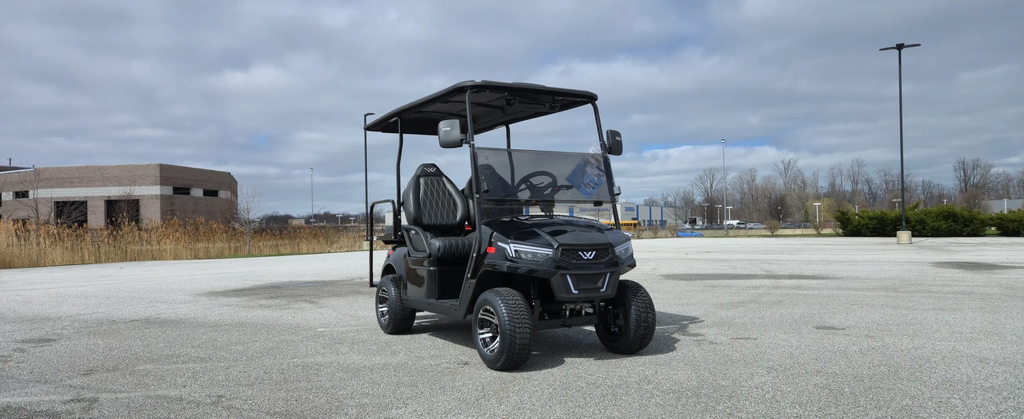
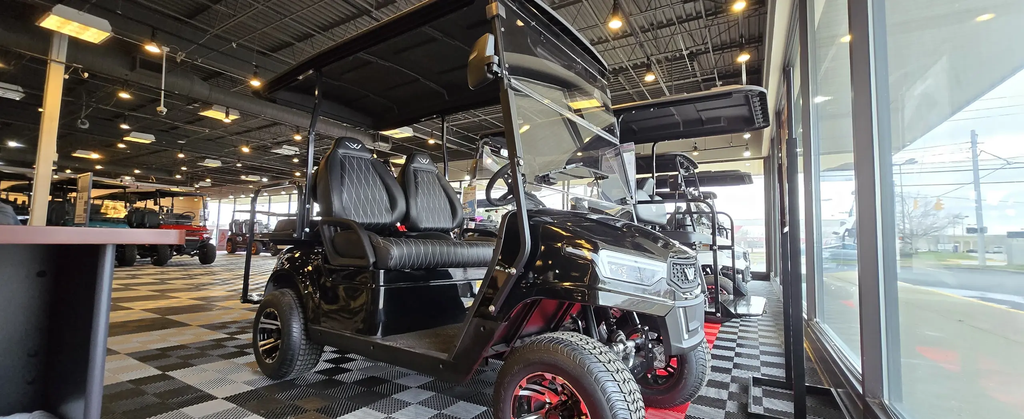
Modern electric carts increasingly use lithium systems because they eliminate routine watering and provide consistent power with less maintenance. The Whisper W3 is an example of the newer generation of electric golf carts buyers may encounter when comparing modern battery technology with older lead-acid-powered carts. Always identify the battery chemistry before attempting maintenance.
Put Safety First Before Touching The Battery Pack
Knowing how to recondition golf cart batteries safely is more important than attempting to recover a weak pack. Flooded lead-acid batteries contain sulfuric acid and can release explosive hydrogen gas while charging. Work in a well-ventilated area away from cigarettes, sparks, flames, and other ignition sources. Wear safety glasses, acid-resistant gloves, and clothing that protects exposed skin.
Remove jewelry and keep metal tools from bridging battery terminals. A golf cart battery pack can deliver substantial electrical current if accidentally shorted. For manufacturer-based maintenance guidance, Trojan Battery’s battery maintenance resources cover charging, watering, cleaning, and other practices for deep-cycle lead-acid batteries. Following the battery manufacturer’s instructions should always take priority over unverified DIY remedies.
Inspect Every Battery Before Trying To Recover It
A proper visual inspection should come before chargers, meters, or cleaning solutions. When working through how to recondition golf cart batteries, examine each battery individually rather than assuming the entire pack has deteriorated equally. Look for cracked cases, bulging sides, wet areas that may indicate leakage, heavily corroded terminals, loose connections, and damaged cables.
Also look for differences between batteries. One unusually dirty, hot, swollen, or corroded battery may be the weak point affecting the entire pack. Photographing cable positions before disconnecting anything can prevent wiring mistakes during reassembly. If you find severe physical damage, stop and replace the affected battery rather than attempting recovery.
Clean Corrosion From The Battery Area
Corrosion creates electrical resistance and can contribute to poor golf cart performance even when the batteries themselves still have usable capacity. An important step in how to recondition golf cart batteries is therefore cleaning the terminals and connections before evaluating the pack. Disconnect the system according to the manufacturer’s recommended procedure and remove loose dirt around the battery compartment.
Use an appropriate battery-terminal cleaning method while preventing cleaning material from entering the cells. After cleaning, inspect cable ends for deterioration hidden beneath corrosion. A cable that appears acceptable externally may have damaged conductors near the terminal. Clean, secure connections help the battery pack deliver current efficiently and also make later voltage testing more meaningful.
Check Electrolyte Levels Correctly
For serviceable flooded lead-acid batteries, electrolyte level is an important part of how to recondition golf cart batteries. Before charging, inspect each cell carefully. If the plates are exposed, add only enough distilled water to cover them before charging. A normal final water-level adjustment is generally performed after the battery reaches full charge because electrolyte expands during charging.
Do not substitute tap water simply because it is convenient. Minerals and impurities can affect battery chemistry and shorten service life. Avoid overfilling as well, since expanding electrolyte can overflow during charging and create corrosion around the battery compartment. Follow the level guidance supplied by the battery manufacturer because battery designs can differ.
Give The Battery Pack A Proper Full Charge
One of the most important stages in how to recondition golf cart batteries is completing a proper charging cycle with a charger designed for the battery pack’s voltage and chemistry. A partially charged pack cannot be evaluated accurately because low state of charge can make otherwise usable batteries appear weak. Allow the charger to complete its normal cycle rather than repeatedly interrupting charging.
Charging performance also depends on the health of the charger and electrical connections. If charging ends unusually early, continues far longer than expected, or produces excessive heat, investigate the cause instead of assuming that additional charging will restore the batteries.
Test Individual Batteries Instead Of Judging The Whole Pack
After charging and allowing the batteries to rest as recommended by the manufacturer, test each battery individually with an appropriate voltmeter. This stage of how to recondition golf cart batteries can reveal a weak unit hidden inside an otherwise functional pack. Record the readings rather than relying on memory and compare batteries of the same nominal voltage under similar conditions.
A noticeably weaker battery can reduce the performance of the entire series-connected pack. Voltage alone does not reveal every capacity problem, but substantial differences between batteries provide a useful reason for further testing. If you are unsure how to interpret the results, professional battery testing is safer than repeatedly charging a questionable battery.
Load Testing Reveals Problems Voltage Alone May Miss
Learning how to recondition golf cart batteries requires looking beyond a simple resting-voltage reading. A battery may show acceptable voltage after charging yet lose power quickly when the golf cart begins moving. A proper load or capacity test shows how well the battery performs when electrical demand is applied. This can help identify a weak battery that causes poor acceleration, reduced range, or noticeable power loss on hills. Use testing equipment designed for the battery type and follow its instructions carefully. If one battery performs substantially worse than the others, repeated charging is unlikely to solve permanent internal damage.
Do Not Rely On Chemical Battery Restoration Tricks
Online advice about how to recondition golf cart batteries sometimes recommends adding Epsom salt, aspirin, baking soda, or other substances directly into battery cells. These home remedies are not a substitute for manufacturer-approved maintenance and may contaminate the electrolyte or damage the battery. Baking soda can be useful for neutralizing acid residue around the outside of some lead-acid battery compartments, but it should never be poured into battery cells.
For flooded batteries, use only the electrolyte and distilled-water practices specified by the battery manufacturer. Reconditioning should focus on proper charging, watering, cleaning, testing, and correcting serviceable problems rather than experimenting with unapproved chemicals.
Check Performance After Reconditioning
Once you complete the basic steps for how to recondition golf cart batteries, test the cart under normal driving conditions. Pay attention to acceleration, hill performance, driving range, and how quickly the battery meter drops. A successful maintenance cycle may improve performance if corrosion, low electrolyte, incomplete charging, or poor connections were contributing to the problem.
Do not judge the results from a short trip around the driveway. A battery pack that appears normal for several minutes may still lose capacity rapidly under sustained use. Comparing driving range before and after service provides a more useful indication of whether the batteries actually improved.
Know When Reconditioning Is No Longer Worthwhile
An important part of understanding how to recondition golf cart batteries is knowing when to stop. Batteries that repeatedly fail load testing, cannot maintain charge, develop excessive heat, leak electrolyte, or contain failed cells should generally be replaced. Continuing to work on severely deteriorated batteries can waste time while increasing the risk of a breakdown away from home.
Battery age matters as well. Even carefully maintained deep-cycle batteries eventually lose usable capacity through normal cycling. Owners should compare the cost and expected benefit of continued maintenance against replacing an aging pack with a healthier battery system.
Modern Lithium Systems Require A Different Approach
The process for how to recondition golf cart batteries should never be transferred blindly from flooded lead-acid batteries to lithium systems. Lithium packs use battery management electronics and sealed cells that are not designed for watering, opening, or traditional lead-acid reconditioning procedures. Problems involving a lithium pack may relate to the charger, battery management system, connections, temperature protection, or individual internal components.
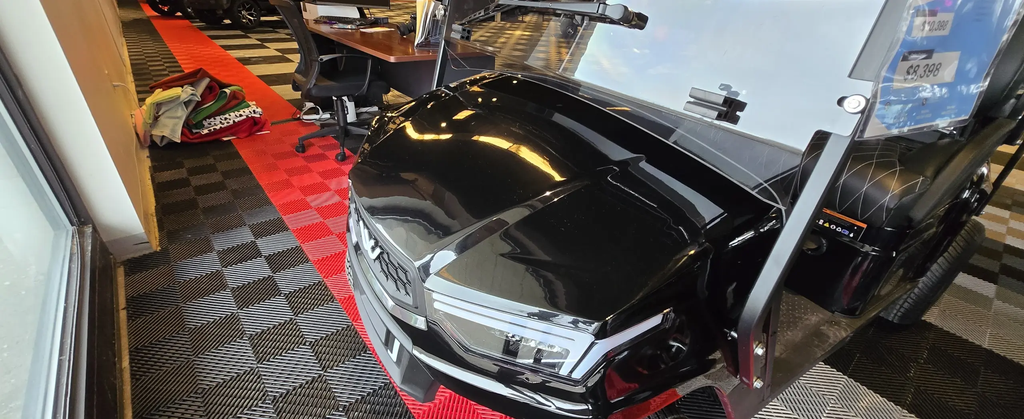
Modern carts such as the Whisper W5 XL demonstrate how current electric golf carts have moved toward lower-maintenance battery technology. Owners of lithium-powered carts should follow the specific charging and diagnostic procedures provided for their battery system instead of attempting lead-acid restoration methods.
Better Charging Habits Can Prevent Early Battery Decline
Knowing how to recondition golf cart batteries is useful, but preventing avoidable deterioration is even better. Lead-acid batteries should not routinely sit in a deeply discharged condition. Charge the cart according to the battery and charger manufacturer’s recommendations, keep terminals clean, and maintain proper electrolyte levels in serviceable flooded batteries. Avoid repeatedly interrupting charging before the normal cycle finishes.
Golf carts that receive consistent battery care usually provide more predictable range than carts that are charged only when performance becomes noticeably weak. Keeping a simple record of watering, charging problems, and battery age can also make declining performance easier to recognize.
Northeast Ohio Winter Storage Needs Extra Attention
Cold-weather storage is particularly important when learning how to recondition golf cart batteries in Northeast Ohio. Leaving a discharged lead-acid battery sitting through winter can accelerate sulfation, while a deeply discharged battery is also more vulnerable to freezing. Before seasonal storage, fully charge the battery pack according to manufacturer recommendations and make sure the battery compartment is clean and dry.
Check stored batteries periodically rather than parking the cart for several months and forgetting about it. Charging requirements during storage depend on the battery chemistry and charger, so follow the manufacturer’s procedure instead of leaving an unsuitable charger connected indefinitely.
Professional Testing Can Save Money On The Wrong Repair
Sometimes the smartest step in how to recondition golf cart batteries is determining whether the batteries are actually responsible for the problem. A failing charger, damaged cable, poor connection, controller issue, or another electrical fault can create symptoms that resemble a weak battery pack. Replacing batteries without confirming the cause can become an expensive mistake.
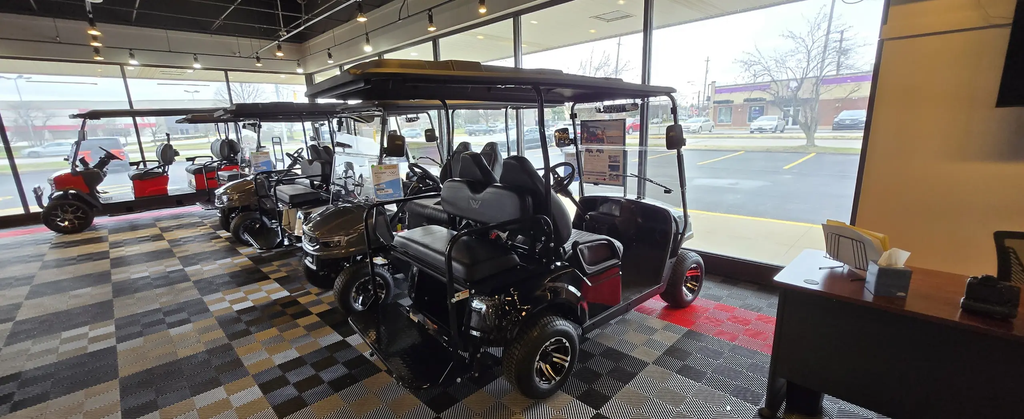
If testing produces inconsistent readings or the cart continues losing power after basic battery maintenance, the Mentor Golf Carts & Trailers Service Department can help diagnose charging and electrical problems before unnecessary components are replaced.
Conclusion
Learning how to recondition golf cart batteries can help restore some performance when serviceable lead-acid batteries suffer from corrosion, improper water levels, incomplete charging, or other correctable issues. Start with inspection, cleaning, proper charging, and individual battery testing rather than unapproved chemical remedies. Reconditioning cannot repair cracked cases, failed cells, or batteries that have reached the end of their usable life. When a pack repeatedly fails testing or loses range quickly, replacement may be the safer investment. Consistent charging and maintenance remain the best ways to delay future battery problems.