
Buying a trailer involves more than checking its condition, weight capacity, or towing features. Every trailer has an identity that follows it throughout its life, and that identity is one of the most important details a buyer should verify before completing a purchase. This often raises the question: do trailers have VIN numbers? In almost every case, the answer is yes. A Vehicle Identification Number (VIN) allows manufacturers, dealerships, insurance companies, lenders, and government agencies to identify one specific trailer from millions of others. It helps establish ownership, supports registration, confirms model information, assists with recalls, and protects buyers from fraud.
Understanding do trailers have VIN numbers before purchasing a new or used trailer can save time, prevent paperwork problems, and reduce the risk of expensive mistakes later.
Do Trailers Have VIN Numbers?
Yes, nearly every trailer built for highway use carries its own Vehicle Identification Number. If you have ever wondered do trailers have VIN numbers, the answer is almost always yes for utility trailers, enclosed cargo trailers, equipment trailers, dump trailers, car haulers, travel trailers, and many commercial trailers. Modern VINs follow the standardized 17-character format used throughout the automotive industry, although older trailers may use shorter identification numbers depending on their year of manufacture.
Every VIN is unique. No two legally manufactured trailers should share the same identification number. This allows law enforcement agencies, state registration offices, insurance providers, lenders, and dealerships to identify a specific trailer quickly and accurately. Understanding do trailers have VIN numbers also helps buyers recognize why checking the VIN should become a standard part of every trailer inspection.
Why A Trailer VIN Is So Important
A VIN serves as the trailer’s permanent identity throughout its entire lifespan. Unlike paint colors, tires, accessories, or ownership, the VIN remains connected to that trailer from the day it leaves the factory. When people ask do trailers have VIN numbers, they are often trying to determine whether ownership can be verified before buying. Fortunately, the VIN makes that process much easier. The VIN helps confirm the trailer’s registration records, insurance information, financing documents, warranty eligibility, manufacturer specifications, and ownership history.
If a trailer is stolen, recovered, recalled, or involved in an insurance claim, the VIN becomes the primary way of identifying that specific unit. Without it, proving ownership or confirming a trailer’s history becomes significantly more difficult. This is why experienced buyers never rely only on appearance when purchasing a used trailer. They always verify the VIN before completing the transaction.
What Information Can A Trailer VIN Tell You?
Many buyers are surprised by how much information can be obtained from a VIN. Understanding do trailers have VIN numbers also means understanding what those characters actually represent. The VIN identifies the manufacturer, manufacturing country, trailer type, production plant, model year, and the trailer’s unique production sequence. Each section of the VIN has a specific purpose that helps distinguish one trailer from another. Manufacturers also use the VIN when identifying replacement parts and warranty information.
Instead of guessing which axle, brake assembly, suspension component, or coupler belongs on a trailer, technicians can reference the VIN to identify the correct factory specifications. This reduces ordering mistakes while making repairs much faster and more accurate. For buyers, that information provides additional confidence because it helps confirm that the trailer being inspected matches the paperwork being presented.
Where Can You Find A Trailer VIN?
After learning do trailers have VIN numbers, the next question is usually where to locate it. Most manufacturers permanently attach the VIN to the trailer using a metal plate, certification label, or stamped frame marking. Depending on the trailer design, the VIN is commonly found on the trailer tongue near the coupler, along the driver’s side frame rail, inside the front section of enclosed trailers, or on a manufacturer’s certification label.
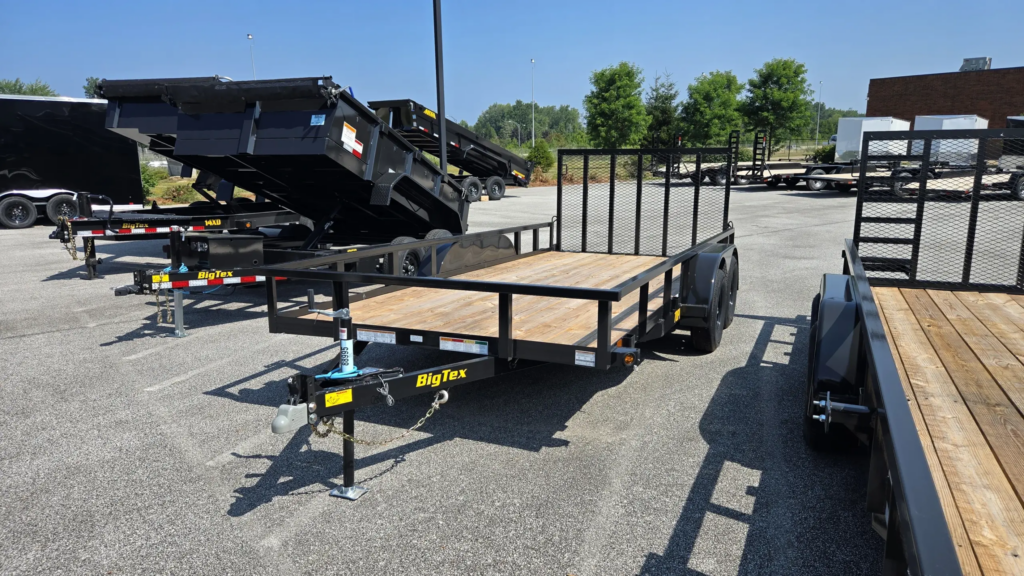
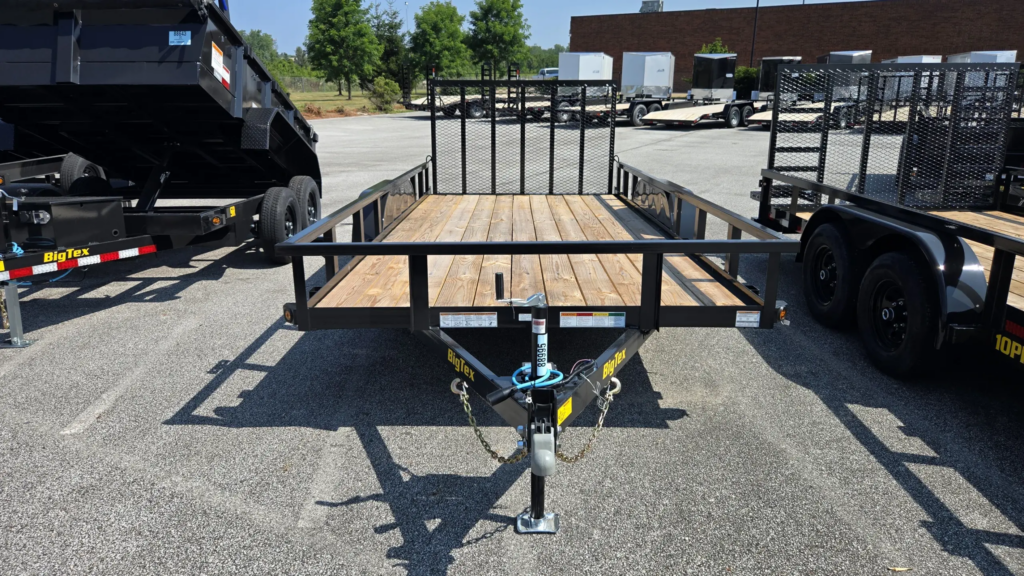
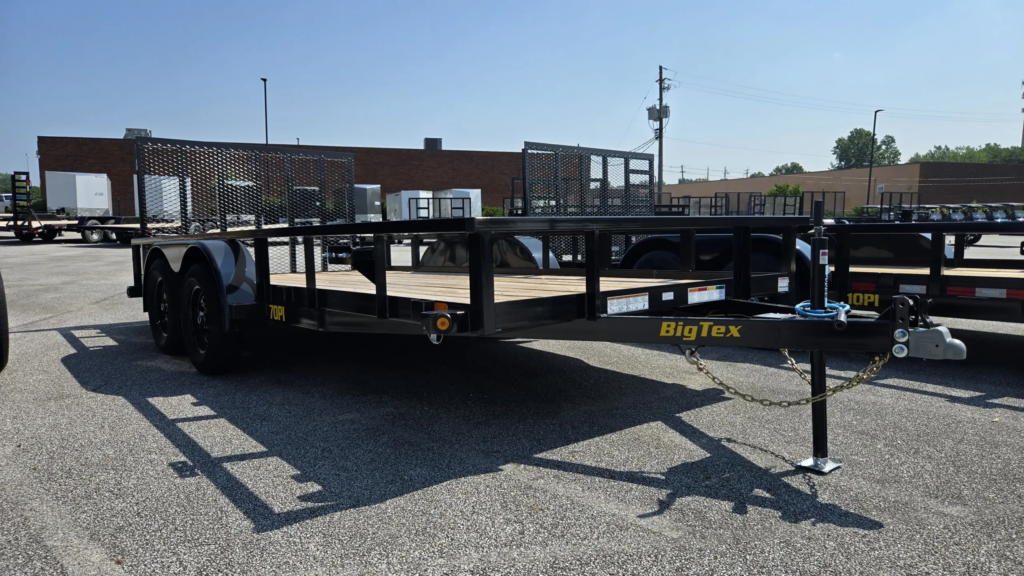
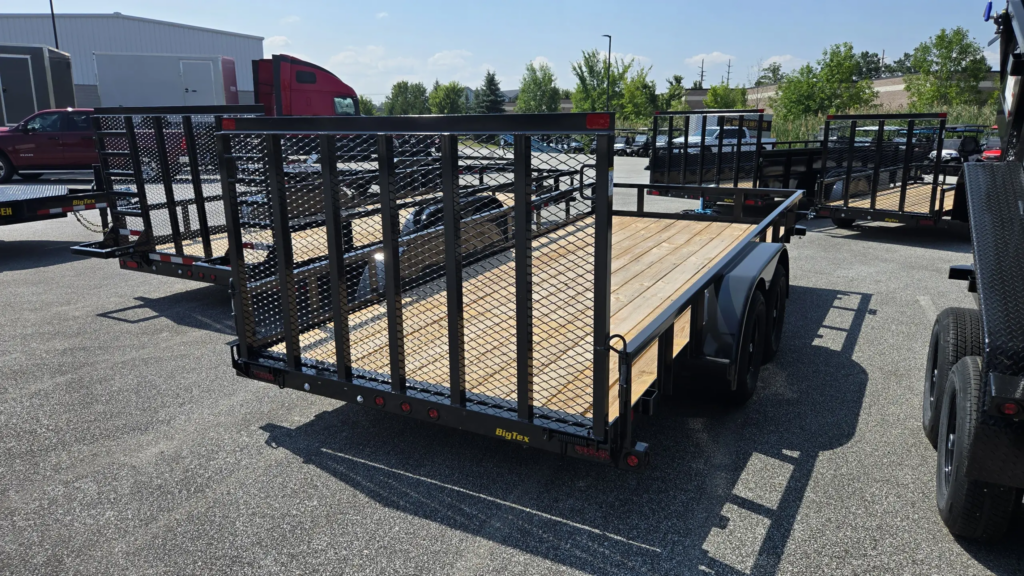
Before purchasing any used trailer, compare the VIN displayed on the trailer with the VIN listed on the title and registration documents. Every letter and number should match exactly. Buyers exploring dependable trailer options, including Big Tex Trailers- 83″x16′ Utility Trailers 70Pi, benefit from working with dealerships that carefully verify ownership records and VIN documentation before offering trailers for sale.
Taking a few extra minutes to inspect the VIN can prevent ownership disputes, registration delays, and unnecessary complications later. It is one of the simplest inspections a buyer can perform, yet it remains one of the most valuable throughout the entire purchasing process.
What If The VIN Is Missing Or Cannot Be Read?
After understanding do trailers have VIN numbers, buyers should also know what to do if the VIN is missing or damaged. A missing VIN is one of the biggest warning signs when purchasing a used trailer because it can make ownership verification much more difficult. Rust, collision repairs, repainting, or years of outdoor storage sometimes damage the VIN plate, but buyers should never assume that is the only explanation.
If you cannot locate the VIN or the numbers are unreadable, ask the seller for supporting documentation before proceeding. Depending on state regulations, the trailer may require a VIN inspection before it can be registered again. In some cases, the owner must apply for a replacement VIN or an assigned identification number through the appropriate motor vehicle agency.
Understanding do trailers have VIN numbers helps buyers recognize why missing identification should always be investigated before money changes hands. Walking away from a questionable purchase is often much less expensive than dealing with registration problems after buying the trailer.
Older And Homemade Trailers May Have Different Identification Rules
Although the answer to do trailers have VIN numbers is almost always yes for modern trailers, older trailers sometimes follow different identification standards. Trailers manufactured before the universal 17-character VIN system became standard may use shorter serial numbers or manufacturer-specific identification plates. Homemade trailers may receive a state-issued identification number after passing inspections and completing registration requirements. This difference often surprises first-time buyers who expect every trailer to follow today’s VIN format.
Instead of assuming something is wrong, verify the trailer’s age and check your state’s registration requirements. Understanding do trailers have VIN numbers also means recognizing that identification systems have changed over time while still serving the same purpose of establishing ownership and legal identity. Whenever buying an older trailer, compare every available ownership document carefully before completing the purchase.
Use The VIN Before Buying A Used Trailer
One of the smartest things a buyer can do after learning do trailers have VIN numbers is to use that information before making a purchase. Compare the VIN on the trailer with the title, registration, and bill of sale. Every character should match exactly. Even a single incorrect letter or number deserves additional investigation because paperwork mistakes can delay registration or indicate more serious ownership concerns.
The VIN also allows manufacturers and insurance companies to identify the trailer accurately if warranty work, recalls, financing, or insurance claims become necessary. Organizations such as the National Insurance Crime Bureau recommend verifying identification numbers before purchasing used vehicles or trailers to reduce the risk of fraud and stolen property. Taking a few extra minutes to inspect the VIN can prevent significant legal and financial problems later.
Record And Protect Your VIN Information
Once you purchase a trailer, do not rely on the VIN plate alone. Write the number down, photograph it, and keep copies with your title, registration, and insurance paperwork. Owners who understand do trailers have VIN numbers also understand how valuable that information becomes if the trailer is stolen, damaged, or involved in an insurance claim.
Keeping digital and printed records makes it much easier to report theft, request replacement parts, complete warranty repairs, or verify ownership years later. It is also a good idea to inspect the VIN plate periodically to make sure it remains clean and readable throughout the trailer’s lifetime. Good recordkeeping protects your investment and simplifies nearly every aspect of trailer ownership.
Conclusion
So, do trailers have VIN numbers? In almost every case, yes. Understanding do trailers have VIN numbers helps buyers verify ownership, compare registration documents, prevent fraud, process insurance claims, and simplify future maintenance. Whether you are purchasing a brand-new trailer or inspecting a used model, always confirm that the VIN matches the title and registration before completing the sale. Taking this simple step protects both your investment and your peace of mind. To explore quality trailers backed by knowledgeable professionals, visit Mentor Golf Carts & Trailers.