
One of the first questions buyers ask before purchasing an electric golf cart is how fast it can actually travel. Some assume every electric golf cart is limited to golf course speeds, while others believe modern models can keep up with regular traffic. The truth lies somewhere in between. So, how fast do electric golf carts go? The answer depends on the type of golf cart, the battery system, motor size, controller settings, tire size, terrain, passenger load, and whether the vehicle is designed for neighborhood use or strictly for the golf course. Understanding what affects speed helps buyers choose the right model while avoiding unrealistic expectations and unsafe modifications.
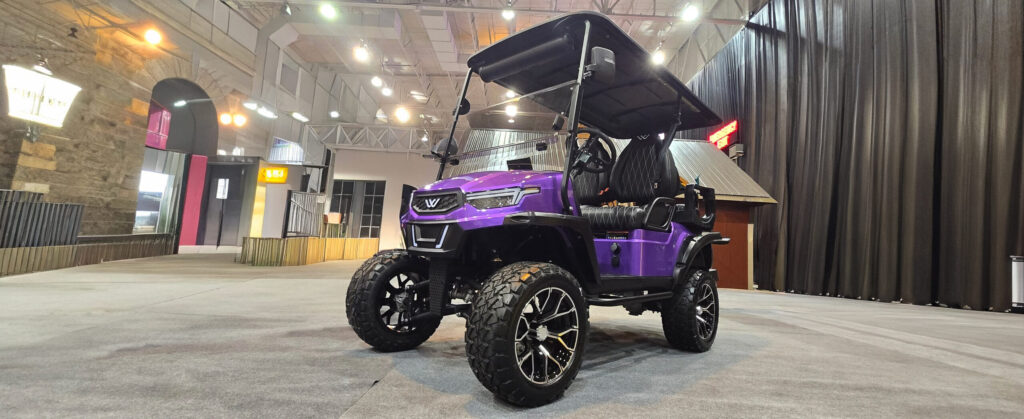
How Fast Do Electric Golf Carts Go On Average?
The average electric golf cart is designed to travel at speeds suitable for safe operation on golf courses and within residential communities. Standard golf course models generally operate at lower speeds to protect golfers, pedestrians, and property. Newer neighborhood-focused electric golf carts, however, are often engineered to travel faster while remaining within Low-Speed Vehicle regulations where permitted.
Actual top speed varies between manufacturers and individual models. Some entry-level carts focus on smooth, dependable transportation rather than maximum performance, while premium models include more powerful motors, upgraded controllers, and advanced battery technology that allow higher operating speeds. Buyers should always compare manufacturer specifications instead of assuming every electric golf cart performs the same.
Several Factors Affect Top Speed
When asking how fast do electric golf carts go, it is important to understand that speed depends on much more than the motor alone. Battery voltage, controller programming, tire diameter, total vehicle weight, terrain, passenger load, and battery condition all influence overall performance. Even weather conditions can affect speed because battery efficiency changes in extremely hot or cold temperatures.
A golf cart carrying four passengers uphill will naturally travel slower than the same cart carrying one driver across flat pavement. Likewise, aging batteries may reduce acceleration and top speed because they cannot deliver power as efficiently as newer batteries. Regular maintenance and proper charging habits help maintain consistent performance throughout the life of the golf cart.
Lithium Batteries Can Improve Performance
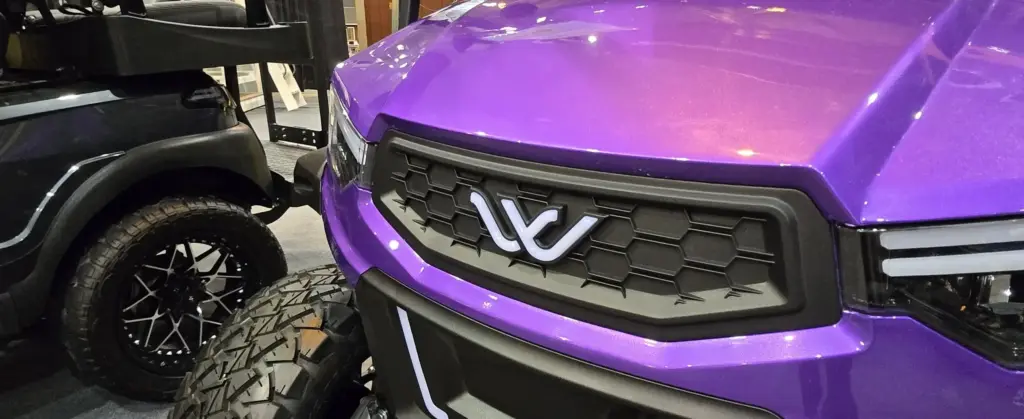
Battery technology has changed significantly over the last several years. Modern lithium battery systems provide more consistent voltage throughout the discharge cycle, allowing many electric golf carts to maintain stronger acceleration and steadier performance compared with traditional lead-acid batteries. Although battery type does not automatically determine maximum speed, lithium systems often improve overall driving performance because they are lighter and deliver power more efficiently.
Exploring our Whisper EV Halo Golf Cart demonstrates how advances in battery technology continue improving efficiency, charging convenience, and performance in electric vehicles.
Speed Should Never Be The Only Buying Factor
Although speed receives a great deal of attention, it should not be the primary factor when choosing an electric golf cart. Ride quality, battery lifespan, reliability, seating capacity, braking performance, warranty coverage, and dealership support all contribute much more to long-term ownership satisfaction. A slightly slower golf cart with dependable batteries and quality construction often provides greater value than a faster model requiring frequent repairs.
Buyers should also remember that local regulations may limit where faster golf carts are legally permitted to operate. Choosing a model that matches your intended use while complying with local laws generally leads to a safer and more enjoyable ownership experience.
Can You Make An Electric Golf Cart Faster?
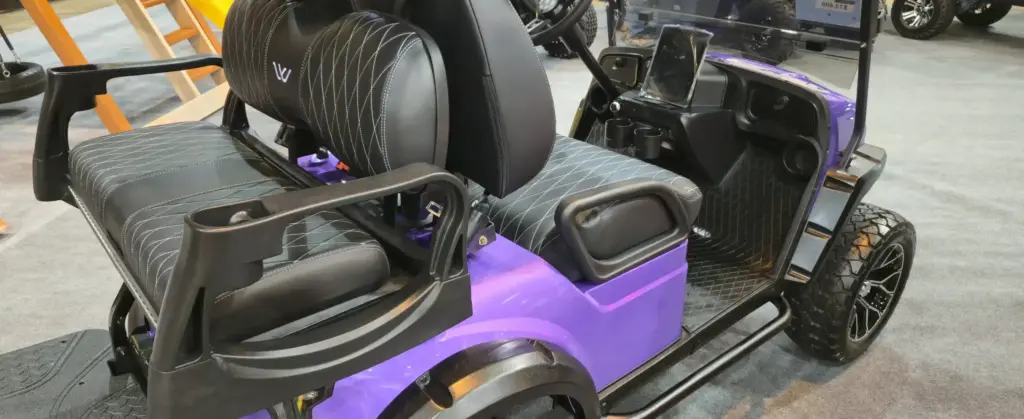
Many owners eventually ask whether they can increase the speed of their golf cart. The answer is yes, but modifications should always be approached carefully. Depending on the model, owners may upgrade the controller, install larger tires, adjust speed settings, or convert to a higher-performance battery system. However, every modification affects more than top speed. Braking distance, steering response, battery consumption, and overall handling can also change.
Before making any upgrades, consider how you use the golf cart. If it spends most of its time on golf courses or in residential neighborhoods, additional speed may provide very little real benefit. In many cases, maintaining reliability and battery life offers better long-term value than pursuing maximum performance.
Terrain And Weather Influence Real-World Speed
Manufacturer specifications are usually measured under ideal conditions with a fully charged battery and minimal load. Everyday driving rarely matches those conditions. Steep hills, rough paths, soft ground, passenger weight, and cargo all reduce the maximum speed an electric golf cart can achieve. Cold weather can also reduce battery efficiency, causing slower acceleration and shorter driving range.
Owners in Northeast Ohio often notice seasonal differences in performance. During colder months, allowing the batteries to charge fully and storing the golf cart in a protected area helps maintain more consistent operation. Proper tire pressure and routine maintenance also contribute to smoother performance throughout the year.
Safety Is More Important Than Maximum Speed
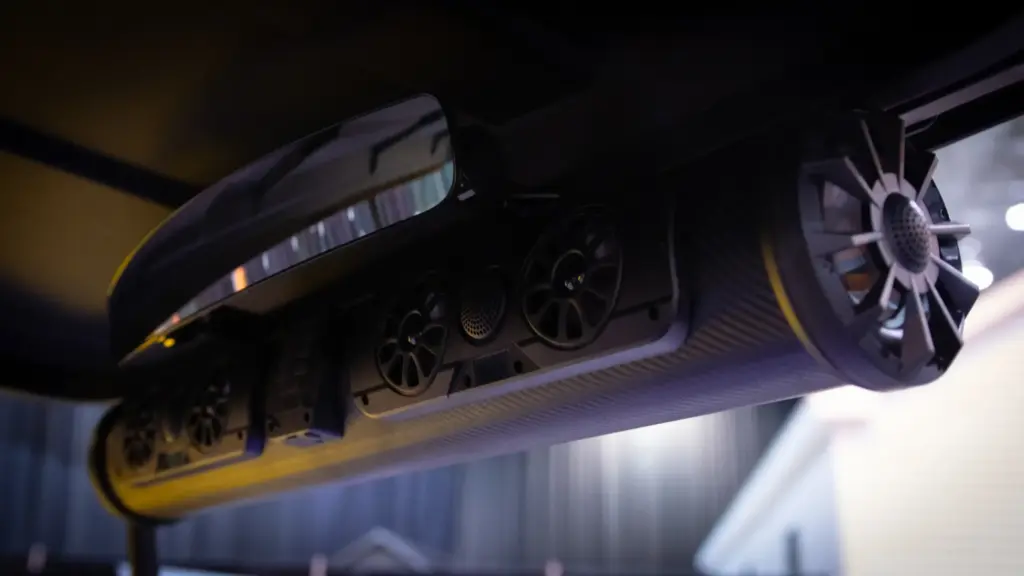
Although buyers naturally want a golf cart that performs well, speed should never come at the expense of safety. Brakes, steering components, suspension, and tires must all work together to control the vehicle safely at any operating speed. Increasing speed without improving these supporting systems can reduce stability and increase stopping distance.
According to the National Highway Traffic Safety Administration, vehicle safety depends on responsible operation and proper maintenance, regardless of the type of vehicle being driven. Following manufacturer recommendations and avoiding unsafe modifications helps protect both drivers and passengers while extending the life of the golf cart.
Choosing The Right Electric Golf Cart For Your Needs
The fastest electric golf cart is not necessarily the best choice for every buyer. Some owners prioritize quiet neighborhood transportation, while others need dependable performance for large properties, campgrounds, or recreational use. Battery quality, driving range, seating capacity, warranty coverage, service support, and long-term reliability often have a greater impact on ownership satisfaction than top speed alone.
Comparing different models and discussing your intended use with an experienced dealership can help narrow the options. Selecting a golf cart that matches your daily needs usually provides a much better ownership experience than simply choosing the fastest model available.
Conclusion
So, how fast do electric golf carts go? The answer depends on the model, battery system, motor, terrain, passenger load, and local regulations. While standard golf carts operate at moderate speeds for safety, newer neighborhood models often provide higher performance while remaining practical for everyday use. Rather than focusing only on speed, buyers should also consider battery technology, ride quality, reliability, and long-term ownership costs. If you are ready to compare today’s electric golf carts, visit Mentor Golf Carts & Trailers to explore available inventory and receive expert guidance.