
Few things are more frustrating than plugging in your golf cart at the end of the day only to discover the batteries are not charging. If you are asking why won’t my golf cart battery charge, the problem could range from a simple loose connection to a faulty charger, damaged battery cables, low water levels, or batteries that have reached the end of their lifespan. Electric golf carts depend on a healthy charging system to maintain performance and driving range. When charging problems occur, identifying the root cause quickly can help prevent further battery damage and expensive repairs. Understanding why won’t my golf cart battery charge allows owners to troubleshoot the issue systematically and determine whether a simple fix or professional service is needed.
Dead Or Severely Discharged Batteries Can Prevent Charging
One of the most common answers to why won’t my golf cart battery charge is that the batteries have become deeply discharged. Most golf cart chargers are designed to detect a minimum voltage level before charging begins. If battery voltage falls too low, the charger may not recognize the battery pack and refuse to activate. This situation often occurs when a golf cart sits unused for long periods or when batteries are repeatedly allowed to discharge completely. Severely discharged batteries may require special charging procedures to restore voltage levels. In some cases, the batteries may be too damaged to recover fully and require replacement. Checking overall battery pack voltage is often the first step when diagnosing charging issues.
A Faulty Charger Is Often The Culprit
Many owners researching why won’t my golf cart battery charge eventually discover that the problem is not the batteries at all but the charger itself. Golf cart chargers contain electronic components that can fail over time due to age, heat, moisture exposure, or electrical surges. Damaged power cords, worn connectors, internal circuit failures, and malfunctioning cooling systems can all prevent proper operation. Before assuming the batteries are bad, owners should inspect the charger carefully and verify that it receives power from the electrical outlet. Testing the charger on another compatible golf cart or using a known working charger can help determine whether the charging unit is responsible for the problem.
Common Reasons A Golf Cart Battery Will Not Charge
| Possible Cause | Potential Solution |
|---|---|
| Dead Batteries | Check voltage and recharge or replace |
| Faulty Charger | Inspect and test charger |
| Loose Connections | Tighten and clean terminals |
| Low Water Levels | Add distilled water if appropriate |
| Damaged Battery Cables | Repair or replace cables |
| Failed Battery Cell | Test individual batteries |
Loose Or Corroded Connections Can Interrupt Charging
Another common explanation for why won’t my golf cart battery charge involves poor electrical connections. Corrosion, loose terminals, damaged cables, and dirty battery posts can interfere with electrical flow and prevent proper charging. Lead-acid batteries are especially susceptible to corrosion buildup around terminals. Even small amounts of corrosion can increase resistance and reduce charging efficiency. Owners should inspect all battery connections carefully and clean any visible corrosion using appropriate cleaning methods. Tightening loose connections often resolves charging problems without requiring expensive replacement parts.
Low Water Levels Can Damage Lead Acid Batteries
For golf carts equipped with traditional lead-acid batteries, low electrolyte levels may contribute to charging issues. This is another reason many owners search why won’t my golf cart battery charge after noticing declining performance. During normal operation and charging, water gradually evaporates from lead-acid batteries. If electrolyte levels drop too low, battery plates can become exposed and suffer permanent damage. Owners should inspect water levels regularly and add distilled water when necessary according to manufacturer recommendations. Maintaining proper water levels supports charging efficiency and helps extend battery life.
A Single Bad Battery Can Affect The Entire Pack
Golf carts typically rely on multiple batteries connected together to create the required operating voltage. When even one battery develops a weak or failed cell, the entire battery pack may experience charging problems. This is why diagnosing why won’t my golf cart battery charge often requires testing each battery individually. A battery that appears normal externally may still have internal damage that prevents proper charging. Using a digital multimeter and performing load tests can help identify weak batteries before they affect the entire system. Replacing a failed battery may restore proper charging performance if the remaining batteries remain healthy.
Damaged Charging Receptacles Can Create Problems
The charging receptacle is the connection point between the charger and the golf cart. Over time, charging ports can become damaged from repeated use, moisture exposure, corrosion, or accidental impact. When owners ask why won’t my golf cart battery charge, technicians often inspect the charging receptacle for signs of wear. Bent pins, loose wiring, or corrosion inside the receptacle can prevent communication between the charger and the battery pack. Because charging ports experience regular use, they should be inspected whenever charging problems occur.
Battery Age Plays A Major Role
Battery age is another major factor behind why won’t my golf cart battery charge. Most lead-acid golf cart batteries last approximately four to six years under normal conditions, while lithium batteries often last much longer. As batteries age, their ability to accept and hold a charge gradually declines. Owners may notice reduced driving range, longer charging times, or complete charging failure. If the batteries are several years old and have experienced heavy use, replacement may be more practical than continued troubleshooting. Understanding battery age can help owners determine whether the charging issue stems from normal wear rather than a specific component failure.
Lithium Battery Systems Have Different Diagnostics
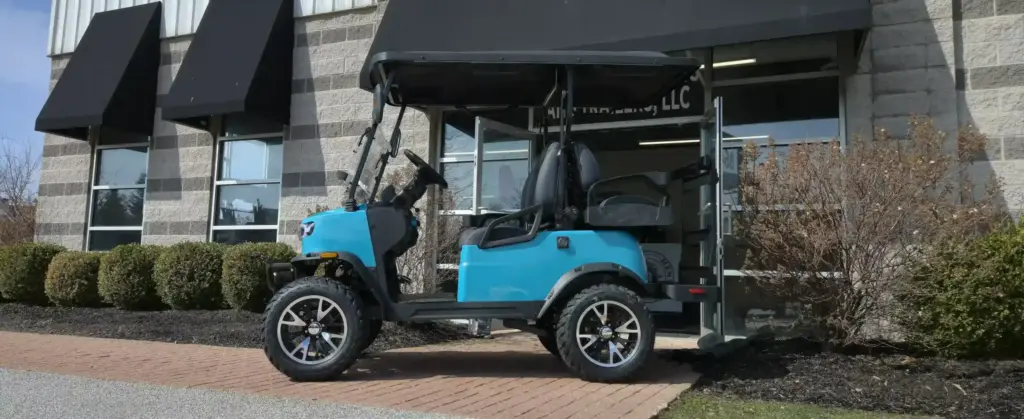
Many newer electric golf carts now use lithium batteries equipped with sophisticated battery management systems. These systems monitor charging, temperature, voltage, and battery health automatically. Buyers interested in advanced electric golf cart technology often explore options like the Whisper W3 because lithium-powered systems offer improved efficiency and simplified maintenance. When charging problems occur in lithium systems, diagnostic information from the battery management system can often identify issues much faster than traditional troubleshooting methods.
Electrical Safety Should Always Be A Priority
Battery and charging system diagnostics involve working around electricity and potentially hazardous components. Owners interested in learning more about battery systems and electric vehicle technology can review resources from the U.S. Department of Energy. Following proper safety procedures and using appropriate testing equipment helps reduce risks while improving troubleshooting accuracy. When in doubt, consulting a qualified technician is often the safest option.
Conclusion
If you are wondering why won’t my golf cart battery charge, the problem could involve dead batteries, a faulty charger, loose connections, low water levels, damaged cables, or aging battery components. Identifying the exact cause requires a systematic inspection of both the charging system and the batteries themselves. Regular maintenance and routine testing can help prevent many charging issues before they occur. Whether the solution is a simple cleaning, a charger repair, or a battery replacement, addressing the problem early can protect battery health and reduce long-term costs. For more information about golf carts, battery systems, and available inventory, contact Mentor Golf Carts & Trailers.