
Many golf cart owners assume they can drive their cart on public roads immediately after purchase, only to discover later that most golf carts are not automatically approved for street use. That confusion is exactly why people search what makes a golf cart street legal before adding lights, registering a cart, or driving through neighborhoods and local communities. A golf cart becomes street legal when it meets specific safety and registration requirements established by state and local laws. These requirements often include headlights, brake lights, turn signals, mirrors, seat belts, windshields, proper tires, and vehicle registration. Understanding what makes a golf cart street legal helps owners avoid fines, registration problems, unsafe driving conditions, and expensive modification mistakes later.
Street Legal Golf Carts Must Meet Safety Requirements
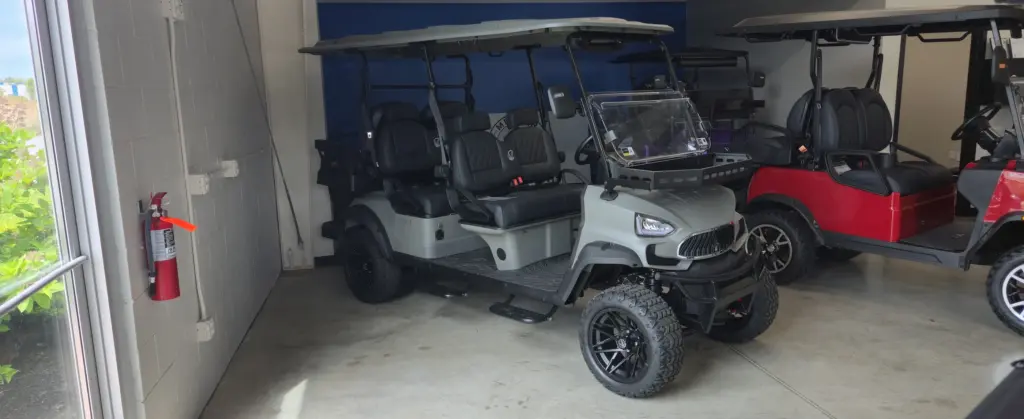
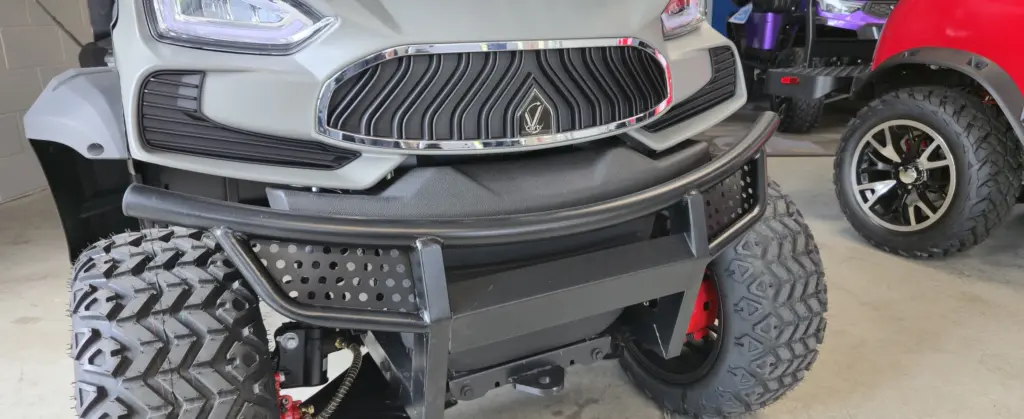
The biggest factor affecting what makes a golf cart street legal is safety equipment. Standard golf carts built for golf courses usually do not include all the components required for public-road operation. Most states require street legal golf carts to have headlights, taillights, brake lights, turn signals, mirrors, seat belts, reflectors, and a windshield before they can legally operate on roads. Some areas may also require windshield wipers, parking brakes, or upgraded tires, depending on local laws. Buyers searching for road-ready transportation often compare models like the Dach Falcon 2+2 Ultra Rider when researching modern golf carts designed with neighborhood driving and upgraded street-use features in mind.
State Laws Can Differ Significantly
Another major reason people search what makes a golf cart street legal is that regulations vary heavily by state and municipality. Some states allow golf carts only on roads with lower speed limits, while others require additional licensing, registration, or insurance coverage before legal operation is permitted. Certain communities also establish their own local golf cart ordinances that affect where carts may be driven. Buyers should always verify local DMV requirements carefully before modifying or registering a golf cart for road use. Assuming all states follow the same rules can create expensive legal problems later.
Low Speed Vehicle Classification Is Important
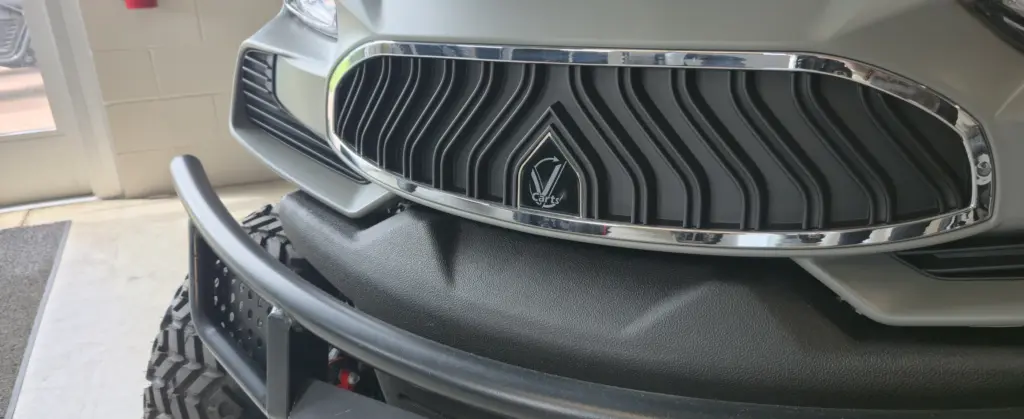
One overlooked factor tied to what makes a golf cart street legal is the difference between a standard golf cart and a Low-Speed Vehicle, often called an LSV. Many street-legal golf carts fall under federal LSV classifications because they are designed to travel at higher speeds while meeting additional safety standards. LSVs generally require VIN, registration, and more extensive safety equipment compared to standard golf carts. Buyers researching legal neighborhood transportation often review guides like What Does LSV Mean On A Golf Cart to better understand how federal low-speed vehicle classifications affect legal road use.
Most Common Street Legal Golf Cart Requirements
Many owners researching what makes a golf cart street legal want a quick checklist showing the equipment commonly required for public-road driving. The table below highlights several common street legal requirements.
| Required Feature | Purpose |
|---|---|
| Headlights | Nighttime visibility |
| Brake Lights | Improved road safety |
| Turn Signals | Traffic communication |
| Seat Belts | Passenger protection |
| Mirrors | Driver visibility |
| Windshield | Road debris protection |
| VIN Number | Registration identification |
Actual requirements vary depending on state laws and local regulations.
Golf cart owners researching federal vehicle regulations often review guidance from the National Highway Traffic Safety Administration when learning about Low-Speed Vehicle requirements and public-road safety standards.
Speed Capability Often Determines Legal Classification
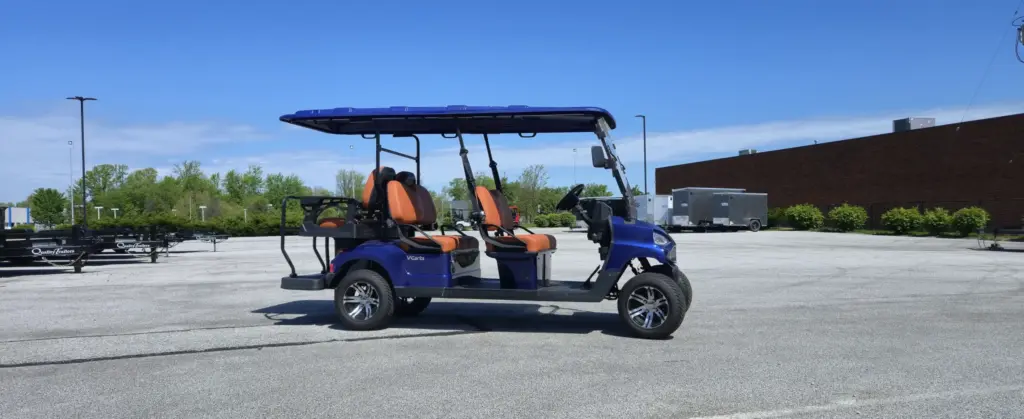
Another major factor connected to what makes a golf cart street legal is maximum speed capability. Many states classify street-legal golf carts or LSVs based partly on their top speed range. Standard golf carts designed only for golf-course use may not travel fast enough to qualify for certain road-use categories. Some street-legal carts are designed to reach approximately 20 to 25 miles per hour while maintaining additional safety equipment and registration compliance. Buyers should always confirm speed requirements carefully before modifying carts for road operation.
Insurance And Registration May Be Required
Many owners researching what makes a golf cart street legal are surprised to learn that some states require registration, insurance, and license plates for public-road operation. Registration requirements often depend on whether the cart qualifies as a Low-Speed Vehicle or standard golf cart under local law. Insurance coverage may also become important for liability protection during neighborhood driving. Owners should contact local DMV offices directly before assuming a modified golf cart automatically qualifies for legal street use.
Street Legal Modifications Can Become Expensive
One reason buyers continue searching what makes a golf cart street legal is that conversion costs can increase quickly. Adding lighting systems, seat belts, mirrors, upgraded tires, windshields, wiring, and registration equipment may become expensive depending on the starting cart condition. Some owners choose factory-equipped street-legal golf carts instead of modifying older carts later because factory-built systems often integrate more cleanly and meet regulations more easily. Planning legal requirements early can help buyers avoid costly modification mistakes.
Modern Golf Carts Are Increasingly Used On Public Roads
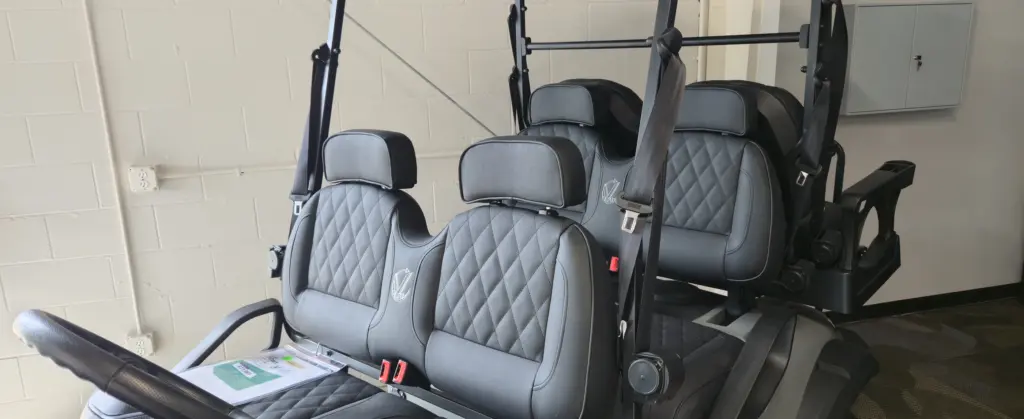
The growing popularity of neighborhood transportation is one reason searches for what makes a golf cart street legal continue increasing every year. Many communities now allow golf carts for short local trips, campground transportation, beach-town driving, and neighborhood commuting. Buyers interested in electric local transportation often compare models like the Teko Turbo when researching practical golf carts designed for comfortable local driving and modern recreational transportation. As golf carts become more common on roads, legal compliance becomes even more important for owners.
Legal Requirements Help Improve Road Safety
Many people searching what makes a golf cart street legal focus mainly on avoiding tickets or registration issues, but these requirements also improve safety significantly. Headlights, mirrors, brake lights, seat belts, and turn signals help golf carts interact more safely with regular traffic. Public roads create much different driving conditions compared to private golf courses, which is why additional safety equipment becomes necessary. Properly equipped street-legal golf carts usually provide safer and more predictable driving experiences for both owners and surrounding drivers.
Conclusion
The answer to what makes a golf cart street legal depends on safety equipment, registration requirements, speed capability, and local laws. Most street-legal golf carts require headlights, brake lights, mirrors, turn signals, seat belts, windshields, and proper registration before operating legally on public roads. State and local regulations can vary significantly, so buyers should always verify legal requirements carefully before modifying or driving a golf cart on streets. Proper street legal equipment not only helps owners avoid fines and registration problems but also improves overall driving safety. Anyone looking for street-legal golf carts, neighborhood transportation solutions, or recreational vehicle guidance can visit Mentor Golf Carts & Trailers for additional information and available inventory options.