
Some golf cart owners plug their cart in expecting a quick recharge, only to discover later that older batteries may need overnight charging to reach full capacity. Others notice that charging suddenly takes much longer during cold Ohio winters or after years of battery wear. That frustration is exactly why many people search how long does it take to charge a golf cart before buying an electric cart or replacing batteries. In most situations, golf carts take between 4 and 12 hours to recharge, depending on battery type, charger quality, battery condition, and how deeply the batteries were discharged. Understanding charging time helps owners avoid battery damage, improve daily reliability, and prevent unnecessary replacement costs over time.
Battery Type Changes Charging Time Significantly
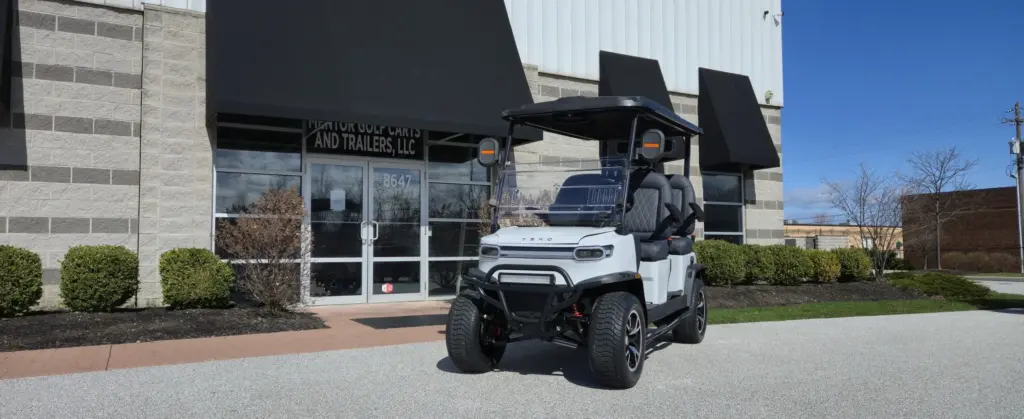
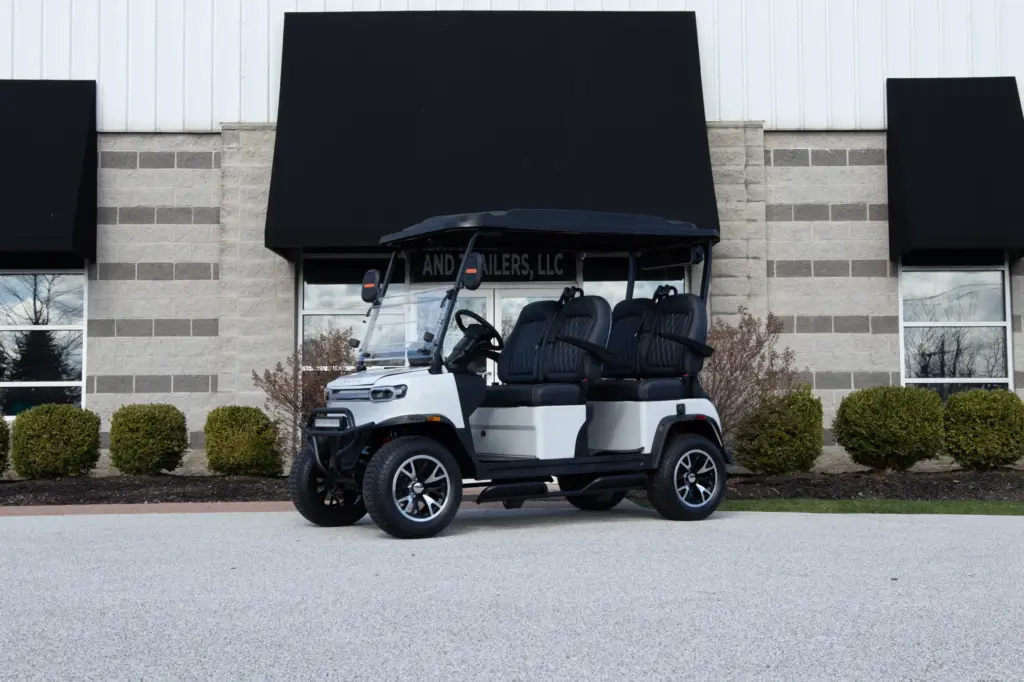
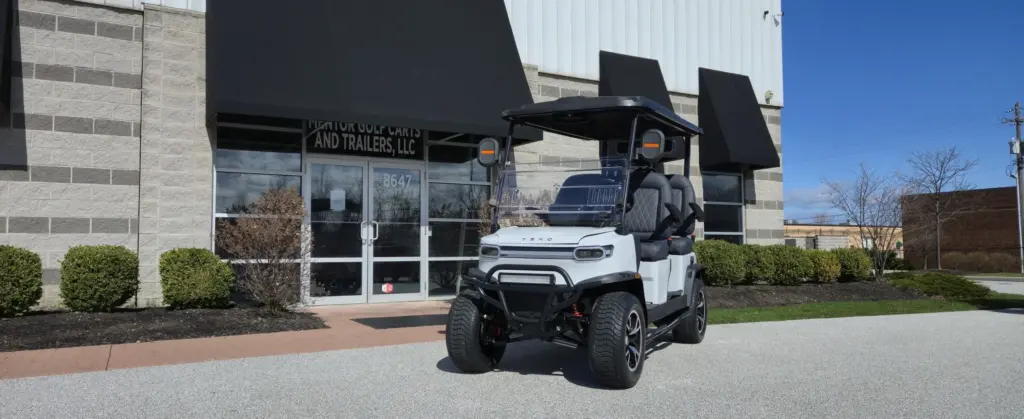
The biggest factor affecting how long does it take to charge a golf cart is the type of battery system installed. Traditional lead-acid batteries usually require much longer charging periods because they recharge more slowly and need additional balancing time near full capacity. Lithium batteries charge much faster while maintaining more stable voltage throughout the charging cycle. This is one reason modern lithium-powered carts continue growing in popularity for neighborhood transportation and recreational driving. Models like the Whisper W3 attract buyers partly because lithium systems recharge faster, deliver smoother performance, and require far less maintenance compared to older lead-acid battery setups.
Most Lead Acid Golf Carts Need Overnight Charging
Many older electric golf carts still use lead-acid batteries, and these systems typically require between 8 and 12 hours for a full recharge. Deeply discharged batteries may take even longer, depending on battery age and charger output. Unlike lithium batteries, lead-acid systems slow down charging significantly near full capacity to help protect battery health. Owners who regularly drain batteries completely before charging often notice slower recharge times and reduced long-term battery lifespan. Consistent overnight charging is still one of the safest and most reliable habits for traditional golf cart battery systems.
Lithium Batteries Recharge Much Faster
One major reason buyers continue researching how long does it take to charge a golf cart is that lithium battery technology has changed charging expectations dramatically. Many lithium golf carts can recharge fully within 2 to 5 hours, depending on charger size and battery capacity. Faster charging gives owners much more flexibility for campground transportation, neighborhood errands, and daily recreational use. Lithium batteries also maintain stronger acceleration during driving because they provide more stable power delivery compared to aging lead-acid batteries.
Average Golf Cart Charging Times
Charging time varies heavily depending on battery condition, charger quality, and battery type. The table below highlights common charging estimates for electric golf carts.
| Battery Type | Typical Charging Time |
|---|---|
| Lead-Acid Batteries | 8-12 Hours |
| Lithium Batteries | 2-5 Hours |
| Partially Discharged Batteries | 3-6 Hours |
| Older Weak Batteries | 10+ Hours Possible |
Actual charging time depends on battery health, charger output, temperature, and how much battery power was used during driving.
Electric vehicle owners researching charging systems and battery efficiency often review guidance from the U.S. Department of Energy when learning about battery technology and electric vehicle charging systems.
Battery Age Strongly Affects Charging Speed
Many owners searching how long does it take to charge a golf cart eventually discover that battery age changes charging performance significantly. Older batteries lose efficiency over time and often require much longer charging cycles to hold the same amount of power. Corroded terminals, weak battery cells, and neglected maintenance can also slow charging dramatically. Golf cart owners frequently assume the charger is failing when the real issue is aging batteries struggling to maintain capacity after years of use.

Charging Habits Can Extend Battery Life
Charging habits matter more than many owners realize. Frequently allowing batteries to drain completely before plugging the cart back in can shorten lifespan significantly, especially with lead-acid systems. Most golf cart technicians recommend charging the cart after each use instead of waiting until the batteries become nearly empty. Knowing how to charge golf cart batteries correctly can improve long-term performance while reducing premature replacement costs. Consistent charging routines usually provide much healthier battery life over time.
Ohio Weather Can Impact Charging Performance
Temperature affects golf cart charging more than many owners expect, especially during Northeast Ohio winters. Extremely cold weather slows battery chemistry, which can increase charging time noticeably and reduce overall battery efficiency. Golf carts stored outside during freezing temperatures often require longer charging periods compared to carts stored inside garages or insulated buildings. Excessive summer heat can also strain batteries and shorten long-term lifespan if ventilation is poor. Owners who store golf carts indoors generally experience more consistent charging performance throughout the year.
Using The Wrong Extension Cord Can Cause Problems
Some owners unknowingly create charging problems by using lightweight household extension cords not designed for long charging sessions. Thin or low-quality extension cords may reduce electrical flow, create excess heat, and slow charging efficiency significantly. In extreme situations, poor electrical connections may even damage chargers or create safety hazards. Golf cart chargers perform best when plugged directly into properly grounded outlets whenever possible. If an extension cord must be used, heavy-duty outdoor-rated cords are usually the safest option.
Charger Quality Makes A Major Difference
Another important factor affecting how long does it take to charge a golf cart is charger quality itself. Modern smart chargers monitor battery temperature, charging stages, and voltage carefully to improve efficiency and battery protection. Older chargers often deliver inconsistent power and may charge much more slowly than newer systems. Using the wrong charger type for the battery system can also reduce charging efficiency and shorten battery lifespan. Matching the charger correctly to the battery setup is extremely important for long-term reliability.
Winter Storage Requires Proper Battery Care
Golf cart owners in colder climates often store their carts for several months during winter, but improper storage can damage batteries significantly. Batteries should never remain fully discharged during storage because low charge levels increase the risk of permanent battery damage. Most experts recommend storing golf carts with batteries partially or fully charged while checking charge levels periodically throughout winter. Indoor storage also helps reduce freezing-related battery stress during harsh Ohio weather conditions.
Driving Conditions Affect Recharge Time
How the golf cart is driven directly affects how long it will take to charge afterward. Steep hills, heavy passenger loads, towing, and long driving distances place additional strain on the batteries and increase discharge depth. Golf carts used heavily throughout the day naturally require longer recharge periods compared to carts driven only short distances around neighborhoods or campgrounds. Understanding realistic driving demands helps owners set more accurate charging expectations.
Fast Charging Is Not Always Better
Many buyers focus heavily on achieving the fastest possible charging time, but aggressive charging may create unnecessary heat and battery stress over time. Modern lithium systems handle faster charging much better than older lead-acid batteries, but balanced charging habits remain important for long-term battery health. Owners who prioritize proper maintenance and consistent charging routines usually experience fewer battery problems than owners focused only on minimizing recharge time.
Conclusion
The answer to how long does it take to charge a golf cart depends heavily on battery type, charger quality, battery condition, weather, and driving habits. Lead-acid batteries commonly require overnight charging, while modern lithium systems may fully recharge in only a few hours. Proper charging routines, indoor winter storage, healthy batteries, and quality charging equipment all help improve charging performance and long-term reliability. Owners who understand these factors early usually avoid expensive battery problems and enjoy much more dependable electric golf cart ownership. Anyone looking for electric golf carts, lithium-powered transportation, or battery guidance can contact Mentor Golf Carts & Trailers for additional information and available inventory.