
Driving a golf cart around a campground, gated community, or neighborhood may seem simple, but the legal requirements are often more complicated than many drivers expect. One community may allow almost anyone to operate a golf cart on private roads, while another requires a valid driver’s license before the vehicle ever leaves the driveway. That difference leads many people to ask, can you drive a golf cart without a license? The answer depends on where the golf cart is being driven, how it is classified, and the laws of your state or municipality. Understanding these rules before getting behind the wheel helps avoid traffic violations, insurance issues, and unnecessary legal problems.
Can You Drive A Golf Cart Without A License On Private Property?
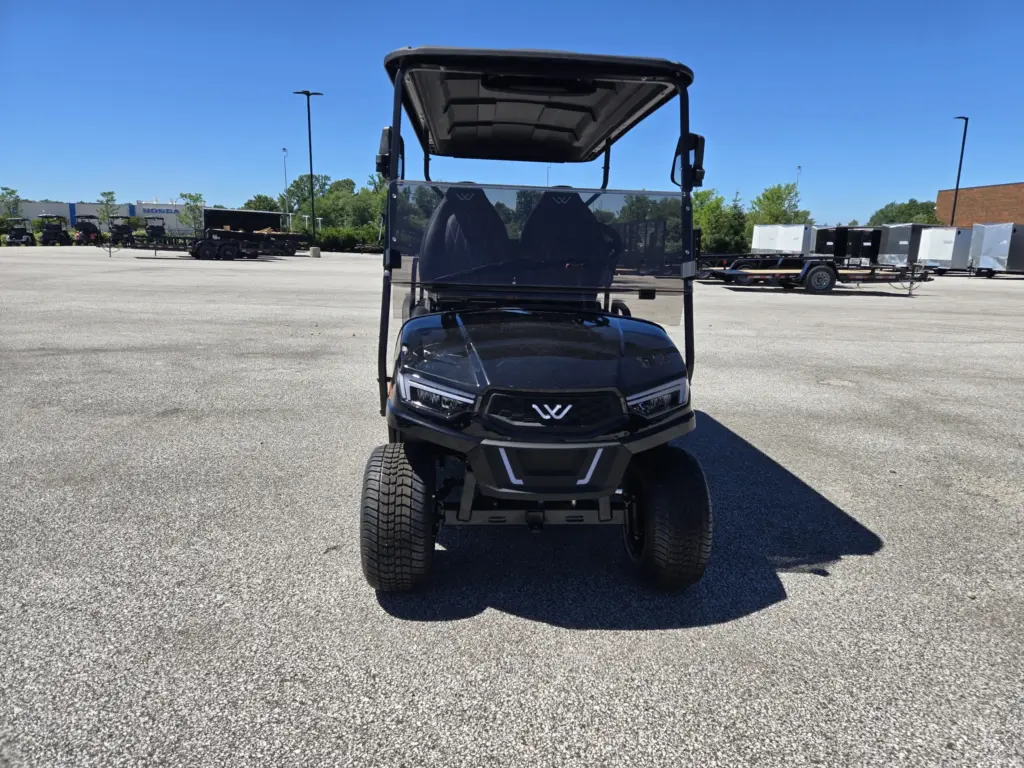
The answer to can you drive a golf cart without a license is often yes when the vehicle stays entirely on private property. Golf courses, farms, campgrounds, resorts, and large private communities frequently establish their own operating rules instead of following standard public road requirements. In these locations, a driver’s license may not be required, although property owners often set minimum age requirements or require adult supervision for younger drivers.
Even when no license is legally required, operators should still understand basic driving safety. Golf carts can carry several passengers, tow small loads, and reach speeds that may cause injuries if driven carelessly. Parents and property owners should always establish clear rules regarding passenger limits, speed, and responsible operation before allowing someone to drive.
Public Roads Usually Follow Different Rules
The legal situation changes significantly once a golf cart enters a public roadway. You are searching for can you drive a golf cart without a license, the answer is many states require a valid driver’s license whenever a golf cart operates on public streets, especially if the vehicle is registered as a Low-Speed Vehicle. Local governments may also require insurance, registration, license plates, and approved safety equipment before allowing road use.
Some neighborhoods permit golf carts only on designated roads with lower speed limits, while others prohibit them completely. Before driving outside private property, owners should verify local regulations instead of assuming the same rules apply everywhere. A golf cart that is perfectly legal in one town may not be permitted only a few miles away.
How Low-Speed Vehicle Classification Changes Licensing Requirements
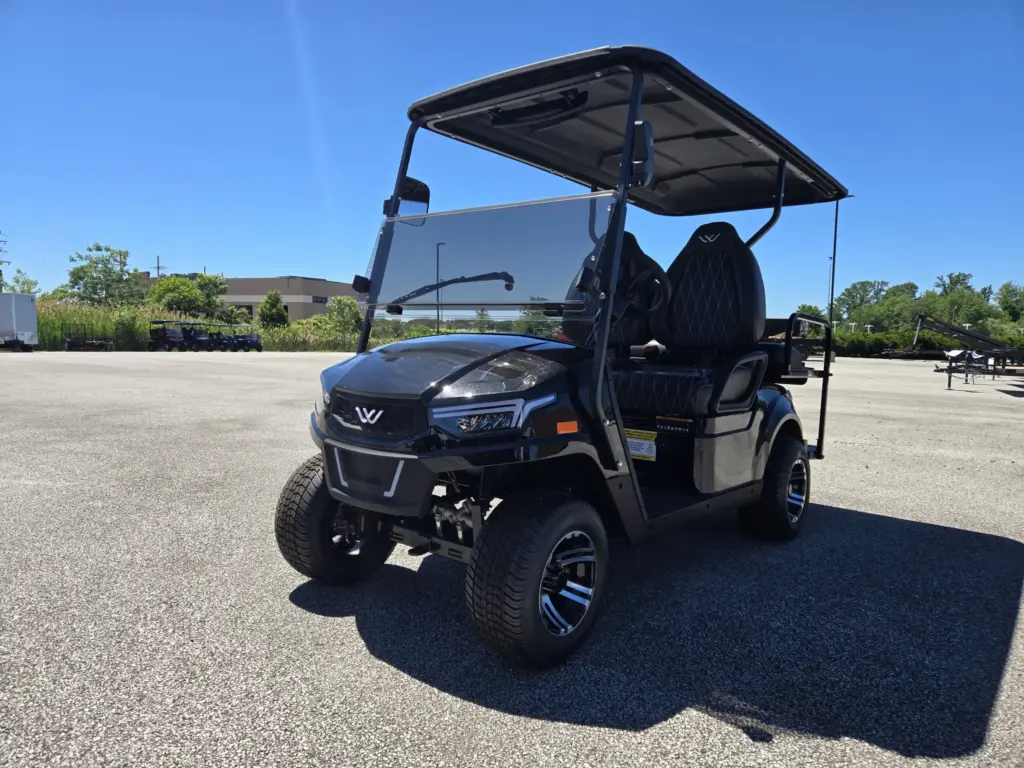
Many modern golf carts are designed to qualify as Low-Speed Vehicles rather than traditional golf carts. Once a vehicle falls into this category, licensing requirements often become much stricter because the cart is now sharing public roads with other traffic. In many states, drivers must hold a valid driver’s license before operating an LSV legally.
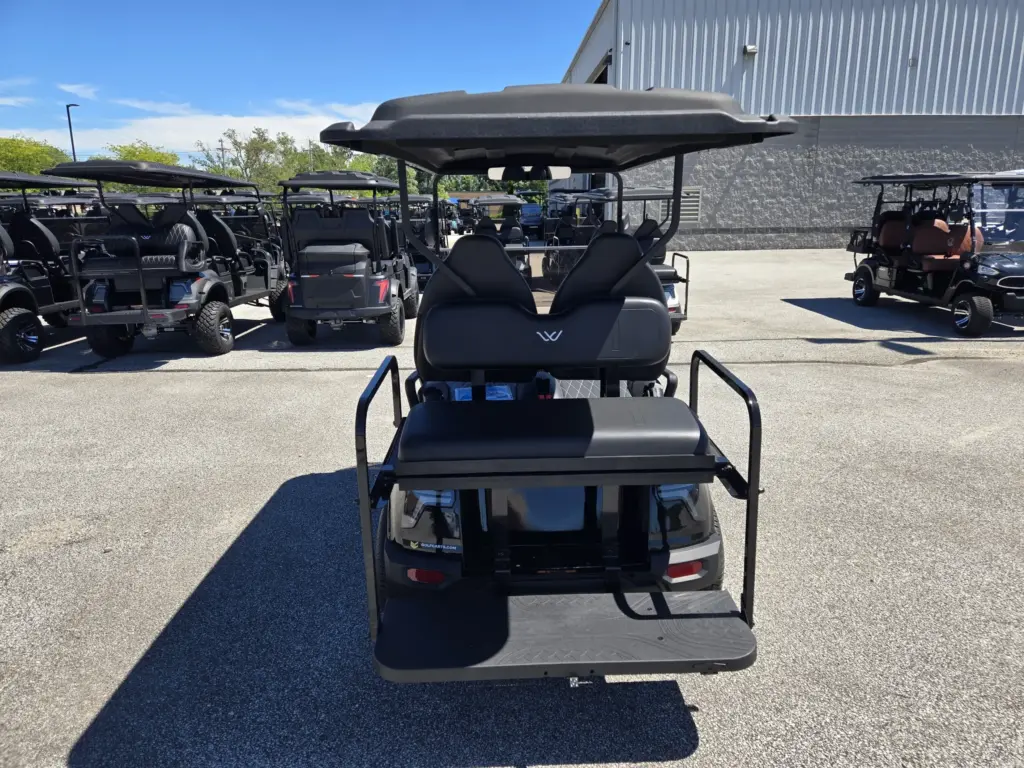
Buyers planning to use their golf cart beyond golf courses often choose newer neighborhood-ready models like the Dach Falcon 2+2 Ultra Explorer Golf Cart, which offers many of the safety features commonly associated with Low-Speed Vehicles. Even so, adding equipment does not eliminate licensing requirements. Drivers must still follow the laws established by their state and local municipality.
Age Requirements Often Apply Even Without A License
One common misconception when searching can you drive a golf cart without a license is that no driver’s license automatically means there are no age restrictions. In reality, many communities establish minimum operating ages even for golf carts driven on private property. Campgrounds, homeowner associations, retirement communities, and resorts frequently require drivers to meet specific age limits regardless of state licensing laws.
Parents should also remember that younger drivers often have limited experience judging speed, stopping distance, and pedestrian traffic. Teaching safe driving habits early is just as important as understanding the legal requirements. Supervising inexperienced drivers helps reduce accidents while encouraging responsible golf cart operation from the beginning.
Insurance And Registration May Still Be Required
Even if a driver’s license is required, that is only one part of operating a golf cart legally on public roads. Many states also require registration, liability insurance, and a license plate for golf carts classified as Low-Speed Vehicles. These requirements help ensure that drivers can be identified and held financially responsible if an accident occurs.
Before driving on any public street, owners should verify whether their golf cart must be titled, registered, or insured. Rules often differ between standard golf carts and street-legal Low-Speed Vehicles, so checking local regulations before driving can prevent fines and unnecessary legal complications.
Driving Without A License Can Lead To Penalties
Operating a golf cart without a required driver’s license can result in consequences similar to driving any other motor vehicle without proper authorization. Depending on the state, drivers may receive citations, fines, or restrictions on future driving privileges. If an accident occurs, the financial consequences can become even more serious, particularly if insurance coverage is affected by unlicensed operation.
Parents should also understand that allowing an underage or unlicensed driver to operate a golf cart illegally may expose them to additional liability. Following local laws protects not only the driver but also passengers and other road users.
Practice Safe Driving Wherever You Operate
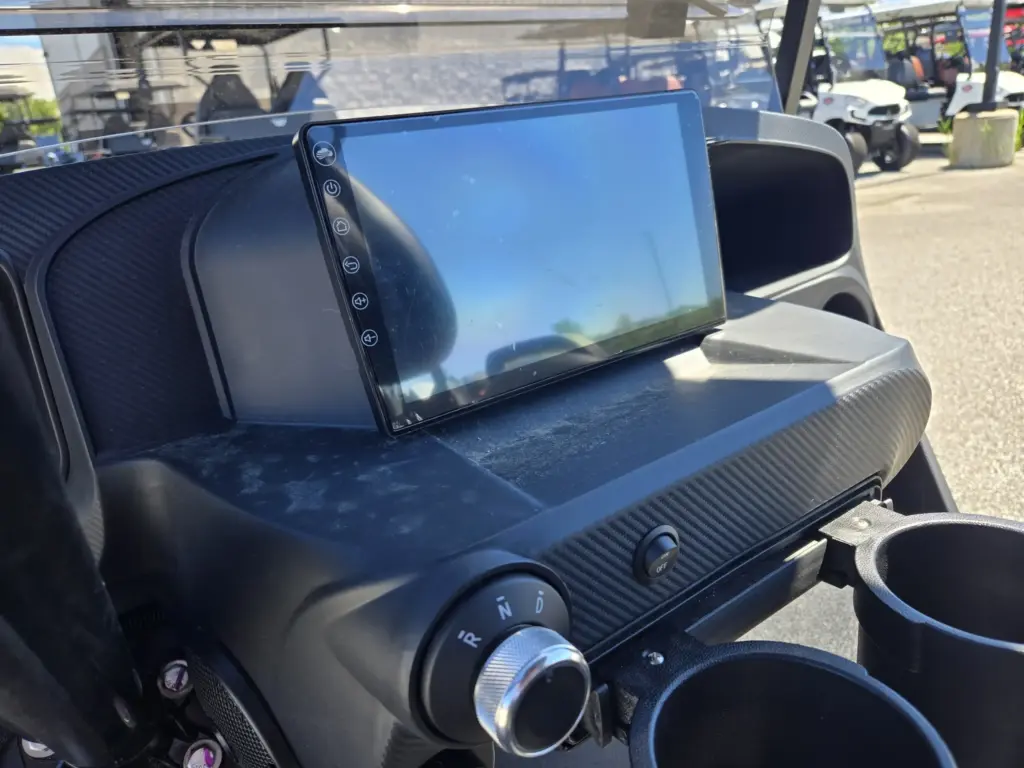
Whether driving on private property or approved public roads, safe operation should always remain the priority. Golf carts have a higher center of gravity than many people realize, making sudden turns, excessive speed, or overloading passengers potentially dangerous. Drivers should always wear seat belts when available, obey posted signs, avoid distracted driving, and remain aware of pedestrians, cyclists, and other vehicles.
For owners who regularly need a vehicle for larger properties, farms, or demanding outdoor work, a purpose-built utility vehicle like the Landmaster Classic N6 may be a more suitable choice than modifying a standard golf cart beyond its intended use.
Know Your Local Laws Before Driving
No single answer applies everywhere because every state and many local communities regulate golf carts differently. Some areas allow unlicensed operation on private property, while others require licensed drivers whenever the vehicle enters a public roadway. Reviewing your state’s motor vehicle regulations before driving is the safest way to ensure compliance.
The National Highway Traffic Safety Administration (NHTSA) also provides information about vehicle safety and Low-Speed Vehicle standards that help explain why many street-use requirements exist. While federal standards establish general vehicle classifications, local governments determine where golf carts may legally operate.
Conclusion
The answer to can you drive a golf cart without a license depends largely on where you plan to drive. Private property often allows greater flexibility, while public roads usually require a valid driver’s license along with registration, insurance, and compliance with local regulations. Because laws vary between states and even individual communities, checking local requirements before driving is always the safest approach. If you have questions about street-legal golf carts or are looking for a model designed for neighborhood transportation, visit Mentor Golf Carts & Trailers to explore available inventory and receive expert guidance.