
How much does a trailer weigh? That question comes up frequently when buyers begin comparing trailer options for work or recreational use. The answer depends on size, materials, axle configuration, and overall design. Some small utility trailers weigh only a few hundred pounds, while larger equipment trailers can weigh several thousand pounds before any cargo is added.
Understanding how much does a trailer weigh is more than a curiosity. It directly affects towing safety, vehicle compatibility, braking performance, and long term durability. Choosing the right trailer starts with understanding weight classifications and how they relate to your specific hauling needs.

Why Knowing How Much A Trailer Weighs Matters
When people search how much does a trailer weigh, they are usually trying to determine whether their vehicle can handle it. Trailer weight influences acceleration, stopping distance, and suspension strain. Exceeding recommended limits increases wear on your vehicle and reduces overall control.
Knowing how much does a trailer weigh also helps you avoid purchasing a model that is either too light for your hauling needs or heavier than necessary for your vehicle’s rating.
Understanding Trailer Weight Terminology
To fully answer how much does a trailer weigh, it is important to understand several key ratings.
Empty Weight (Dry Weight) refers to the trailer itself without cargo. This includes the frame, axles, flooring, and standard components.
GVWR (Gross Vehicle Weight Rating) represents the maximum allowable combined weight of the trailer and cargo.
Payload Capacity is how much cargo the trailer can safely carry.
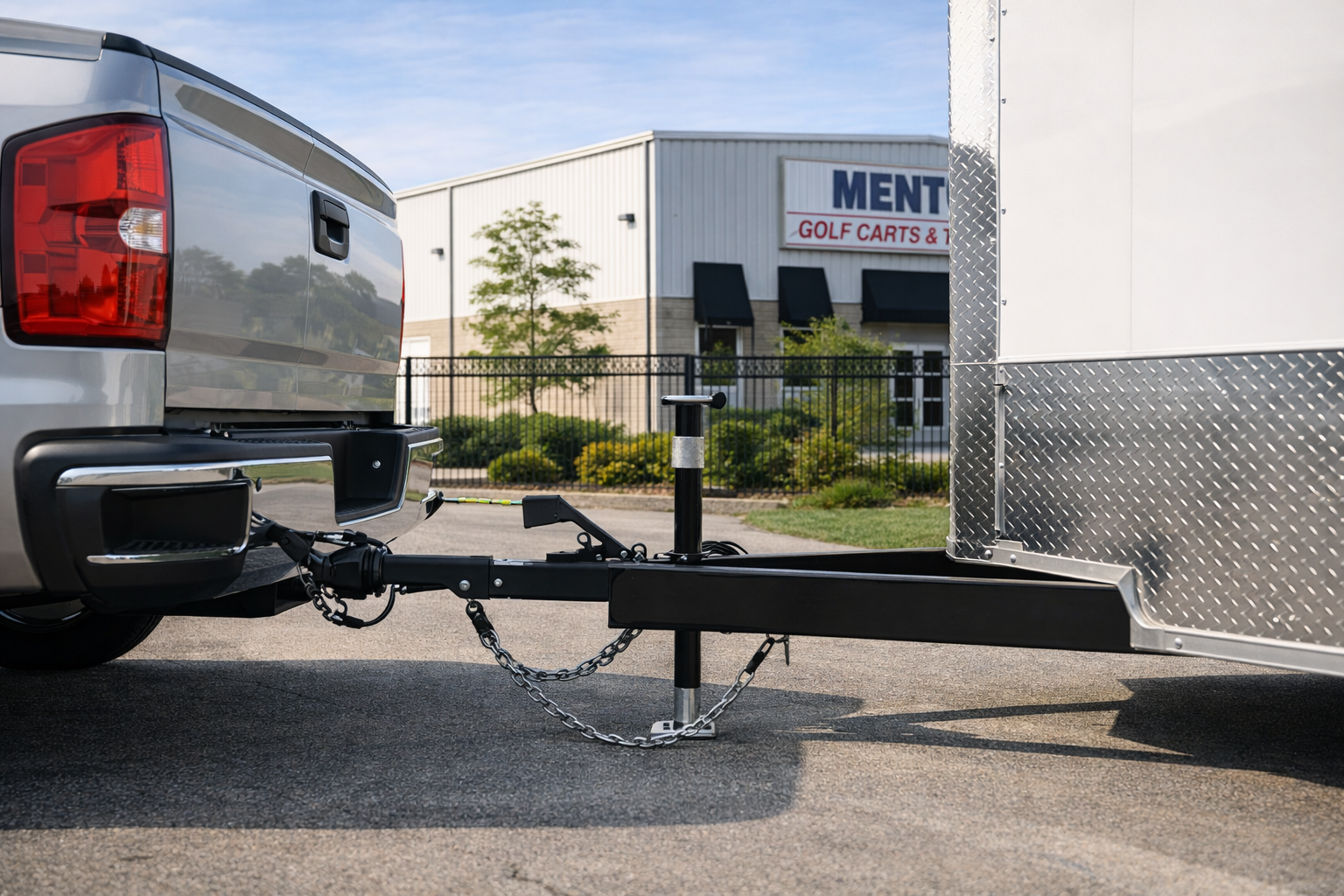
Tongue Weight refers to the downward pressure placed on the hitch, usually 10 to 15 percent of total loaded weight.
Each of these numbers plays a role in determining how much does a trailer weigh under real world conditions.
Average Trailer Weights By Type
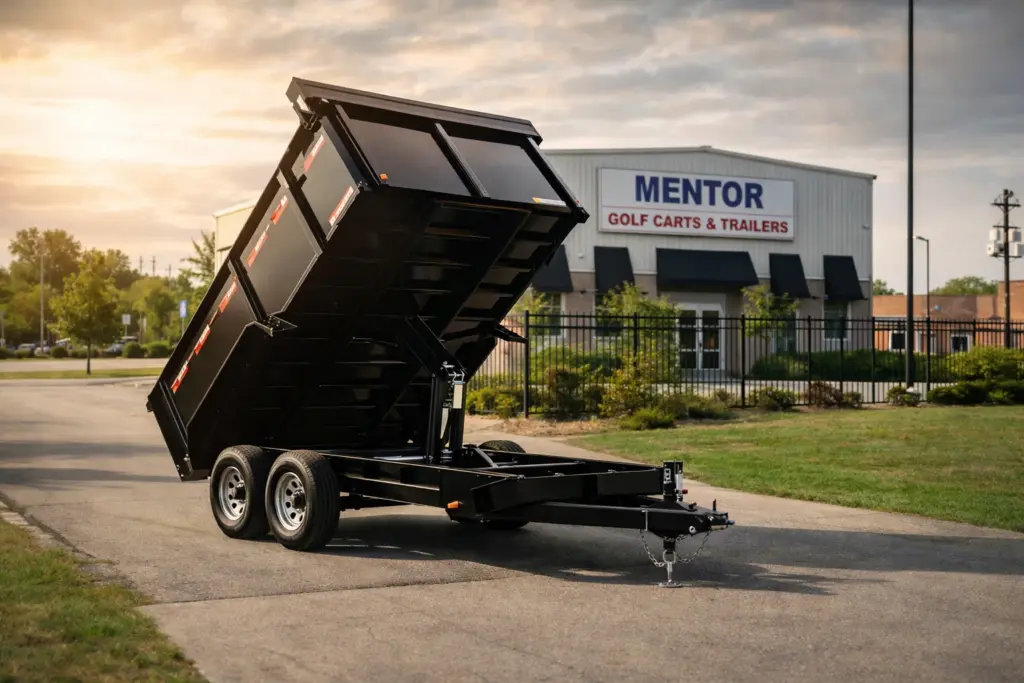
If you are wondering how much does a trailer weigh in practical terms, the type of trailer makes a major difference. Below is a general comparison:
| Trailer Type | Typical Size | Average Empty Weight | Common Use |
|---|---|---|---|
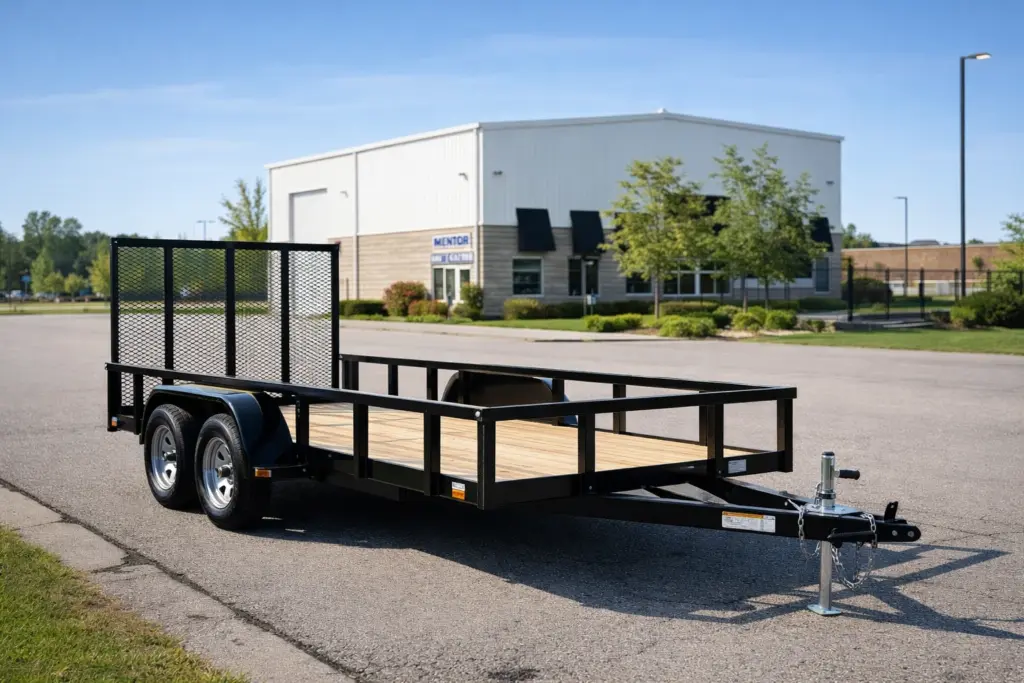
| Small Utility Trailer | 4×6 to 5×8 | 400 – 1,000 lbs | Yard tools, small loads |
| Mid Size Utility | 6×10 to 6×12 | 800 – 1,500 lbs | ATVs, light equipment |
| Enclosed Trailer | 6×12 to 7×16 | 1,200 – 3,000 lbs | Cargo protection |
| Car Hauler | 16 to 20 ft | 1,800 – 2,800 lbs | Vehicle transport |
| Equipment Trailer | 18 to 22 ft | 2,000 – 4,000+ lbs | Heavy machinery |
These figures provide a realistic range when evaluating how much does a trailer weigh across different categories.
What Factors Influence How Much A Trailer Weighs?
Construction material is a primary factor. Steel trailers are durable but heavier. Aluminum trailers reduce weight but may cost more. Axle configuration also affects how much does a trailer weigh, as tandem axle models add additional structural components.
Trailer length, deck thickness, reinforced ramps, braking systems, and enclosed walls all increase total weight. The larger and more robust the build, the heavier the trailer will be.
How Much Does A Trailer Weigh When Loaded?
Many buyers focus only on empty weight, but the more important question is how much does a trailer weigh once loaded. Adding equipment, vehicles, tools, or building materials can quickly double the total weight.
For example, a 2,000 pound empty equipment trailer carrying a 3,000 pound skid steer now weighs 5,000 pounds. That combined number must remain within both the trailer’s GVWR and the tow vehicle’s maximum towing capacity.
Safety Considerations
Understanding how much does a trailer weigh is critical for safe operation. Overloading increases stopping distance and reduces handling control. According to the National Highway Traffic Safety Administration, proper load distribution and adherence to rated capacities are essential for towing safety.
Maintaining correct tongue weight and balanced cargo placement prevents trailer sway and improves stability, especially at highway speeds.

Matching Trailer Weight To Your Vehicle
Before purchasing, check your vehicle’s towing capacity. This rating helps determine how much does a trailer weigh safely within your vehicle’s limits. Keep in mind that towing capacity includes both the trailer and its cargo.
Selecting a trailer that comfortably fits within your vehicle’s rating improves braking performance and long term mechanical reliability.
Choosing The Right Trailer
So, how much does a trailer weigh overall? Lightweight utility trailers often remain under 1,000 pounds empty. Mid size enclosed trailers typically range between 1,200 and 3,000 pounds. Heavy duty equipment trailers can exceed 4,000 pounds before cargo.
The right trailer balances strength, durability, and manageable weight. If you are comparing trailer sizes and load capacities, you can explore available inventory at Mentor Golf Carts and Trailers to see current trailer models suited for work or recreational hauling.
Conclusion
How much does a trailer weigh ultimately depends on its design and purpose. By understanding empty weight, loaded weight, GVWR, and towing capacity, you can confidently choose a trailer that meets your hauling needs while staying within safe operating limits. Knowing how much does a trailer weigh before you tow protects your vehicle, your cargo, and your safety on the road.