
Whether you are hauling landscaping equipment, transporting a golf cart, or towing materials for work, it is important to understand what equipment is required to be on a trailer. Trailer regulations are designed to improve visibility, reduce accidents, and ensure safe load control. Failing to meet these requirements can lead to fines, liability issues, or serious safety risks on the road.
The question what equipment is required to be on a trailer depends on federal motor vehicle standards as well as state specific laws. While minor variations exist from state to state, there are core equipment requirements that apply almost everywhere. These include lighting systems, reflectors, braking components, safety chains, proper coupling devices, tires rated for load capacity, and valid registration. Understanding each requirement ensures that your trailer is safe and compliant every time you tow.
Why Trailer Equipment Requirements Exist
Before breaking down what equipment is required to be on a trailer, it helps to understand the purpose behind these regulations. Unlike powered vehicles, trailers rely entirely on the towing vehicle for steering and propulsion. If a trailer disconnects, loses lighting, or experiences brake failure, it becomes a hazard to surrounding traffic. Federal safety standards were developed to reduce those risks. The U.S. Government Publishing Office provides access to Federal Motor Vehicle Safety Standards at eCFR.gov. These standards outline lighting, reflective devices, and braking requirements that form the foundation of trailer compliance.
Required Lighting Systems
One of the most essential answers to what equipment is required to be on a trailer is proper lighting. Every trailer operated on public roads must have functional tail lights, brake lights, and turn signals. These lights must synchronize with the towing vehicle so that other drivers can clearly see braking and directional changes. For wider trailers, additional clearance lights may be required. Lighting must remain visible from a specified distance, typically several hundred feet at night. Damaged wiring or burned out bulbs can result in citations and unsafe conditions.
Reflectors And Conspicuity Markings
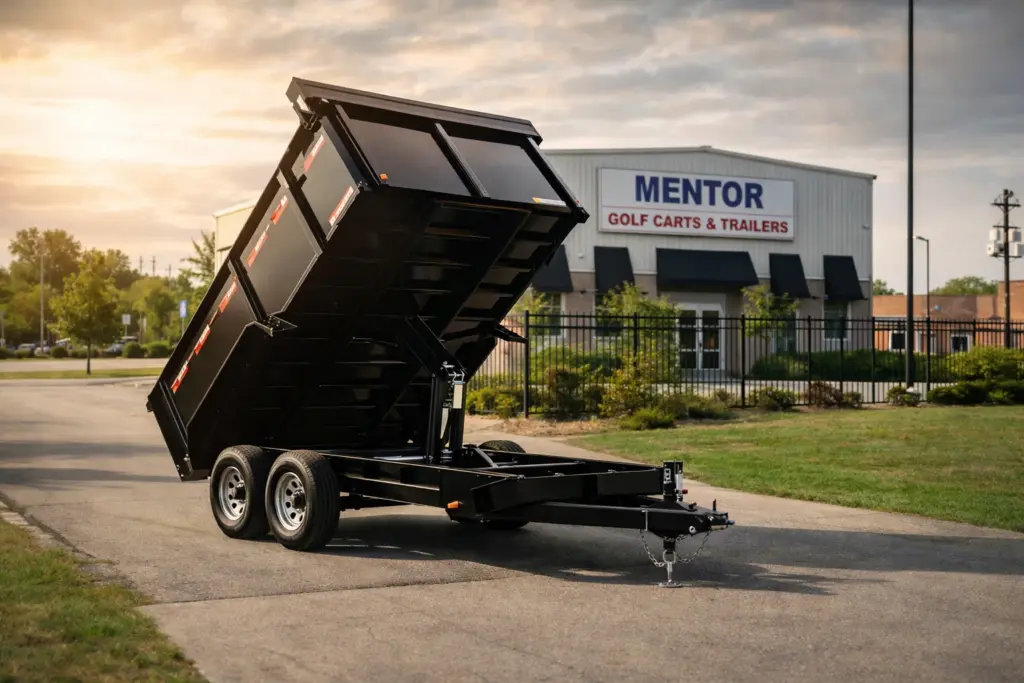
Reflectors are also part of what equipment is required to be on a trailer. Red reflectors are generally required on the rear of the trailer, while amber reflectors are placed on the sides. These passive safety devices enhance visibility in low light conditions even when headlights from other vehicles shine on them. For larger commercial trailers, reflective tape along the sides and rear may be mandatory. These markings improve visibility in dark or foggy conditions.
Brake Requirements Based On Weight
Another critical part of understanding what equipment is required to be on a trailer involves braking systems. Brake requirements typically depend on trailer weight. In many states, trailers over 3,000 pounds gross weight must have their own braking system. Electric trailer brakes are common for heavier trailers and connect to a brake controller installed in the towing vehicle. Some jurisdictions also require a breakaway system that activates the trailer brakes automatically if the trailer becomes disconnected from the tow vehicle.
Safety Chains And Coupling Devices
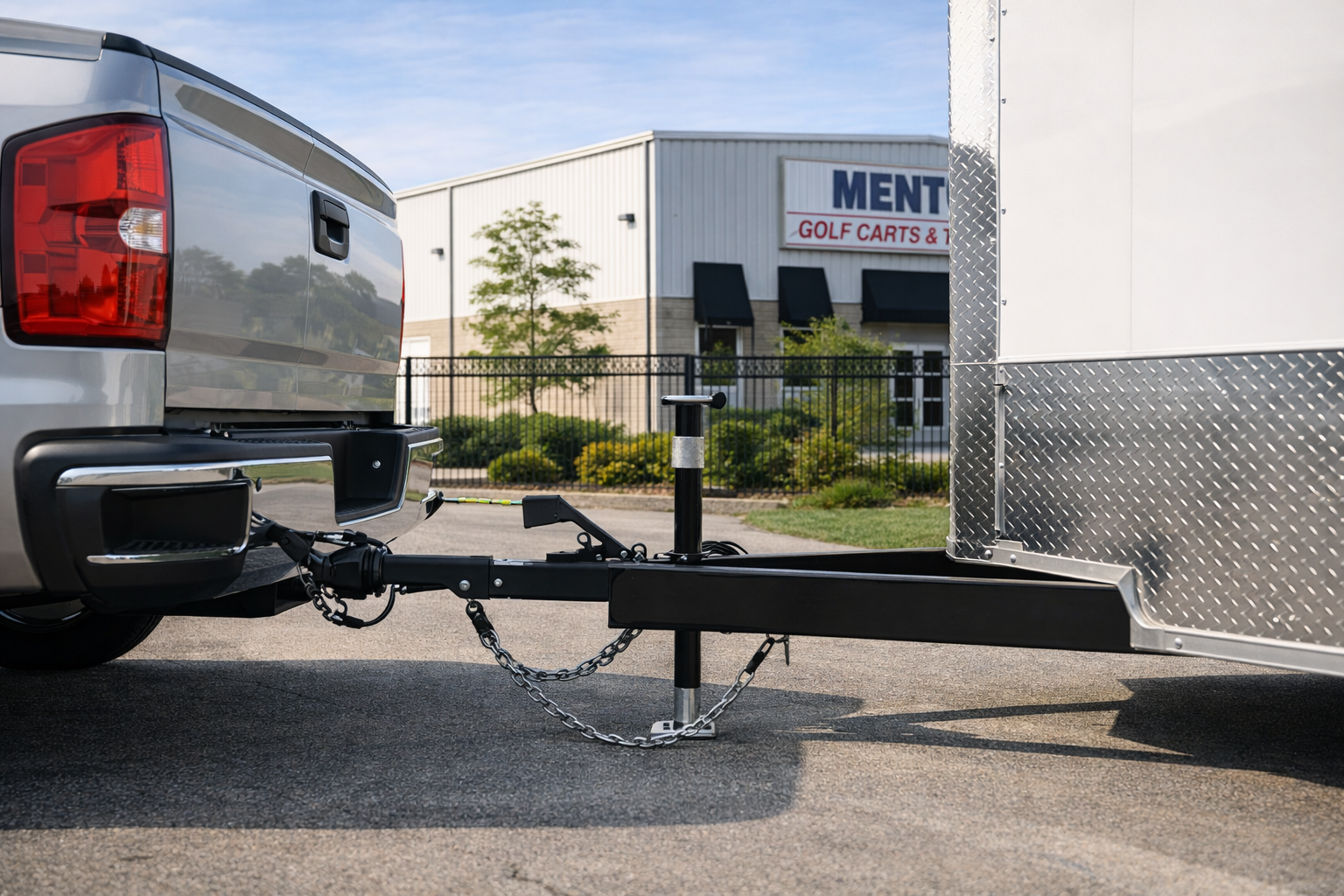
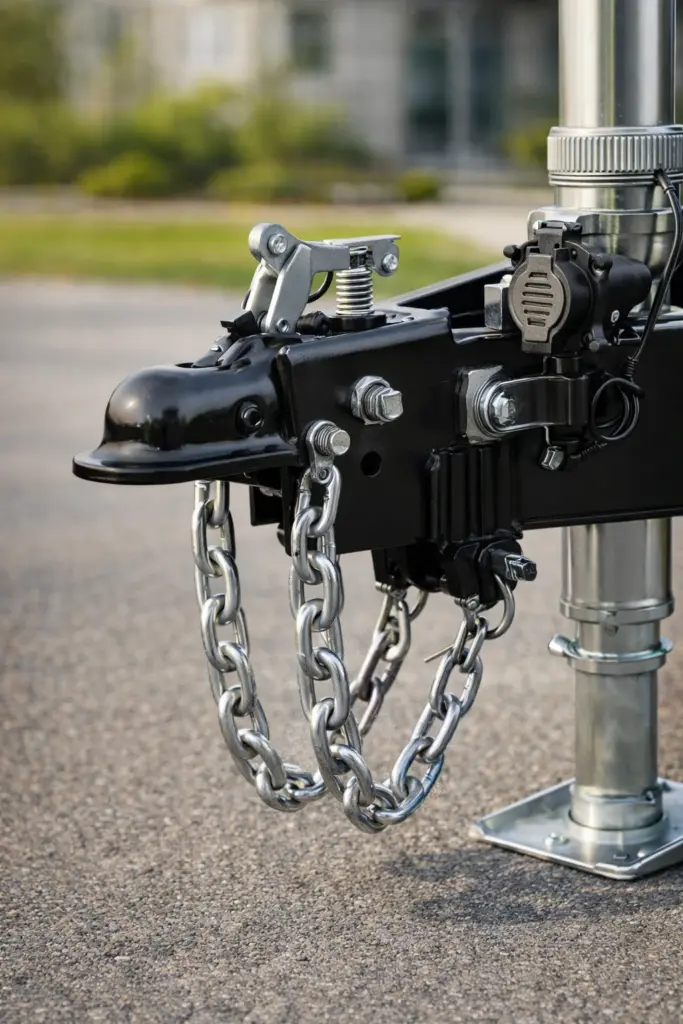
Safety chains are universally required and are a fundamental answer to what equipment is required to be on a trailer. Chains act as a backup connection between the trailer and tow vehicle if the hitch fails. They must be properly rated for the trailer’s weight and crossed beneath the trailer tongue to prevent it from dropping to the roadway. The coupler itself must match the hitch ball size and be securely latched. Improper coupling is one of the most common causes of trailer detachment accidents.

Tires, Wheels, And Fenders
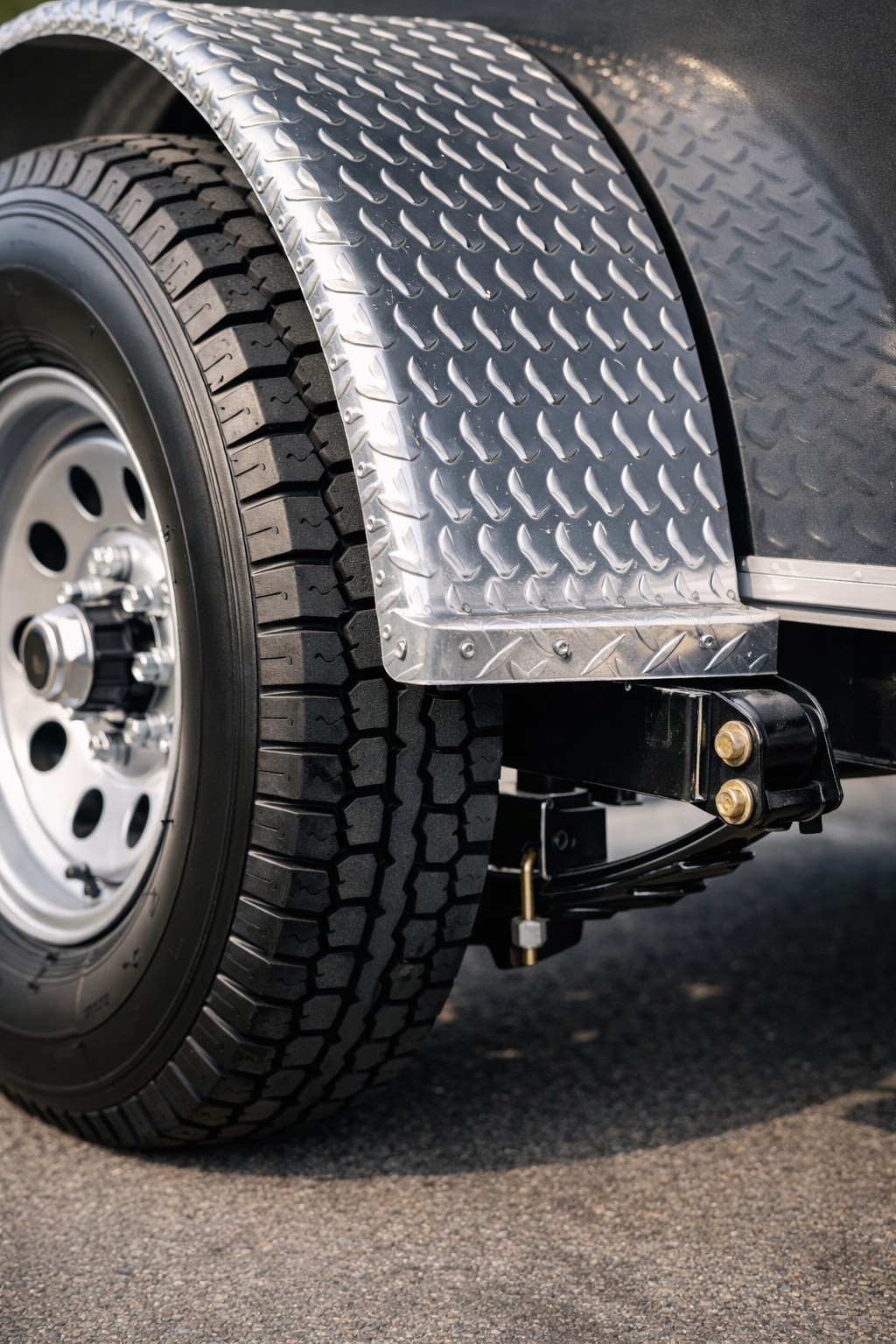
Tires are often overlooked when discussing what equipment is required to be on a trailer, but they are critical for safety. Trailer tires must meet load rating requirements that correspond to the trailer’s Gross Vehicle Weight Rating. Underinflated or worn tires increase the risk of blowouts. Many states also require fenders or mud flaps to prevent debris from being thrown onto other vehicles. Wheel bearings should be properly maintained to prevent overheating during long trips.
License Plate And Registration
All trailers operated on public roads must be properly registered with the appropriate state agency and display a valid license plate. Registration requirements may vary depending on trailer type and weight, but visible registration is mandatory. Failure to display a valid plate can result in fines or impoundment. Always ensure your registration remains current before towing.
Load Securement Equipment
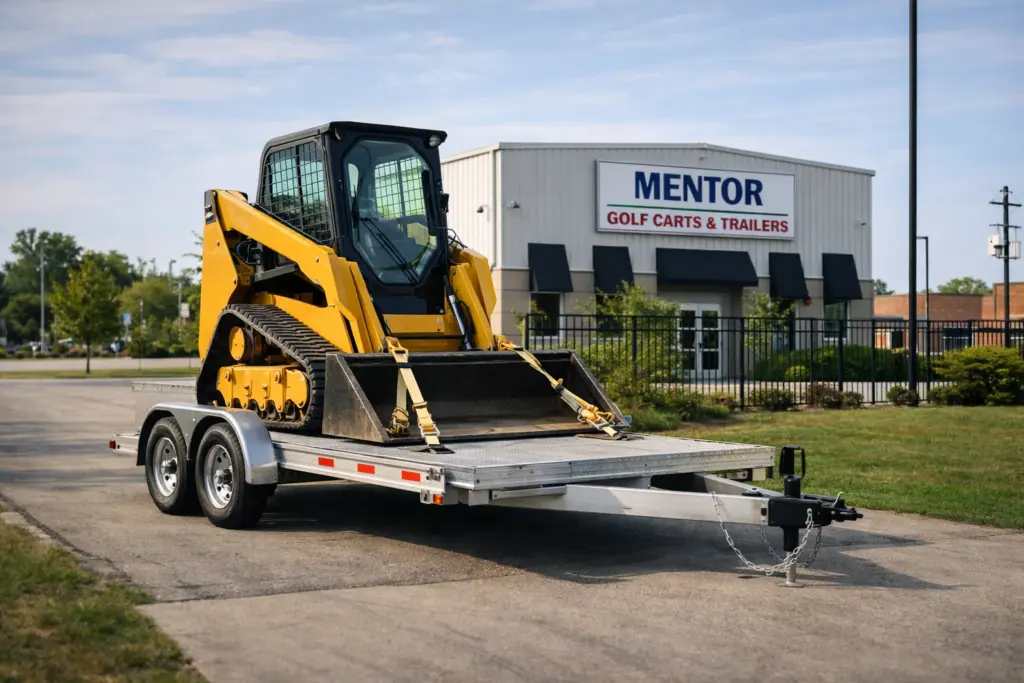
When considering what equipment is required to be on a trailer, cargo securement is equally important. Straps, chains, binders, and tie downs must be rated for the weight of the cargo being transported. Improperly secured loads can shift during transit and cause loss of control. The Federal Motor Carrier Safety Administration provides cargo securement guidelines. These standards help prevent debris from falling onto roadways and endangering other drivers.
Trailer Equipment Overview Table
| Equipment | Required For Most Trailers | Weight Dependent |
|---|---|---|
| Tail Lights | Yes | No |
| Brake Lights | Yes | No |
| Turn Signals | Yes | No |
| Reflectors | Yes | No |
| Independent Brakes | Sometimes | Yes |
| Breakaway System | Often Required | Yes |
| Safety Chains | Yes | No |
| License Plate | Yes | No |
This overview summarizes common requirements when evaluating what equipment is required to be on a trailer.
Regular Inspection And Maintenance
Meeting equipment requirements once is not enough. Ongoing checks are essential to keep your trailer operating safely. Before each trip, inspect lighting connections, confirm brake function if equipped, check hitch security, examine safety chains, and verify proper tire pressure. Taking a few minutes to review these components reduces the risk of mechanical issues while towing.
Routine inspections help extend the life of your trailer and improve safety on the road. Staying proactive with tire condition, wiring integrity, and structural components ensures your trailer remains dependable for every haul.
Selecting A Compliant Trailer
Choosing the correct trailer simplifies compliance with federal and state regulations. Purchasing a trailer built to meet established safety standards reduces the likelihood of missing required components such as proper lighting, braking systems, and reflectors.
Reviewing weight ratings, axle configuration, and equipment specifications helps ensure the trailer you select is suited for safe and legal towing. If you are comparing trailer sizes and features, you can explore available models at Mentor Golf Carts and Trailers to see options designed for dependable hauling.
Conclusion
So what equipment is required to be on a trailer? At minimum, trailers must have operational lighting, reflectors, safety chains, proper coupling devices, compliant tires, and valid registration. Heavier trailers often require independent braking systems and breakaway devices. While federal standards provide a baseline, always confirm state specific requirements before towing. Proper equipment, routine inspection, and responsible towing practices ensure safety for you and others on the road.