
Utility Task Vehicles have become a common sight on farms, hunting properties, recreational trails, construction sites, and large private properties throughout the United States. Their versatility, off-road capability, and ability to carry passengers make them valuable tools for both work and recreation. As their popularity continues to grow, so does the importance of understanding vehicle safety. This is one reason many people search what is a UTV accident. A UTV accident refers to any incident involving a Utility Task Vehicle that results in injury, property damage, vehicle damage, or loss of control. These accidents can occur on trails, private property, public roads where permitted, work sites, or recreational areas. Understanding what is a UTV accident, why these incidents happen, and how they can be prevented helps owners operate their vehicles more safely while reducing the risk of serious injuries. Whether a UTV is used for work or recreation, understanding accident risks is an important part of responsible ownership.
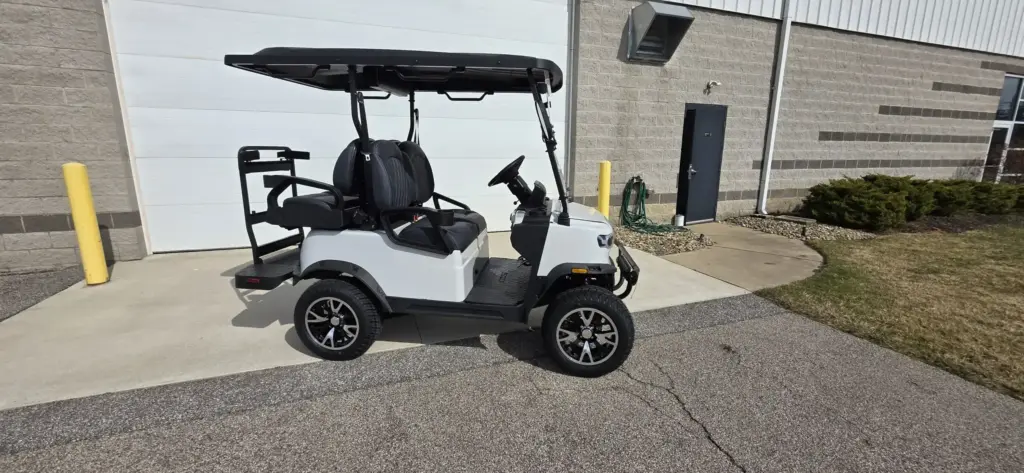
What A UTV Accident Is
When people ask what is a UTV accident, they are generally referring to any event involving a Utility Task Vehicle that causes harm, damage, or injury. Unlike traditional passenger vehicles, UTVs are designed primarily for off-road environments. They often operate on uneven terrain, steep hills, muddy trails, gravel roads, and remote areas where driving conditions can change quickly. These unique operating environments create risks that differ from those encountered by standard automobiles.
A UTV accident can range from a minor collision with property to a serious rollover resulting in severe injuries. Accidents may involve a single vehicle or multiple vehicles. They can occur because of operator error, mechanical failure, environmental conditions, excessive speed, distracted driving, or poor judgment. Understanding the broad definition of a UTV accident helps owners recognize potential hazards before they become dangerous situations.
Common Causes Of UTV Accidents
One of the most important aspects of understanding what is a UTV accident involves identifying common causes. Excessive speed remains one of the leading contributors to UTV incidents. Drivers who travel too fast for trail conditions often have less time to react to obstacles, sharp turns, or unexpected terrain changes. Even experienced operators can lose control when speed exceeds safe limits.
Driver inexperience also contributes significantly to accident rates. Many people assume that UTVs operate similarly to cars or trucks, but off-road vehicles require different driving techniques. Improper turning, sudden braking, and poor weight distribution can increase the risk of rollovers. Alcohol use, distracted driving, and carrying more passengers than recommended by the manufacturer can also contribute to accidents. Recognizing these common causes helps operators make safer decisions while using their vehicles.
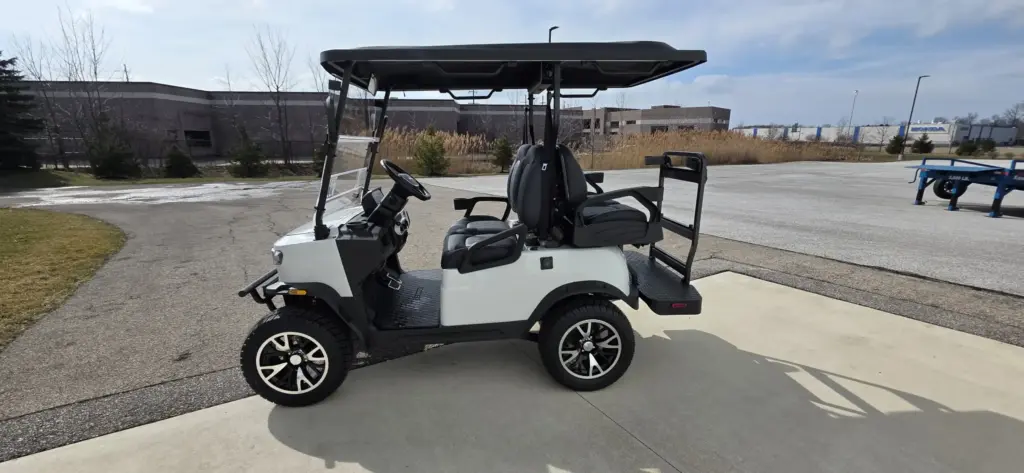
Rollovers Are Among The Most Serious UTV Accidents
When discussing what is a UTV accident, rollovers deserve special attention because they are among the most serious types of incidents. UTVs have higher centers of gravity than many passenger vehicles, especially when carrying cargo or multiple passengers. Sharp turns, steep slopes, uneven ground, and excessive speed can all increase rollover risk.
Although most UTVs include rollover protection structures and seat belts, injuries can still occur if occupants fail to use safety equipment properly. Keeping arms and legs inside the vehicle during a rollover is critical because many severe injuries occur when occupants attempt to brace themselves during an accident. Manufacturers design rollover protection systems to work together with seat belts, making proper restraint use essential for safety.
Environmental Conditions Play A Major Role
Another important factor when examining what is a UTV accident is the role environmental conditions play in vehicle safety. Mud, sand, gravel, snow, ice, and wet grass can significantly affect traction and vehicle control. Even experienced operators may encounter difficulties when conditions change unexpectedly.
Visibility can also contribute to accidents. Dust, fog, rain, darkness, and dense vegetation may reduce a driver’s ability to identify hazards in time to react safely. Operators should adjust speed and driving behavior according to current conditions rather than relying solely on vehicle capability. Safe operation requires constant awareness of changing terrain and environmental factors.
Individuals seeking information about safe UTV operation and accident prevention often review resources from the Specialty Vehicle Institute of America, which promotes responsible off-road vehicle ownership and safety education.
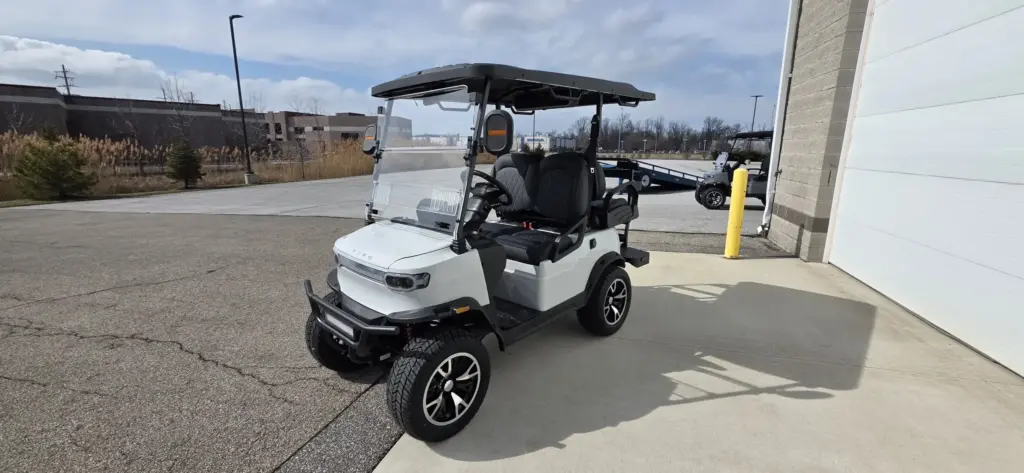
Passenger Behavior Can Affect Safety
Many people researching what is a UTV accident overlook the role passengers can play in vehicle stability and safety. UTVs are designed with specific seating positions and safety restraints intended to protect occupants during operation. Passengers who fail to wear seat belts, move excessively during travel, or ride outside designated seating areas increase accident risks.
Children should always meet manufacturer age and size recommendations before riding in a UTV. Operators are responsible for ensuring that all occupants understand safety expectations before the vehicle begins moving. Clear communication between drivers and passengers helps reduce risky behaviors that may contribute to accidents.
Work-Related UTV Accidents Are Common
UTVs are frequently used in agriculture, construction, landscaping, maintenance, and property management. Because of this widespread use, work-related incidents represent an important category when discussing what is a UTV accident. Employees may operate UTVs for transporting tools, hauling materials, inspecting property, or moving equipment between work locations.
Work environments often present additional hazards such as uneven terrain, heavy equipment, limited visibility, and time pressures. Employers who provide operator training, establish safety policies, and maintain vehicles properly can significantly reduce accident risks. Proper workplace safety programs remain one of the most effective methods for preventing work-related UTV incidents.
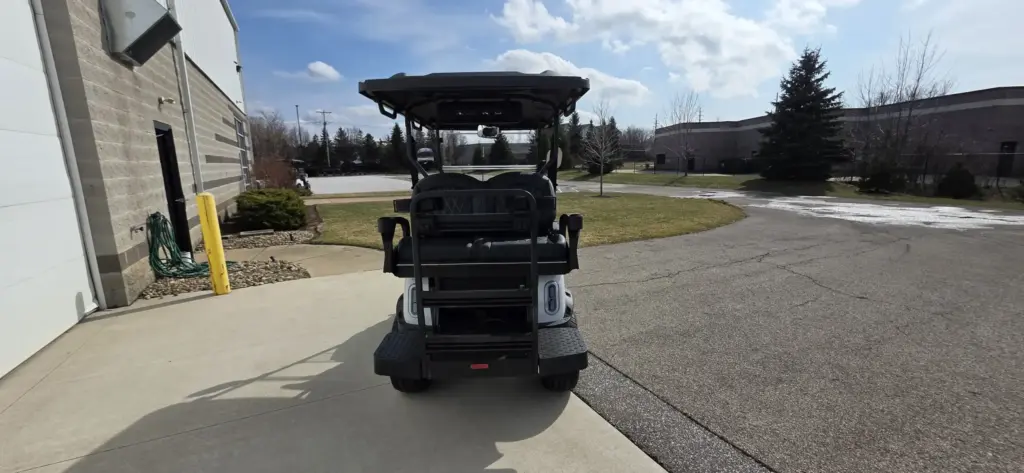
Vehicle Maintenance Helps Prevent Accidents
Mechanical problems can contribute directly to accidents when vehicles are not maintained properly. Brake failures, worn tires, steering problems, suspension issues, and lighting malfunctions may increase accident risk. Regular inspections help identify problems before they become serious safety concerns.
At Mentor Golf Carts & Trailers, many customers recognize that routine maintenance plays a critical role in vehicle safety and reliability. Owners who inspect their UTVs regularly and follow manufacturer maintenance schedules often experience fewer breakdowns and safer operating conditions. Preventive maintenance remains one of the most effective ways to reduce accident potential.
Choosing The Right Vehicle Can Improve Safety
Selecting a vehicle that matches the intended application can also reduce accident risks. Some UTVs are designed primarily for work, while others focus more heavily on recreation or performance. Buyers should evaluate passenger requirements, cargo needs, terrain conditions, and intended usage before selecting a vehicle.
Individuals seeking utility-focused transportation often explore options such as the Dach Apollo Elite Rider and other utility-oriented vehicles when comparing transportation solutions for large properties and outdoor applications. Choosing equipment that aligns with actual usage requirements can improve both safety and long-term ownership satisfaction.
Preventing UTV Accidents Requires Responsible Operation
The most effective way to address what is a UTV accident is to focus on prevention. Safe operation begins with proper training, responsible driving habits, and adherence to manufacturer recommendations. Wearing seat belts, maintaining appropriate speeds, avoiding distractions, and respecting terrain conditions all contribute to safer vehicle operation.
Operators should never assume that vehicle capability eliminates risk. Even the most advanced UTV can become involved in an accident if driven improperly. Consistent attention to safety practices helps protect operators, passengers, and property while maximizing the benefits these versatile vehicles provide.
Conclusion
Understanding what is a UTV accident helps owners recognize the risks associated with operating these versatile off-road vehicles. UTV accidents can result from excessive speed, rollovers, poor terrain conditions, passenger behavior, mechanical failures, or operator error. While accidents cannot always be prevented entirely, proper training, responsible driving habits, regular maintenance, and the use of safety equipment significantly reduce risk. Whether a UTV is used for recreation, work, hunting, or property management, prioritizing safety should always remain the top concern. For professional vehicle service, maintenance support, and transportation solutions, visit the Mentor Golf Carts & Trailers Service Department to learn more.