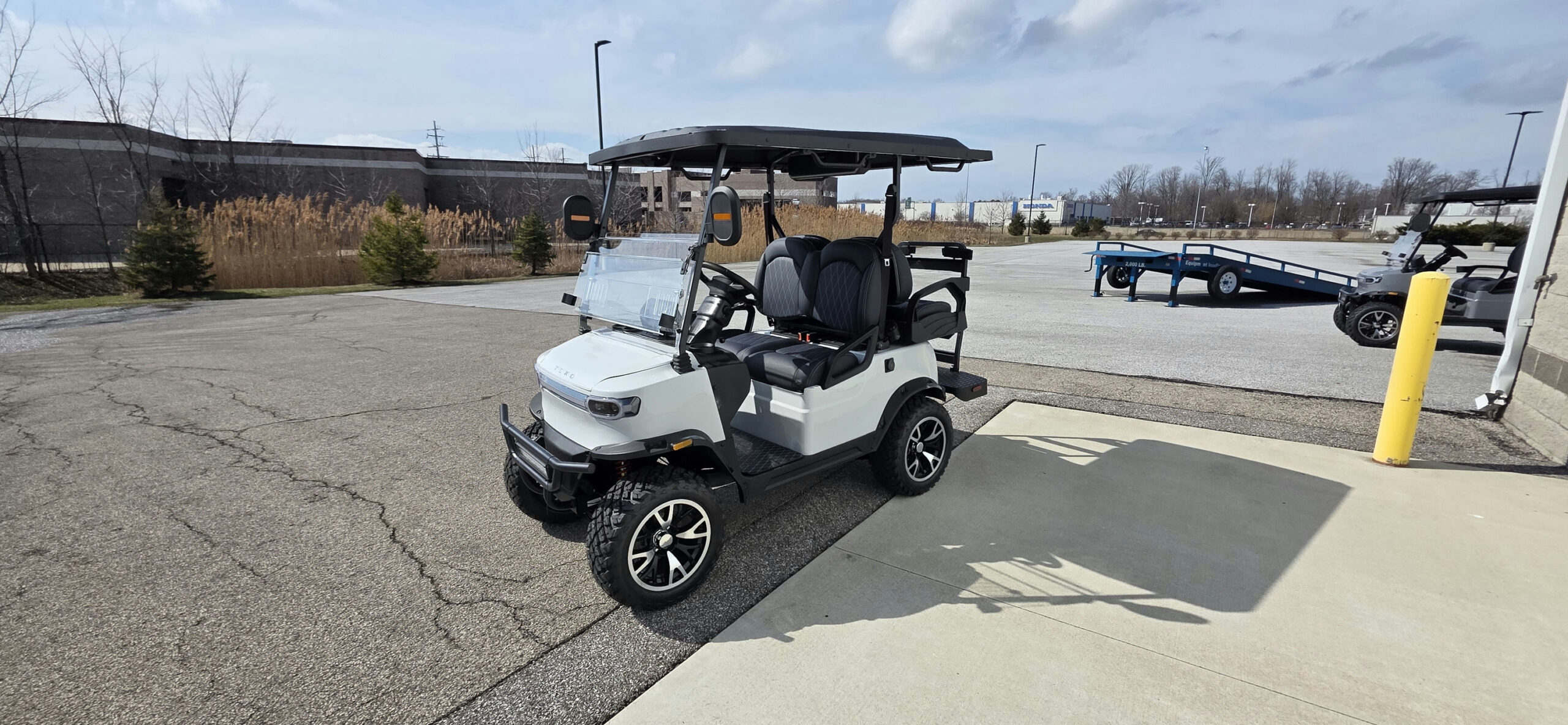
Utility Task Vehicles have become one of the most popular off-road vehicle categories in North America. Whether they are used on farms, hunting properties, construction sites, campgrounds, or recreational trails, UTVs provide a unique combination of passenger transportation, cargo capacity, and off-road capability. As these vehicles continue gaining popularity, many people ask what does UTV stand for in vehicles before purchasing one. The answer is relatively simple, but understanding the full meaning requires a closer look at how these machines are designed and used. UTV stands for Utility Task Vehicle, although some manufacturers also use the term Utility Terrain Vehicle. Unlike traditional ATVs, UTVs are built to carry multiple passengers, transport equipment, and perform a wide variety of work and recreational tasks. Understanding what does UTV stand for in vehicles helps buyers determine whether this type of off-road machine is the right fit for their needs.
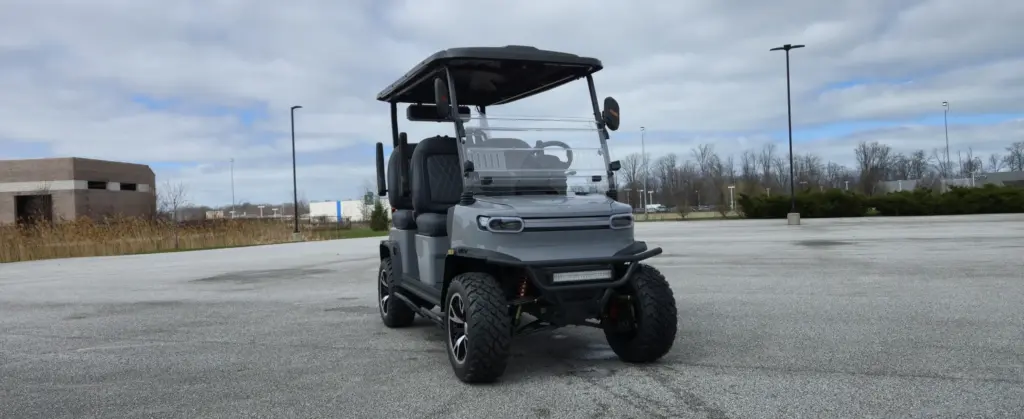
UTV Stands For Utility Task Vehicle
When people search what does UTV stand for in vehicles, they are usually trying to understand the basic definition of the term. UTV stands for Utility Task Vehicle, a category of off-road vehicle designed to perform practical work while also providing recreational capabilities. Manufacturers created UTVs to offer more passenger space, cargo capacity, and versatility than traditional ATVs.
The word “utility” reflects the vehicle’s ability to perform work-related tasks such as hauling equipment, transporting supplies, towing trailers, and moving people across large properties. The term “task” highlights the vehicle’s role as a practical tool designed to complete specific jobs. Together, these characteristics make UTVs valuable assets for both work and recreation.
Some Manufacturers Use The Term Utility Terrain Vehicle
Although Utility Task Vehicle is the most widely accepted definition, some manufacturers and dealerships use Utility Terrain Vehicle instead. This alternative wording emphasizes the vehicle’s ability to travel across challenging terrain while maintaining passenger comfort and cargo-carrying capability.
Regardless of which phrase is used, the abbreviation remains the same. Both terms refer to the same category of side-by-side vehicles commonly used in agriculture, construction, hunting, outdoor recreation, and property management. Buyers should understand that Utility Task Vehicle and Utility Terrain Vehicle generally describe the same type of machine.
UTVs Are Often Called Side-By-Sides
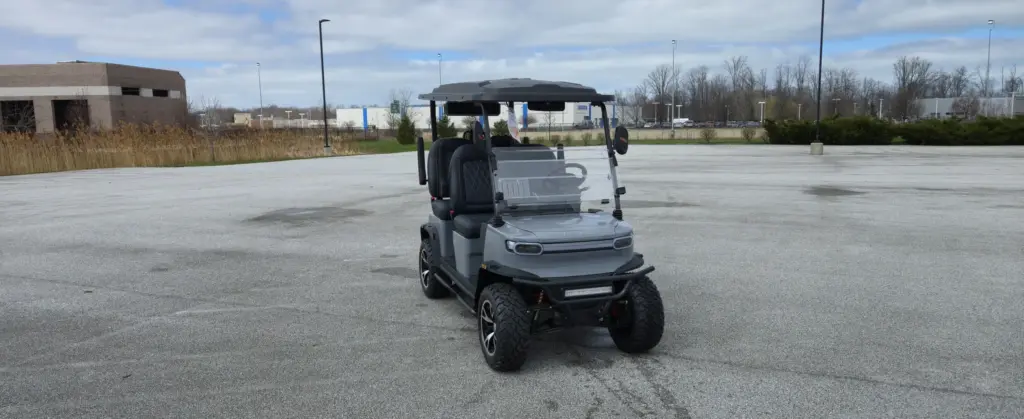
Another reason people ask what does UTV stand for in vehicles is because they frequently hear the term side-by-side used interchangeably. Side-by-side refers to the seating arrangement found in most UTVs. Unlike ATVs, which typically use a single saddle-style seat, UTVs position occupants next to each other.
This side-by-side seating layout improves passenger comfort and allows multiple occupants to travel together. Depending on the model, a UTV may accommodate two, four, or even six passengers. This design has played a major role in the popularity of UTVs among families, work crews, and outdoor enthusiasts.
UTVs Differ Significantly From ATVs
Understanding what does UTV stand for in vehicles also requires understanding how UTVs differ from ATVs. ATVs are generally designed for one rider and use handlebars for steering. UTVs use steering wheels, accelerator pedals, brake pedals, and automotive-style seating arrangements.
The additional passenger space, cargo capacity, and familiar controls make UTVs attractive to many first-time off-road vehicle buyers. While ATVs often excel on narrow trails and highly technical terrain, UTVs focus on versatility, comfort, and practical utility.
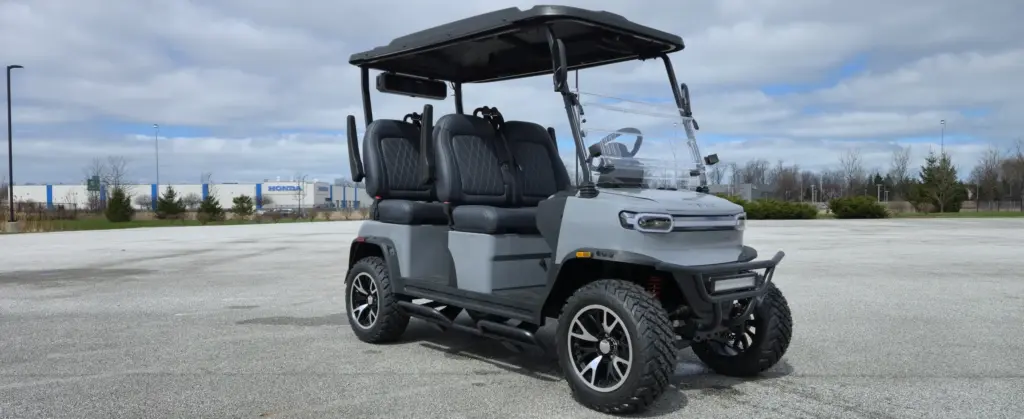
Work Applications Are A Major Reason For Their Popularity
One of the primary reasons UTVs have become so popular is their ability to perform a wide variety of work-related tasks. Farmers use them to transport tools, fencing materials, feed, and equipment. Contractors use them to move supplies around job sites. Property owners use them for maintenance and transportation across large parcels of land.
At Mentor Golf Carts & Trailers, many customers looking for practical outdoor transportation solutions explore vehicles that combine utility and durability. Work-focused utility vehicles continue attracting buyers who need reliable transportation in environments where traditional vehicles may struggle.
Individuals interested in learning more about safe off-road vehicle operation often review educational resources from the Specialty Vehicle Institute of America, which promotes safety awareness and responsible vehicle use.
UTVs Have Become Popular For Recreation Too
Although work applications remain important, recreational use is another major reason people research what does UTV stand for in vehicles. Modern UTVs are commonly used for trail riding, camping, hunting, fishing trips, and outdoor adventures. Their ability to carry passengers and equipment makes them ideal for family activities and group outings.
Many recreational riders appreciate the comfort offered by bucket seats, seat belts, roofs, windshields, and advanced suspension systems. These features allow riders to spend more time exploring trails while experiencing greater comfort than many traditional off-road vehicles provide.
Cargo Capacity Sets UTVs Apart
A defining characteristic of UTVs is their ability to carry cargo. Most models feature rear cargo beds designed to transport tools, coolers, hunting gear, firewood, feed, and other supplies. This cargo capacity is one of the main reasons the word utility appears in the name.
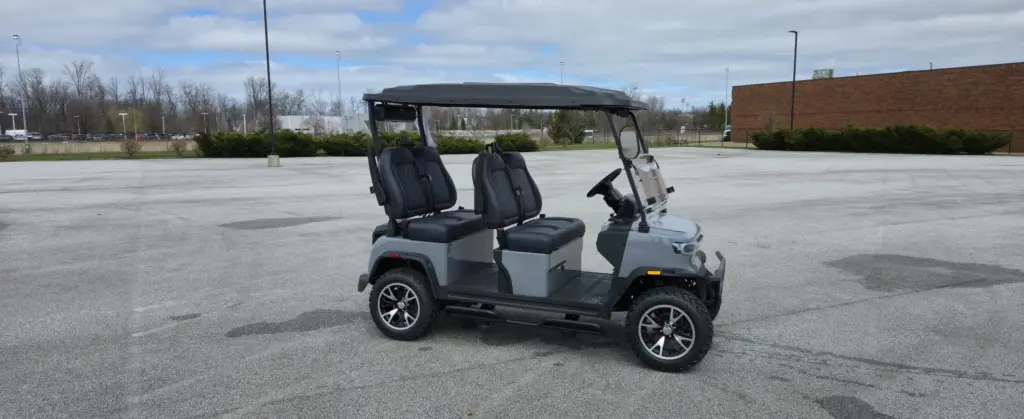
Buyers seeking vehicles capable of handling transportation and hauling responsibilities often compare different utility-focused models. For example, the Teko Turbo demonstrates how utility-oriented vehicles continue evolving to meet the needs of property owners and outdoor enthusiasts.
Modern UTVs Continue To Evolve
The answer to what does UTV stand for in vehicles has remained the same for years, but the vehicles themselves have evolved significantly. Modern UTVs feature advanced suspension systems, electronic power steering, digital displays, upgraded safety features, enclosed cab options, and improved drivetrain technology.
Manufacturers continue investing heavily in innovation because demand for versatile utility vehicles remains strong. As buyers seek machines capable of handling both work and recreation, UTVs continue becoming more sophisticated and capable.
Conclusion
Understanding what does UTV stand for in vehicles is the first step toward understanding why these machines have become so popular. UTV stands for Utility Task Vehicle, a versatile off-road vehicle designed to carry passengers, transport cargo, tow equipment, and perform a wide variety of recreational and work-related tasks. Their combination of utility, comfort, and off-road capability makes them valuable tools for farmers, contractors, hunters, property owners, and outdoor enthusiasts alike. As technology continues improving, UTVs will likely remain one of the fastest-growing segments of the off-road vehicle market. To learn more about available utility vehicles and outdoor transportation solutions, visit Mentor Golf Carts & Trailers Service Department for expert assistance and support.