
Utility Task Vehicles have become increasingly popular among farmers, hunters, contractors, landowners, and outdoor enthusiasts. As these vehicles continue growing in value and popularity, ownership documentation has become more important than ever. That is why many buyers ask do UTVs have titles before purchasing a new or used vehicle. The answer is often yes, but the exact requirements depend on state laws, vehicle classification, and how the UTV is used.
In many states, UTVs receive titles that serve as legal proof of ownership, similar to a car or truck title. Other states may rely on registration documents, manufacturer certificates of origin, or alternative ownership records. Understanding do UTVs have titles can help buyers avoid legal issues, verify ownership, obtain insurance, complete financing applications, and transfer ownership smoothly. Whether you are buying your first UTV or selling an existing one, knowing how titles work is an important part of responsible vehicle ownership.
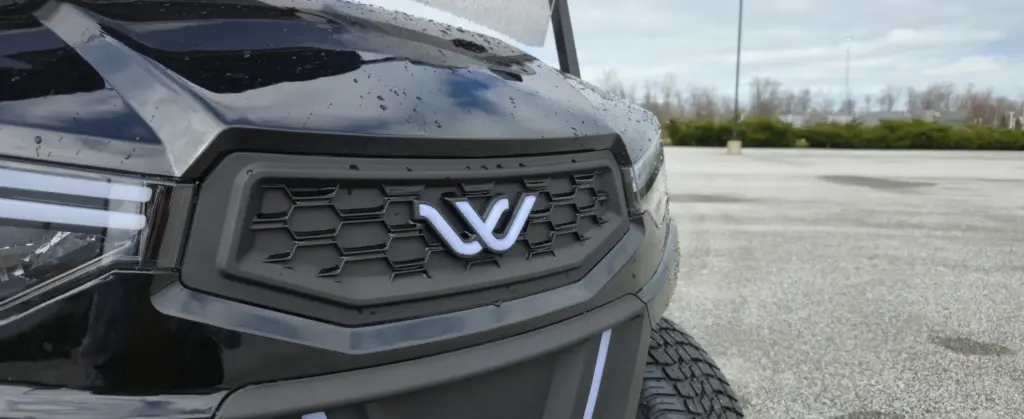
Many UTVs Receive Titles Just Like Other Vehicles
One of the most important things to understand when researching do UTVs have titles is that many states issue titles for Utility Task Vehicles. A title serves as an official ownership document issued by a state agency, usually the Department of Motor Vehicles or a similar authority. The title identifies the legal owner and includes important information such as the vehicle identification number, manufacturer, model, and ownership history. When a UTV is sold, the title is typically transferred to the new owner. This process helps create a clear record of ownership and protects buyers from fraud. States that require UTV titles generally use them to track ownership changes, prevent theft, and simplify registration procedures. Because laws vary significantly from state to state, buyers should always verify local requirements before purchasing a UTV. Understanding whether a title is required can prevent registration problems and ownership disputes in the future.
State Laws Determine Whether Titles Are Required
The reason people often receive different answers when asking do UTVs have titles is that ownership requirements vary across the country. Some states require titles for nearly every UTV, while others only require registration. In certain areas, a Manufacturer Certificate of Origin may serve as the primary ownership document instead of a traditional title. Buyers moving a UTV from one state to another may encounter different rules regarding titling and registration. These differences can affect insurance requirements, financing eligibility, and legal operation on public roads. Before purchasing any UTV, it is wise to contact local registration authorities and verify exactly what paperwork will be needed. Taking this step can prevent unexpected delays and expenses after the purchase is complete.
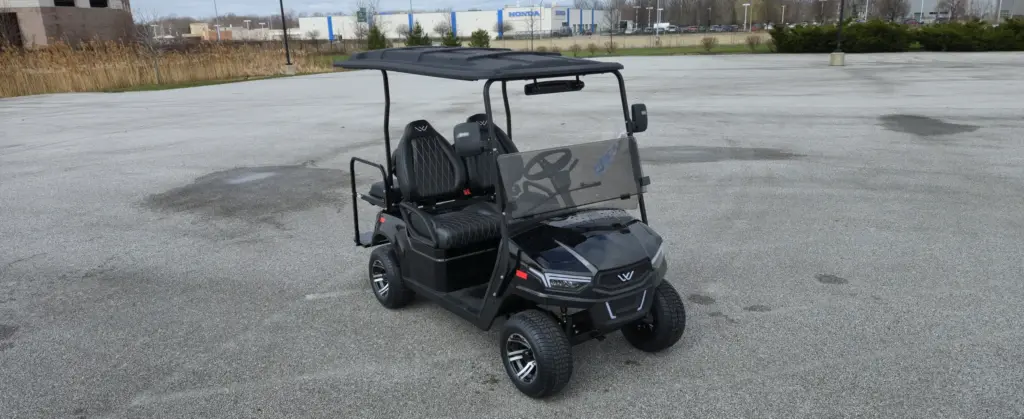
New UTVs Usually Include Manufacturer Ownership Documents
When purchasing a brand-new UTV, buyers typically receive a Manufacturer Certificate of Origin, often called an MCO or MSO. This document acts as the original ownership record before a state title is issued. Dealerships frequently use the MCO to process title applications and registration paperwork on behalf of buyers. Because the MCO establishes the vehicle’s origin, it is an extremely important document. Losing it can create complications when applying for ownership records later. Buyers should keep copies of all purchase paperwork and confirm that ownership documents are included before leaving the dealership. Proper recordkeeping simplifies future sales, insurance applications, and registration procedures. Whether a state ultimately issues a title or not, the Manufacturer Certificate of Origin remains one of the most important documents associated with a new UTV purchase.
Titles Protect Buyers And Sellers
One major reason titles exist is to protect both buyers and sellers during ownership transfers. When discussing do UTVs have titles, it is important to understand how titles help verify legitimate ownership. A title demonstrates that the seller has the legal right to transfer the vehicle. Buyers can review the title to confirm ownership information and ensure the vehicle is not associated with unresolved ownership disputes. Titles may also indicate whether liens exist against the vehicle, which can affect the transfer process. Without proper ownership documentation, buyers risk purchasing stolen property or encountering difficulties registering the vehicle later. Sellers benefit as well because signed title transfers provide documentation showing that ownership has changed hands. This reduces liability and creates a clear legal record of the transaction.
Individuals researching off-road vehicle ownership and safety often review information from the Recreational Off-Highway Vehicle Association to better understand responsible UTV ownership and operation.
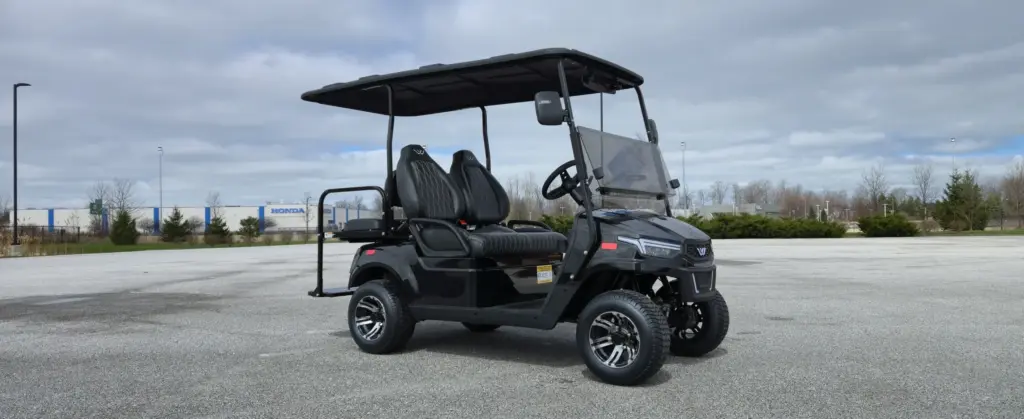
Vehicle Identification Numbers Work Together With Titles
Vehicle Identification Numbers play a critical role when discussing do UTVs have titles. Nearly every modern UTV includes a unique VIN assigned during manufacturing. This number functions like a fingerprint for the vehicle and appears on titles, registration records, insurance documents, and manufacturer paperwork. Buyers should always compare the VIN on the vehicle to the VIN listed on ownership documents before completing a purchase. Any discrepancy may indicate ownership problems or documentation errors. Law enforcement agencies, insurance providers, and state agencies use VINs to verify ownership and track stolen vehicles. Accurate VIN records help simplify ownership transfers and support long-term vehicle identification. Whether purchasing a new or used UTV, verifying VIN accuracy should always be part of the buying process.
Insurance And Financing Often Require Ownership Documentation
Another reason people search do UTVs have titles is because insurance companies and lenders frequently request ownership documents before providing services. A title serves as proof that the applicant owns the vehicle and has the authority to insure or finance it. Financing companies often use titles to establish collateral interests, while insurance providers rely on ownership records to issue policies accurately. Buyers who finance their UTV purchase will typically encounter title requirements during the loan process. Similarly, comprehensive insurance coverage often requires ownership verification before coverage can begin. Maintaining organized records helps simplify both financing and insurance applications. Owners who keep titles, registration records, and purchase documentation readily available often experience fewer delays and complications when dealing with lenders or insurers.
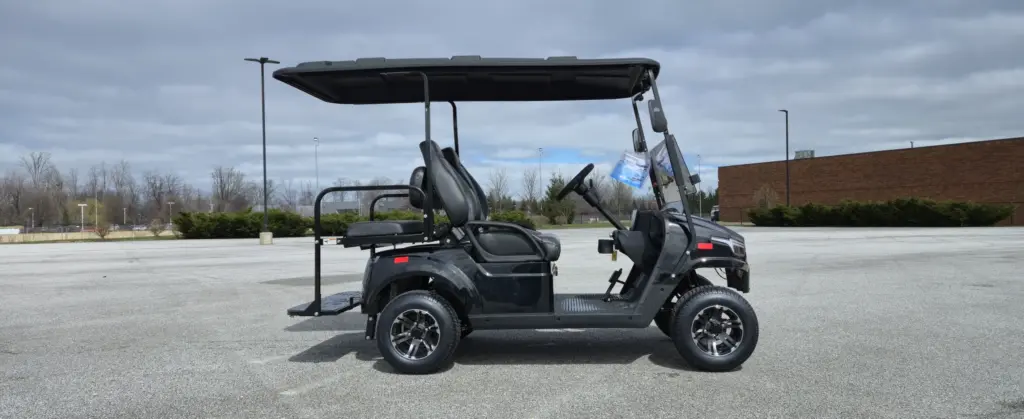
Used UTV Purchases Require Extra Attention
Buying a used UTV can provide excellent value, but it also requires additional caution regarding ownership documentation. One of the biggest reasons people ask do UTVs have titles is because used vehicle transactions sometimes involve missing paperwork. Buyers should never assume ownership documents exist simply because a seller claims to own the vehicle. Reviewing titles, bills of sale, registration certificates, and VIN records helps confirm ownership legitimacy. Missing documentation can create significant challenges when registering or insuring the vehicle later. Buyers should also verify that any outstanding liens have been satisfied before completing the purchase. Taking time to review paperwork carefully helps protect against fraud and reduces the likelihood of ownership disputes after the transaction is complete.
Utility Vehicles Continue Growing In Popularity
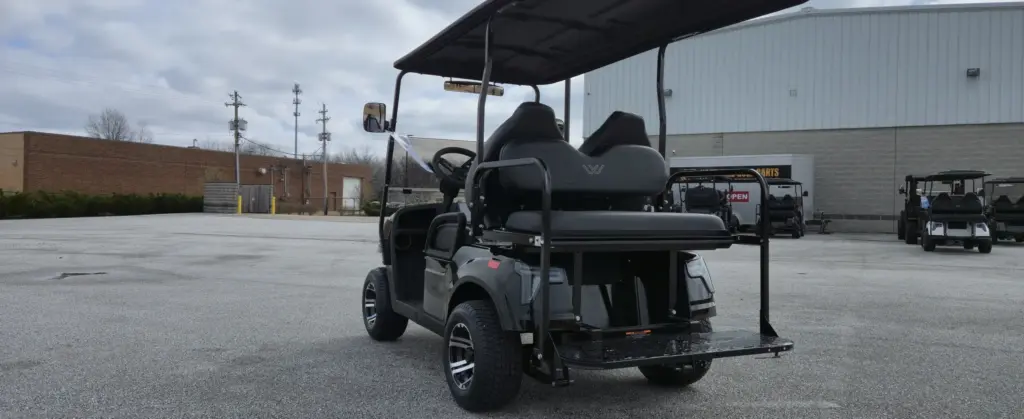
The increasing popularity of UTVs is one reason ownership documentation has become more important. Modern utility vehicles are capable of performing tasks that once required multiple machines. Farmers, ranchers, property owners, hunters, contractors, and recreational users all rely on UTVs for transportation and work applications. Buyers researching dependable utility vehicles often explore options such as the Landmaster Classic N6 because of its ability to combine cargo hauling, passenger transportation, and off-road capability. As UTV values continue increasing, maintaining proper ownership records becomes even more important. Titles, registration documents, and supporting paperwork help protect these investments while simplifying future sales and ownership transfers.
Conclusion
The answer to do UTVs have titles depends largely on state laws, vehicle classification, and registration requirements, but many UTVs do receive titles that serve as official proof of ownership. These documents help verify ownership, support registration, simplify insurance applications, and facilitate financing transactions. Buyers should always review ownership paperwork carefully before purchasing a used UTV and verify VIN numbers against official records. Proper documentation protects both buyers and sellers while reducing the risk of legal complications. As UTV ownership continues growing, maintaining accurate records becomes increasingly important. For more information about utility vehicles and available inventory, visit Mentor Golf Carts & Trailers and speak with knowledgeable professionals who can help you find the right vehicle for your needs.