
Off-road vehicles have become increasingly popular for recreation, farming, hunting, property maintenance, and outdoor adventures. Among the many vehicle types available today, Utility Task Vehicles continue to experience significant growth because of their versatility and practical design. This popularity explains why many buyers search what does UTV mean before purchasing an off-road vehicle. UTV stands for Utility Task Vehicle, although some manufacturers and organizations also use the term Utility Terrain Vehicle. Unlike traditional ATVs, UTVs are designed with side-by-side seating, steering wheels, seat belts, and cargo-carrying capabilities. They combine the off-road performance of recreational vehicles with many of the practical features found in work vehicles.
Understanding what does UTV mean helps buyers determine whether these machines are suitable for their intended use. Whether transporting equipment across a farm, carrying passengers on trails, or supporting outdoor work projects, UTVs have become one of the most versatile vehicle categories available today.
What Does UTV Mean In The Automotive World?
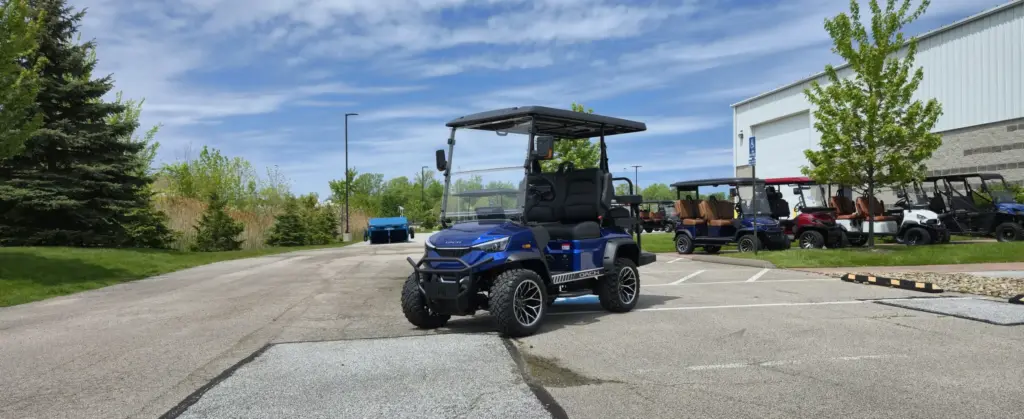
The simplest answer to what does UTV mean is Utility Task Vehicle. The term describes a class of off-road vehicles designed to perform a wide variety of tasks while carrying passengers and cargo. Unlike passenger cars or trucks, UTVs are specifically engineered to operate on rough terrain, trails, farms, construction sites, hunting properties, and recreational areas. Manufacturers developed these vehicles to provide greater utility than traditional ATVs while maintaining excellent off-road capability.
UTVs typically feature side-by-side seating arrangements, which is one reason they are often called side-by-sides. Drivers operate them using a steering wheel, accelerator pedal, and brake pedal similar to a car. This familiar control layout makes them easier for many people to learn compared to ATV riding. Their combination of comfort, utility, and off-road performance has helped drive their popularity among both recreational and commercial users.
How UTVs Differ From ATVs
One reason people frequently ask what does UTV mean is because they want to understand how these vehicles differ from ATVs. While both vehicle types are designed for off-road use, their layouts and intended applications are quite different. ATVs generally use handlebars for steering and are designed primarily for a single rider. UTVs, by contrast, provide side-by-side seating and often accommodate multiple passengers.
UTVs also tend to offer larger cargo areas and greater towing capacity. These features make them particularly useful for work applications such as farming, landscaping, property management, and construction. While ATVs excel in maneuverability and narrow trail access, UTVs provide additional comfort, utility, and passenger capacity that many owners find valuable.
UTVs Are Built For Work And Recreation
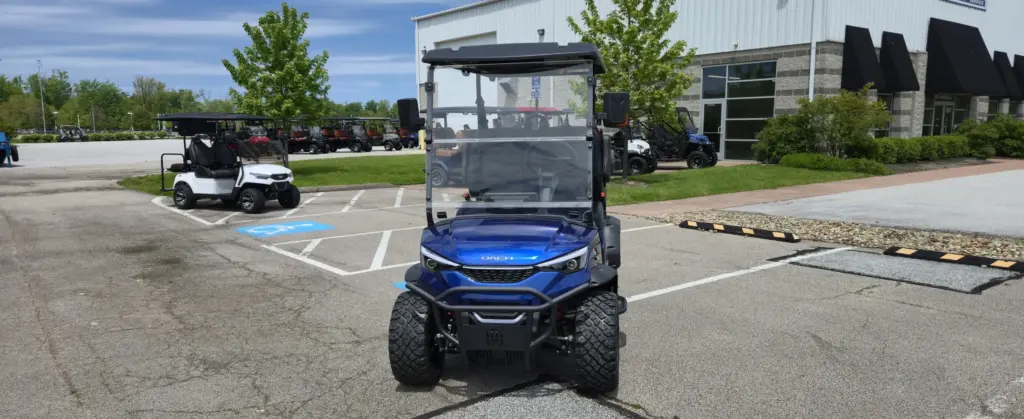
A major part of understanding what does UTV mean involves recognizing the wide range of tasks these vehicles can perform. Many UTV owners use their vehicles for both work and recreation, allowing a single machine to serve multiple purposes. Farmers may use a UTV during the workday to transport tools and supplies, then use the same vehicle for recreational riding later.
This versatility has helped expand the UTV market significantly. Hunters use UTVs to access remote locations and transport gear. Campers use them to move equipment around campsites. Property owners use them for maintenance tasks across large areas. The ability to perform both practical and recreational functions is one of the biggest reasons UTVs continue growing in popularity.
Passenger Capacity Is One Of Their Biggest Advantages
Another important answer to what does UTV mean involves passenger transportation. Most ATVs are designed for one rider, while many UTVs can comfortably carry two, four, or even six occupants. This makes them attractive to families, work crews, hunting groups, and outdoor enthusiasts who need to transport multiple people safely.
Passenger comfort is also a major consideration. UTVs often include bucket seats, seat belts, rollover protection structures, and ample legroom. These features provide a more comfortable experience during long rides and demanding workdays. For many buyers, the ability to carry passengers safely and comfortably is one of the primary reasons for choosing a UTV over an ATV.
Individuals researching safe UTV ownership and operation often review information provided by the Recreational Off-Highway Vehicle Association to better understand operating practices and safety recommendations.
Modern UTVs Include Advanced Technology
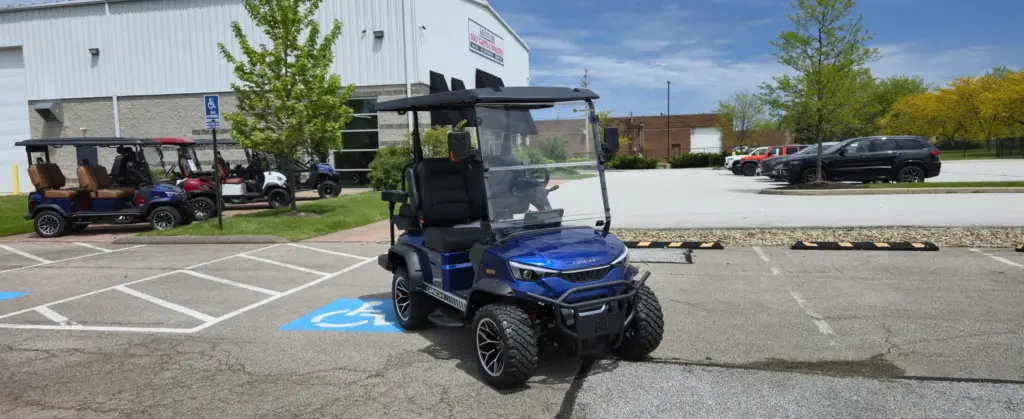
The answer to what does UTV mean has evolved over time because modern UTVs now include features that were once available only in automobiles. Many current models offer power steering, electronic fuel injection, digital displays, advanced suspension systems, enclosed cabs, heating systems, and sophisticated drivetrain technology.
Manufacturers continue improving comfort and convenience because buyers increasingly use UTVs for extended periods. These advancements allow owners to travel farther, work more efficiently, and enjoy a more comfortable riding experience. As technology continues evolving, the capabilities of modern UTVs continue expanding well beyond their original utility-focused roots.
UTVs Provide Impressive Cargo And Towing Capability
Towing capability further increases their usefulness. Depending on the model, many UTVs can pull trailers, utility carts, landscaping equipment, and agricultural implements. Buyers looking for a dependable utility vehicle can explore the available UTV inventory to compare models with the cargo capacity, towing capability, and passenger seating needed for work, recreation, and property management.
Common Industries That Use UTVs
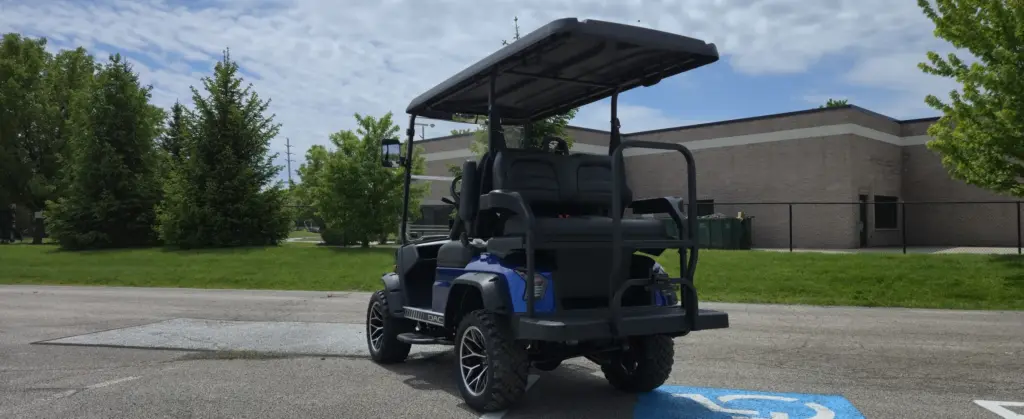
Understanding what does UTV mean also involves recognizing how widely these vehicles are used across different industries. Agriculture remains one of the largest markets because farmers rely on UTVs for daily transportation, equipment movement, and property inspections. Construction companies often use UTVs to move workers and supplies around large job sites.
Landscaping businesses, hunting operations, parks departments, resorts, and maintenance crews also use UTVs regularly. Their ability to operate efficiently in locations where traditional vehicles struggle makes them valuable tools for many organizations. This widespread adoption demonstrates the practical advantages UTVs offer across numerous professional applications.
Why UTV Popularity Continues To Grow
The increasing popularity of UTVs is driven by their ability to serve multiple purposes while remaining relatively easy to operate. Buyers appreciate having one vehicle capable of transporting passengers, carrying cargo, towing equipment, and navigating difficult terrain. These capabilities reduce the need for separate recreational and utility vehicles.
Manufacturers continue introducing new models with improved performance, comfort, and technology, further expanding the appeal of the UTV market. As more buyers discover the benefits these vehicles provide, demand is expected to remain strong for years to come.
Conclusion
The answer to what does UTV mean is Utility Task Vehicle, a highly versatile off-road vehicle designed to carry passengers, transport cargo, tow equipment, and perform a wide range of recreational and work-related tasks. UTVs differ from ATVs through their side-by-side seating, steering wheel controls, increased passenger capacity, and enhanced utility features. Their combination of comfort, capability, and practicality has made them popular among farmers, hunters, contractors, property owners, and outdoor enthusiasts. Whether used for work, recreation, or both, UTVs continue to provide valuable transportation solutions across many industries. To learn more about utility vehicles and available inventory, visit Mentor Golf Carts & Trailers and speak with experienced professionals today.