
Many buyers do not think about golf cart width until they try fitting a cart into a garage, trailer, gated path, or tight storage area. That is usually when people start searching how wide is a golf cart before making a purchase. The average golf cart is typically around 48 inches wide, but the actual width can change depending on seating capacity, lifted suspension, tire upgrades, and custom accessories. Some carts remain compact enough for narrow pathways and standard trailers, while others become significantly wider after modifications. Understanding golf cart width before buying can help owners avoid transportation problems, storage issues, and expensive sizing mistakes later.
Standard Golf Cart Width Measurements
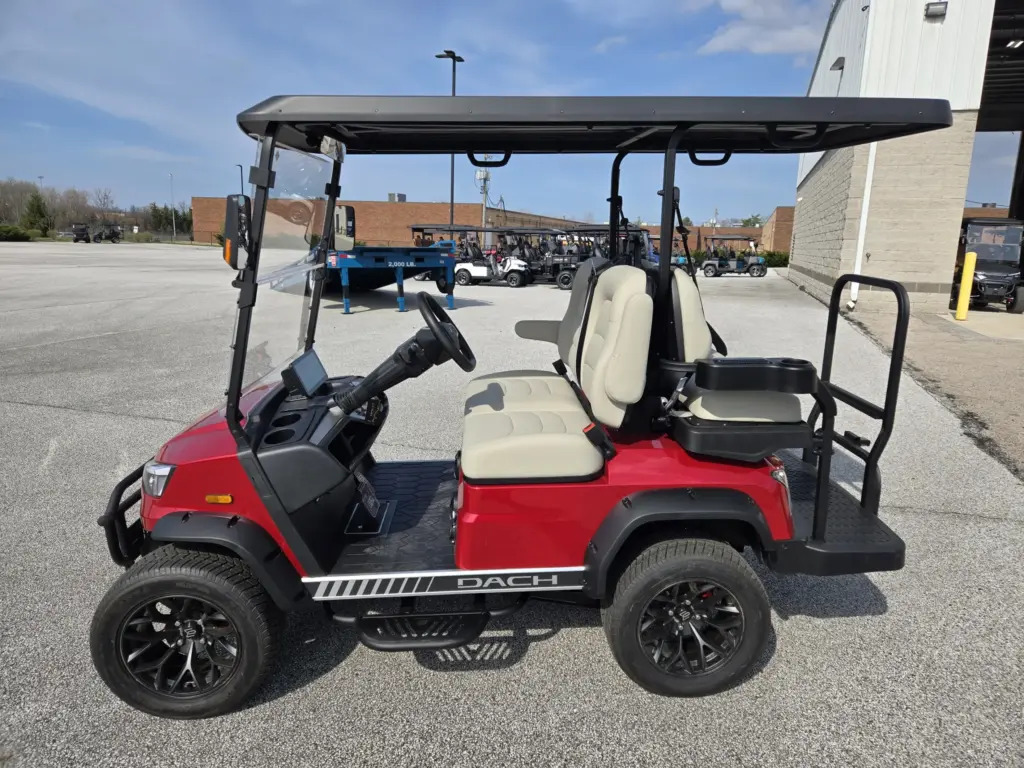
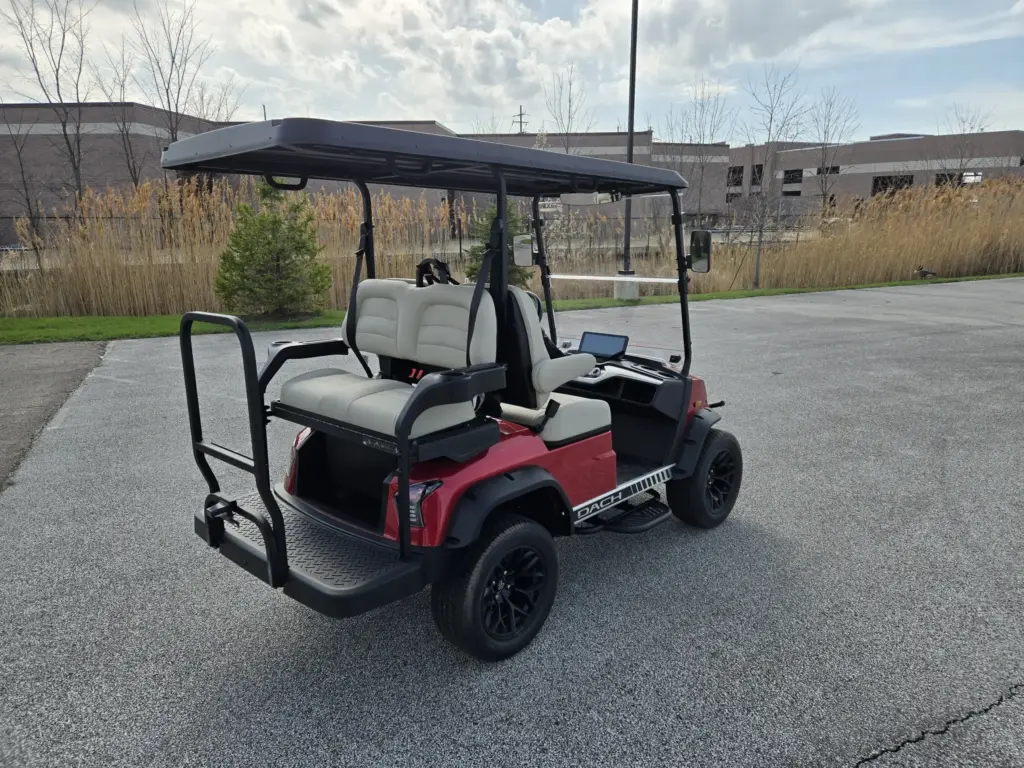
The most common answer to how wide is a golf cart is approximately 48 inches for a standard two-passenger model. This measurement usually applies to factory golf carts without oversized tires or custom wheel spacers installed. Manufacturers keep carts relatively narrow so they can navigate golf paths, neighborhood roads, storage buildings, and trailers more easily. However, exact dimensions vary slightly depending on the manufacturer and overall design. Some utility-focused carts or lifted carts may measure slightly wider due to suspension setups and larger tires. Buyers researching modern golf cart designs often compare models like the Dach Apollo Elite Explorer when evaluating passenger comfort, handling, and overall vehicle dimensions before purchasing. Knowing standard width measurements early helps buyers determine whether a cart will comfortably fit their available space.
Lifted Golf Carts Often Become Wider
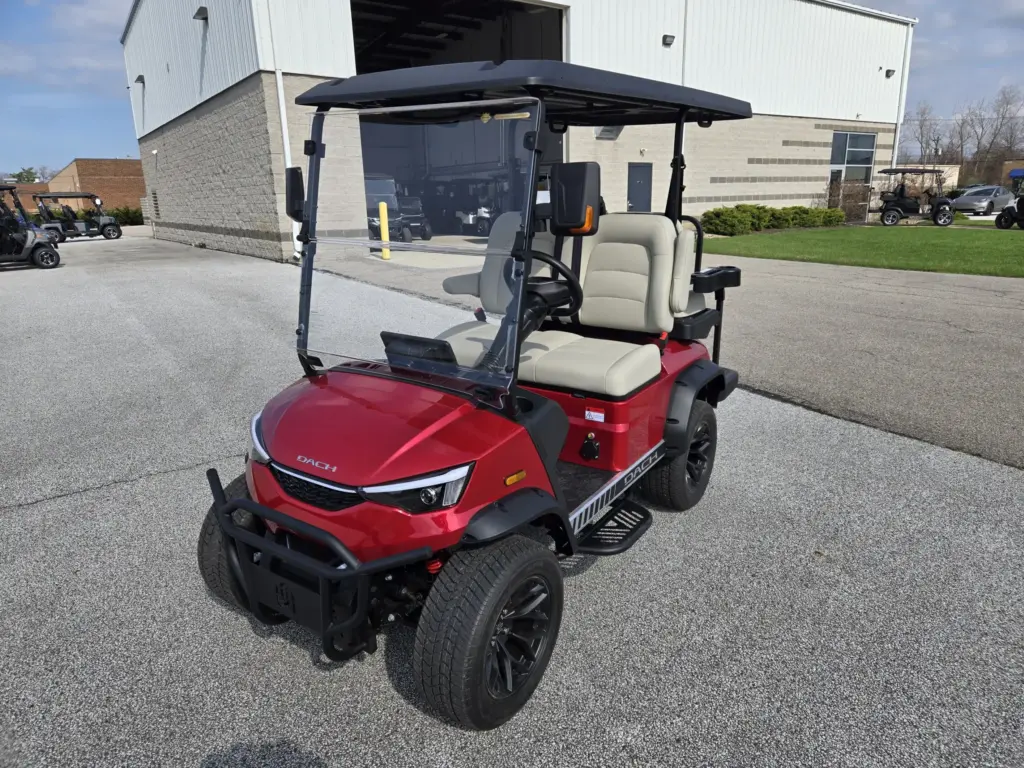
One of the biggest reasons people continue searching how wide is a golf cart is because lifted golf carts can become noticeably wider than standard models. Lift kits usually require larger tires, different wheel offsets, and wider suspension setups that slightly increase overall width. Some lifted carts also use wheel spacers that extend the tires farther outside the body for improved stability. While these upgrades improve appearance and ground clearance, they can create problems when loading carts into enclosed trailers or navigating narrow storage areas. Buyers should always measure total tire-to-tire width instead of relying only on factory body dimensions because oversized wheels can add several inches to the final measurement. Lifted carts look impressive, but their increased size requires more planning for storage and transportation.
Passenger Capacity Affects Overall Cart Size
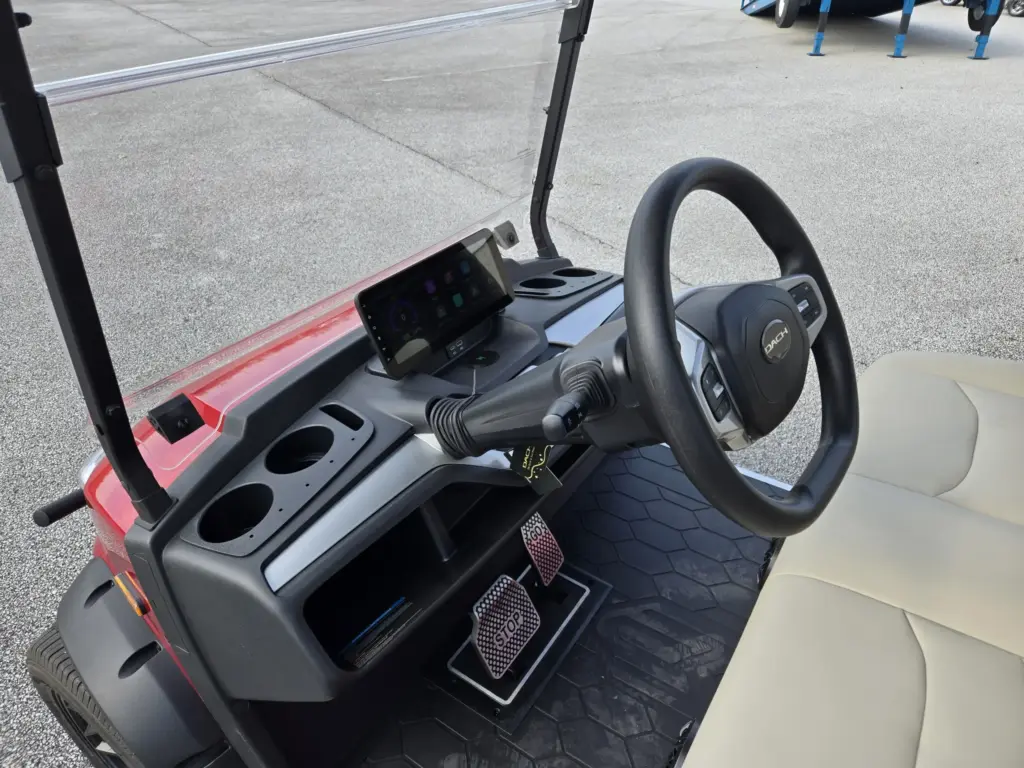
Passenger capacity also plays an important role when discussing how wide is a golf cart because larger seating layouts can slightly increase overall dimensions. Two-passenger carts are generally the most compact and maneuverable. Four-passenger and six-passenger carts often use wider seating arrangements and reinforced frames to improve passenger comfort and stability. While width increases are usually smaller than length changes, they still matter when fitting carts into garages or trailers. Buyers transporting larger groups frequently prioritize comfort over compact sizing, which explains why modern family-oriented carts continue growing slightly in width compared to older golf-course-only models. Matching cart size to actual usage helps buyers avoid purchasing oversized vehicles that become difficult to store later.
Average Golf Cart Width By Cart Type
Buyers researching how wide is a golf cart often want quick comparisons between different cart styles and seating configurations. The table below shows average width measurements for several common golf cart types.
| Golf Cart Type | Average Width |
|---|---|
| 2 Passenger Standard Cart | 48 Inches |
| 4 Passenger Cart | 48-50 Inches |
| 6 Passenger Cart | 50-55 Inches |
| Lifted Golf Cart | 50-58 Inches |
Buyers comparing recreational vehicle dimensions and transportation setups often review sizing guidance through the U.S. Department of Energy when planning towing space, garage clearance, and trailer compatibility for larger vehicles. Actual dimensions vary depending on wheel setup, tire size, body style, and manufacturer design choices. Measuring the exact cart before purchase is always the safest approach.
Trailer Compatibility Depends On Golf Cart Width
Another major reason buyers ask how wide is a golf cart is because transportation space becomes extremely important once owners begin towing carts regularly. Standard utility trailers often fit two-passenger carts comfortably, but lifted carts with oversized tires may require wider trailer decks and additional loading clearance. Narrow trailer fenders can also create problems if tire width exceeds available loading space. Buyers should measure trailer ramp openings carefully because some golf carts fit on the deck but struggle to clear the entry width safely. Golf cart owners researching enclosed transportation options often compare trailers like the 4×6 RC Trailers Enclosed Cargo when planning secure golf cart storage and transport solutions. Choosing the correct trailer width early prevents loading frustration and unsafe towing conditions later.
Garage And Storage Space Matter More Than Buyers Expect
Many owners searching how wide is a golf cart are primarily concerned about garage or storage fitment rather than driving space. While most standard golf carts fit comfortably inside traditional garages, lifted carts and oversized passenger models can become challenging to maneuver through narrow garage openings or storage sheds. Buyers should measure not only door width but also turning clearance inside the building because some carts require additional space during parking. Storage becomes even more complicated when owners add rear cargo boxes, utility racks, or side accessories that increase total width. Taking careful measurements before purchasing helps prevent expensive storage modifications later.
Wider Golf Carts Can Improve Stability
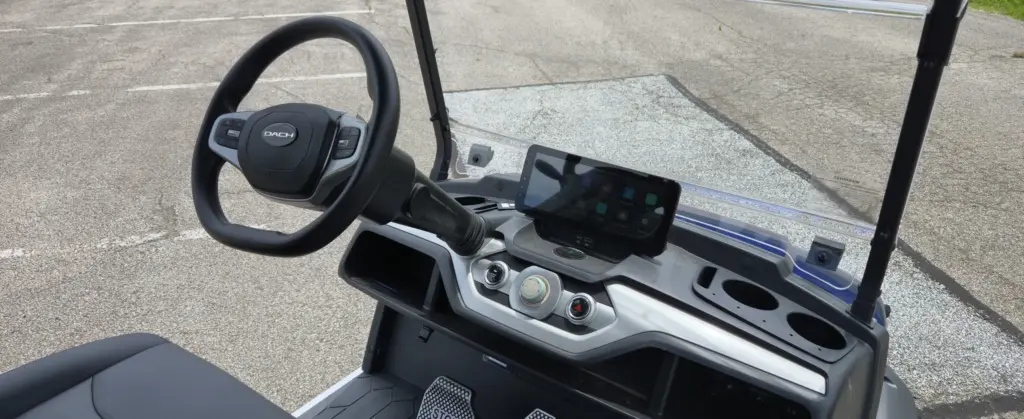
Although larger width creates storage challenges, wider golf carts can offer certain performance advantages. Wider stances generally improve stability during turns, especially on lifted carts with higher ride heights. Some manufacturers intentionally widen suspension setups slightly to improve passenger comfort and reduce body roll on uneven terrain. Larger family-oriented carts also benefit from additional width because it creates more seating room and safer passenger spacing. However, increased width can reduce maneuverability in narrow paths or crowded storage areas. Buyers should balance comfort and stability against practicality when selecting wider golf cart models.
Modern Golf Cart Designs Continue Expanding
The answer to how wide is a golf cart continues evolving because golf carts are now used for much more than golf courses alone. Modern carts often function as neighborhood transportation, campground vehicles, utility carts, and family cruisers. As demand for comfort and passenger capacity grows, manufacturers continue building wider, more spacious designs with upgraded seating and enhanced features. Buyers comparing modern transportation options frequently explore models like the Whisper W3 golf carts when evaluating spacious layouts, ride comfort, and modern electric driving performance. This trend toward larger and more versatile carts explains why overall dimensions continue changing across the industry.
Conclusion
The average answer to how wide is a golf cart is around 48 inches for standard models, although lifted carts and larger passenger configurations may become noticeably wider. Tire upgrades, suspension modifications, seating capacity, and storage accessories all influence total width measurements. Buyers who carefully measure garage space, trailer dimensions, and storage areas before purchasing usually avoid expensive transportation and fitment problems later. Anyone looking for golf cart inventory, trailer solutions, or guidance on choosing the right golf cart size can Contact Mentor Golf Carts & Trailers for additional information and available model options.