
A golf cart motor can slowly lose power over time without completely failing, which often makes diagnosis confusing for many owners. That is one of the biggest reasons people search how to test a golf cart motor before replacing expensive electrical components unnecessarily. Proper motor testing usually involves checking battery voltage, inspecting wiring connections, listening for unusual noises, and using a voltmeter to verify electrical performance under load. In many situations, problems blamed on the motor are actually caused by weak batteries, damaged cables, faulty solenoids, or controller issues instead. Understanding how to test a golf cart motor helps owners identify performance problems more accurately while avoiding expensive repair mistakes.
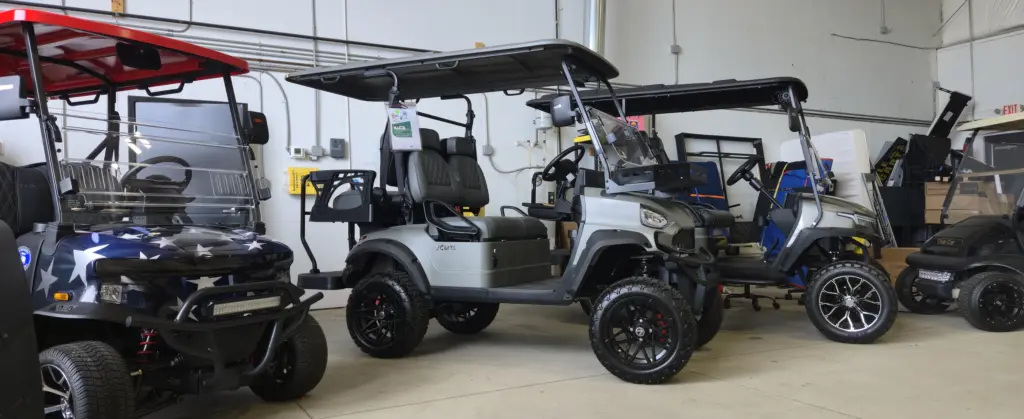
Start By Checking The Batteries First
The first step in learning how to test a golf cart motor is checking battery condition because weak batteries often create symptoms that feel like motor failure. Low voltage, damaged terminals, or poor charging performance can reduce acceleration, climbing power, and overall speed significantly. Buyers and owners should inspect batteries carefully for corrosion, loose cables, swelling, or uneven charging before testing the motor itself. Many electric golf cart performance problems begin with battery issues instead of the motor. Owners researching reliable electric transportation often compare models like the Whisper W3 when evaluating modern electric golf carts designed for smoother performance and dependable battery systems.
Inspect All Electrical Connections Carefully
Another major reason people search how to test a golf cart motor is that loose or damaged wiring can mimic serious motor problems. Owners should inspect battery cables, motor terminals, controller wiring, and solenoid connections for corrosion, burns, fraying, or loose fittings. Damaged electrical connections may interrupt power flow and reduce motor performance dramatically. Even small amounts of corrosion can create resistance that affects acceleration and overall drivability. Cleaning and tightening electrical connections sometimes restores normal performance without replacing major components.
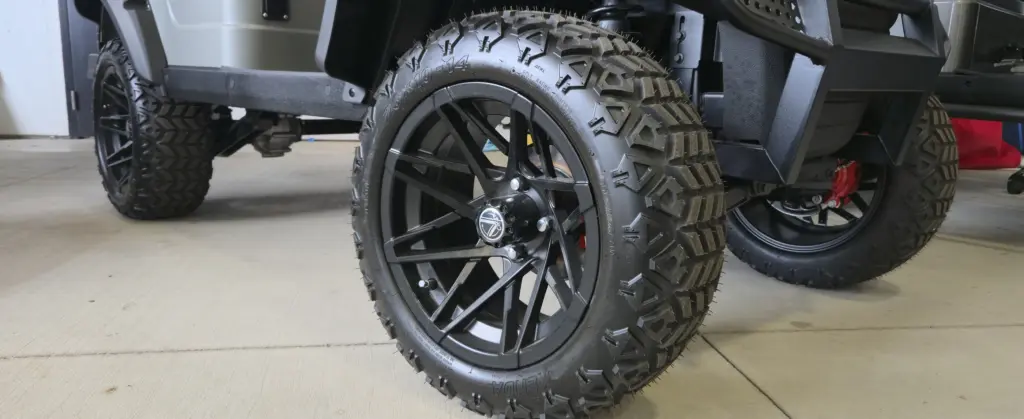
Listen For Unusual Motor Noises
One overlooked factor tied to how to test a golf cart motor is sound. Electric golf cart motors should operate relatively quietly during acceleration and driving. Grinding, whining, clicking, or loud humming noises may indicate internal motor wear, bearing problems, or electrical issues developing inside the system. Unusual sounds during acceleration or hill climbing often provide important warning signs before complete motor failure occurs. Paying attention to noise changes helps owners identify problems earlier.
Common Signs Of Golf Cart Motor Problems
Many owners researching how to test a golf cart motor want quick examples of symptoms that may indicate motor trouble. The table below highlights several common warning signs.
| Symptom | Possible Cause |
|---|---|
| Slow Acceleration | Weak batteries or motor issues |
| Loss Of Power Uphill | Motor strain or battery weakness |
| Burning Smell | Overheating electrical components |
| Clicking Without Movement | Solenoid or motor problems |
| Jerky Driving | Controller or wiring faults |
These symptoms do not always confirm motor failure, but they often indicate electrical system problems requiring inspection.
Electric vehicle owners researching motor safety and electrical troubleshooting often review information from the U.S. Department of Energy when learning about electric drivetrain systems and battery-powered transportation technology.
Use A Voltmeter During Testing
One of the most important steps in how to test a golf cart motor is using a voltmeter or multimeter to measure voltage properly. Testing voltage at the batteries, solenoid, and motor connections helps identify where electrical power may be dropping unexpectedly. Weak voltage readings during acceleration often indicate battery or wiring problems rather than direct motor failure. Owners unfamiliar with electrical testing should follow manufacturer guidelines carefully or seek professional assistance when necessary. Incorrect electrical testing may damage sensitive components.
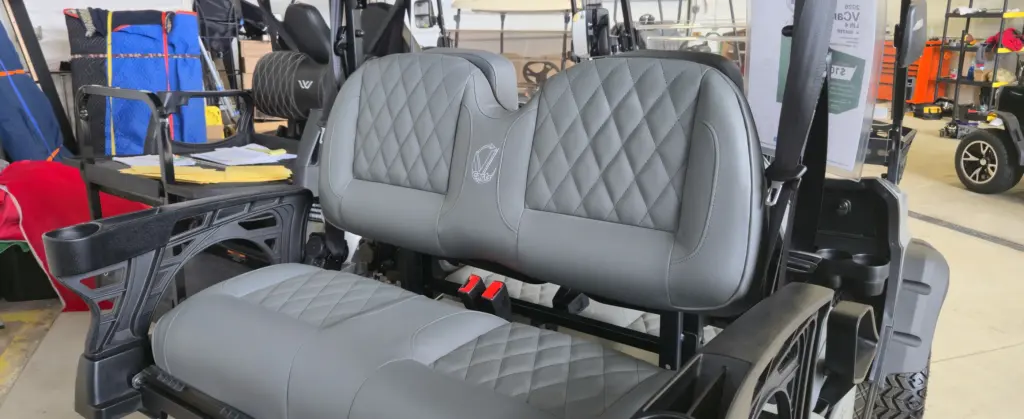
Check Motor Temperature After Driving
Another useful way to evaluate golf cart motor health is to check the motor temperature after driving. A motor that becomes extremely hot after short operation may indicate excessive strain, poor ventilation, weak batteries, or internal wear. Some warmth is normal, especially during hills or heavy loads, but excessive heat often signals developing electrical problems. Owners should never ignore overheating because continued operation may damage both the motor and the controller system.
Test Performance Under Load
Many golf cart motors perform differently under heavier passenger loads or steep terrain. Owners learning how to test a golf cart motor should drive the cart in realistic conditions instead of testing only on flat pavement. Weak hill climbing, slow acceleration with passengers, or sudden power loss during heavier use often reveals electrical problems more clearly than light driving situations. Real-world testing usually provides a more accurate picture of overall motor condition.
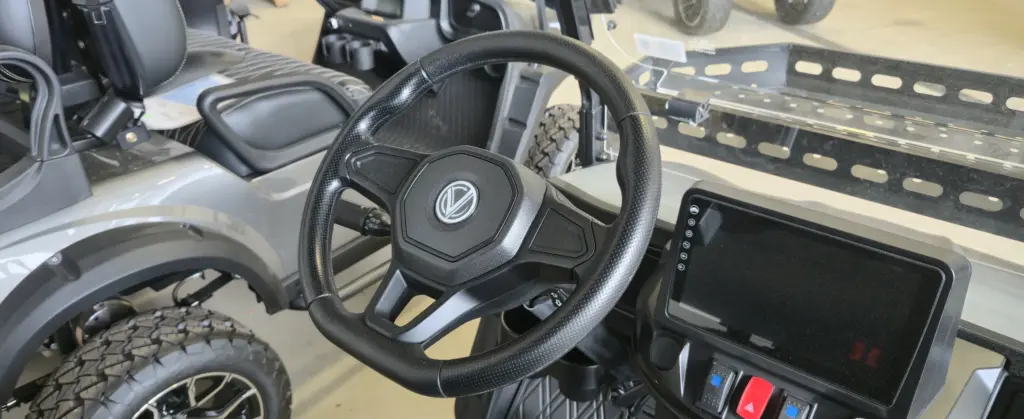
Controllers And Solenoids Can Mimic Motor Failure
One important reason people continue searching how to test a golf cart motor is that motor problems are often misdiagnosed. Faulty speed controllers, weak solenoids, damaged wiring, or worn batteries frequently create symptoms nearly identical to motor failure. Replacing the motor without diagnosing the full electrical system can become extremely expensive and may not solve the problem at all. Careful troubleshooting usually saves owners significant money and frustration.
Regular Maintenance Helps Prevent Motor Problems
Routine maintenance plays a major role in long-term motor reliability. Keeping batteries charged properly, inspecting cables regularly, cleaning terminals, and avoiding excessive overloading all help reduce strain on electric golf cart motors. Owners interested in improving long-term electric golf cart performance often review guides like How To Charge Golf Cart Batteries to better understand battery care and overall electrical system maintenance.
Professional Testing May Still Be Necessary
Some electrical problems remain difficult to diagnose without advanced testing equipment or manufacturer-specific tools. If voltage readings appear inconsistent or the golf cart continues losing power despite healthy batteries and wiring, a professional inspection may become necessary. Experienced technicians can often identify hidden controller, motor, or electrical faults much faster than basic troubleshooting alone. Early diagnosis usually prevents larger repair costs later.
Conclusion
Learning how to test a golf cart motor properly helps owners diagnose performance issues more accurately while avoiding unnecessary replacement costs. Battery condition, wiring connections, controller performance, and electrical voltage all affect how the motor operates during driving. Many problems blamed on the motor are actually caused by weak batteries, damaged cables, or faulty electrical components elsewhere in the system. Careful testing, routine maintenance, and proper troubleshooting usually improve long-term golf cart reliability significantly. Anyone looking for electric golf carts, battery guidance, or recreational transportation solutions can contact Mentor Golf Carts & Trailers for additional information and available inventory.