
Many golf cart owners assume that starting a golf cart is always simple until the cart suddenly refuses to move, makes unusual noises, or fails to respond after turning the key. That frustration is exactly why you should know how to start golf cart properly before driving a newly purchased cart, troubleshooting electrical problems, or learning how different golf cart systems operate. Most golf carts start by turning the key switch, selecting forward or reverse, and pressing the accelerator pedal, but the process can vary depending on whether the cart uses electric batteries or a gas-powered engine. Weak batteries, faulty solenoids, low fuel, and damaged safety switches can all prevent proper startup. Knowing how to start golf cart correctly helps owners avoid unnecessary mechanical problems, reduce battery strain, and improve long-term reliability during daily use.
Electric And Gas Golf Carts Start Differently
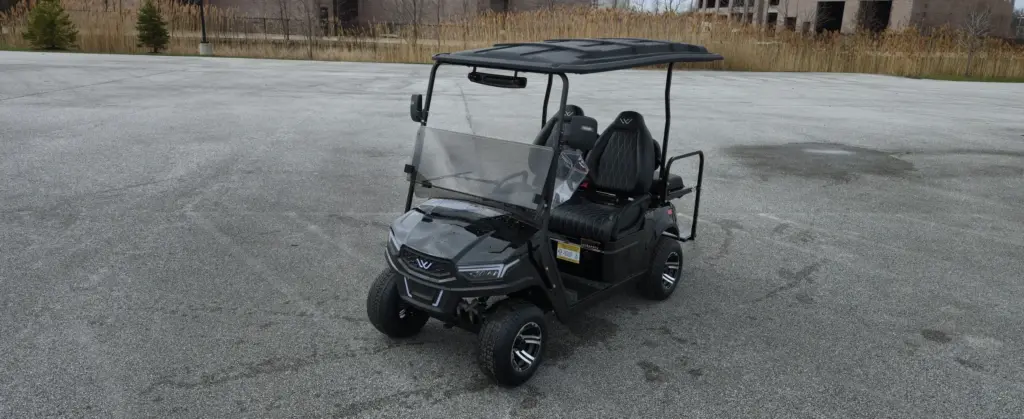
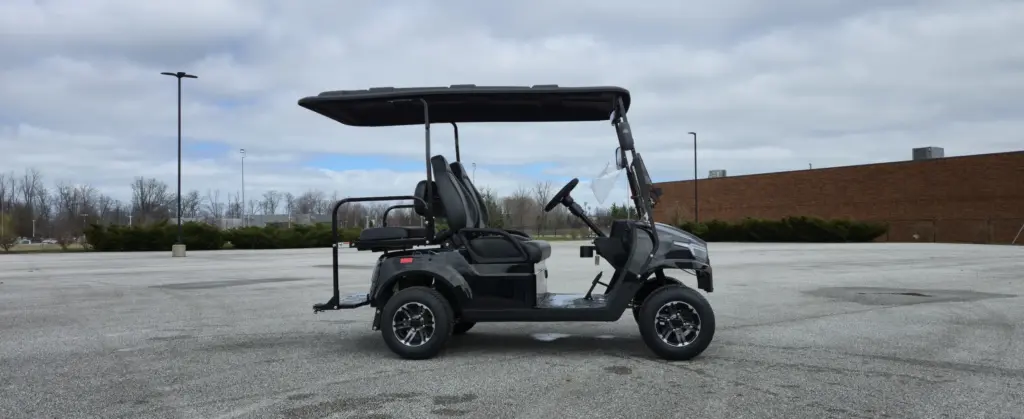
The first thing owners should understand when learning how to start golf cart models is that electric and gas carts operate very differently internally. Electric golf carts usually start quietly because they use battery-powered motors instead of combustion engines. Gas golf carts produce engine noise immediately after ignition and rely on fuel delivery systems to operate properly. Even though both types use keys and directional selectors, the startup process behind the scenes is completely different. Electric carts depend heavily on battery voltage and controller communication, while gas carts rely on fuel, spark, and engine compression. Buyers researching smooth neighborhood transportation often compare modern electric models like the VCart Lift 4 because of their quiet operation, responsive acceleration, and recreational driving comfort.
Battery Condition Is One Of The Biggest Factors
One major reason people search how to start golf cart vehicles is that battery problems are extremely common. Electric golf carts cannot operate without proper battery voltage, and even gas-powered carts still need batteries to power ignition systems and starter components. Weak batteries may prevent the cart from responding entirely, while dirty or corroded battery terminals can interrupt electrical flow. Many owners mistakenly assume the motor or ignition switch has failed when the actual issue is a poor battery condition. Regular battery inspections, clean cable connections, and proper charging habits greatly improve startup reliability and help reduce long-term electrical problems.
The Direction Selector Must Be Fully Engaged
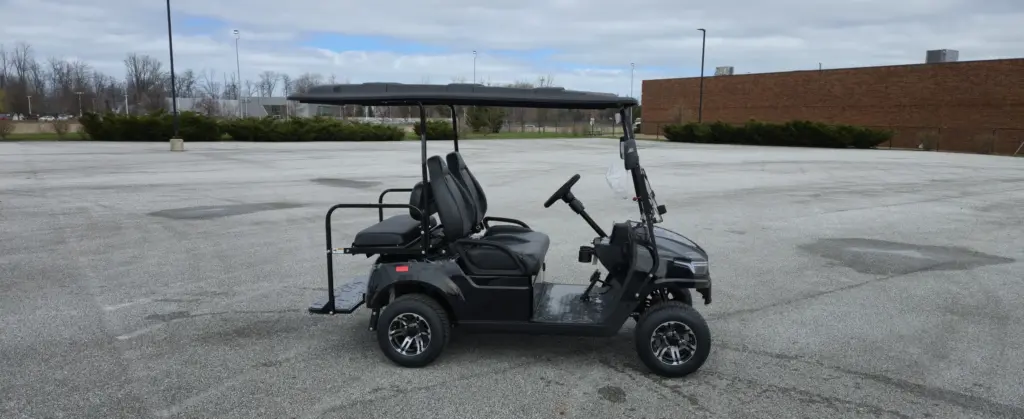
Another overlooked factor tied to how to start golf cart systems is the forward and reverse selector switch. Most golf carts require the directional selector to lock fully into either forward or reverse before movement begins. If the selector sits between positions or develops wear internally, the golf cart may fail to respond even though the batteries and key switch are functioning correctly. Some owners spend hours troubleshooting electrical systems when the actual issue is simply an improperly engaged selector switch. Checking the selector position should always be one of the first steps during startup troubleshooting.
Basic Golf Cart Starting Process
Many owners researching how to start golf cart vehicles want a simple overview of the correct startup procedure before operating an unfamiliar cart. The table below highlights the standard process used by many golf carts.
| Step | Purpose |
|---|---|
| Insert And Turn The Key | Activates electrical system |
| Select Forward Or Reverse | Chooses travel direction |
| Release Parking Brake | Allows movement safely |
| Press Accelerator Pedal | Activates motor or engine |
| Check Battery Or Fuel | Ensures proper operation |
Following these steps carefully helps reduce unnecessary troubleshooting and improves overall golf cart safety.
Golf cart owners researching proper vehicle operation and recreational driving safety often review guidance from AAA when learning about safe low-speed vehicle operation, battery care, and general transportation maintenance practices.
Gas Golf Carts Need Fuel System Maintenance
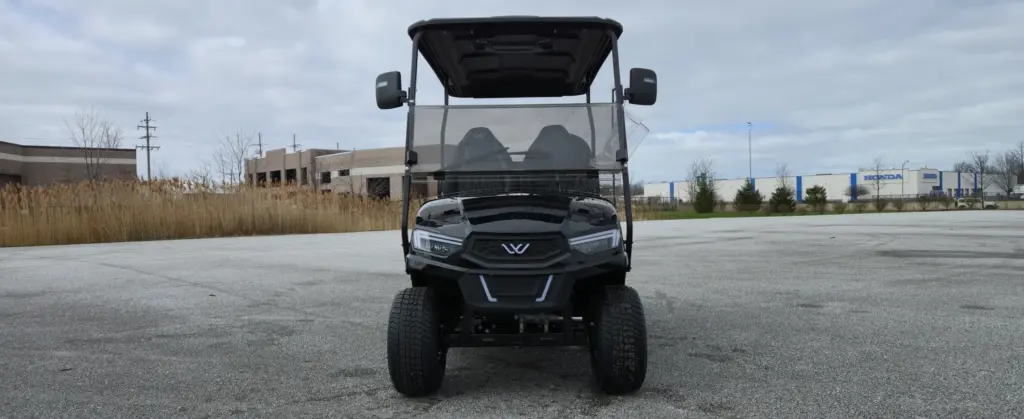
Gas-powered golf carts introduce additional startup concerns because combustion engines require proper fuel delivery and ignition timing. Old gasoline, clogged carburetors, dirty fuel filters, and worn spark plugs commonly create hard-starting problems. Golf carts left unused for extended periods often develop fuel system issues because gasoline begins degrading over time inside the carburetor and fuel lines. Routine maintenance greatly improves startup reliability and helps prevent frustrating engine problems during recreational use. Owners who maintain clean fuel systems usually experience far fewer unexpected starting failures throughout long-term ownership.
Electric Golf Carts Depend On Proper Charging Habits
Electric golf carts require healthy charging routines to maintain reliable startup performance. Batteries that remain undercharged or deeply discharged repeatedly often lose efficiency and struggle to deliver consistent power. Charging systems, battery cables, and onboard chargers all play major roles in startup reliability. Owners researching electric golf cart performance frequently review guides like How To Charge Golf Cart Batteries to better understand charging cycles, battery lifespan, and long-term electric golf cart maintenance practices.

Safety Switches Can Prevent Startup
Many modern golf carts include safety switches designed to prevent accidental movement during startup. Parking brake sensors, pedal switches, seat switches, and ignition interlocks may all interrupt startup if they malfunction or fail to engage properly. Owners unfamiliar with these systems sometimes assume the golf cart has a major electrical failure when the problem actually involves a simple safety component. Understanding these systems helps reduce unnecessary repair costs and simplifies troubleshooting considerably.
Cold Weather Can Affect Startup Performance
Temperature changes affect both gas and electric golf cart startup reliability. Cold weather reduces battery efficiency and can make electric golf carts feel sluggish during startup. Gas-powered carts may also struggle because colder temperatures make fuel ignition more difficult. Golf carts stored outside during winter often experience weaker electrical response and harder starting conditions compared to carts stored indoors. Keeping batteries charged and storing golf carts in protected environments greatly improves cold-weather reliability and overall performance.
Solenoids And Wiring Problems Are Common
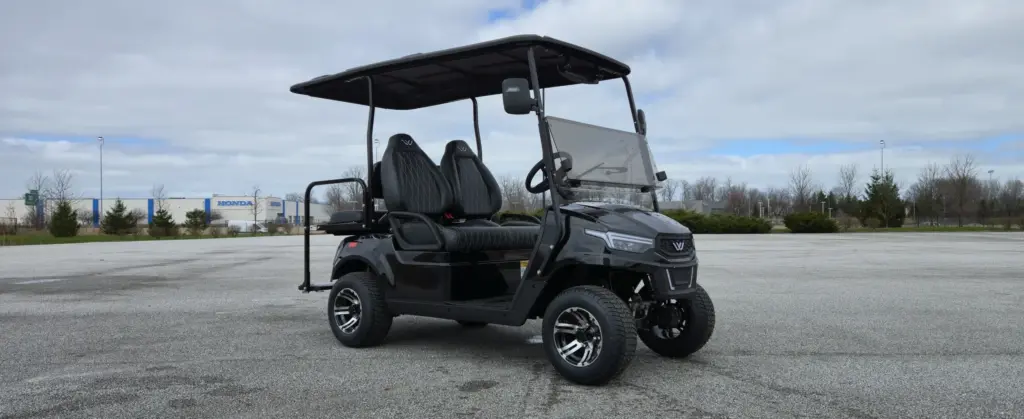
Another important reason owners search how to start golf cart vehicles is that electrical failures can interrupt startup unexpectedly. Solenoids act as electrical switches that allow current to reach the motor after pressing the accelerator pedal. Faulty solenoids, damaged wiring, loose cables, or corroded terminals may prevent the golf cart from moving even if the key switch functions correctly. Many startup problems originate from aging electrical connections rather than complete component failure. Regular electrical inspections help identify these problems before they leave the golf cart completely inoperable.
Routine Maintenance Improves Reliability
Most golf cart startup problems develop slowly because of neglected maintenance instead of sudden breakdowns. Dirty battery terminals, low water levels, worn spark plugs, weak batteries, and damaged cables all contribute to unreliable startup behavior over time. Owners who follow regular maintenance schedules usually experience far fewer startup issues during long-term ownership. Preventative maintenance also helps extend battery lifespan, improve motor performance, and reduce expensive repair costs later.
Conclusion
Learning how to start golf cart models properly involves much more than simply turning a key. Electric and gas golf carts rely on healthy batteries, properly functioning directional selectors, safe electrical systems, and regular maintenance to operate reliably. Weak batteries, dirty fuel systems, faulty safety switches, and damaged wiring are some of the most common causes of startup problems. Owners who understand how these systems work can troubleshoot issues faster and reduce unnecessary repair costs over time. Proper charging habits, routine inspections, and preventative maintenance all help improve startup reliability significantly. Anyone needing golf cart maintenance, electrical diagnostics, or professional repair assistance can visit the Service Department at Mentor Golf Carts & Trailers for additional support and expert guidance.