
Golf cart batteries are one of the most expensive components of an electric golf cart, which is why proper care is essential for maximizing performance and lifespan. Many owners search how to maintain golf cart batteries after noticing reduced driving range, slower acceleration, or longer charging times. The good news is that regular maintenance can significantly extend battery life and help avoid costly replacements. Proper charging habits, routine inspections, clean battery connections, and correct storage practices all play important roles in battery health. Whether your golf cart uses traditional lead-acid batteries or newer lithium technology, understanding how to maintain golf cart batteries can improve reliability, increase efficiency, and protect your investment for years to come.
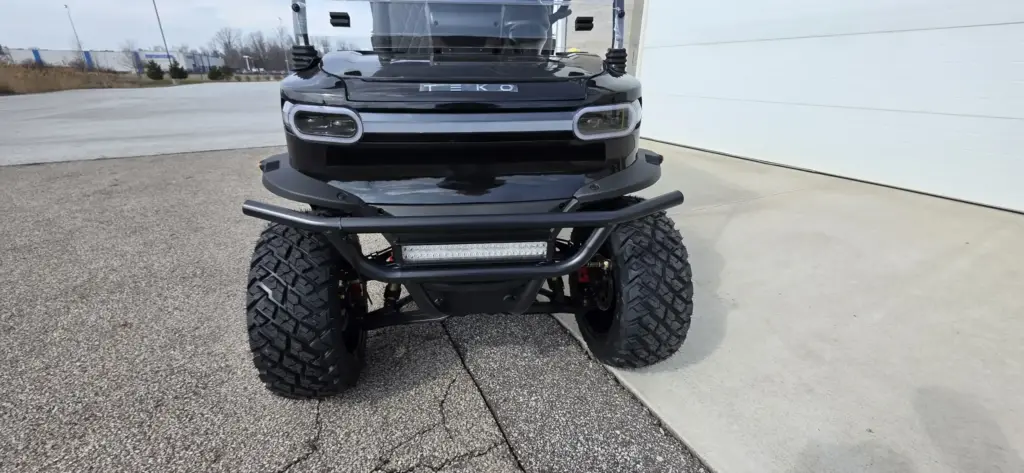
Understand The Type Of Batteries In Your Golf Cart
The first step in learning how to maintain golf cart batteries is identifying the battery type installed in your vehicle. Most electric golf carts use either lead-acid batteries or lithium batteries, and each requires a different maintenance approach. Lead-acid batteries need regular watering, terminal cleaning, and inspection to remain in good condition. Lithium batteries require far less maintenance but still benefit from proper charging and storage practices. Understanding which system powers your golf cart helps owners follow the correct maintenance schedule and avoid mistakes that could shorten battery life. Before performing any maintenance, always review manufacturer recommendations because battery care requirements can vary depending on the brand and design of the system.
Charge Batteries After Every Use
One of the most important aspects of how to maintain golf cart batteries is developing consistent charging habits. Many owners mistakenly wait until batteries are nearly depleted before recharging, but this can shorten battery lifespan over time. Most manufacturers recommend charging golf cart batteries after each use, even if the cart was only driven for a short distance. Regular charging helps maintain stable battery performance and prevents deep discharge cycles that can damage battery cells. Modern chargers are designed to stop charging automatically when the batteries reach full capacity, making routine charging both safe and convenient. Consistent charging remains one of the simplest ways to improve battery longevity.
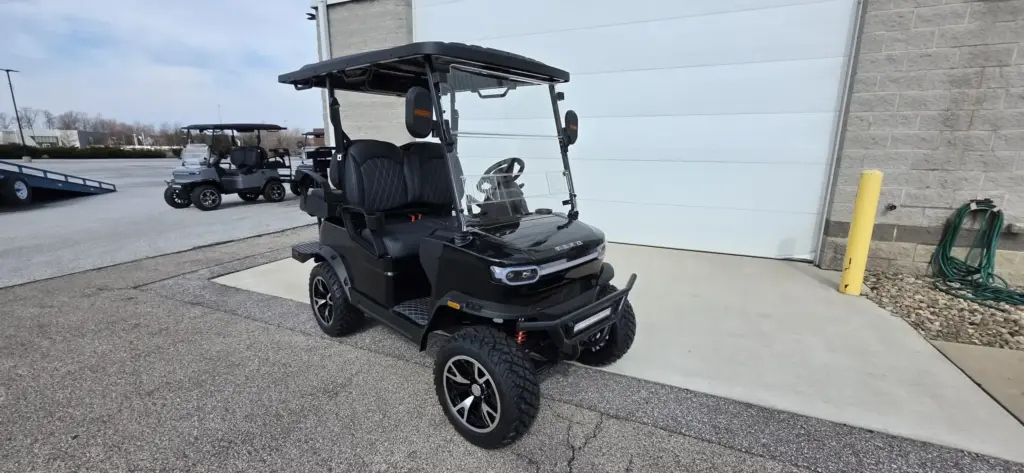
Inspect Batteries Regularly For Problems
Routine inspection is another critical part of how to maintain golf cart batteries. Owners should periodically check batteries for cracks, swelling, corrosion, loose cables, damaged terminals, and other visible signs of wear. Catching small issues early can prevent larger problems later. Corrosion around battery terminals is especially common in lead-acid systems and can interfere with charging efficiency. Inspecting battery cables and connections also helps ensure electricity flows properly throughout the system. A quick visual inspection every few weeks can often identify developing issues before they lead to expensive repairs or unexpected battery failure.
Golf Cart Battery Maintenance Checklist
| Maintenance Task | Recommended Frequency |
|---|---|
| Charge Batteries | After Every Use |
| Inspect Connections | Monthly |
| Clean Battery Terminals | Monthly |
| Check Water Levels | Monthly For Lead-Acid Batteries |
| Inspect Charger | Every Few Months |
| Test Battery Performance | Annually |
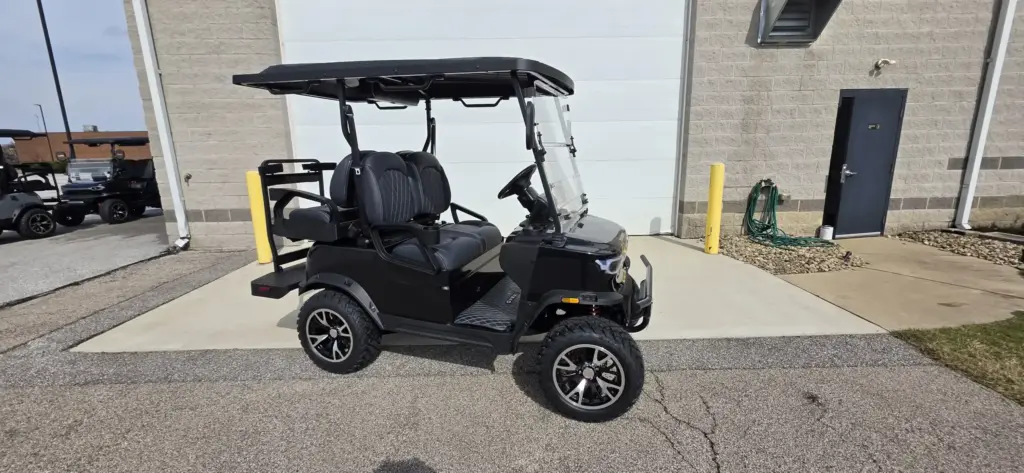
Keep Battery Terminals Clean
Cleaning battery terminals is one of the most overlooked steps in how to maintain golf cart batteries. Corrosion buildup can restrict electrical flow, reduce charging efficiency, and negatively impact overall performance. Lead-acid batteries are especially prone to corrosion around terminals and cable connections. Owners can carefully clean terminals using appropriate battery-cleaning products and protective equipment. Keeping terminals free from corrosion helps maintain consistent charging performance and reduces unnecessary strain on the electrical system. Clean connections allow the batteries to operate more efficiently while helping prevent voltage loss during operation.
Maintain Proper Water Levels In Lead Acid Batteries
For owners using traditional lead-acid batteries, water maintenance is a major part of how to maintain golf cart batteries. The electrolyte solution inside lead-acid batteries gradually evaporates during normal use and charging. If water levels become too low, internal battery plates can become exposed and suffer permanent damage. Owners should inspect water levels regularly and add distilled water as needed according to manufacturer recommendations. Overfilling should also be avoided because excess fluid can spill during charging. Maintaining proper water levels helps preserve battery capacity, improve performance, and extend overall battery life.
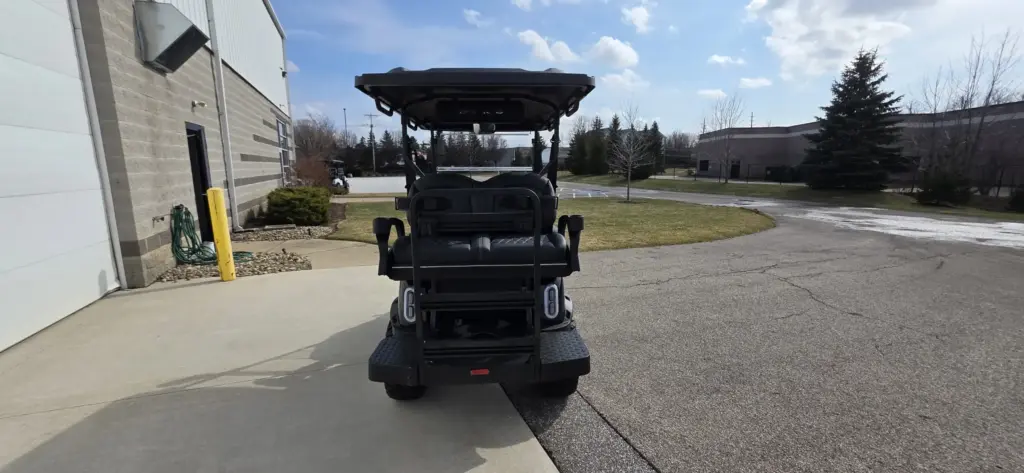
Store The Golf Cart Properly During Long Periods Of Inactivity
Many owners focus on daily maintenance but overlook storage practices when learning how to maintain golf cart batteries. Long periods of inactivity can negatively affect battery health if the golf cart is stored improperly. Batteries should remain charged during storage and should not be left completely discharged for extended periods. Climate-controlled storage areas are ideal because extreme heat and freezing temperatures can reduce battery performance and lifespan. Periodically checking battery charge levels during storage helps prevent damage and ensures the golf cart is ready when needed again.
Use The Correct Charger At All Times
Another essential part of how to maintain golf cart batteries is using the proper charger. Chargers are designed to work with specific battery voltages and battery chemistries. Using the wrong charger can result in undercharging, overcharging, or permanent battery damage. Owners should always verify charger compatibility before connecting it to the golf cart. Modern smart chargers help regulate charging automatically, making them excellent tools for maintaining battery health. Investing in a quality charger often pays dividends through improved battery performance and longer service life.
Lithium Batteries Require Less Maintenance
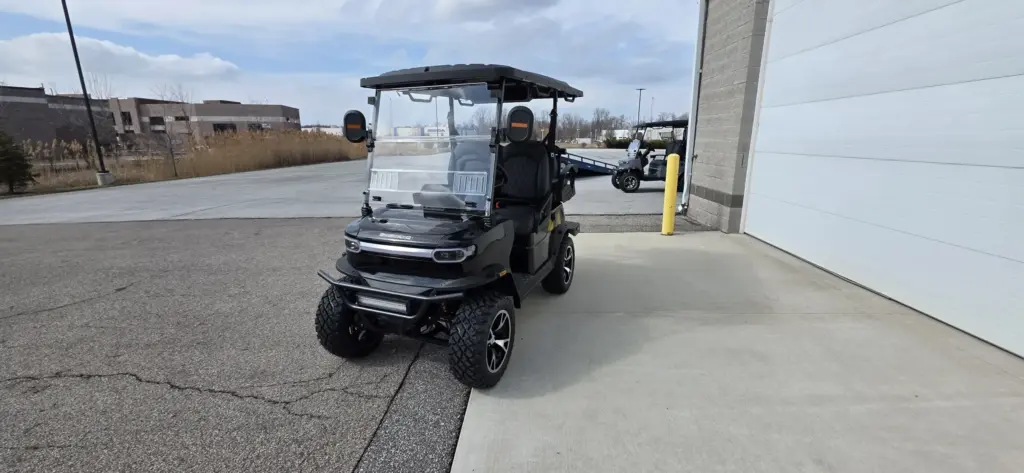
Many newer golf carts now use lithium battery technology because it dramatically reduces maintenance requirements. Unlike lead-acid batteries, lithium systems do not require watering and are generally less prone to corrosion issues. They also charge faster and often provide a longer lifespan. Buyers interested in modern electric golf carts frequently explore options like the Teko Turbo because lithium-powered systems offer convenience, efficiency, and strong long-term performance. While lithium batteries still require proper charging and storage practices, maintenance is generally much simpler compared to traditional battery systems.
Learn More About Battery Safety
Proper battery maintenance also includes understanding basic electrical and charging safety. Owners interested in learning more about battery technology and electric vehicle systems can review information provided by the U.S. Department of Energy. Following recommended safety procedures helps protect both the battery system and the owner. Safe charging practices, routine inspections, and proper maintenance all contribute to better performance and reduced risk of battery-related issues.
Conclusion
Learning how to maintain golf cart batteries is one of the best ways to extend battery life, improve performance, and reduce long-term ownership costs. Consistent charging, regular inspections, clean terminals, proper water levels, and correct storage practices all contribute to healthier batteries. Whether your golf cart uses traditional lead-acid batteries or modern lithium technology, routine maintenance can help maximize reliability and driving range. Taking a proactive approach to battery care often prevents expensive replacements and keeps the golf cart operating efficiently for years. For more information about golf carts, battery systems, and available inventory, contact Mentor Golf Carts & Trailers.