
ATVs are built for a wide variety of riding conditions, from trail riding and hunting trips to farm work and recreational adventures. Because ATV performance varies greatly between models, one of the most common questions buyers ask is how fast do ATVs go. The answer depends on several factors, including engine size, vehicle weight, tire setup, gearing, terrain conditions, and manufacturer limitations. Small youth ATVs may only reach speeds of 10 to 30 mph, while larger sport ATVs can exceed 70 mph under ideal conditions.
Utility ATVs typically balance speed with towing capability, durability, and off-road control. Understanding how fast do ATVs go helps riders choose the right machine for their needs while also promoting safer riding habits. Whether you are considering an ATV for work, recreation, hunting, or trail riding, knowing realistic speed expectations can help you make a better purchasing decision and operate the vehicle more safely.
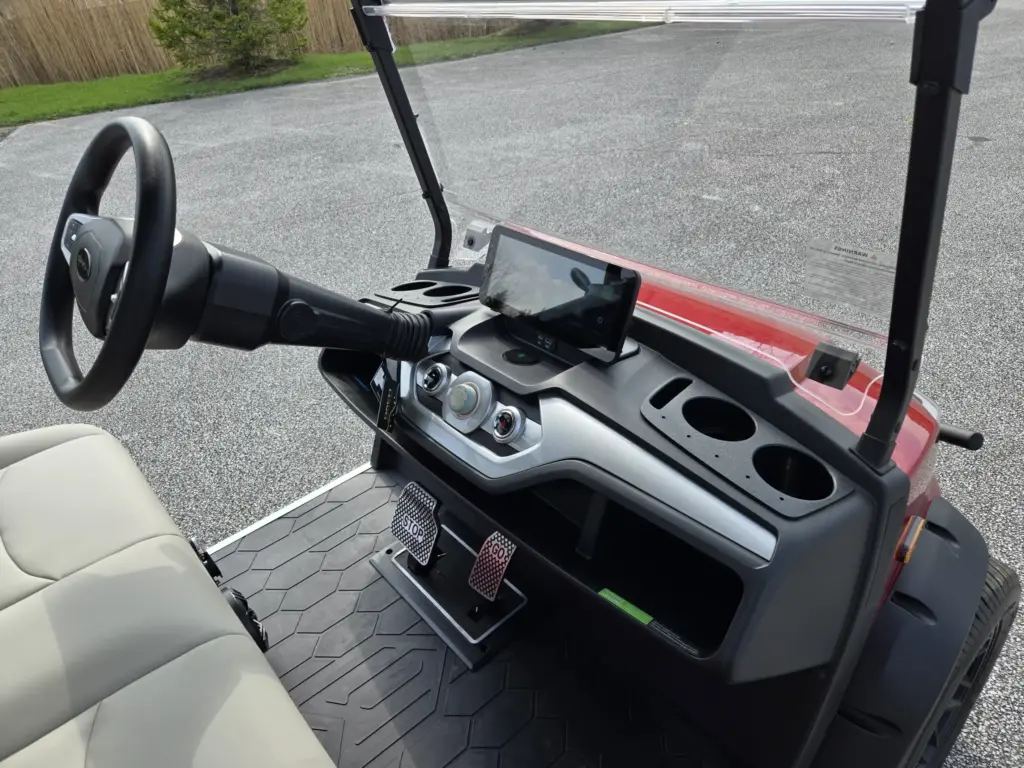
Average ATV Speeds Vary By Type
When people ask how fast do ATVs go, the first thing to understand is that not all ATVs are designed for the same purpose. Youth ATVs generally have speed limiters that keep maximum speeds relatively low for safety reasons. Utility ATVs focus on hauling, towing, and navigating rough terrain rather than achieving high speeds. Sport ATVs, on the other hand, are built for acceleration, agility, and performance. As a result, top speed can vary dramatically between different ATV categories. A small beginner ATV may reach only 15 mph, while a high-performance sport model can exceed 70 mph under the right conditions.
The intended use of the ATV plays a major role in determining speed. Manufacturers often prioritize stability, durability, and control over maximum speed because many riders use ATVs on uneven trails, hills, mud, and other challenging terrain where excessive speed can become dangerous.
Engine Size Has A Major Impact
One of the biggest factors affecting how fast do ATVs go is engine displacement. ATV engines are commonly measured in cubic centimeters, or cc. Smaller engines produce less horsepower and generally deliver lower top speeds. Larger engines generate more power, allowing higher speeds and stronger acceleration. For example, a 90cc ATV will typically travel much slower than a 700cc sport ATV.
Engine size alone does not determine speed, however. Vehicle weight, gearing, fuel delivery systems, and overall design also influence performance. Two ATVs with similar engine sizes may achieve different top speeds depending on how they are engineered and intended to be used.
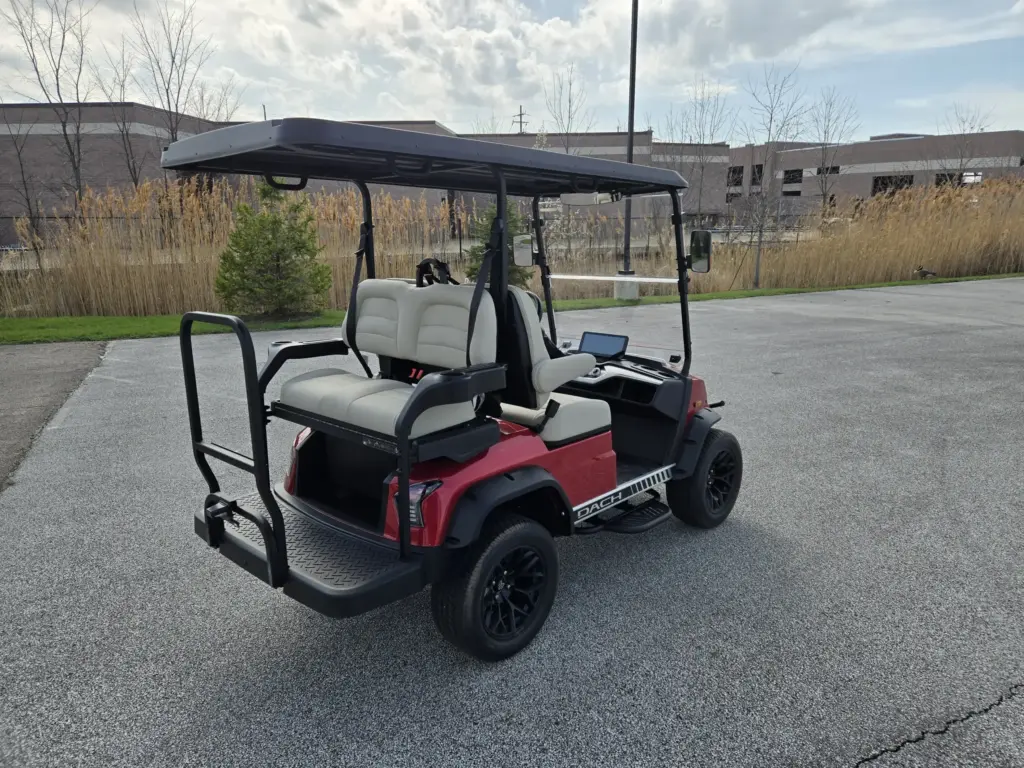
Utility ATVs Focus More On Capability Than Speed
Many utility ATV owners researching how fast do ATVs go are often surprised to learn that these machines are not designed primarily for speed. Utility ATVs prioritize towing capacity, cargo hauling, traction, and durability. Most utility models reach speeds between 45 and 65 mph, depending on engine size and terrain conditions.
While those speeds are more than sufficient for most work-related tasks, manufacturers intentionally tune many utility ATVs to provide better low-end torque instead of maximum top speed. This approach improves performance when hauling equipment, navigating rough trails, or pulling loads across farms and properties.
Sport ATVs Are Usually The Fastest
Sport ATVs are designed specifically for performance-oriented riding. These machines often feature lightweight frames, aggressive suspension systems, and powerful engines that allow rapid acceleration and higher top speeds. Riders looking for excitement frequently choose sport ATVs because they deliver a more dynamic riding experience than utility-focused models.
Many modern sport ATVs can exceed 70 mph under ideal conditions. However, reaching those speeds requires suitable terrain, proper maintenance, and experienced riders. Speed should always be balanced with safety because rough terrain and unexpected obstacles can make high-speed riding extremely risky. Riders interested in ATV safety recommendations can find valuable information through the ATV Safety Institute, which provides educational resources for responsible ATV operation and rider training.
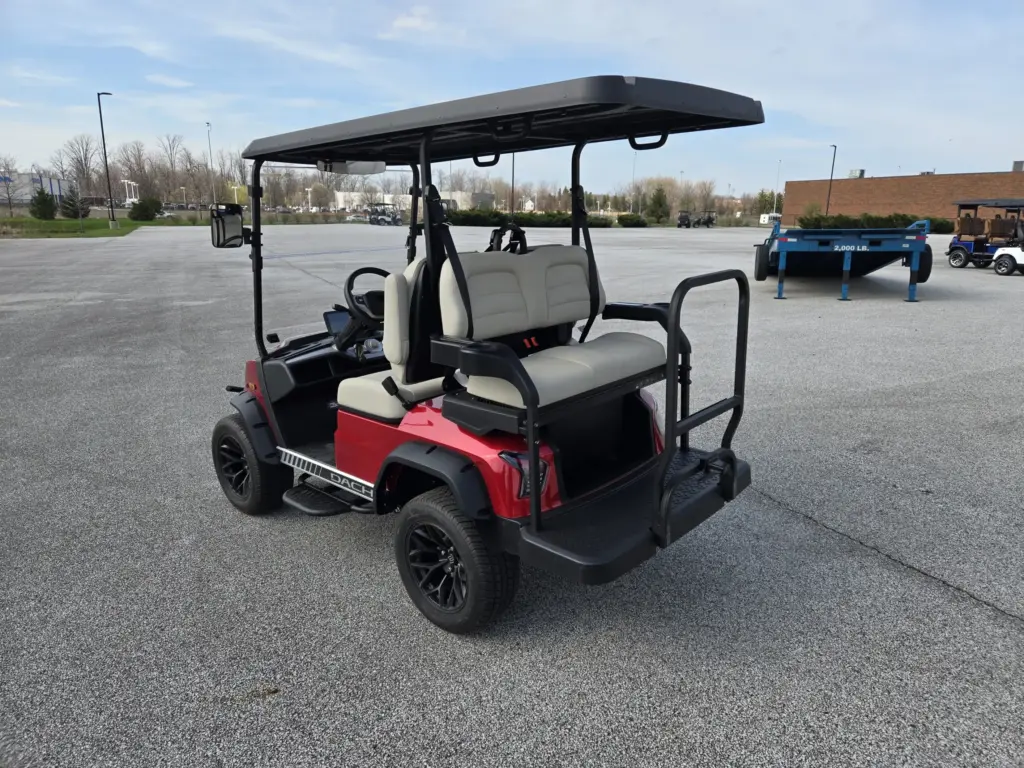
Terrain Affects Real-World Speed
Even though manufacturers advertise certain top speeds, actual riding conditions often determine how fast do ATVs go in practice. Smooth, flat terrain allows riders to approach maximum speed more easily than rocky trails, mud, sand, steep hills, or heavily wooded areas. Rough terrain naturally requires slower speeds to maintain control and reduce the risk of accidents.
Weather conditions can also influence ATV performance. Wet surfaces, loose gravel, snow, and mud often require reduced speeds for safe operation. Riders who prioritize control over top speed typically enjoy safer and more predictable off-road experiences.
Modifications Can Increase Speed
Some ATV owners modify their machines to improve performance. Changes such as upgraded exhaust systems, performance air filters, tuning adjustments, and larger engines may increase acceleration and top speed. However, modifications can also place additional stress on drivetrain components and may affect reliability if not performed properly.
Before making performance upgrades, owners should carefully consider safety, warranty implications, and local regulations. Increasing speed without improving braking and handling systems may create additional risks during operation.
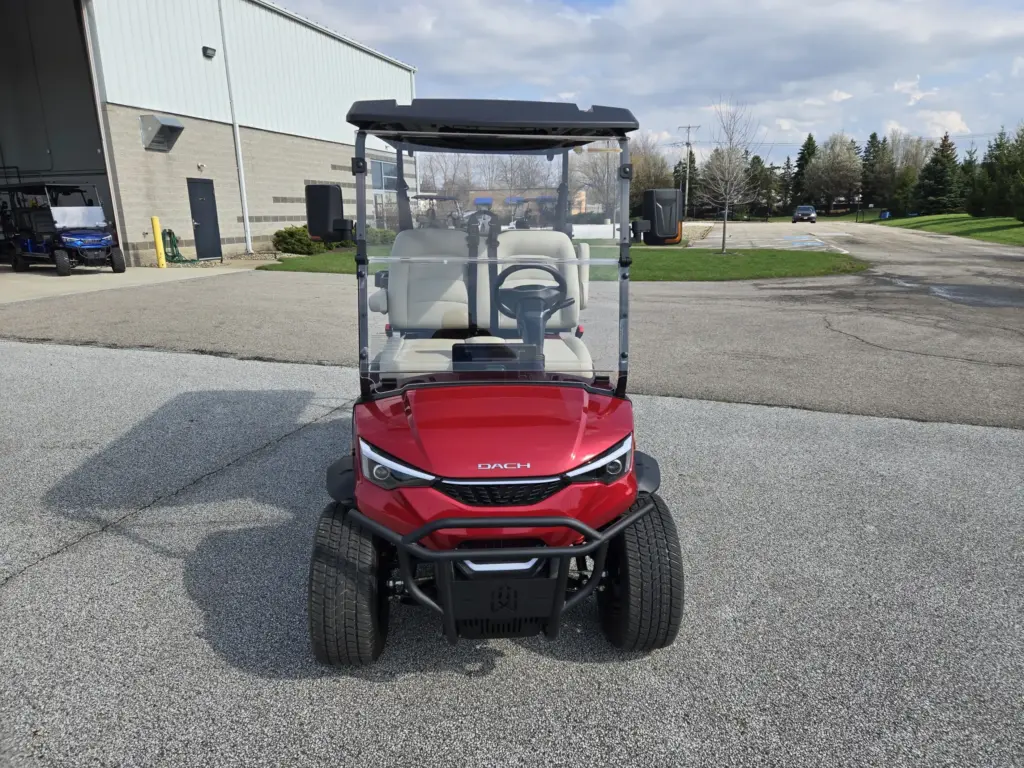
Many Buyers Compare ATVs With Utility Vehicles
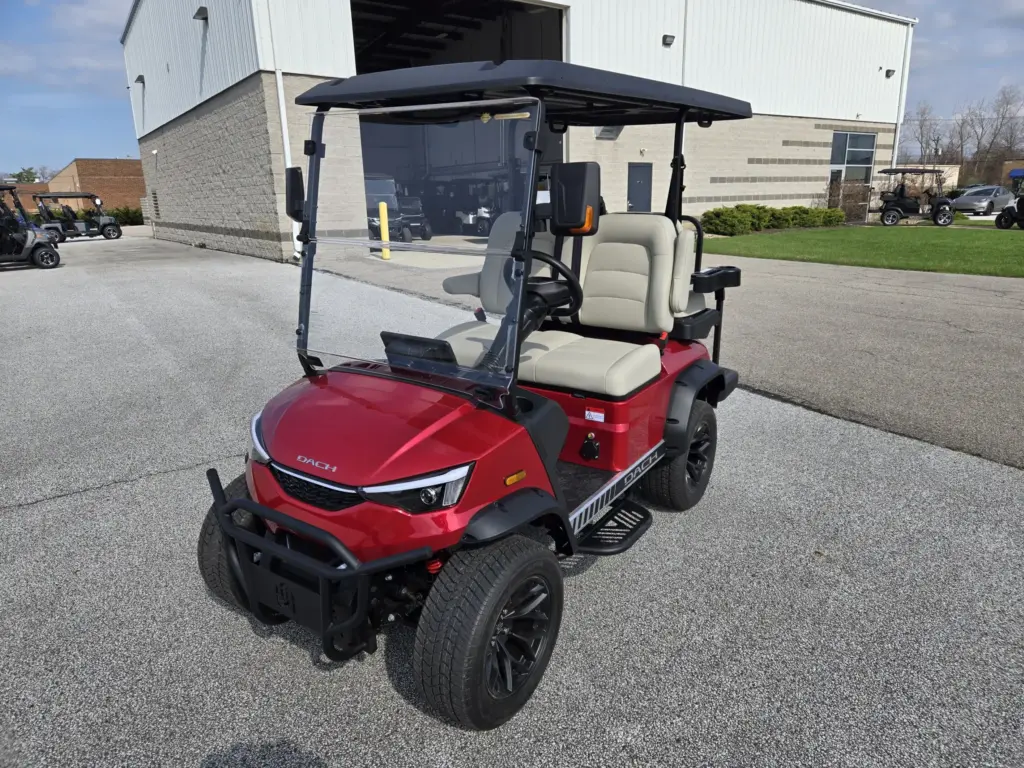
Individuals researching how fast do ATVs go often compare ATVs with utility vehicles before making a purchase. While top speed may be a deciding factor for trail riders, buyers who prioritize hauling, passenger capacity, or property maintenance may find that a utility vehicle better fits their needs. Comparing speed alongside comfort, cargo capacity, and intended use helps buyers choose the right off-road vehicle for their lifestyle.
Safe Riding Is More Important Than Maximum Speed
The fascination with top speed often leads riders to focus exclusively on performance numbers. However, understanding how fast do ATVs go should also involve understanding safe operating limits. High speeds reduce reaction time and increase stopping distance, especially on uneven terrain. Even experienced riders benefit from adjusting speed according to trail conditions and visibility.
Protective equipment, rider training, and responsible operation remain far more important than achieving maximum speed. A properly maintained ATV operated within safe limits will generally provide a more enjoyable and reliable ownership experience than one pushed constantly to its performance extremes.
Conclusion
The answer to how fast do ATVs go depends on the type of ATV, engine size, vehicle design, terrain conditions, and intended use. Youth ATVs may travel as slowly as 10 to 30 mph, while larger utility models often reach 45 to 65 mph. High-performance sport ATVs can exceed 70 mph under favorable conditions. While top speed is an important consideration, buyers should also evaluate safety, durability, handling, and overall vehicle capability before making a purchase. Choosing the right ATV involves balancing performance with practical needs. Anyone interested in utility vehicles, recreational transportation, or outdoor mobility solutions can contact Mentor Golf Carts & Trailers to learn more about available inventory and vehicle options.