
Many golf cart owners assume that installing headlights or adding a windshield is enough to drive legally on public roads. Unfortunately, that is rarely the case. Every year, owners spend money on upgrades only to discover their golf cart still cannot be registered because it fails to meet state or local requirements. That is why so many people search how do you make a golf cart street legal before starting a conversion. In most states, making a golf cart street legal requires much more than cosmetic upgrades. Owners typically need to install specific safety equipment, ensure the vehicle qualifies as a Low-Speed Vehicle (LSV), complete inspections, obtain registration and insurance, and follow local operating laws. Learning how do you make a golf cart street legal before buying parts can save time, reduce unnecessary expenses, and help ensure your golf cart is ready for safe neighborhood transportation.
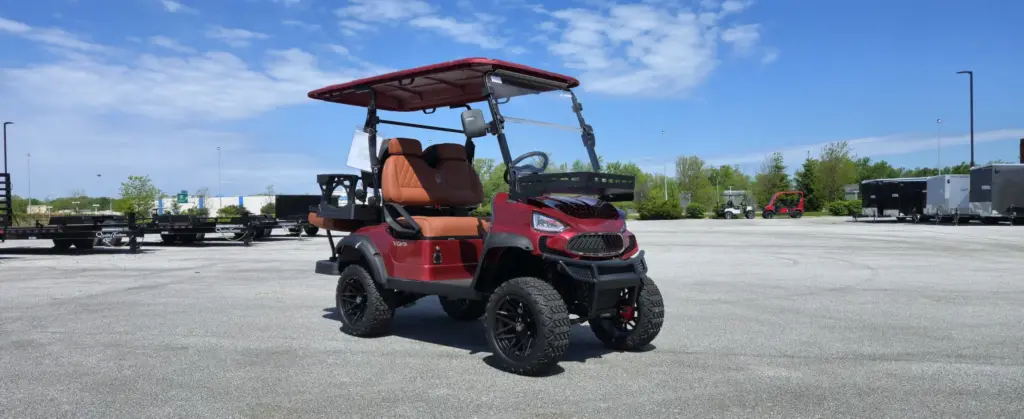
How Do You Make A Golf Cart Street Legal In Your State?
The first step in answering how do you make a golf cart street legal is understanding the laws where you plan to drive. Federal regulations establish basic standards for Low-Speed Vehicles, but individual states and local governments decide where these vehicles may operate and what documentation owners must provide. Some cities allow golf carts only on roads with posted speed limits of 35 mph or lower, while others require local permits or restrict operation to designated communities.
Before purchasing a conversion kit, contact your state’s motor vehicle agency or local municipality to verify the current requirements. You may need proof of ownership, a title, insurance, inspection paperwork, or a vehicle identification number before registration is approved. Spending a few minutes researching these rules can prevent costly mistakes later and ensure your golf cart can legally travel where you intend to use it.
Understand Whether Your Golf Cart Qualifies As A Low-Speed Vehicle
One of the biggest misconceptions surrounding how do you make a golf cart street legal is believing every golf cart can automatically become road legal. In reality, some older models cannot qualify because they do not meet minimum performance or safety standards required for Low-Speed Vehicles. Simply increasing the top speed does not guarantee legal approval.
Most states require a qualifying golf cart to operate within a specific speed range while meeting additional federal safety standards. Owners should verify that the steering, braking system, electrical components, and overall condition are capable of handling public road use. If your current golf cart cannot meet those requirements, upgrading to a newer model may be a more practical option than attempting an extensive conversion.
Install The Safety Equipment Required For Street Use
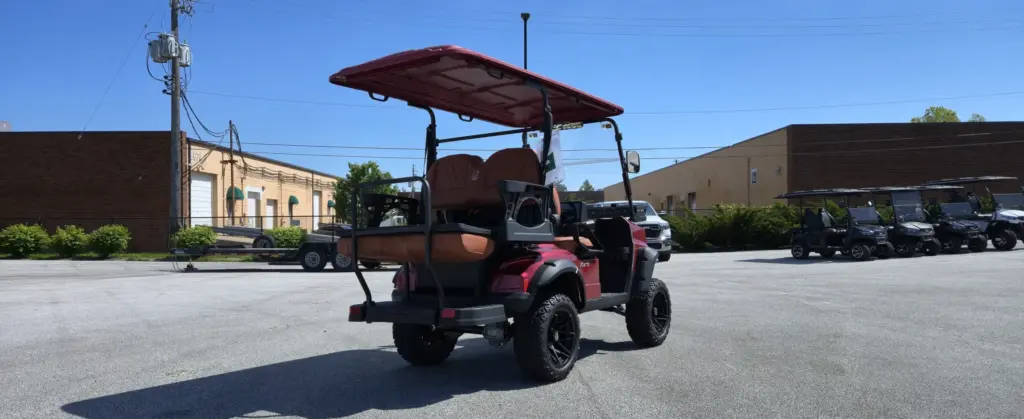
Adding the proper safety equipment is one of the most important parts of making a golf cart legal for public roads. Although exact requirements vary by location, most street-legal golf carts need headlights, taillights, brake lights, turn signals, rearview mirrors, reflectors, a windshield, a horn, seat belts, and a parking brake. Some states also require a speedometer or license plate light depending on how the vehicle is registered.
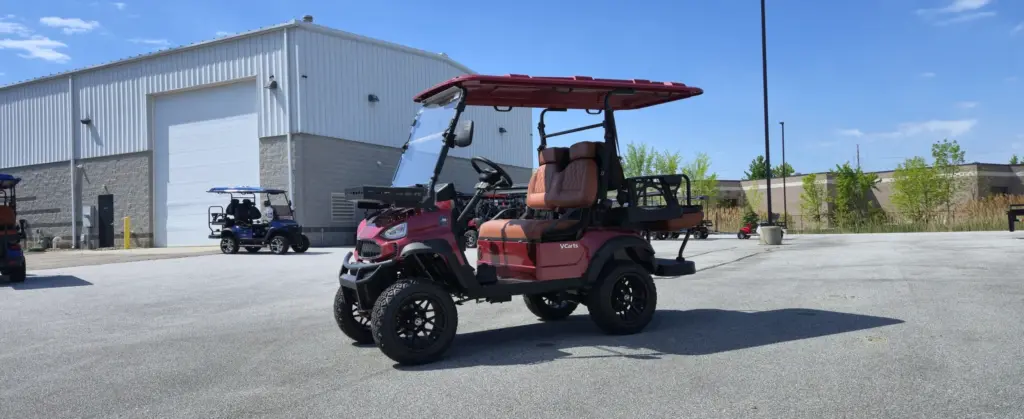
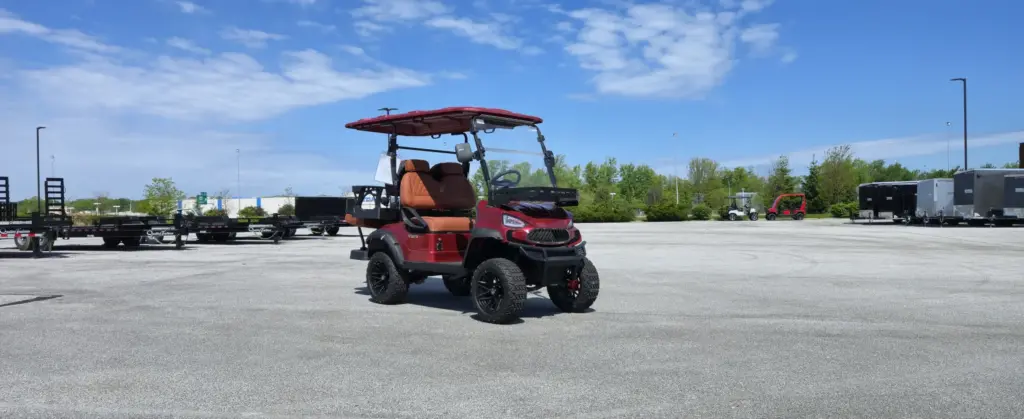
Quality installation matters just as much as the equipment itself. Poor wiring, weak seat belt mounts, or improperly adjusted mirrors can create safety problems and may even cause the vehicle to fail inspection. Buyers who prefer a golf cart designed with many of these modern features already installed often compare models like the VCart Lift 4 Golf Cart, which offers modern comfort and neighborhood-friendly features while reducing the need for major aftermarket modifications.
Inspect The Brakes, Tires, Steering, And Suspension
Safety equipment alone will not make a golf cart roadworthy. Before scheduling an inspection, carefully evaluate the brakes, steering, suspension, tires, and wheels. Worn brake pads, loose steering components, damaged suspension parts, or cracked tires may prevent the golf cart from passing inspection and can create serious safety concerns once the vehicle is driven alongside other traffic.
Lift kits and oversized wheels also deserve careful attention because they change the way a golf cart handles during turns and emergency braking. Owners who increase the vehicle’s speed should ensure every supporting component is capable of operating safely under those new conditions. Performing a complete mechanical inspection before beginning the registration process often saves both time and money later.
Complete The Inspection And Registration Process
After installing the required equipment, the next step in how do you make a golf cart street legal is completing the inspection and registration process. Depending on your state, inspectors may examine the lighting system, mirrors, horn, windshield, seat belts, brakes, tires, steering, and vehicle identification before approving the golf cart for road use. Some states also require proof that the vehicle meets Low-Speed Vehicle standards before issuing registration.
Owners should gather all necessary documents before scheduling an inspection. These commonly include proof of ownership, a bill of sale, title documents if available, receipts for major upgrades, and any forms required by the local licensing authority.
Purchase Insurance Before Driving On Public Roads
Many owners overlook insurance while researching how do you make a golf cart street legal, but it is often required before registration is approved. Liability insurance helps protect both the owner and other road users if an accident occurs. Insurance companies typically ask about the golf cart’s VIN, maximum speed, modifications, storage location, and intended use before issuing coverage.
Even where insurance is not legally required, carrying coverage is still a smart decision. Golf carts share roads with larger vehicles, cyclists, and pedestrians, making accidents possible despite lower operating speeds. Having proper insurance provides valuable financial protection while demonstrating responsible ownership.
Avoid Common Mistakes During The Conversion
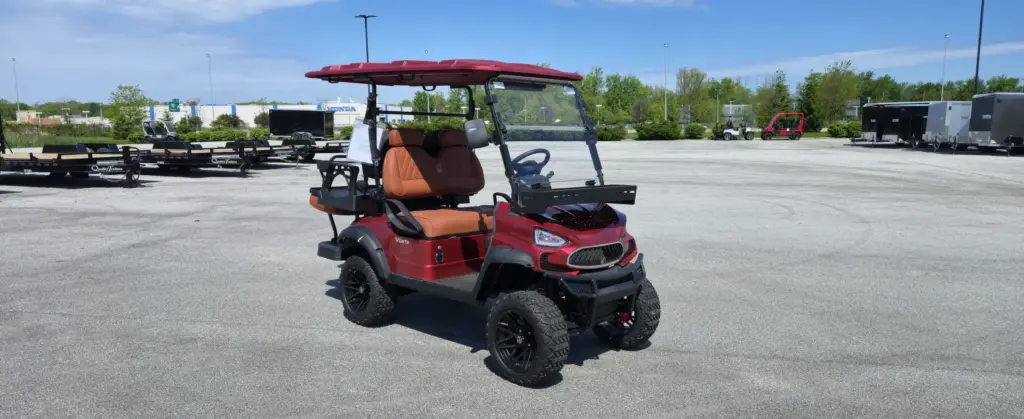
One of the most common mistakes owners make is buying a universal street-legal kit before confirming local requirements. Some kits include equipment that may not satisfy inspection standards in every state, while other required items could still be missing. Another frequent mistake is increasing vehicle speed without upgrading brakes, steering, or suspension to safely handle the additional performance.
Poor wiring, incorrectly installed seat belts, worn tires, or incomplete paperwork also delay registration for many owners. Taking a methodical approach and following official requirements from the beginning usually saves both time and money. Buyers who expect to use their vehicle for heavier work around farms, hunting property, or large estates may also compare alternatives like the Landmaster Classic N6, which is designed for utility applications rather than neighborhood transportation.
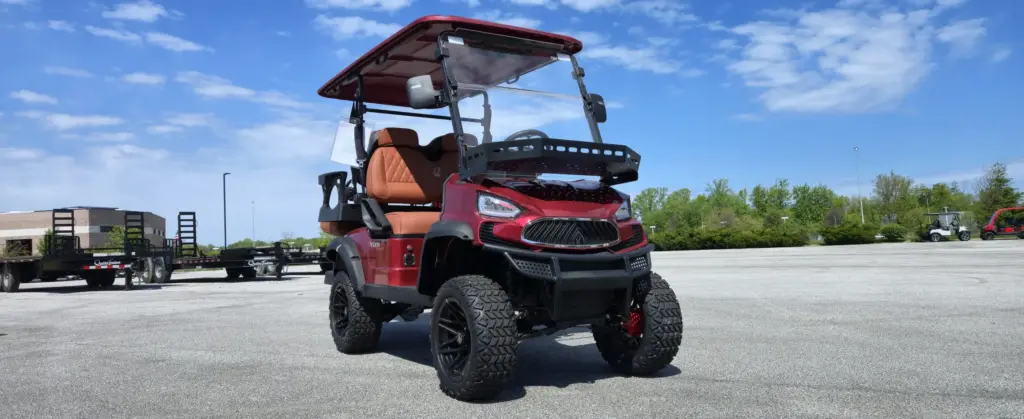
Drive Responsibly After Your Golf Cart Becomes Street Legal
Making a golf cart legal for public roads does not make it identical to a passenger vehicle. Drivers should always obey local traffic laws, wear seat belts, use turn signals correctly, and avoid roads where golf carts are prohibited. Because golf carts are lighter than most vehicles, defensive driving becomes especially important when sharing roads with regular traffic.
For official guidance on Low-Speed Vehicle regulations and road safety standards, owners can review information published by the National Highway Traffic Safety Administration. Staying informed about changing regulations helps ensure your golf cart remains compliant as local laws evolve.
Conclusion
Understanding how do you make a golf cart street legal involves much more than installing lights or mirrors. Owners must verify local regulations, confirm the golf cart qualifies as a Low-Speed Vehicle, install the required safety equipment, complete inspections, obtain registration and insurance, and maintain the vehicle properly for continued road use. Following these steps carefully helps create a safer driving experience while avoiding costly legal issues and failed inspections. If you are considering upgrading or preparing your golf cart for neighborhood driving, visit the Mentor Golf Carts & Trailers Service Department for expert service, maintenance, and professional guidance.