
Many buyers purchase a Utility Task Vehicle expecting to drive it from their property to nearby trails, campgrounds, gas stations, or local roads, only to discover that road-use laws are far more complicated than they expected. That confusion is exactly why people search can you drive UTV on road before buying a side-by-side vehicle. The short answer is yes, in some places you can drive a UTV on certain public roads, but the rules vary significantly by state, county, and municipality. Some jurisdictions allow properly equipped UTVs on designated roads, while others restrict them entirely to private property and off-road trails. Understanding can you drive UTV on road before making a purchase can help owners avoid fines, registration problems, insurance issues, and expensive modifications later. It can also help buyers choose a vehicle that fits both their recreational and transportation needs while remaining compliant with local regulations.
Why UTV Road Laws Differ Across The Country
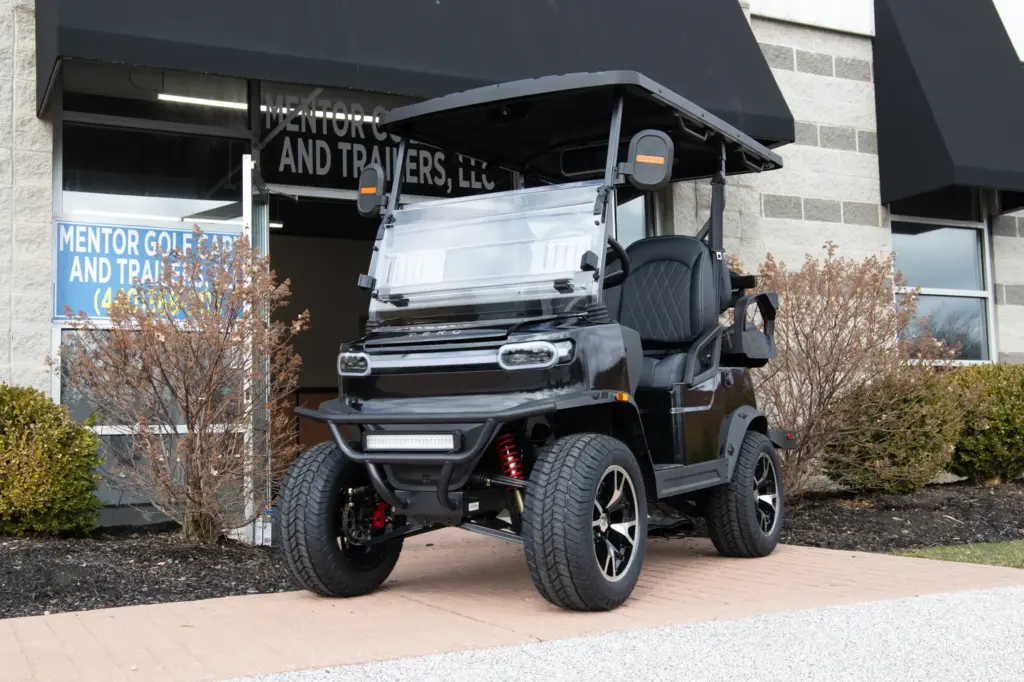
One of the biggest reasons people search can you drive UTV on road is because there is no single nationwide rule governing UTV operation. Every state has its own regulations, and local governments often create additional requirements. In some rural areas, UTVs are considered valuable transportation tools that help residents travel short distances efficiently. Other communities view them strictly as off-road vehicles and prohibit them from public streets altogether.
Many counties have embraced UTV use because these vehicles help farmers, hunters, ranchers, campground owners, and outdoor enthusiasts move efficiently between locations. However, even neighboring towns can have completely different regulations regarding road access. This creates confusion for owners who assume rules remain consistent across an entire state.
Before driving on public roads, owners should verify requirements through local authorities rather than relying on online forums or outdated social media posts. Laws frequently change as UTV popularity continues growing throughout the United States. Understanding local regulations remains the safest approach for any owner considering public-road operation.
Equipment Required For Road Legal Operation
When researching can you drive UTV on road, owners quickly discover that many jurisdictions require additional safety equipment before allowing public-road use. Standard off-road configurations may not meet local requirements. Depending on the area, owners may need headlights, taillights, brake lights, turn signals, mirrors, a windshield, seat belts, and a functioning horn.
Some states also require DOT-approved tires, reflectors, license plate mounting brackets, and other equipment designed to improve visibility and safety around traditional vehicles. These requirements exist because public roads create very different operating environments compared to trails or private property.
Buyers interested in versatile transportation often explore the Landmaster UTV because it combines utility-focused performance with features that make it adaptable for a variety of work and recreational applications. Installing required equipment before registration can help streamline the approval process while ensuring safer operation around other motorists.
Registration And Licensing Requirements
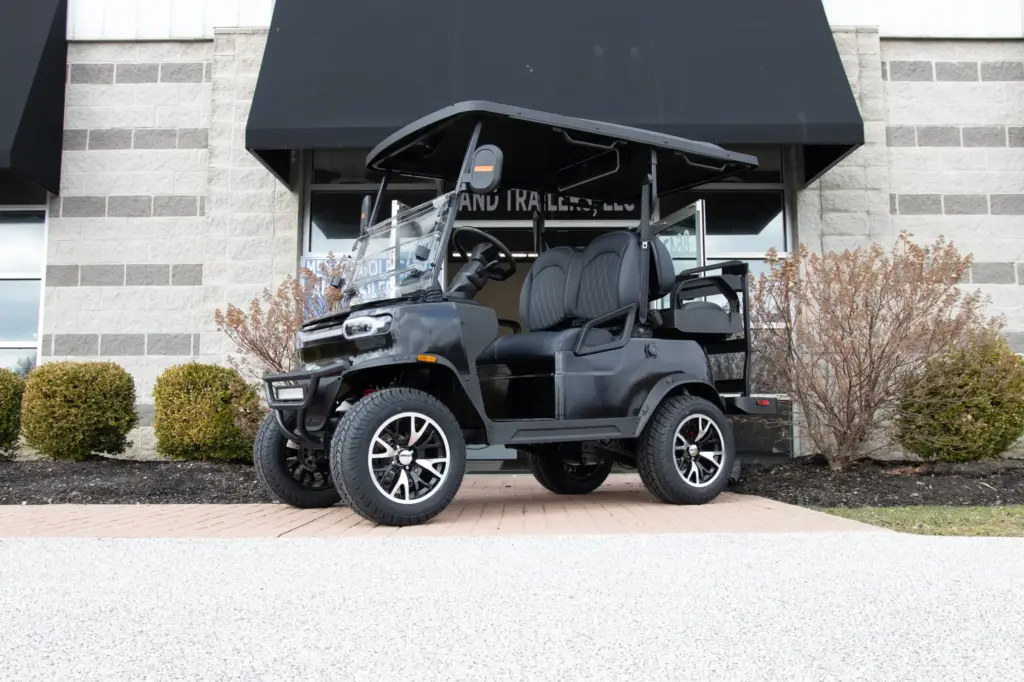
Another major factor affecting can you drive UTV on road involves registration and licensing requirements. Some states allow road use only after the UTV has been inspected and registered. Others may require operators to hold a valid driver’s license whenever the vehicle is operated on public roads.
Registration requirements often vary based on vehicle classification. In some jurisdictions, a UTV may be classified similarly to a Low-Speed Vehicle once certain modifications are completed. In others, the vehicle remains categorized separately regardless of equipment upgrades.
Owners should also understand that registration requirements often include proof of ownership, inspection documentation, insurance verification, and payment of applicable fees. Skipping any required step may result in citations or restrictions on where the vehicle can legally operate. Taking the time to understand registration requirements before purchasing a UTV can prevent unexpected costs and legal complications later.
Common UTV Road Requirements
Many buyers researching can you drive UTV on road want a simple overview of the most common requirements. While exact regulations vary, the following table highlights equipment frequently required in jurisdictions that permit UTV road operation.
| Requirement | Purpose |
|---|---|
| Headlights | Night visibility |
| Brake Lights | Traffic safety |
| Turn Signals | Communicating intentions |
| Mirrors | Rear visibility |
| Seat Belts | Occupant protection |
| Horn | Warning capability |
| Registration | Legal compliance |
| Insurance | Liability protection |
Even when all equipment requirements are satisfied, local road restrictions may still apply. Always verify regulations before driving.
Ohio UTV Laws And Local Considerations
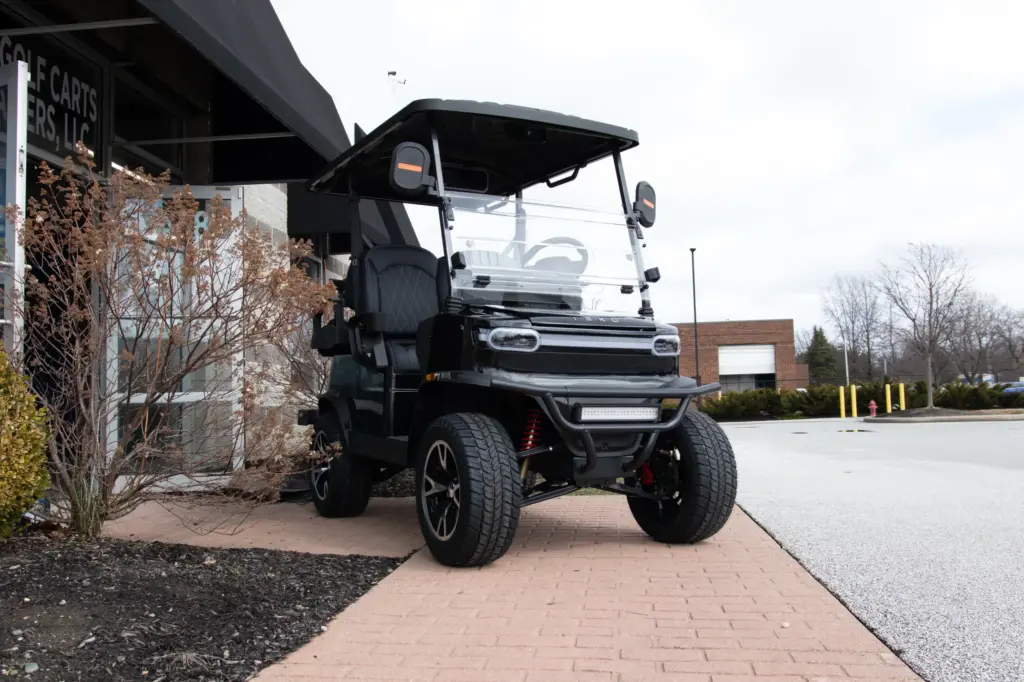
For riders in Northeast Ohio, can you drive UTV on road is an especially important question because local ordinances play a significant role. Ohio allows local governments considerable flexibility when determining where UTVs may operate. As a result, one community may permit road use while another nearby community may not.
Many Ohio property owners use UTVs for agricultural work, campground transportation, hunting access, and recreational trail riding. Because these vehicles are highly practical, interest in road access continues growing throughout the state.
Owners should contact local law enforcement agencies or municipal offices before operating on public roads. Regulations regarding speed limits, designated routes, equipment requirements, and licensing may differ substantially depending on location. Understanding local requirements before driving helps owners avoid costly fines while ensuring a safer experience for everyone sharing the roadway.
Insurance Can Protect UTV Owners
Another reason people search can you drive UTV on road is because public-road operation often raises questions about insurance coverage. Even when insurance is not legally required, many owners choose coverage because UTVs represent a significant investment. Insurance policies may help cover collision damage, theft, liability claims, medical expenses, and property damage. Coverage options vary by provider, but protection becomes especially valuable when operating near traffic, pedestrians, or other recreational users.
Owners who use UTVs for business activities, property maintenance, farming operations, or commercial applications may benefit even more from comprehensive insurance coverage. An accident involving expensive equipment or multiple passengers can quickly create substantial financial exposure. Reviewing insurance options before regularly operating a UTV helps owners better understand both risks and available protection.
How UTVs Compare To Other Recreational Vehicles
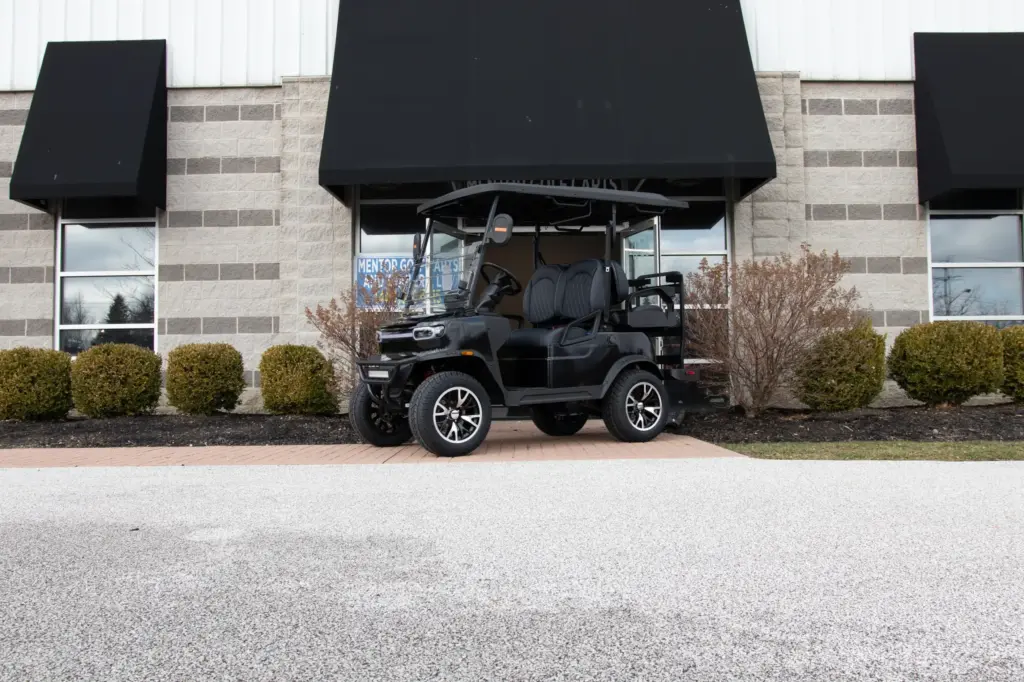
Many buyers researching can you drive UTV on road also compare UTVs to golf carts, ATVs, and other recreational vehicles. UTVs typically offer side-by-side seating, greater cargo capacity, rollover protection systems, and enhanced utility capabilities. These features often make them more versatile for both work and recreation.
Unlike traditional golf carts, UTVs are designed to handle rough terrain, challenging weather conditions, and demanding workloads. Compared to ATVs, UTVs usually provide greater passenger comfort and improved cargo carrying capability. Selecting the right vehicle depends heavily on intended use, terrain, passenger requirements, and local regulations.
Safety Matters More Than Road Access
While many owners focus heavily on can you drive UTV on road, safe operation should remain the top priority. UTVs handle differently than passenger vehicles and require responsible driving habits. Their suspension systems, tire designs, and weight distribution are optimized for mixed-use environments rather than traditional highway travel. Drivers should always wear seat belts, respect speed limits, avoid distracted driving, and remain aware of changing terrain conditions. Additional caution becomes especially important when sharing roads with larger vehicles.
Owners researching vehicle safety standards, roadway requirements, and transportation regulations can review additional guidance from the National Highway Traffic Safety Administration. Understanding how safety equipment, visibility requirements, and vehicle classifications affect road use can help UTV owners make informed decisions before operating on public streets. Responsible operation protects both vehicle occupants and other road users while helping maintain positive public perception of UTV access programs.
Choosing The Right UTV For Long-Term Ownership
Understanding can you drive UTV on road is important, but buyers should also consider long-term ownership needs. Some owners need a UTV primarily for farm work, while others focus on trail riding, hunting, property transportation, or campground use.
Work-focused owners often prioritize towing capacity, durability, cargo space, and reliability. Recreational buyers may place greater emphasis on comfort, suspension performance, passenger seating, and off-road capability. Matching vehicle capabilities to actual usage patterns typically leads to greater long-term satisfaction and better overall value.
Conclusion
The answer to can you drive UTV on road depends largely on local laws, required equipment, registration status, and where the vehicle will be operated. Some communities permit properly equipped UTVs on designated public roads, while others restrict them to off-road environments and private property. Before driving on any public roadway, owners should verify local regulations, complete any required registration steps, and ensure their vehicle meets applicable safety standards. Taking these precautions can help prevent legal issues while improving safety for everyone. If you are considering a UTV or need guidance choosing the right recreational vehicle, contact the team at Mentor Golf Carts & Trailers for assistance and available inventory information.