
Utility Task Vehicles have become increasingly popular throughout Ohio for farming, hunting, property maintenance, trail riding, and outdoor recreation. As more people purchase these versatile off-road vehicles, many owners begin asking are UTVs street legal in Ohio. The answer is not always straightforward because Ohio laws distinguish between off-road vehicles and vehicles that are legally permitted to operate on public roads. While UTVs are generally designed for off-road use, certain circumstances may allow them to be driven on public roads depending on local ordinances, registration requirements, and vehicle modifications. Understanding Ohio’s laws is important because operating a UTV illegally on public roads can result in fines, penalties, and liability concerns. Whether you own a UTV already or are considering purchasing one, learning the rules regarding street use can help you avoid legal issues while making the most of your vehicle. The specific requirements often depend on where the vehicle will be driven and whether local authorities permit UTV operation on designated roads.
What Ohio Considers A UTV
Before answering are UTVs street legal in Ohio, it helps to understand how the state classifies these vehicles. A UTV, or Utility Task Vehicle, is an off-highway vehicle designed primarily for off-road transportation. Unlike standard passenger vehicles, UTVs are built to handle rough terrain, trails, farms, construction sites, and recreational riding areas. Most models include side-by-side seating, steering wheels, cargo beds, and rollover protection structures.
Ohio generally considers UTVs to be off-highway vehicles rather than traditional motor vehicles. Because of this classification, they do not automatically receive the same privileges as cars, trucks, and motorcycles when it comes to public road operation. This distinction forms the foundation of Ohio’s approach to regulating UTV use on public roads. Understanding how the state classifies these vehicles is the first step toward understanding where and when they may be operated legally.
Ohio Law Generally Restricts UTVs From Public Roads
For most situations, the answer to are UTVs street legal in Ohio is no. Ohio law generally prohibits UTVs from operating on public streets and highways unless specific exceptions apply. These vehicles were originally designed for off-road environments rather than regular roadway transportation. As a result, state law limits where they may be driven.
The restrictions exist because UTVs do not always meet the same safety standards required of passenger vehicles. Traditional automobiles must comply with numerous federal and state regulations involving crash protection, lighting systems, emissions standards, and other safety requirements. Since UTVs are primarily designed for off-road operation, they may not automatically satisfy these standards. This is one reason Ohio treats them differently from conventional road vehicles.
Local Governments May Allow Limited Road Use
Although Ohio generally restricts UTVs from public roads, local governments have some authority to permit operation on certain roads under specific conditions. Counties, townships, and municipalities may adopt ordinances allowing UTV use on designated roadways. These local rules vary significantly throughout the state.
Some rural communities permit UTV operation on low-speed roads where traffic volumes are relatively low. Other jurisdictions may prohibit them entirely. Because regulations differ from one location to another, owners should always verify local ordinances before driving on any public roadway. Assuming that a neighboring community’s rules apply everywhere can result in costly mistakes. Checking local regulations remains one of the most important responsibilities for UTV owners in Ohio.
Registration Requirements May Apply
Another important factor when researching are UTVs street legal in Ohio involves registration. In situations where local ordinances permit roadway operation, registration requirements may apply. Vehicle owners may need to obtain registration, display identification, and satisfy additional local requirements before operating on approved roads.
Documentation requirements can vary depending on the jurisdiction and intended vehicle use. Owners should keep ownership records, registration paperwork, and any required permits readily available. Maintaining proper documentation not only supports legal compliance but also simplifies insurance applications and future ownership transfers. Staying organized helps avoid unnecessary complications if questions arise regarding vehicle legality.
Individuals seeking information about off-road vehicle safety and responsible operation often review resources provided by the Specialty Vehicle Institute of America, which offers educational materials related to safe off-road vehicle use.
Street-Legal Equipment May Be Required
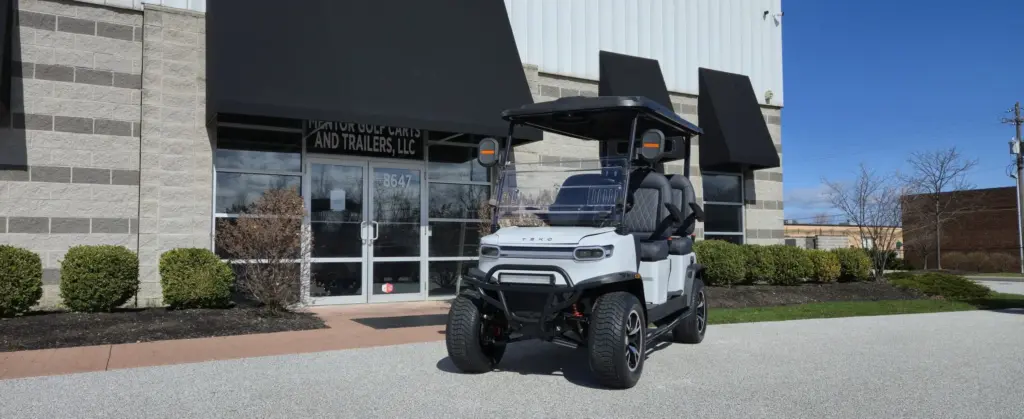
In areas where roadway operation is permitted, owners often need to ensure that their vehicles meet specific equipment requirements. When discussing are UTVs street legal in Ohio, equipment standards frequently become part of the conversation. Depending on local regulations, vehicles may need headlights, taillights, brake lights, mirrors, turn signals, horns, seat belts, and other safety features.
Some jurisdictions may also require windshields, reflectors, license plate illumination, or additional equipment. Because requirements vary, owners should verify exactly which components are necessary before operating on public roads. Properly equipped vehicles improve safety while reducing the risk of citations or registration issues. Meeting equipment standards demonstrates a commitment to responsible vehicle ownership.
Insurance Considerations For Ohio UTV Owners
Insurance is another important consideration when evaluating are UTVs street legal in Ohio. While insurance requirements vary depending on vehicle use and local regulations, many owners choose to insure their UTVs regardless of legal mandates. Insurance can help protect against liability claims, property damage, theft, and accident-related expenses.
Roadway use may increase exposure to risks compared to operating exclusively on private property or designated trails. Because of this, insurance providers may offer different coverage options depending on how the vehicle is used. Owners should discuss their intended use with insurance professionals to ensure they maintain appropriate protection. Adequate coverage provides financial security and peace of mind.
Many Ohio Owners Use UTVs On Private Property
Even though questions about are UTVs street legal in Ohio are common, many owners primarily use their vehicles on private property. Farms, ranches, hunting land, campgrounds, and large residential properties provide ideal environments for UTV operation without involving public roads. These settings allow owners to take advantage of the vehicle’s utility and off-road capability while avoiding many regulatory concerns.
Property owners often use UTVs for transporting tools, hauling materials, inspecting land, moving equipment, and supporting outdoor activities. Their versatility makes them valuable assets in both recreational and work-related settings. Many buyers find that private-property use satisfies most of their transportation needs without requiring public-road access.
Choosing The Right Utility Vehicle Matters
Vehicle selection can influence how effectively a UTV serves its intended purpose. Buyers researching are UTVs street legal in Ohio often compare multiple models before making a purchase. Passenger capacity, cargo capability, towing performance, comfort, and maintenance requirements all affect ownership satisfaction.
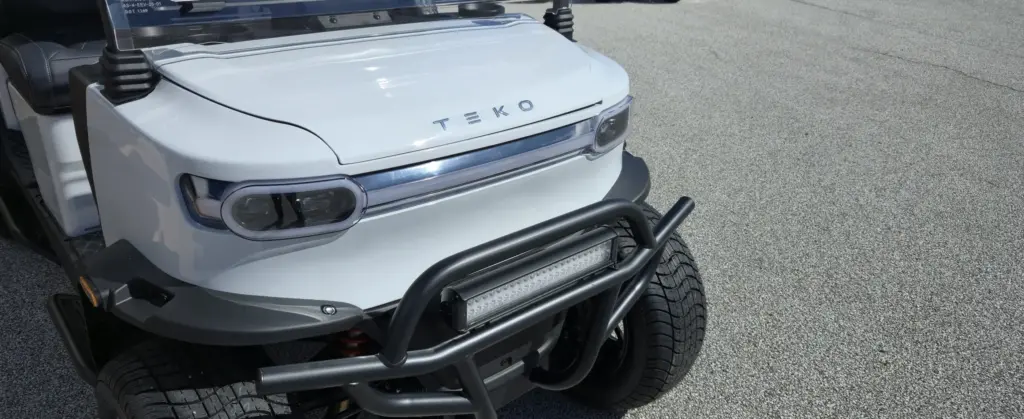
At Mentor Golf Carts & Trailers, customers frequently evaluate utility-focused transportation options designed for property management, recreation, and outdoor work. Models such as the VCart ECO 6 demonstrate how versatile transportation solutions can support a wide range of applications. Selecting the right vehicle helps maximize long-term value and usability.
Conclusion
For most situations, the answer to are UTVs street legal in Ohio is that they are generally intended for off-road use, although certain local governments may allow operation on designated public roads under specific conditions. Registration requirements, equipment standards, insurance considerations, and local ordinances all play important roles in determining legal roadway use. Because regulations vary significantly throughout Ohio, owners should always verify local rules before operating on public roads. Understanding these requirements helps prevent legal issues and promotes safer vehicle operation. For expert guidance, vehicle service, and utility vehicle solutions, visit Mentor Golf Carts & Trailers to learn more about available options.